
#EnergySolutions
Clean energy is the future. Renewable energy is cheap, sustainable, and already making our planet more green and peaceful. It’s better for our health and for our planet. We know the future we want, and renewables are how we get there. Together we must push global governments away from fossil fuels and get them to invest in solar, wind, and beyond. It’s not going to be an easy task, but it’s one we must undertake if we’re to save our climate for generations to come.

Things you can do
We want you to take action because together we’re strong.
No posts found.
-

Greenpeace Canada reaction to industrial carbon price announcement
The only thing happening faster than the federal rollback of climate policies is the global renewable energy revolution that will turn all of these concessions to Big Oil into a massive lost opportunity to build a better, safer Canada.
-
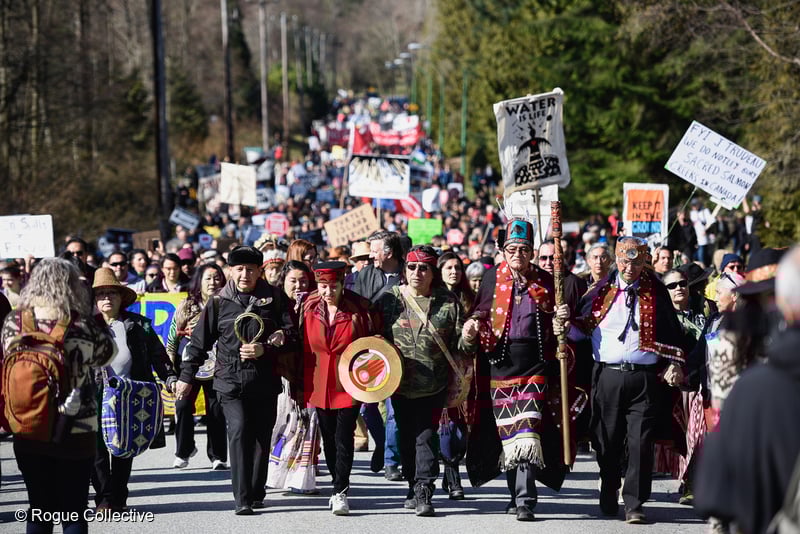
Carney government’s new surveillance powers to be used against pipeline opponents?
History tells us the new spying powers in Carney’s Border bill (C2) will be used against Indigenous and environmental opponents of fossil fuel projects enabled by Building Canada Act (C5).
-
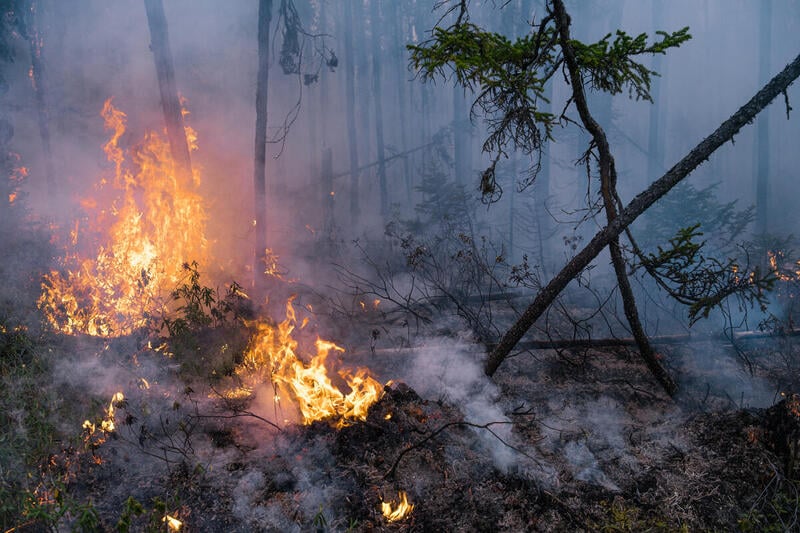
New Greenpeace Canada Report Calls for B.C. to Make Big Polluters Pay for Climate Disasters
Vancouver — With wildfires, floods, and climate disasters costing British Columbia billions every year, a new report makes the case for a bold solution: make the fossil fuel companies most…