

Reading the headlines, you would think we are in a dystopian world straight out of Fahrenheit 451. The latest: the BC government is considering a climate change-accelerating coal mine at a time of climate crisis. What’s more, it would be an open-pit coal mine situated in an endangered caribou habitat at a time when Canada’s caribou herds are teetering on the brink of extinction. All of this against the wishes of the local Indigenous Nation, in the so-called era of reconciliation.
Oh, and in the middle of a pandemic when most are “hopefully” too busy to notice.
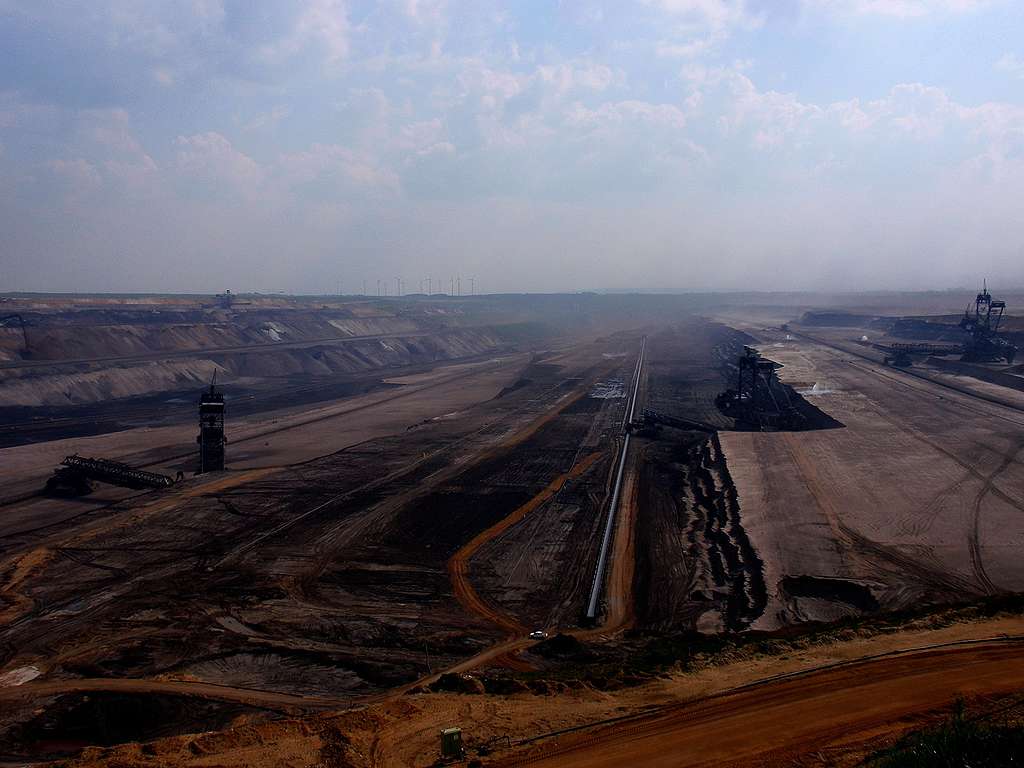
This is not the only government giving in to polluting and destructive industries during COVID-19 – environmental regulations have been slashed in province after province over the course of the past few months as corporations seek to increase their bottom line while everyone is distracted by the pandemic. However, the BC government’s hypocrisy and backwards thinking really takes the cake with this one.
BC boasts about being the first province to pass the UN Declaration of the Rights of Indigenous Peoples (UNDRIP), and for working hand in hand with many First Nations – but I see no such commitment here. Hearing Chief Roland Willson of The West Moberly First Nations say, “For us it’s clear cut that the coal mine should not be going forward because you can’t mitigate the effects on the caribou in any way” – the message could not be any more clear.
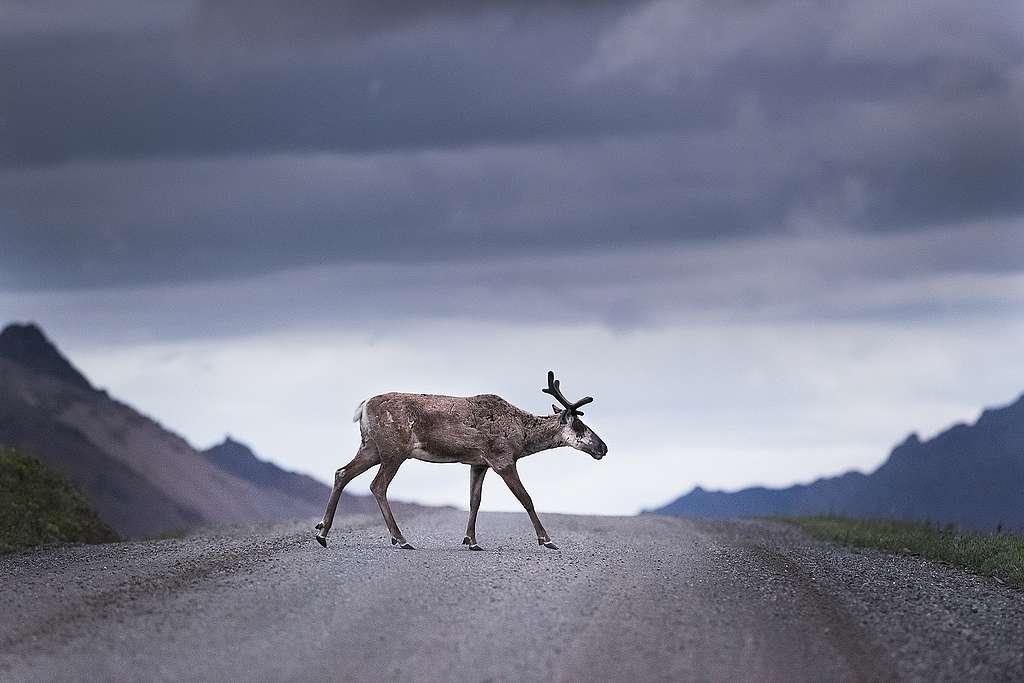
In fact, considering the important role caribou play for many Indigenous Nations across Canada – culturally, spiritually, and as a source of sustenance – the threat is far greater than one can imagine. The priority given to resource extraction is not new, as even before lock-down measures were put in place, we saw projects from coast-to-coast being proposed in critical caribou habitat and protected areas.
Caribou serve as an indicator for the health of its ecosystem, so seeing all subspecies across Canada in decline is a big red flag! The Boreal Woodland Caribou, for example, have seen a 30% decline in their populations in the last two decades, and are expected to decline another 30% in the near term. The main cause is the loss of critical, untouched habitat like the one this open coal mine would encroach on. Caribou need large territories to roam and forage, as well as healthy mature forests to protect themselves from predators and give birth to their young. Like forestry in this country, mining has gone beyond nature’s limits and continues to criss cross through their territory, endangering the survival of the species. BC has little or ineffective endangered species protections overall, and despite the many warning signs, and calls from First Nations, biologists, and environmentalists, we are witnessing the very disappearance of caribou.
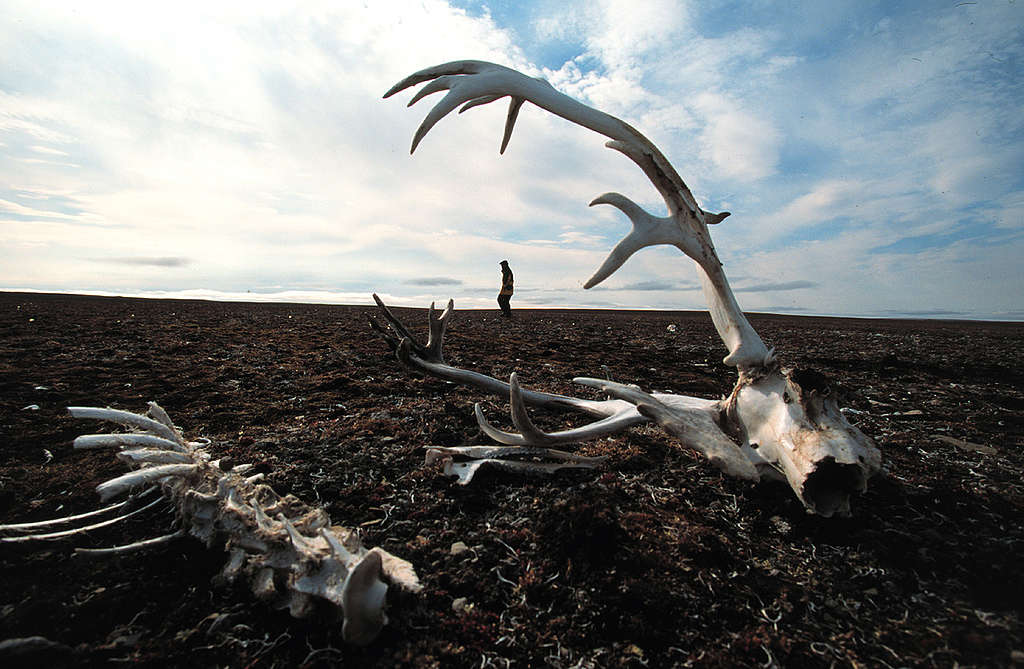
B.C.’s solution? Kill more wildlife (cull wolves) and put caribou in pens. But these measures are nothing more than band-aid solutions, put in place to counter the devastation brought by slicing up caribou habitat for mining, logging and intensive recreation. They are measures that are only necessary because we continue to ignore the deeper systemic root cause.
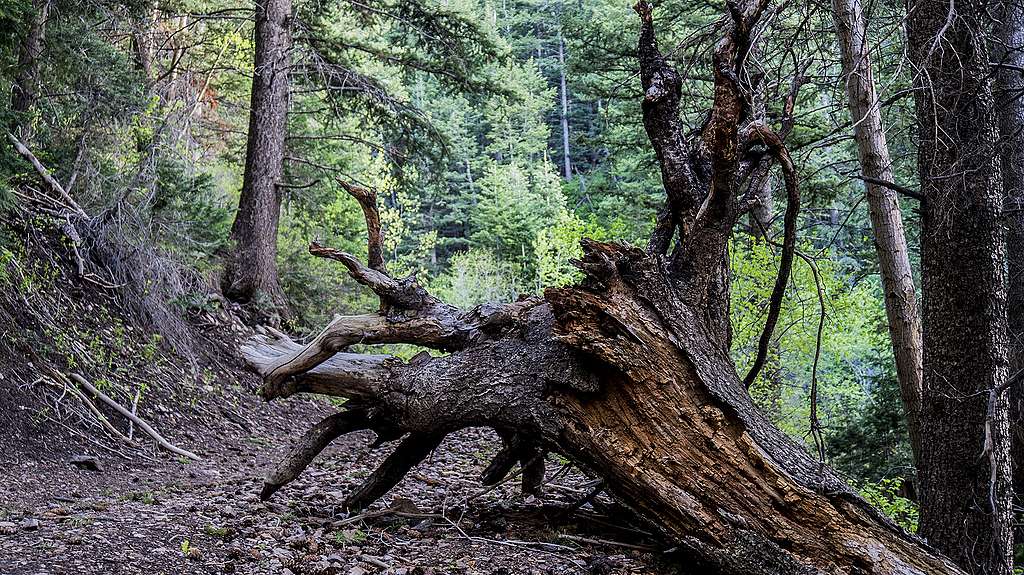
B.C. has lost the vast majority of it’s old-growth forests. Forests essential to fight climate change. Forests essential to people and wildlife. This news is a microcosm of what we have been witnessing across the country for far too long.
And in this day and age, how are we still considering extracting coal from the ground? What worse idea can we come up with when right now we need to significantly cut back on GHG emissions? Just this week we heard a collapsed energy company has left behind 401 orphan wells to clean up – a job that would take 10 years and cost (the public) $40M according to BC’s s Oil and Gas Commission. The BC government needs to seriously revisit its policies and practices.
If there is anything we’ve had time to think about over the course of the last few months, it is that our health, livelihoods and well-being are intrinsically linked to the health of nature. The destruction of forests have been at the root of many previous disease outbreaks, a decline in wildlife, and an increase in extreme weather events such as floods, and forest fires. Despite all this, and despite the call from leading economists, scientists, and intergovernmental organizations to change our ways and seize this moment for a green and just recovery, the British Columbian government seems set to continue a destructive legacy.
We are selling away our country, disregarding human rights, and jeopardizing our health! The reality is that the BC government is headed in the wrong direction, falling short, and failing us at a time when we need boldness, courage, and vision.

Understandably it is a difficult time for most right now, but it is no time to let our guard down. We must call out the elected officials who are putting industry before people, and an economy before the very environment we all depend on for life. We must speak out against these archaic projects and hold our governments accountable. We want real leaders, for a real green and just future.
On behalf of Greenpeace Canada, we demand the BC Government rejects this project and starts to invest in real solutions – putting people and the planet first! The time to #BuildBackBetter is now. RAISE YOUR VOICE – tell BC Premier John Horgan and Minister of Environment and Climate Change Jonathan Wilkinson to REJECT the proposal for this new open-pit coal mine now.


Discussion
Oliver, thank you for raising awareness. The Caribou are just one of the casualties, the others include; long term acid rock leaching in the Telkwa, Bulkley river watersheds, and CO2 increase due to the burning of the coal. When I worked for Shell in The Hague, green peace demonstration infornt of our head offices was instrumental at swaying public opinion to get Shell to do the right thing. Why is Green Peace in BC so low key? How can you help us to stop this coal mine through public awareness in mainstream media. How can we raise the profile on this project to challenge the hypocritical policies of the Govts of BC and Canada?
Thank you George for your support and the additional information! The best thing I can recommend is for local citizens such as yourself to reach out to Premier John Horgan and let him know you oppose this project (you can also find a canned tweet to the premier at the end of the blog). The more voices the better!
Nature should never be toyed with. You are responsible for our future. Make sure you make the right decisions.
Hello June, that is a great message to tell our elected officials. In the blog you have a link to tweet this to the right people. I would also invite you to call your local MP and express the need for a Green & Just transition post-pandemic, not just an economic recovery: Click here to ask for a Green & Just Recovery