Feature story - September 2, 2005
On September 2, pre-dawn hours in New
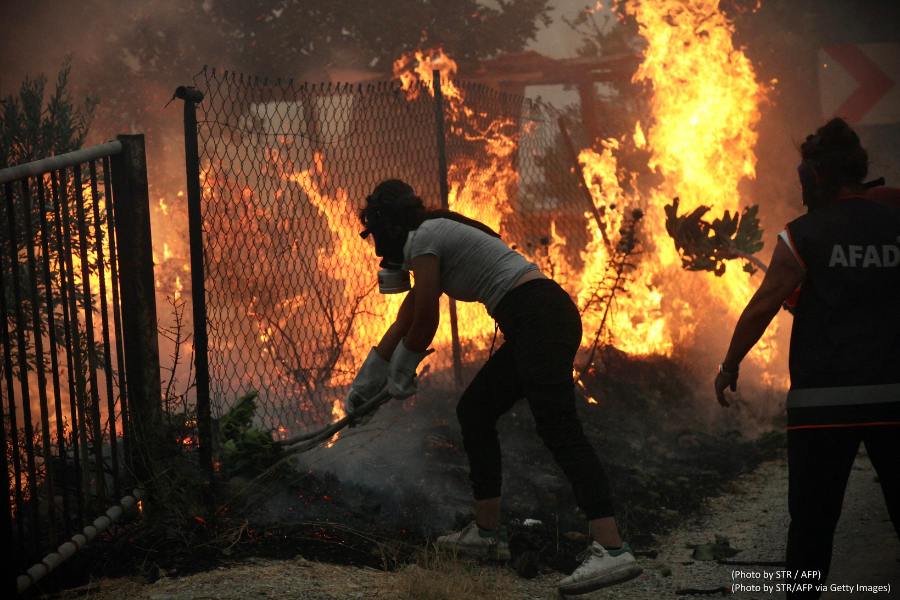
Orleans glowed red, but it wasn’t the sunrise. An explosion at one of
the city’s chemical storage facilities woke hurricane survivors, who
were forced yet again to evacuate the area, this time due to the risk
of toxic exposure. According to reports, a chain of railcar explosions
soon followed, and the vibrations were felt as far away as downtown. A
black cloud hovered over the plant as the result of a chemical fire.
Officials claimed the cloud did not contain toxins, but warned
residents and camera crews to immediately evacuate the vicinity
nonetheless.
This latest incident of possible toxic exposure adds to the
devastation already evident in New Orleans, and to the long-term
risk to survivors of Katrina. It also adds to the urgent need to
immediately rescue thousands of stranded people from New
Orleans.
One of Many
This explosion occurred at one of many chemical facilities found
in the New Orleans area. Our research has uncovered more than 350
petroleum facilities, chemical plants and hazardous waste sites
that are located in an area affected by Hurricane Katrina.
These facilities store hundreds of thousands of pounds of
hazardous substances. The Environmental Protection Agency has an
obligation to inspect and test for chemical contamination in
addition to biohazards at these facilities.
On August 30, Greenpeace submitted a Freedom
of Information Request to the EPA asking for copies of EPA's
plans to prevent contamination from petro-chemical plants and to
test drinking water sources, soil and air in communities before
they are re-occupied.
Lend a Hand
The situation in New Orleans has reached a crisis point. If you
would like to make a donation to help in the efforts, the following
groups are working on the ground to help the survivors:
More on Katrina's Impacts
Following the massive storm surge, the chemical plants flooded, releasing untold amounts of toxic poisons.