Developing fetuses and small children are especially susceptible
to health impairment from elevated mercury levels.
However, if other people wish to reduce their exposure to
mercury, they should also generally adhere to these advisories and
also work to reduce mercury pollution at the source.
Fish that are relatively low in mercury and can safely be eaten
in moderation:
Abalone (farmed), Anchovies, Butterfish, Calamari (squid),
Catfish, Caviar (farmed), Clams, Crab (king), Crawfish/crayfish,
Flounder, Haddock, Hake, Herring, Lobster (spiny/rock), Mackerel
(Atlantic), Mussels (farmed), Oysters, Perch (ocean), Salmon (wild,
from Alaska), Sardines, Scallops, Shad, Sole, Sturgeon (farmed),
Trout, Whitefish
Eat sparingly (less than six 6 oz servings a month):
Carp, Cod, Crab (dungeness), Crab (blue), Crab (snow), Mahi
Mahi, Perch (freshwater), Pollock*, Snapper, Tilapia*
Avoid (less than three 6 oz servings a month):
Bluefish, Croaker, Halibut, Lobster (American/Maine), Rockfish,
Sea Bass (excluding Chilean Sea Bass, which should be completely
avoided), Salmon (wild, Atlantic), Sea Trout (Weakfish),
Do not eat:
Chilean Sea Bass*, Grouper, Mackerel (king), Marlin, Monkfish*,
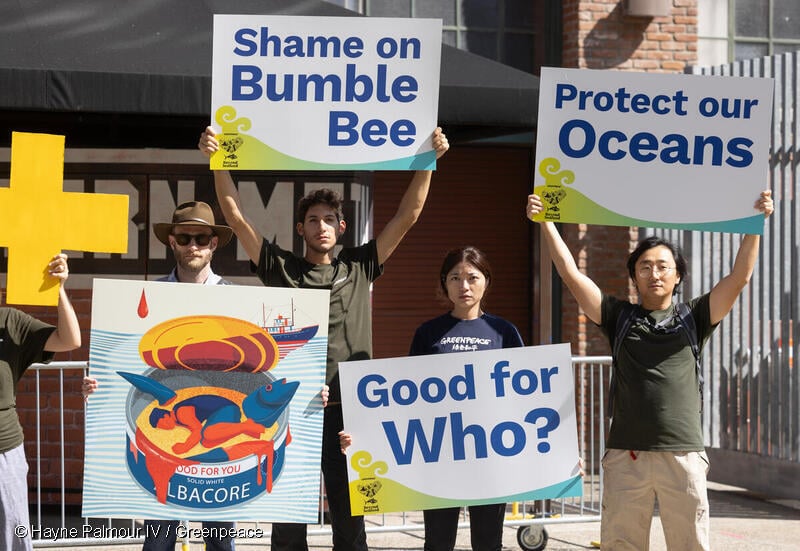
Orange Roughy*, Shark*, Shrimp*, Swordfish*, Tilefish, Tuna*
(including fresh tuna, canned white albacore and canned chunk
light)
* Species in which fishing is unsustainable or has serious
negative impacts on the environment.
Sources used for this recommendation:
Natural Resources Defense Council,
Mercury Policy Project, the Environmental Protection Agency and
the Food and Drug Administration
Note:
To find out specific fish advisories in your state, visit, www.epa.gov/waterscience/fish.
Fishing and farming practices of
select species have raised environmental concerns. Check the Ocean
Friendly Seafood Guide to learn more at, www.blueocean.org.
We encourage consumers to educate
themselves on the fish they consume, the fishing practices involved
and bear in mind the potential hidden environmental costs
associated with them.. Refer to the Better Buys Guide to learn
more at
www.greenpeace.org.uk/oceans/supermarkets/better_buys.cfm