Feature story - September 14, 2006
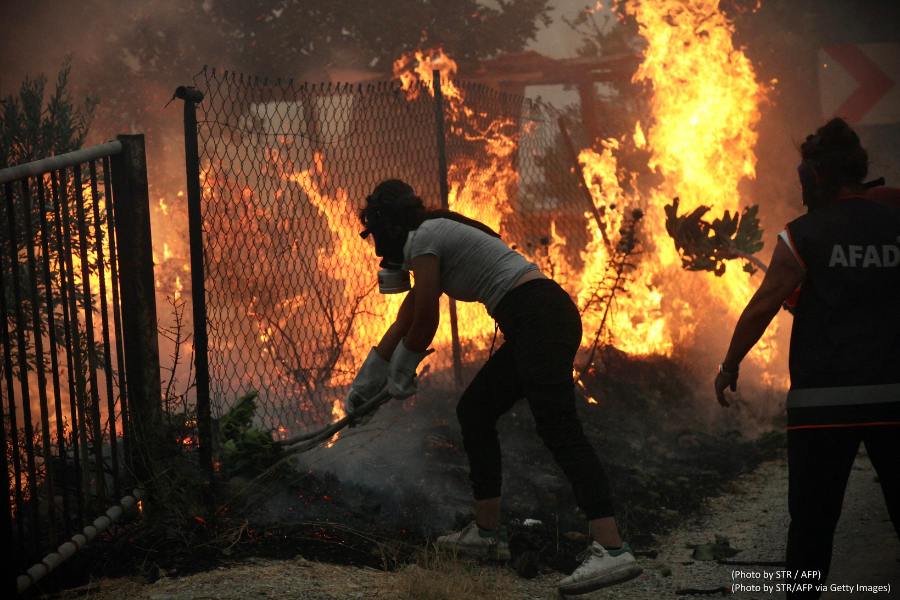
In what is becoming an annual event, fires are sweeping through the tropical rainforests of Indonesia and Brazil. Burning rainforests not only threaten biodiversity in directly affected areas but, by contributing towards climate change, they also put the entire planet at risk.
In the tropics, months can pass without rain and in the dry
season forests become susceptible to fire. These can occur
naturally and would normally not pose a serious problem. However,
clearing land as a result of logging or to make way for plantations
is exacerbating the problem and every year the fires spread faster
and further.
Greenpeace teams in both Indonesia and Brazil have recorded the
scale of the infernos and are clear about the reasons why they are
happening. Much of the forests in the Indonesian province of Riau
in Sumatra are peatland forests and normally protected from fire
by their boggy environment, but industrial activity has changed all
that. The forests are being cleared for plantations of oil palms
and acacia pulpwood for paper, creating the perfect conditions for
fires at the same time.
"Once these peat swamps are exposed due to logging," Greenpeace
forest campaigner Hapsoro explains, "they dry out like a wet sponge
exposed to sunlight and become extremely flammable. Once it starts
burning, it's very difficult to stop without heavy rain."
The effects of the Indonesian fire also spread across the
region. As smoke drifts across South East Asia, clogging the air
above the Malaysian peninsular and incurring the wrath of
neighboring governments, Hapsoro urges the Indonesian authorities
to take urgent measures. "The Indonesian government must seriously
reconsider allowing any type of land clearing to be done in these
areas to minimise the possibility of large and uncontrolled forest
fires," he states.