
Latest Updates
Filter posts
Filtered results
-
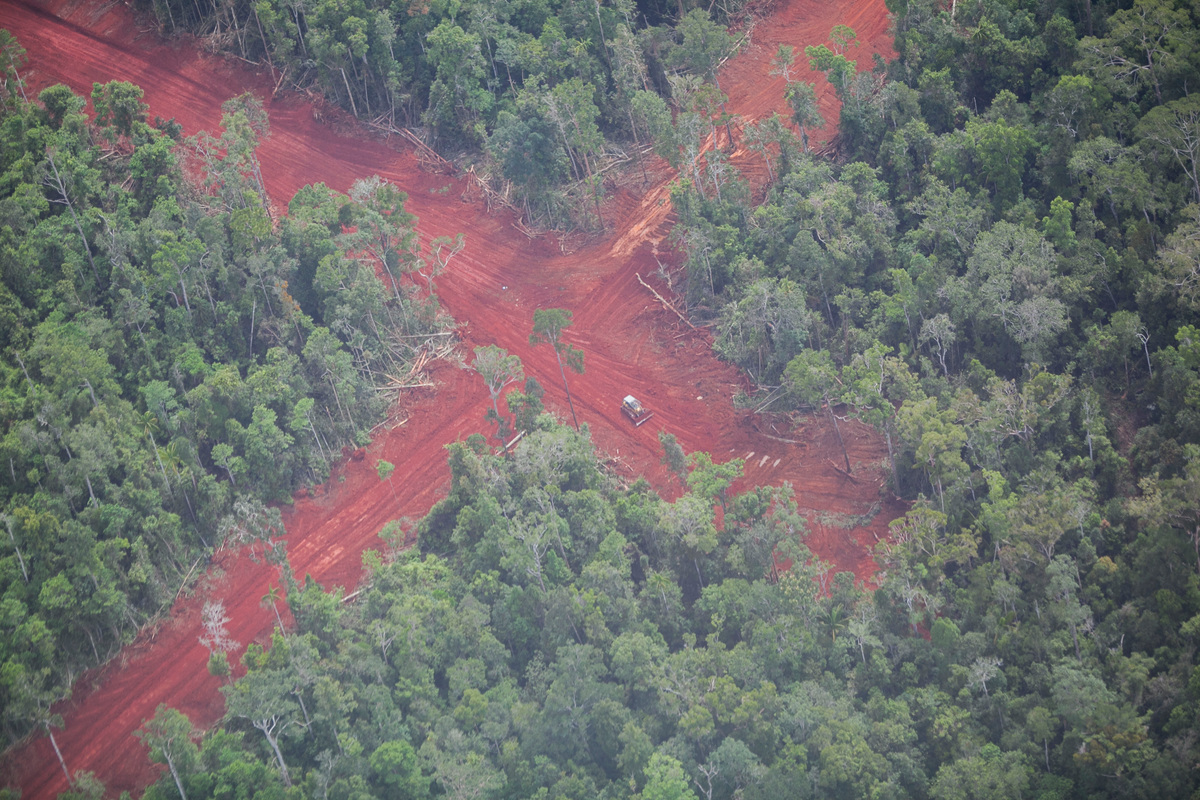
Transparency, Indigenous Rights Need Inking in to Indonesia-Norway Forests Agreement
As representatives of Indonesia and Norway work over the coming weeks on the details of a renewed climate partnership, Greenpeace Indonesia points to some important issues for inclusion to ensure the agreement does help to bring about urgently needed change to Indonesia’s trajectory of deforestation.
-
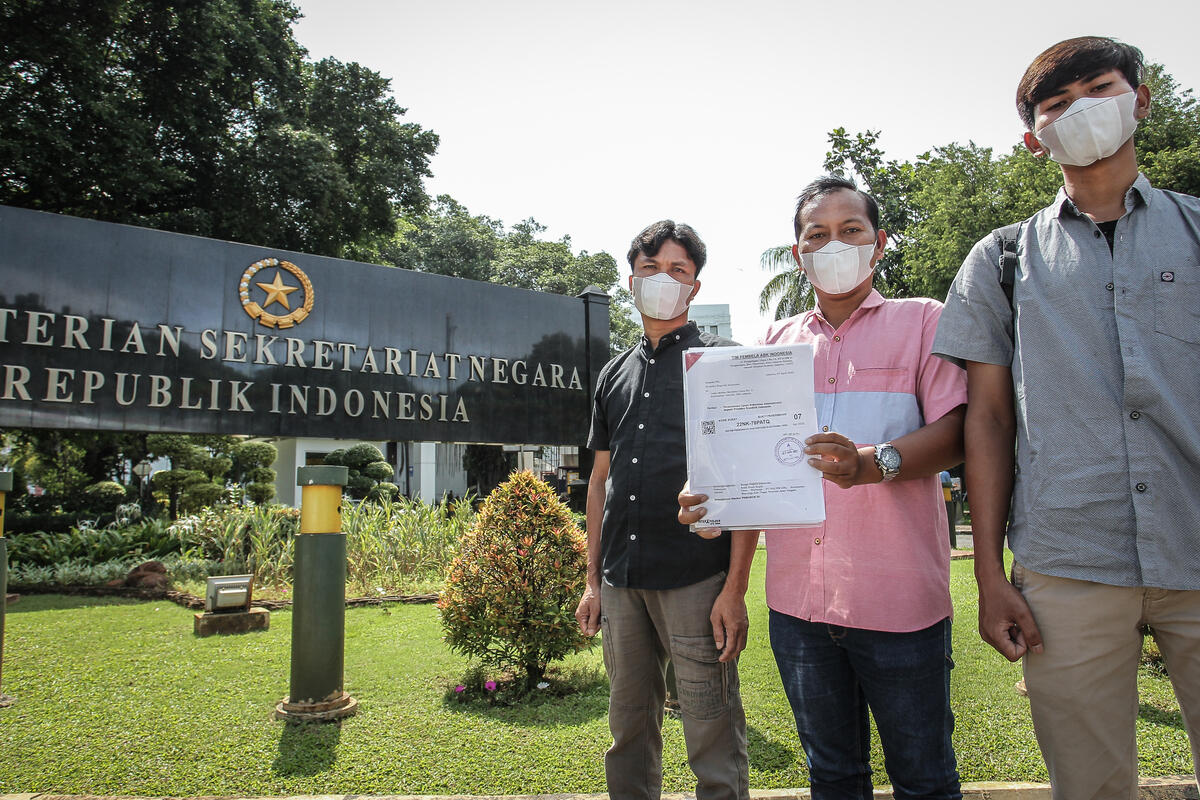
Indonesian migrant fishers declare victory in new regulation that ensures their protection and rights
Indonesian migrant fishers have welcomed the recently ratified regulation that ensures their rights, protection, and employment on board foreign fishing vessels - a significant milestone towards curbing illegal, unreported, and unregulated fishing and abuse within the industrial fishing industry.
-
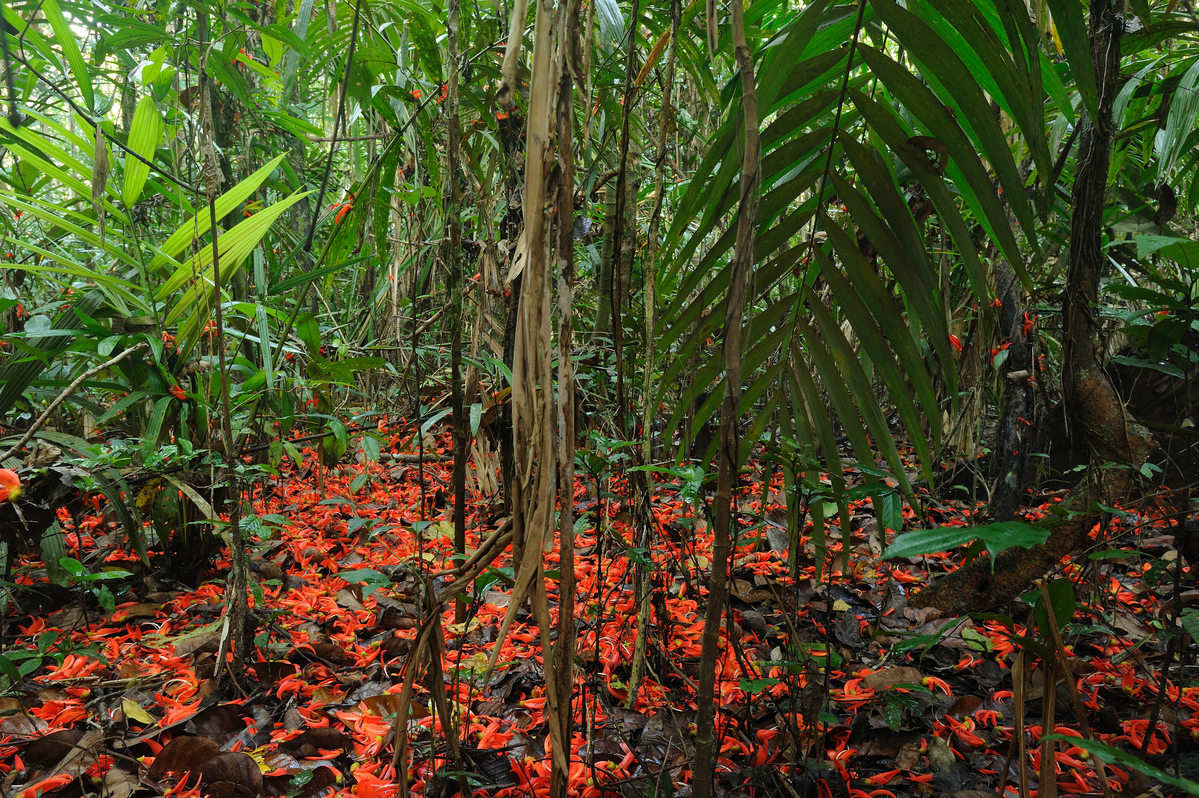
Desperate forest clearing, legal uncertainty follows bungled permit review
The Indonesian government’s half-hearted forestland permit review has created a perverse incentive for forest clearing by companies desperate to retain dormant land banks. Greenpeace is calling for the policy to be clarified, to ensure companies whose permits are listed for revocation are not allowed to undertake such panic clearing.
-
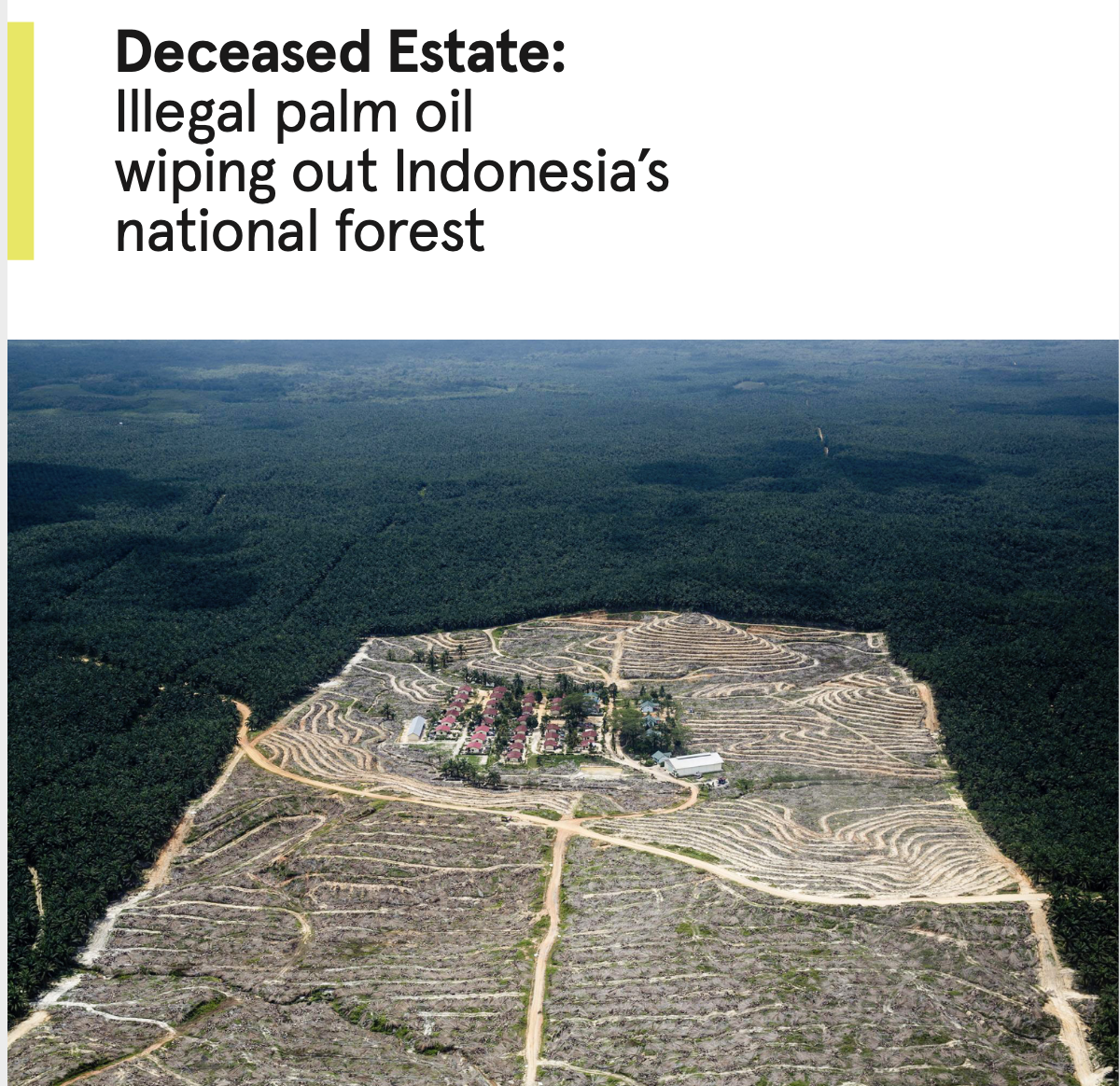
Deceased Estate: Illegal palm oil wiping out Indonesia’s national forest
Indonesia’s remaining forests are at the nexus of intersecting crises of dwindling biodiversity, climate change and Indigenous rights violations. Megadiverse and carbon rich, these forests are home to over 2,000 Indigenous communities for whom cultural identity and livelihood are bound up with the land.
-
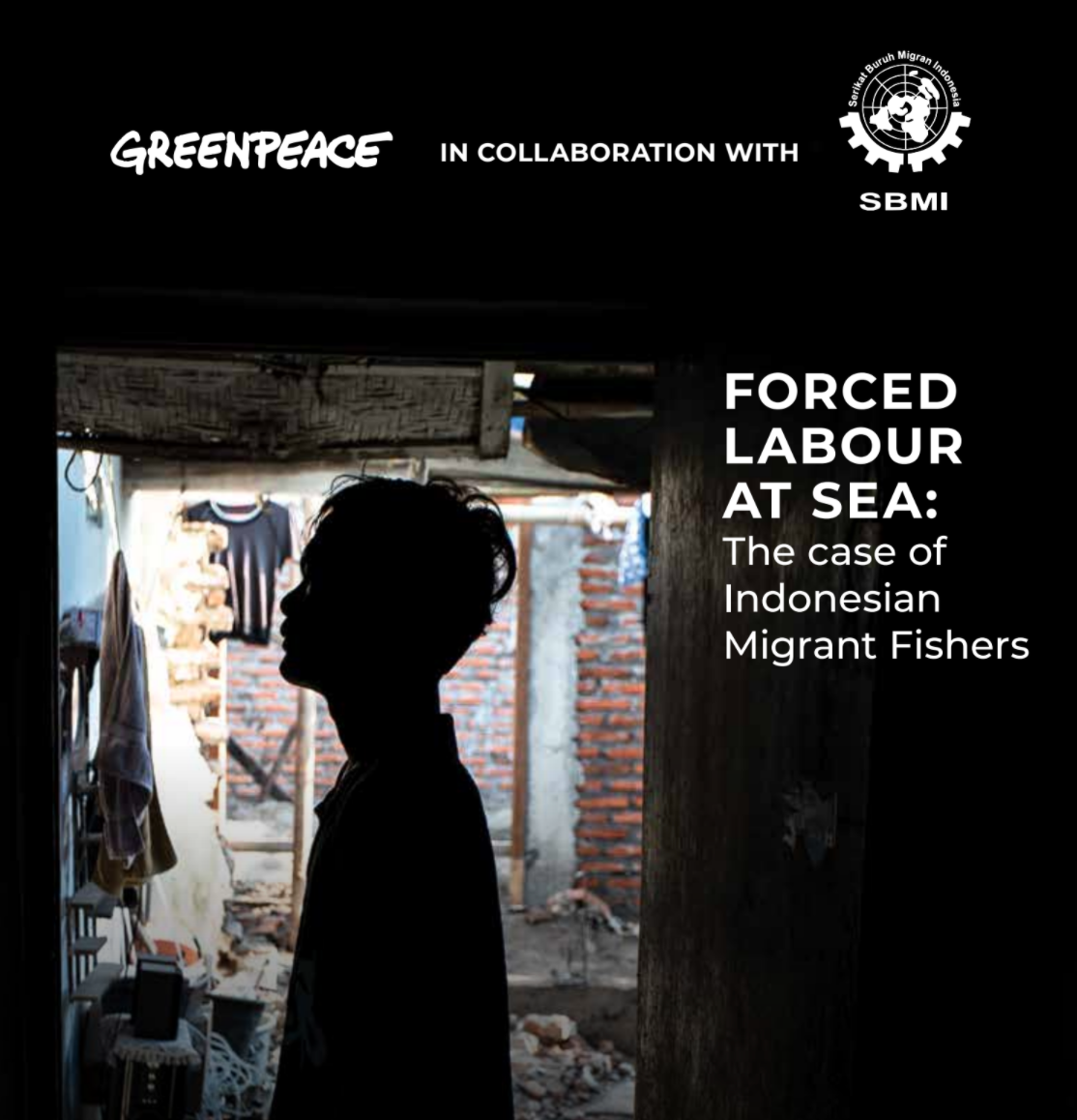
Forced Labour at Sea: The Case of Indonesian Migrant Fisher
In this report, a follow up to "Seabound: The Journey to Modern Slavery on the High Seas” (2019), Greenpeace Southeast Asia analysed complaints from Indonesian migrant fishers over a 13 month period between 2019 - 2020 to show how forced labour indicators have increased.
-
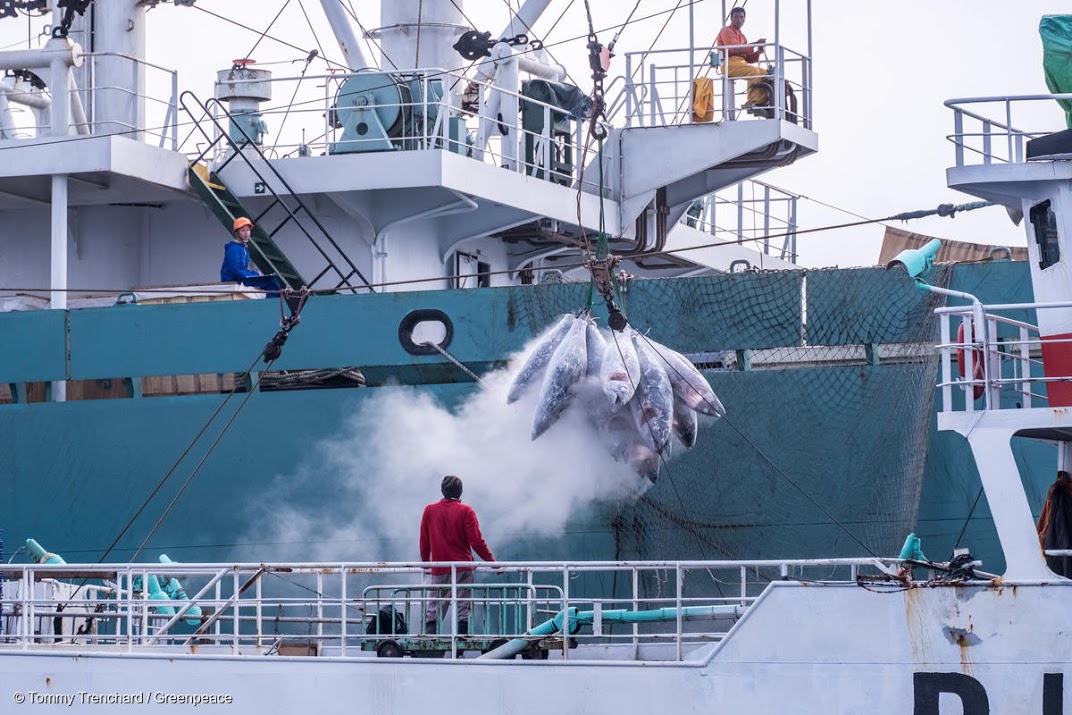
Withholding of wages tops forced labour allegations
“Forced Labour at Sea: The Case of Indonesian Migrant Fishers”, looked at complaints from Indonesian migrant fishers filed with SBMI from May 2019 to June 2020 (13 months) to highlight the patterns and types of forced labour accusations on distant water fishing fleets.
-

We cannot afford fish that costs lives
Small-scale fisheries and traditional and subsistence fisherfolk all around the world are proving that there is a better way to catch and distribute seafood. It’s past time we look to them and demand a better normal for the world’s fisheries.
-
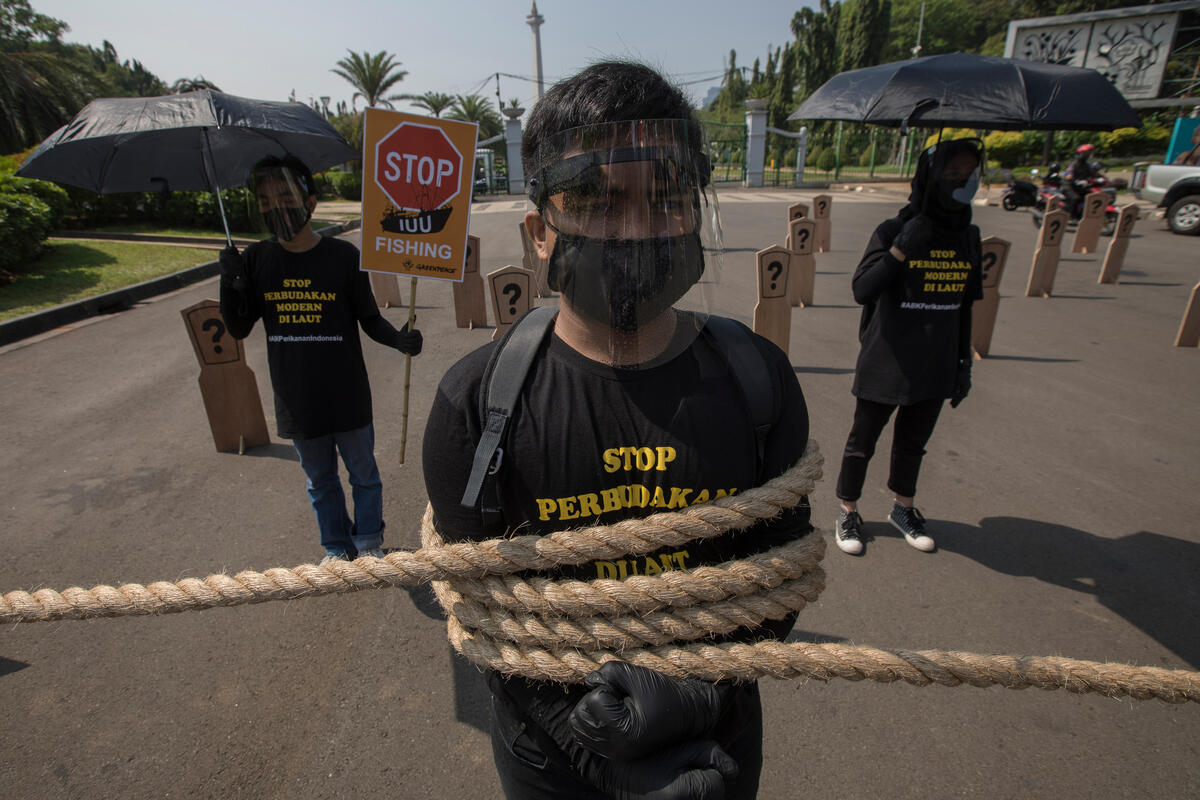
Why are Indonesian fishing crews dying?
With easy access to mobile technology, migrant fishers are able to document their mistreatment and often, evidence of illegal fishing and bycatch, such as shark finning. It’s led to an outpouring of attention and renewed focus on forced labour, human trafficking, and other forms of exploitation that have been commonplace on industrial fishing vessels for…
-
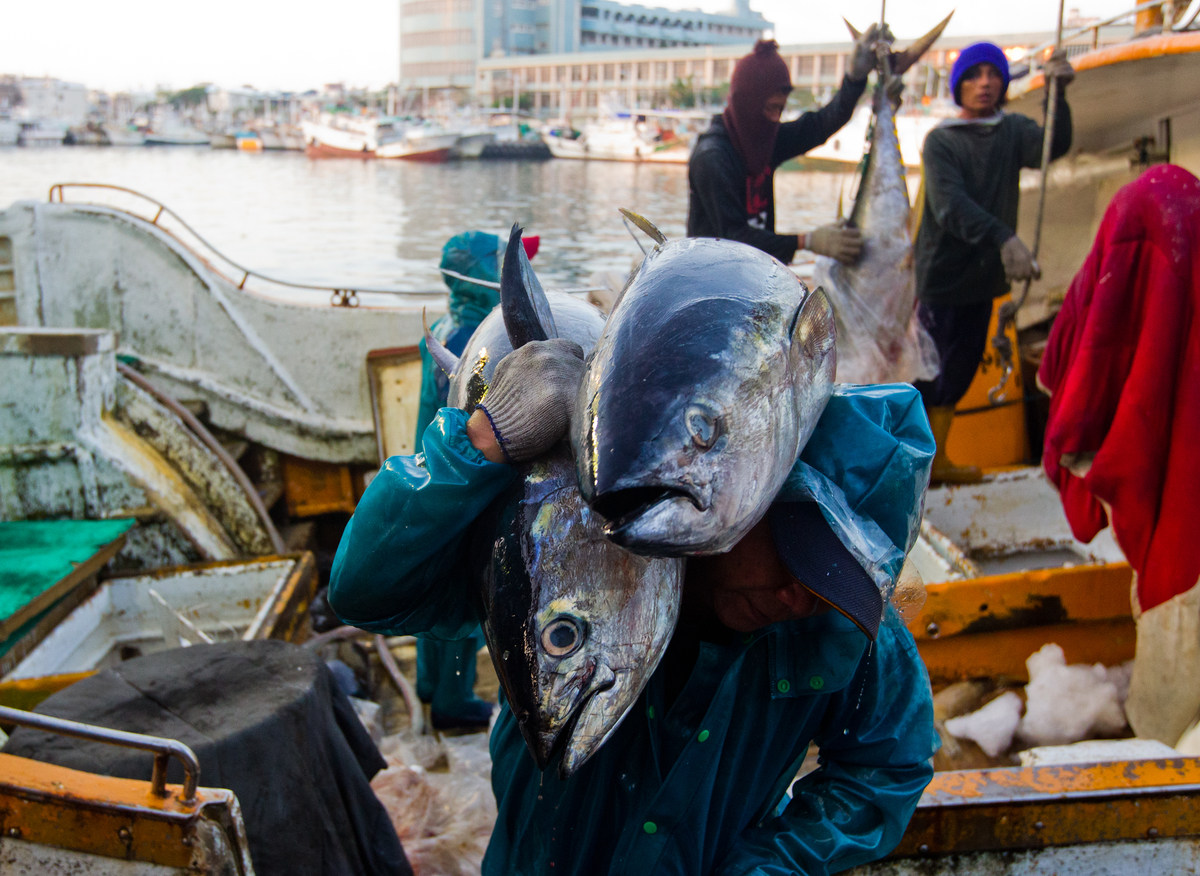
Greenpeace Southeast Asia on the latest case of Indonesian migrant fishers onboard Chinese fishing vessel Liao Yuan Yu 103, requesting immediate rescue by Indonesian authorities
In the past six years, Greenpeace Indonesia and Indonesian Migrant Workers Union (SBMI) have received 338 labor abuse complaints of Indonesian migrant fishers onboard foreign fishing vessels. It is important to note that this kind of case is recurring because of the lack of proactive and effective actions taken by Indonesian government in the last…
-
Ministry of Manpower’s failure to protect Indonesian migrant fishermen from human trafficking crimes
Jakarta, December 9, 2016 - Indonesian Migrant Workers Union (SBMI) and Greenpeace Indonesia today held a peaceful protest in front of the Ministry of Manpower office to urge improvement for placement policies and protection of migrant worker crews from Indonesia working on foreign fishing vessels outside the country. The protest was held one day before…