North America's Boreal forests are an ecological gem, a refuge of wilderness in a world where more than four-fifths of all intact forest landscapes have been lost or degraded. It stretches from Alaska to the Atlantic Ocean across an area of approximately 1.4 billion acres.
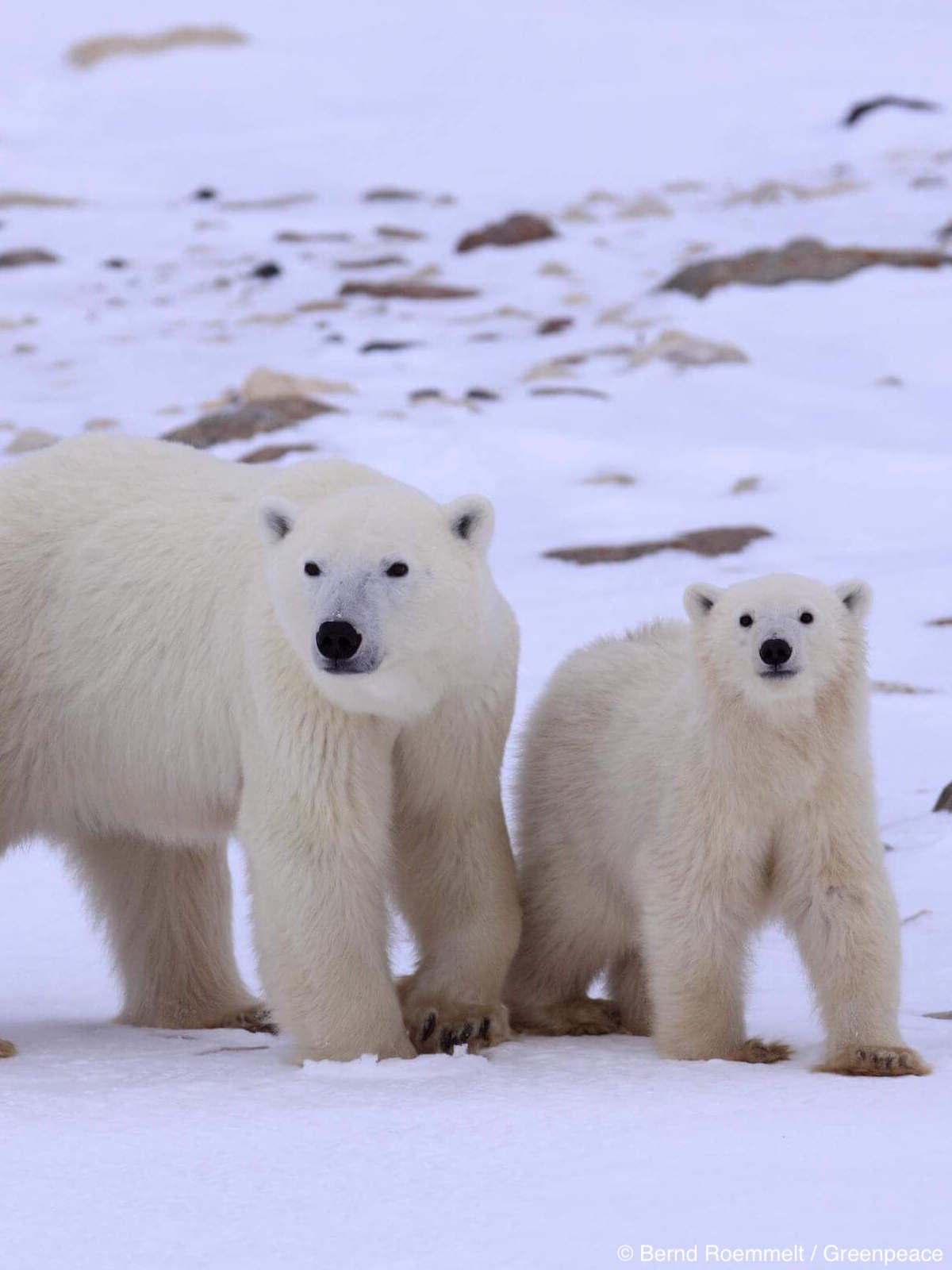
The Boreal forest is the largest tract of ancient forest left in North America and represents 25 percent of the world's remaining ancient forests. Like the Amazon, the Boreal forest is of critical importance to all living things. Its trees and peatlands comprise one of the world's largest "carbon reservoirs" - carbon is stored in the Boreal forest and not released into the atmosphere, thus helping stabilize the climate. As a vast and intact forest ecosystem, it supports a natural food web, complete with large carnivores like bears, wolves and lynx along with thousands of other species of plants, mammals, birds and insects. With its wetlands filtering millions of gallons of water each day, the Boreal forest contains 80 percent of the Earth's unfrozen freshwater.
The Boreal forest also contains a rich cultural legacy and is a source of sustenance for Indigenous Peoples of Canada - First Nations and Métis. Close to 80 percent of Canada's one million-plus aboriginal people live in hundreds of communities in Canada's Boreal forest. Many of these Indigenous Peoples depend on wilderness lands, waters, and wildlife for their livelihood and spiritual well-being.
A Logger's Paradise
Despite its global significance, North America's Boreal forests are in great danger today. More than 45 percent of the Boreal forest has been allocated to logging companies and less than eight pecent of the Boreal forest is protected. Approximately 1.6 million acres of Boreal forest are logged each year with 90 percent being clearcut. Individual clearcuts sometimes extend over 25,000 acres. Ninety percent of logging in Canada occurs within primary and old growth forests - forests of high biodiversity and wilderness value.
Flushed Down the Toilet
North America's Boreal forests are being clearcut to create building materials and consumer products like toilet paper, office paper, books, and catalogues. Greenpeace estimates that about 600,000 to 700,000 tons of tissue products are consumed in Canada each year. The United States is the destination for approximately 80 percent of these Canadian boreal products. Canada exports 300,000 tons of tissue products to the United States each year.
We believe that it is simply wrong that one-time use products, disposable products, are being produced out of ancient forests. The Boreal forest is literally being flushed down the toilet every day by millions of consumers across Canada and the United States.