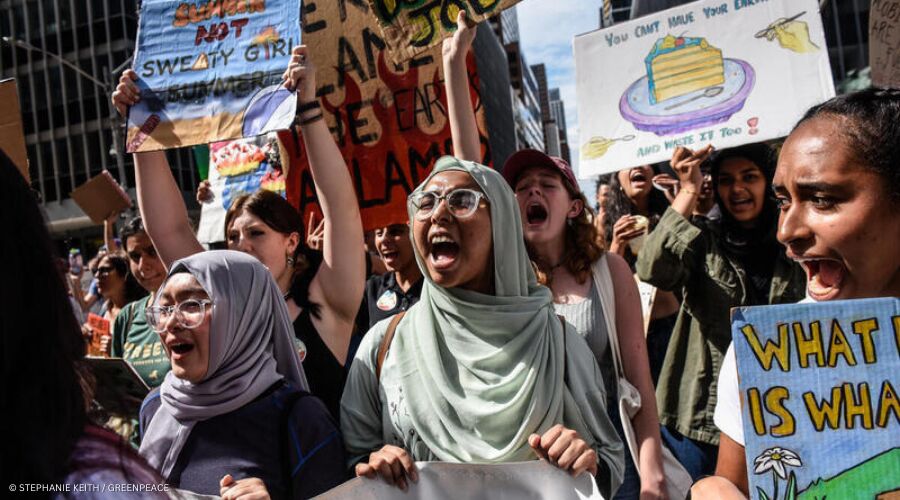
Stopping Global Warming

Climate change didn't happen on its own.

Our global extraction, transport and use of fossil fuels causes global warming and climate change, sickens thousands of Americans and poisons our air and water.

But a brighter future is possible. Over the next three years, Greenpeace will:

1. Join local communities to shut down dangerous, dirty coal plants all across the United States, and support them in a transition to a renewable future. Read More.

2. Advocate for strong laws to curb global warming and put America on a path to clean energy.

3. Expose climate deniers, like the Koch Brothers, and hold them publicly accountable for providing millions of dollars to lobby against climate and clean energy policies.

4. Kick-start an Energy Revolution by advocating for clean-energy solutions like solar and wind power.

take action

Research has shown that with current technology, renewable energy sources like wind, solar, and geo-thermal can provide almost all of our primary energy demand.

Join the movement to get coal out of the way of clean energy, and give our elected officials the courage they need to protect our health and environment.


The Science

Climate change is a reality. Today, our world is hotter than it has been in two thousand years, and we are experiencing faster sea level rise and more extreme weather than scientists had previously predicted. By the end of the century, if current trends continue, the global temperature will likely climb higher than at any time in the past two million years.

Read more.

The Problem

It’s not hard to see the result of our reliance on fossil fuels. The full impact of the BP Deepwater Horizon disaster may take a generation to reveal itself, but already hundreds of species of marine life have been affected, as have the communities that rely on the Gulf. Around the country, communities face devastating levels of water and air pollution as a result of coal burning power plants, which produce millions of tons of toxic sludge and smoke each year.

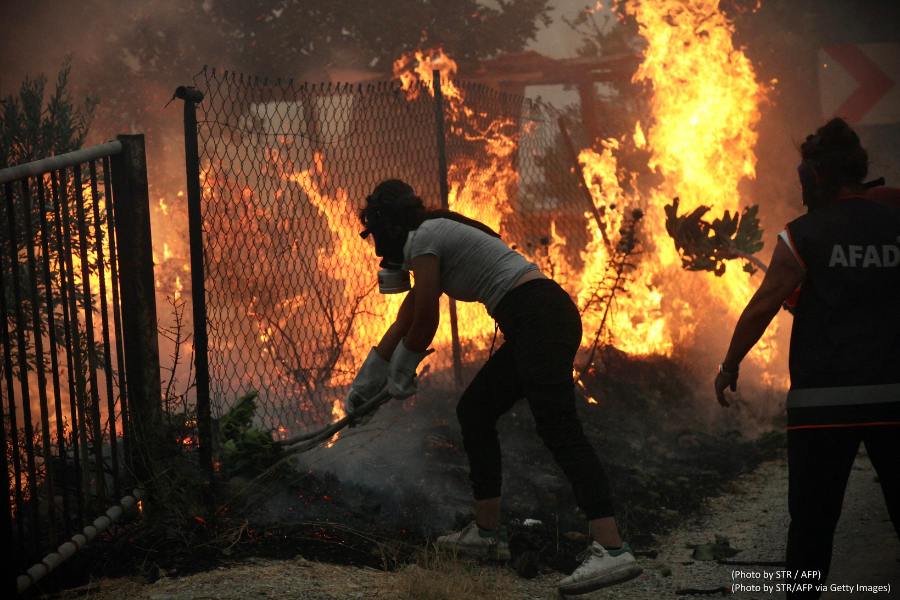
Fossil fuels also account for more than 80 percent of US global warming pollution. Global warming, if unchecked, threatens to fundamentally change the planet that has sustained our civilization. In the US, we’re already seeing some of the effects—wildfires tearing through western states, devastating floods in the southeast, and historic droughts in the midwest. Read more.

The Solutions

With current technology, renewable energy sources like wind, solar, and geothermal can provide 96% of our electricity and 98% of our total heating demand — accounting for almost all of our primary energy demand.

Investing in renewables could jumpstart our flagging economy, creating millions of jobs that can’t be shipped overseas. It could put the US back at the forefront of the 21st century economy, in front of China, which in 2009 became the largest global investor in renewables. Read more.

The Roadblocks

In addition to advocating for solutions to global warming and climate change, we are doing our part to call out the work being done — often secretively — to block climate regulations and policies that would kickstart the clean energy revolution.

Below are a few of the projects and resources we've created to try and remove roadblocks to progress on stopping global warming. Read more.

International Campaigns

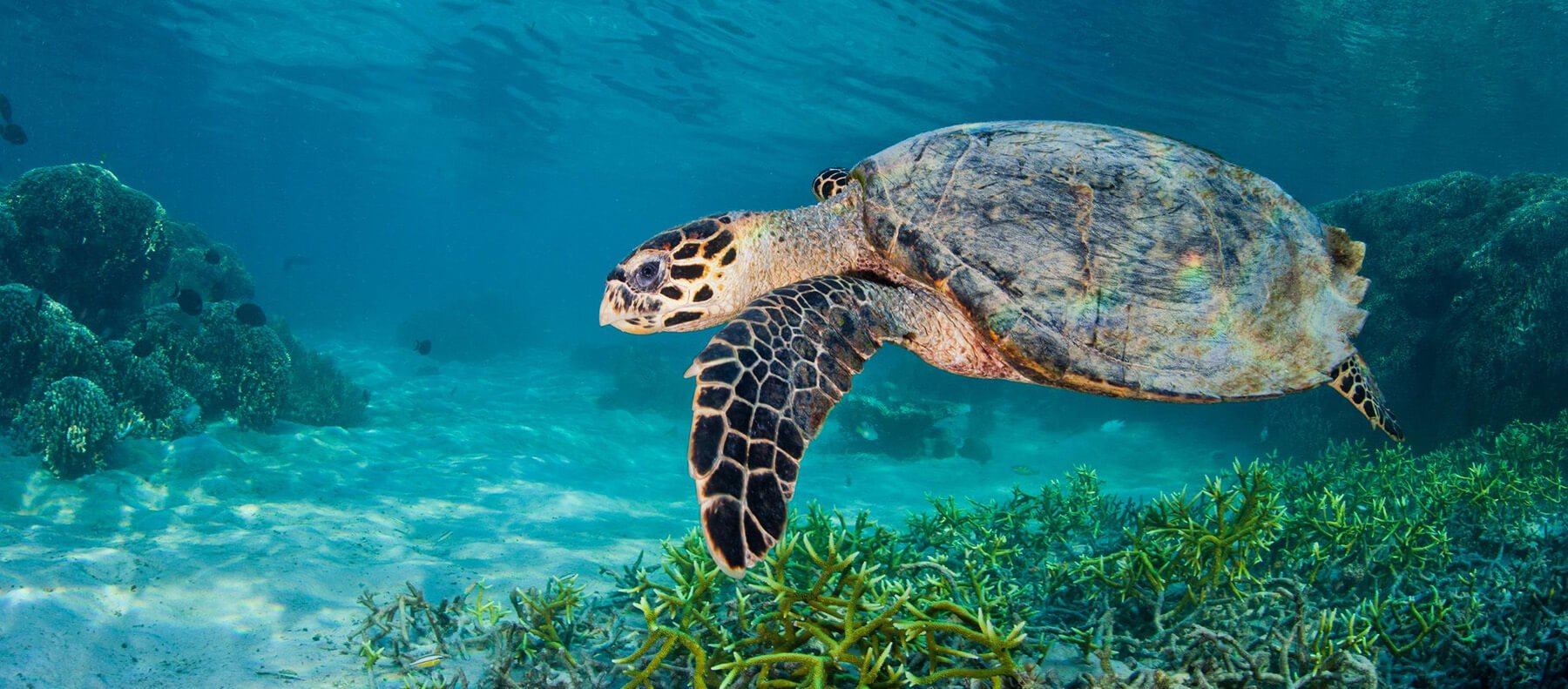
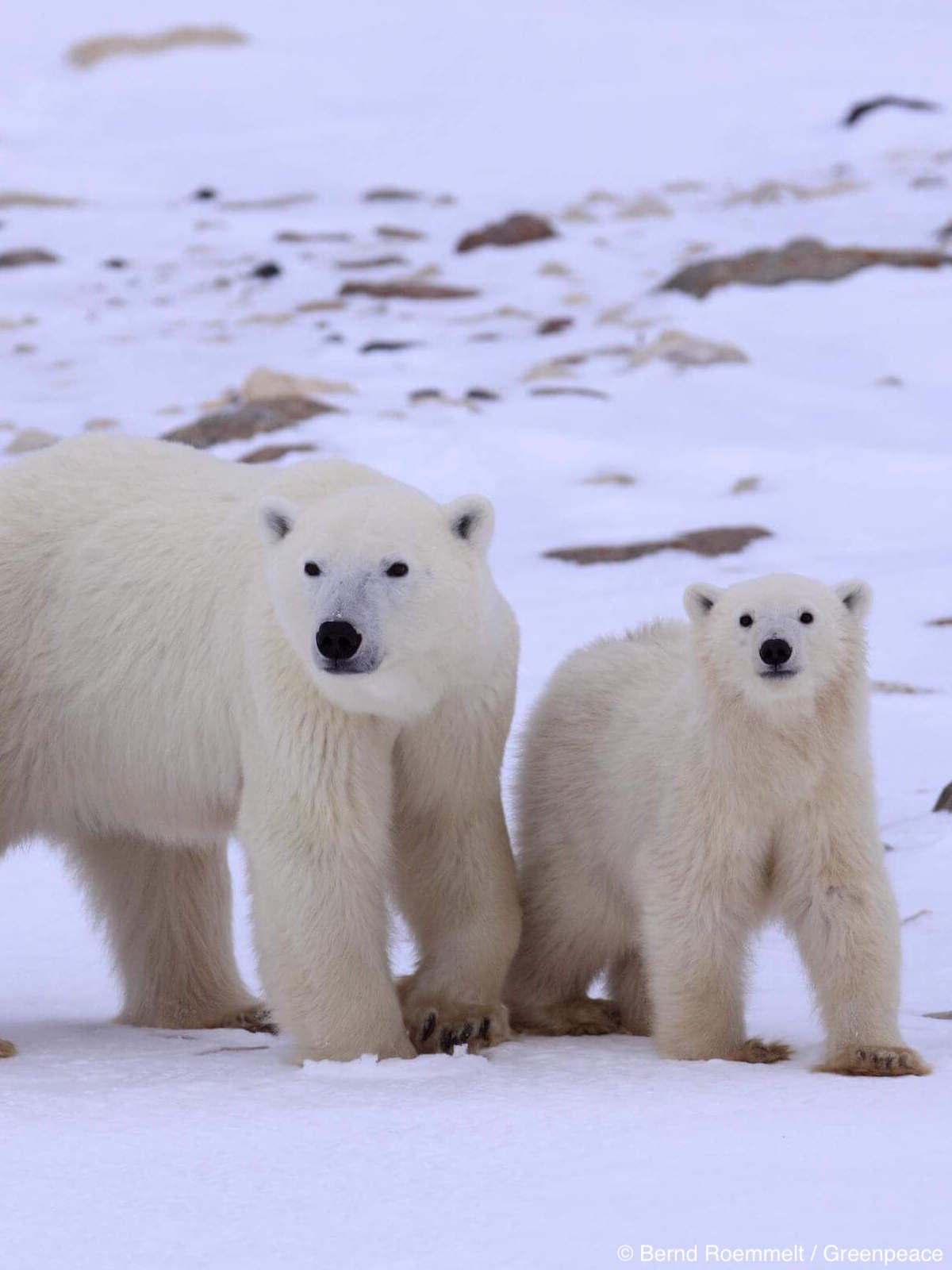
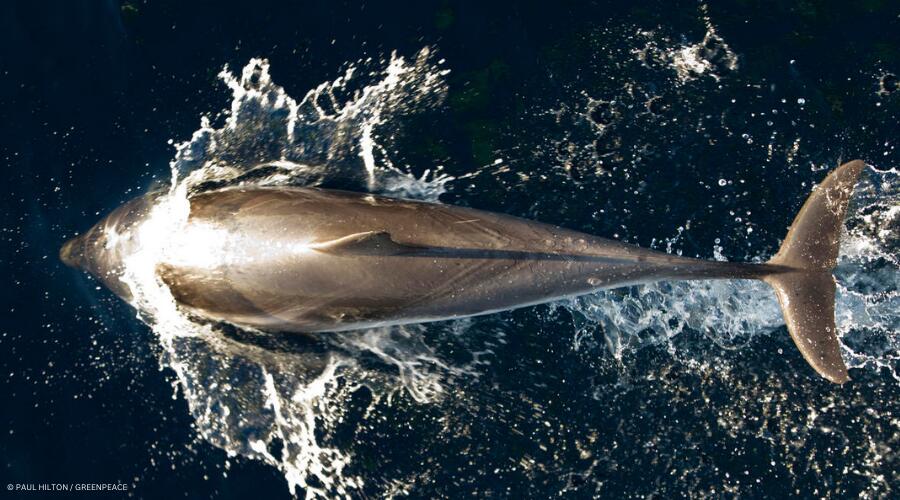
Climate change and global warming are a priority issue for us here at Greenpeace. We realized years ago that it has the potential to wipe out most of the gains the environmental movement has made in other areas. Disruptions to ecosystems will likely harm everything from minke whales to coral reefs to polar bears. Whole forests will be lost, and hundreds of thousands of species will become extinct. Read more.

Resources and Reports

A breakdown of Global Warming and Energy related reports, publications, images and news. Read more.

The latest updates


Fisk and Crawford: Stop Making Chicago Sick

Video | May 24, 2011 at 11:48

Greenpeace activists climbed the 450 foot smokestack at the Fisk power plant in Chicago. From the stack, they are demanding that the operators shut down the dirty, dangerous Fisk and Crawford coal plants.

The BP Oil Spill: One Year Later

Video | April 18, 2011 at 10:45

The Deepwater Horizon disaster on April 20, 2010, in the Gulf of Mexico was the worst environmental disaster in the history of our continent.

Coal in LA

Video | April 11, 2011 at 13:07

Coal pays a visit to Los Angeles to remind local residents how "great" he is - and that he still provides 39% of all the energy to the city. But perhaps LA is not as welcoming as he had hoped.

22 - 24 of 116 results.