Bering Witness

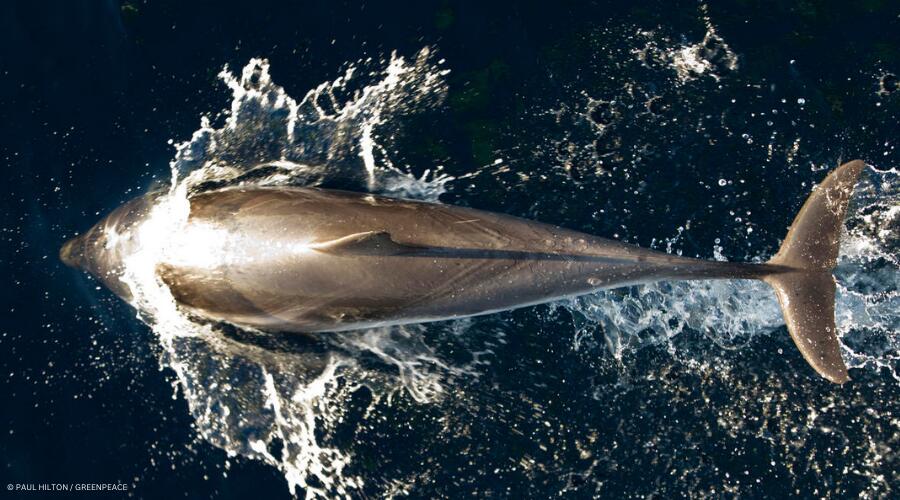
Spanning more than 770,000 square miles between western Alaska and Russia's Siberian coast, the Bering Sea is one of the most important and productive marine ecosystems in the world. It is home to some of the largest and deepest sea canyons in the world—notably the stunning Zhemchug Canyon, which is wider and deeper than the Grand Canyon—as well as a remarkable number of migratory sea birds, seals, and whales.  

This ecosystem has given rise to the native Alaskan communities throughout the region, some of which date back 10,000 years.  The Alaska natives have fished these waters for generations, subsisting on the Alaska pollock that has thrived in the Bering Sea for thousands of years.

Tragically, the Bering Sea ecosystem and its communities are in peril.

The magnificent canyons, which provide the foundation for all of the life in and around the sea, are in danger of being destroyed.  Destructive fishing practices are decimating these critical deep-water habitats and destroying the ancient corals and sponges that are integral to life there.

Trawling, one of the most destructive forms of fishing, is capable of wiping out huge swathes of coral and sponges in a single pass.  Not only that, but fish-eating predators such as Steller sea lions, sea birds, and northern fur seals are on the decline because populations of the Alaska pollock they rely on have been reduced by more than 60%.

The pollock and other foods native communities depend on for survival are becoming harder to find.  This lack of food security is devastating to traditional tribal life and threatens to undermine centuries of tribal culture.

But it's not too late for the Bering Sea. We can protect this ecosystem for future generations through the creation of fully protected marine reserves and bans on the most destructive fishing.

Where is the Bering Sea?


Bering Witness TV:

Topics