Page - September 21, 2007
- Commonly known in Hawaiian as the ahi
Ways to identify this species:
Yellowfin tuna are named for their bright yellow finlets, and dorsal and anal fins. This large tuna species can be black, dark blue or greenish on top with a yellow or silver belly.
Biology
- Yellowfin tuna can be found in all tropical and subtropical seas except the Mediterranean. They migrate long distances throughout the year.
- Yellowfin tuna usually measure about 6.8 feet in length and weigh up to 440 pounds.
- This species forages and feeds on crabs, squid, octopus, shrimp, lobster, and various species of fish. They prey using their sight and compete with many other large fish for food.
- Spawning occurs throughout the year with the peak during summer months. After mating, eggs are released into the water and fertilized externally.
- Yellowfin tuna are very fast swimmers and can reach speeds of 50 mph by folding their fins into special indentations.
- Yellowfin are strong schoolers, often swimming in mixed schools of similar sized species. In the eastern Pacific Ocean, larger yellowfin are often found schooling with dolphins.
- Yellowfin tuna usually live for 8 years.
Threats
- Yellowfin have some natural predators including sharks and large bony fish.
- The most serious threat to yellowfin tuna is the commercial fishery. This species is a popular target and the mode of catch (purse seine) can capture huge schools at a time. In the U.S., yellowfin tuna is one of the primary fish for canned consumption.
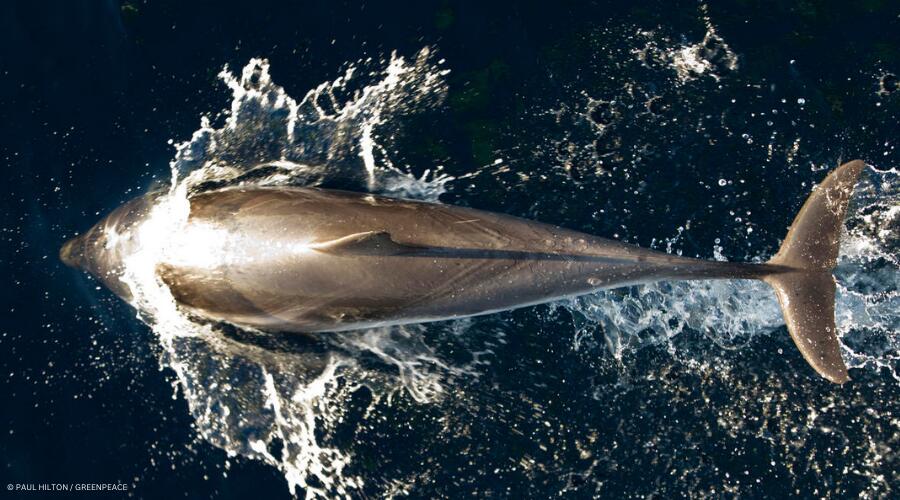
- The tuna fishery has long been controversial for its high rates of dolphin bycatch; however, regulation has improved adverse impacts to dolphins.
- Yellowfin are also sport-fished in southern California, Baja, Mexico, Hawaii, and along the southeastern U.S. including the Gulf of Mexico.