The Amazon is a global treasure, and is often called, "the lungs
of the planet." It is home to the greatest variety of life on
Earth. For decades, deforestation has plagued the Amazon, and now
global warming is delivering another lethal blow. The Amazon is
experiencing the worst drought in more than 40 years, and experts
believe that global warming and massive deforestation are to
blame.
An average 5,800 square miles of the Amazon rainforest - the
size of the state of Connecticut - is clearcut or burned every
year, but a new
satellite study has revealed the damage is far worse than once
believed. That's because satellite imagery is able to reveal the
impact of selective logging, where valuable trees such as mahogany
are illegally harvested within otherwise pristine forest. According
to the study, selective logging has doubled the rate of
deforestation within the Amazon.
But this troubling discovery is not the only disturbing news for
the Amazon. The drought threatens the long-term survival of the
rainforest.
The Amazon River, the largest river in the Western hemisphere,
is being reduced to a trickle in places, grinding the entire region
to a halt. The people of the Amazon rely on the river and its many
tributaries for everything from food to transportation. Massive
fish kills now line what used to be river banks, and area residents
are driving cars down dried river beds.
The Amazon basin is home to more than
2,500 species of fish, more than the entire Atlantic Ocean.
Today, many of those fish are drying in river beds, the future of
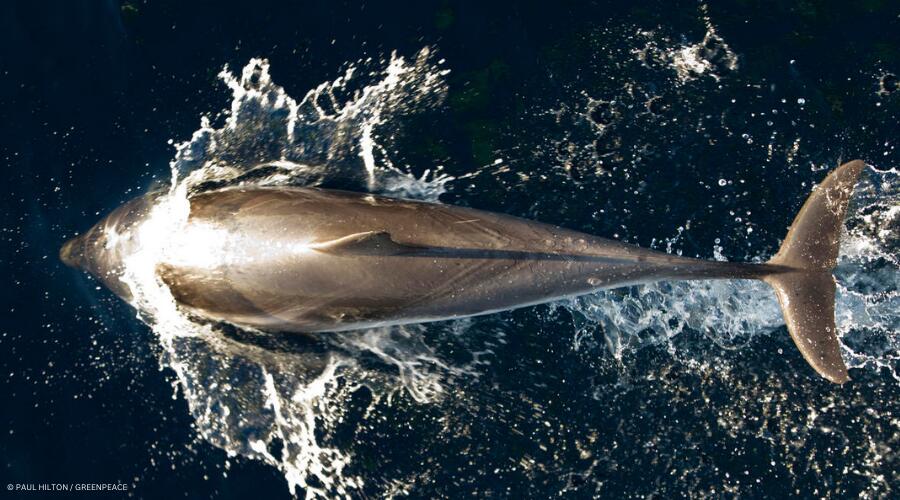
their species unknown. Already, manatees and river dolphins have
been killed, and the situation threatens to worsen.
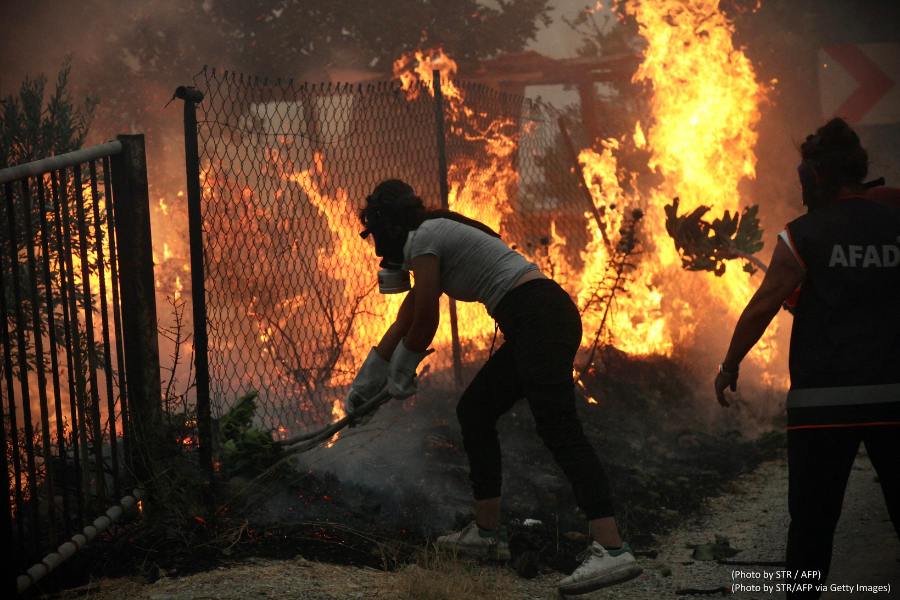
The rainforest, already devasted by last year's heavy logging -
the second highest on record - is now subjected to wildfires. The
rains that ordinarily create this lush landscape have evaporated,
and along with them, the chances of survival for this biological
wonderland. If the situation is prolonged, the forest may give way
to savannah in a rapid change of the environment.
According to Kert Davies, Greenpeace Research Director, "Adding
insult to injury, the bare ground heats up in the tropical sun and
creates more hot dry air, amplifying the drought. Once a drought
like this gets going, it's hard to snap out of it, its roots grow
deeper and deeper."
In a devastating cycle, if the rainforest turns to desert, the
impacts of global warming will only intensify. Rather than creating
20% of the world's oxygen, the remnants of the forest would
actually contribute to the release of carbon dioxide that is
causing global warming. In fact, billions of tons
of carbon is stored in the Amazon, and if it is released into
the atmosphere, it would cause more global warming pollution than
all of the world's industries combined.
This year has seen terrible new evidence of global warming, from
strengthened hurricanes to arctic melting. The Amazon drought is
only the latest disturbing impact in a growing trend. What more
will it take for Bush to recognize the signs and take action?