Greenpeace Comments on New Reactors without Containment Domes

Comments Before the Advisory Committee on Reactor Safeguards on the U.S. Nuclear Regulatory Commission's Technology Neutral Framework for Future Plant Licensing

Feature story - October 8, 2004
Three years ago, nineteen suicidal terrorists hijacked four airliners and flew three of them into the twin towers at the World Trade Center and the Pentagon. In the wake of these horrific attacks, the propagandists in the nuclear industry and this agency repeatedly claimed that nuclear plants were not at risk due to the containment domes that surrounded their nuclear reactors. Over the last three years both the NRC and the nuclear industry have had to temper their praise for these containments.

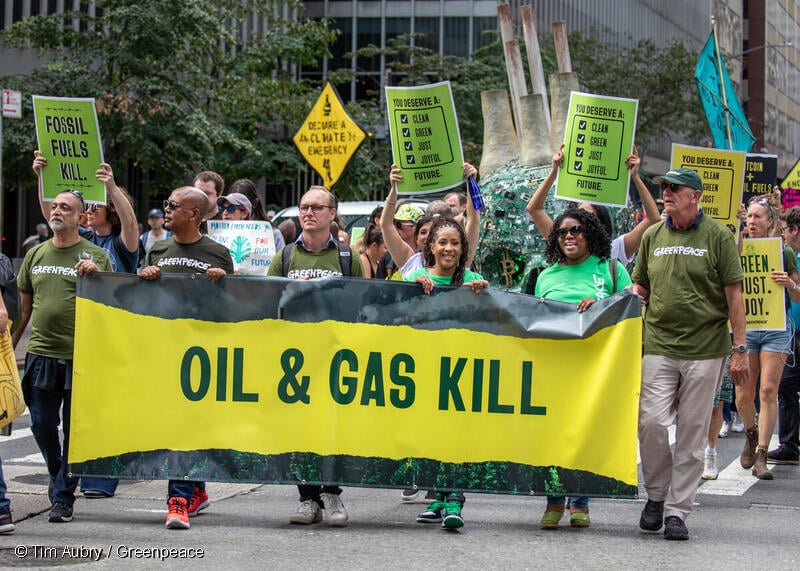
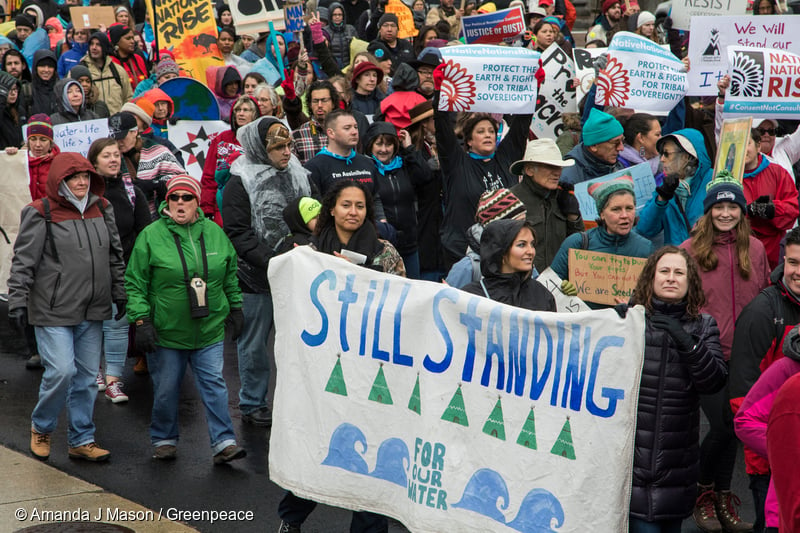
Greenpeace demonstration against nuclear power.

The NRC has had to back off its original claims in the wake of 9-11 and acknowledge that 96 percent of the reactors in the U.S. were not designed to withstand an airliner attack. (Associated Press, NRC: Nuclear power plants not protected against air crashes, March 29, 2002.)

While Sandia Labs indicated in the New York Times that the nuclear industry had misused their study in an effort to claim reactors were invulnerable to terrorist attack. When asked whether the study the industry was citing showed that a plane could not penetrate a containment dome the Sandia spokesperson stated that, "We have been trying like heck to shoot down this rumor… (t)hat test was designed to measure the impact force of a fighter jet. But the wall was not being tested. No structure was being tested." (Wald, Matthew, Reactor Vulnerability: Experts Say Nuclear Plants Can Survive Jet Liner Crash, New York Times, September 20, 2002.)

Despite the propaganda and the lack of veracity in the claims made by the NRC and the nuclear industry, the public still value containment. Although imperfect and flawed these containments are our last line of defense. To listen to the NRC Staff's plans to allow new reactor designs to be constructed that lack this last line of defense, I have to wonder weather these nuclear bureaucrats have slept through the last three years. How in good conscience can the NRC staff state they are protecting the public heath and safety while paving the way for the licensure of these advanced reactor designs that lack the very containment domes this agency was lauding after 9-11?

According to the NRC Staff the new framework will address risks from reactor full power operation, risks from low power operation and shut down risks as well as the risks from spent fuel storage. NRC Staff claims that the new framework includes the risk from both internal and external events and their list includes risks associated with earthquakes, fires, floods, high winds and tornadoes.

What is missing from this list of external events? What about terrorism?

To sit through the NRC staff's workshop on this new framework you'd have thought 9-11 never occurred? Willfully ignoring the new reality in which this agency and industry operates is a recipe for disaster. The NRC staff contends that "ultimately it is envisioned that the new regulatory framework will address safeguards and security however, the initial focus is on protection of public and worker health and safety and also provides for protection of the environment."

Ultimately? When the hell is ultimately? Its three years since 9-11 and the NRC bureaucrats still have not woken up to the new reality! Your reactors are no longer just critical infrastructure, they are pre-positioned weapons of mass destruction that terrorists would use to harm this country. How can NRC staff say this framework addresses public health and safety while ignoring or postponing consideration of the terrorist threat?

Even prior to the attacks of September 11th, the ACRS stated that the lack of containment on many of these advanced designs constitutes "a major safety trade-off." (U.S. Nuclear Regulatory Commission, Advisory Committee on Reactor Safeguards, Report on Key Licensing Issues Associated with DOE Sponsored Reactor Designs, July 20, 1988, p. 3 - 4.) The ACRS did not buy into the argument that these new reactors could abandon conventional containment. Regardless, the NRC staff is back asking the ACRS to once again to ignore the safety flaws in these designs and accept a licensing framework that would abandon containment. Does anyone other than NRC and NEI think this is a good idea?

The ACRS wasn't alone in its concern over these new designs. Even NRC Commissioners recognized that abandoning containment structures and the regulatory philosophy of defense in depth was a bad idea. Former NRC Commissioner Forrest J. Remick stated in a presentation at MIT on the Factors Affecting the Next Generation of Nuclear Power that "without containment or other mitigating features, I believe they (DOE sponsored reactor designs) will face considerable public opposition." He went on to voice his concern that "efforts to reduce cost may be causing designers to forget lessons learned." (U.S. Nuclear Regulatory Commission, Forest J. Remick, Factors Affecting the Next Generation of Nuclear Power, Massachusetts Institute of Technology,

Cambridge, MA, October 4, 1990, p. 18.)

I'm here today before this Committee because I believe the ACRS is the last line of defense the public has against the blind and biased bureaucrats in the NRC that would ignore the new reality of a Post 9-11 world.

Do not allow the Nuclear Regulatory Commission to bow to industry pressure and accept these inadequate designs to merely to help promote the illusion of a nuclear renaissance.

Reject this framework that would allow NRC to abandon the defense in depth that containments provide and send the NRC and its staff a message that security must be addressed before they certify and license any new design.

Building nuclear reactors without containment domes was a bad idea before the attacks of September 11th. Nuclear reactors are dangerous enough when trained professionals are attempting to operate them with out incident, accident or atomic catastrophe. Now that terrorists are targeting U.S. nuclear power plants we should not abandon the defense in depth that conventional containments provide.

Topics