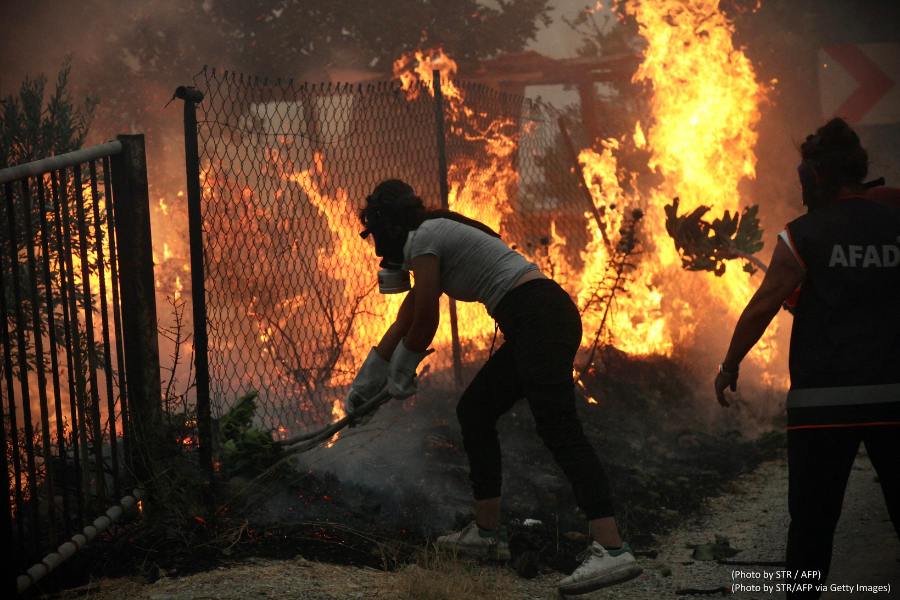
Because of its majority chlorine content, when PVC burns in
fires two extremely hazardous substances, hydrogen chloride gas and
dioxin are formed which present both acute and chronic health
hazards to building occupants, fire fighters and surrounding
communities. In addition, when PVC burns, some 100 different toxic
compounds are produced.
Pyramid of Plastics
The ranking on the pyramid focuses on the
toxic characteristics of the potential alternative materials. It
provides a qualitative ranking based on environmental and health
problems of PVC, addressing the production, additives, product
emissions during use, disposal and recycling. It does not include
raw materials and energy inputs and therefore does not address all
criteria of a life cycle analysis. The pyramid provides guidance
for interim steps on the route to clean production. Keep in mind,
no petroleum-based plastic is sustainable as we move to a materials
economy based on appropriateness, renewability and efficiency.
|
- Polyvinyl chloride (PVC) and other halogenated plastics
- Polyurethane (PU), Polystyrene (PS),
Acrylonitrile-butadiene-styrene (ABS), Polycarbonate (PC)
- Polyethylene-terephthalate (PET)
- Polyolefins (PE,PP,etc.)
- Bio-based plastics
|
|
The natural fire retardancy of PVC is a double-edged sword in that
building materials may smolder for long periods of time giving off
hydrogen chloride gas long before visible signs of fire appear.
Hydrogen chloride gas, is a corrosive, highly toxic gas that can
cause skin burns and severe long-term respiratory damage.
Produced unintentionally during PVC fires, dioxin is one of the
most toxic substances known, and has been found to cause cancer and
reproductive disorders. PVC fires produce hundreds to thousands
times more dioxin than other common materials including wood or
other plastics. As dioxin persists in soil for long periods of
time, a single fire can lead to long lasting health impacts. A
large PVC fire in Hamilton, Ontario in 1997 was a major burden for
that town. Not only will the damage to equipment and buildings, the
follow-up health studies, and the clean up cost millions of
taxpayer dollars, the contamination could persist for decades.
In addition to fire hazards materials made from PVC bring other
potential hazards. For instance, PVC products such as vinyl
flooring can release chemical softeners called phthalates. PVC
flooring has been associated with increases in respiratory
sensitization (asthma). Lead additives in PVC mini-blinds were
found to cause lead poisoning in some children. Plumbers have also
complained about toxic glues used to fit PVC pipes, while some
studies suggest that toxic chemicals can leach out of PVC
pipes.
Architects, building contractors, and consumers also need to be
aware of the environmental and health impacts caused by the
production and disposal of materials they use. The production of
PVC and its feedstocks, vinyl chloride monomer and ethylene
dichloride results in the release of hundreds of thousands of
pounds of toxic chemicals into the environment each year, mainly in
poor, communities of color in the Louisiana and Texas. PVC
production is also a large source of dioxin into the environment.
See the Greenpeace PVC factsheet for more information.
Finally, when incinerated, PVC produces dioxin. In fact, PVC is
the largest source of chlorine (needed for dioxin production) in
municipal waste incinerators. While the PVC industry applauds its
efforts to recycle PVC materials, the industry has the poorest
recycling record of all plastics. Less than 1% of post-consumer PVC
is recycled in the U.S. Recently, the Association of [Post
consumer] [PLASTIC] Recyclers (APR) stated its position on PVC,
"We're going to view this material as a contaminant, and you sure
won't find PVC packaging listed as a recycled plastic in APR's
revised design guidelines."
Environmental Building News wrote in its January,
1998 issue that "while Greenpeace has been most vocal regarding
environmental and health concerns with PVC (vinyl), they are by no
means the only voice out there expressing such concerns. There is
widespread concern within the environmental and toxicology
communities, not only about PVC and the products associated with
its manufacture and disposal, but also about chemicals that are
added to PVC to give it specific properties for building product
applications. The plasticizer DEHP, for example, has been the focus
of recent concern. "we stand by our concerns about PVC-based
building products for both environmental and health reasons."--ebn,
January 1998, page 3.]
Given the well-established health and environmental hazards
associated with the PVC lifecycle and the availability of safer and
more environmentally friendly substitutes, many of which are both
cost and performance competitive, common sense dictates the need to
identify and use alternative materials. In fact, the position of
the International Association of Firefighters, which represents
fire fighters in the U.S. and Canada is: "Due to its intrinsic
hazards, we support efforts to identify and use alternative
building materials that do not pose as much risk as PVC to fire
fighters, building occupants or communities."
By providing this information Greenpeace does not necessarily
imply one product or manufacturer is better than another. It is the
responsibility of the buyer to study the alternatives and make
their own educated choices regarding alternatives to PVC
For assistance looking for healthier
and more environmentally-friendly choices, check out our international database on
construction material alternatives to PVC.