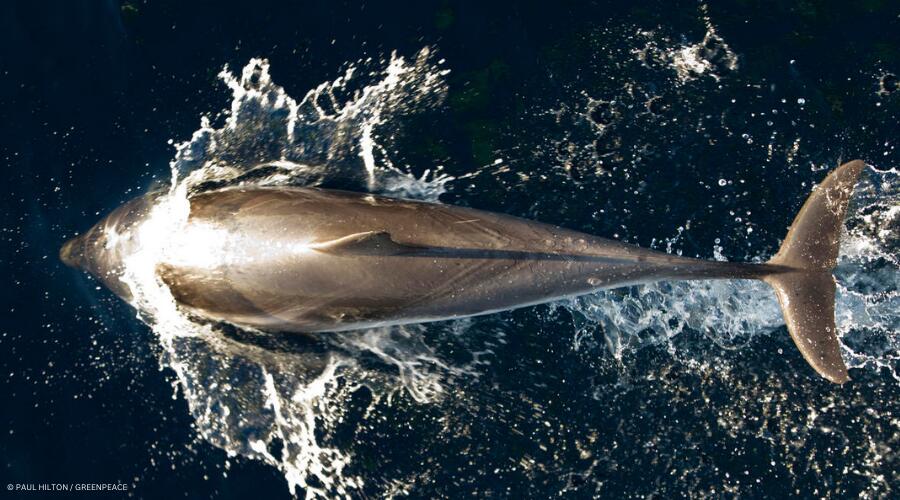
Dugong - a relative of the manatee.
On Saturday, March 12 the Rainbow Warrior joined a
flotilla of local fishing boats, kayaks and a 30-foot floating
dugong sculpture. We called on the Japanese and U.S. governments to
cancel the airbase construction project, which will be devastating
to Okinawa's few remaining dugongs. Local activists have been
protesting the construction project for more than 300 days. Please
help us stop the project before it starts.
Take Action!
 |
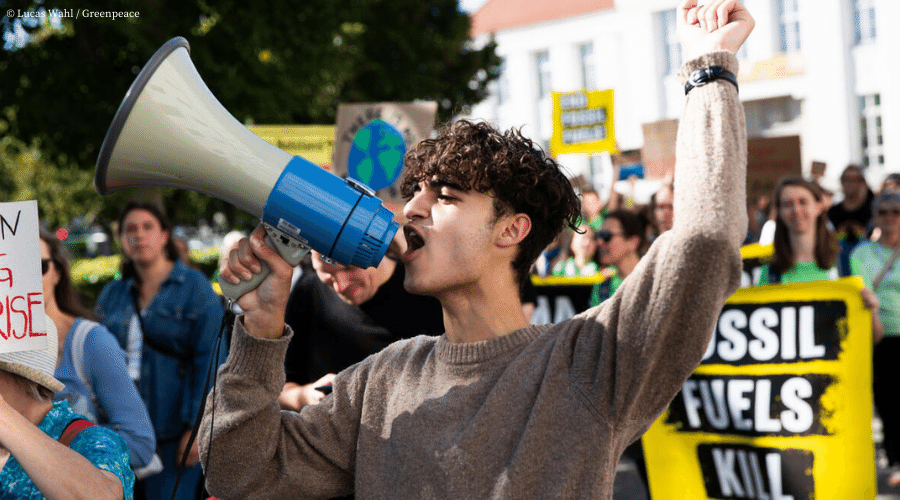
| On March 12, we joined 28 boats with
local activists and a 30-foot dugong in a flotilla to protest the
proposed American military base that would be built across
important dugong habitat. |
The island of Okinawa has been called the "Galapagos of the East"
because of the precious biodiversity it supports. It is also known
as the "island of the base" because U.S. military bases occupy over
18 percent of the landmass. Now, another base is slated for
construction, despite the irreparable damage it will cause to a
critical marine area.
No Dugong Left Behind
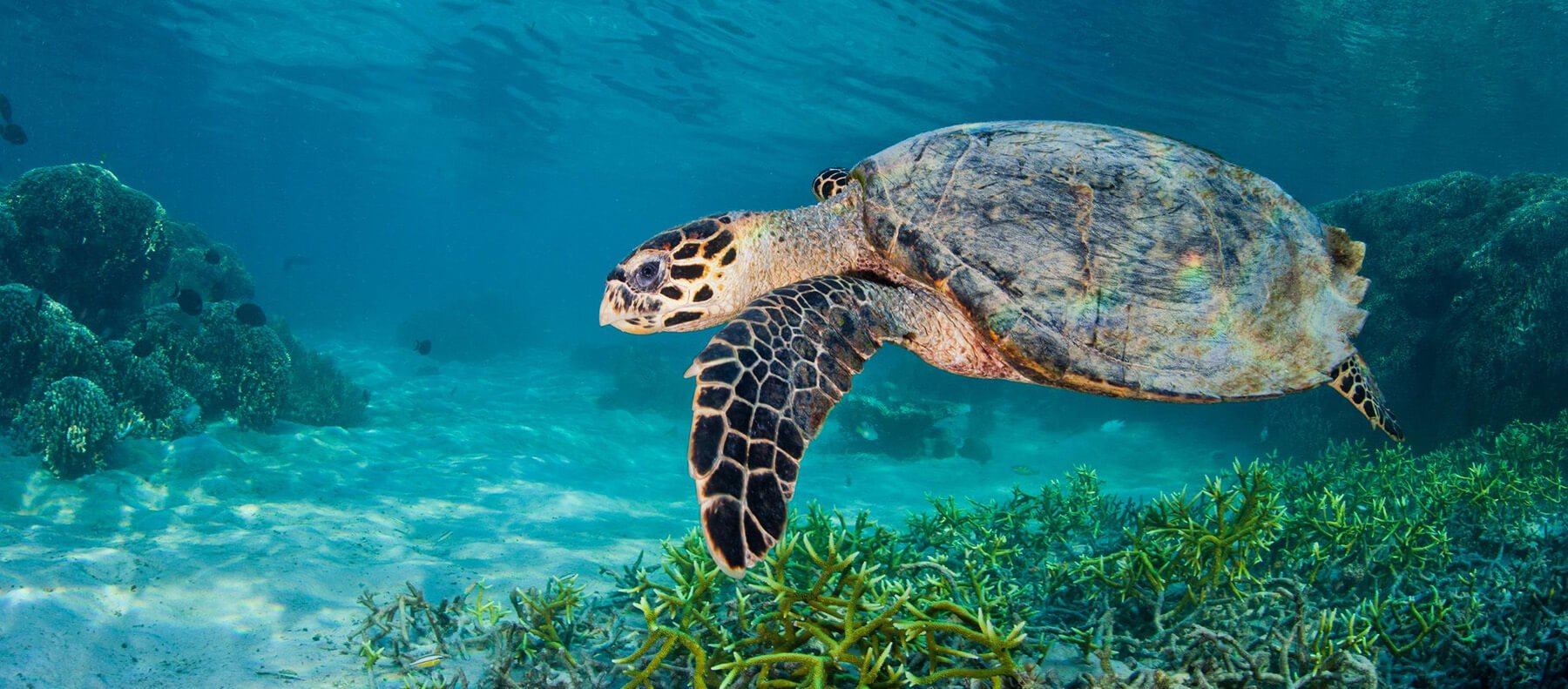
The proposed construction site is right in the heart of a coral
reef, which nurtures diverse marine life including sea turtles and
dugongs - relatives of the manatee. Habitat degradation and
increasing scarcity of their food have led to the dugong's recent
classification as an endangered species. Unfortunately, no active
measures have been taken to ensure their conservation. As few as 12
dugongs are left in the Okinawa waters. If the plan proceeds, the
dugongs of Japan may be lost forever.
The United Nations Environment Program has released a report
calling for the creation of a marine reserve to protect the dugong,
but it seems the government of Japan would rather build a runway
complete with hangers, control towers and fuel storage on top of
this fragile ecosystem - to the tune of more than $1 billion of
taxpayers' money.
="" align="left" alt="View a Slideshow" inf="View a slideshow of
this amazing coral reef and the nonviolent actions to save this
unique habitat." border="0" vspace="4" hspace="4">
People of Okinawa have lived off the sea for generations.
Serving as a natural breakwater, the coral reef provides a valuable
food source for the community and a vital habitat for marine life.
Because coral grows at an extremely slow rate, if it were
destroyed, it would take several centuries to recover.
One 84-year-old local man voiced his opposition to the project.
"We know for sure, that building the airbase is not the right thing
to do. There are a plenty of sea creatures which are supporting our
life here. We always appreciate the richness of ocean life: we have
top shell, octopus, magaki-shell and seaweed. Once the base is
built, there will be no future for our children. I can't let it
disappear."
Taking a Stand
In 1997, local people voted overwhelmingly to reject the base,
but the local mayor was forced by the central government to agree
to the project. He resigned in disgrace after signing the
agreement. The community then took it upon itself to stop the
construction, and has been successful in preventing drilling for
the past eight years. Recently, however, several scaffoldings were
forcibly set up in the sea to conduct a preliminary geological
survey. For the past 300 days, the protestors have organized
sit-ins and have occupied the drilling towers, preventing any
further construction from occurring...for now.
What can you do?
Please take a moment to
send a message to the Japanese government saying "NO" to the
construction of the U.S. military airbase and "YES" to the
protection of the Okinawa dugong.
Support the local people who are out on the water all day, every
day, to stop the destruction. For every message we receive, we will
tie one ribbon to the Rainbow Warrior, demonstrating the
solidarity of activists from around the world.
Send a message of support to the protestors.
View
their Weblog.
Update!
On March 16, 2005 construction crews moved in under the
protection of the Japanese Coast Guard in the middle of the night.
Hours later, the Coast Guard forcibly removed a Greenpeace
inflatable that was guarding the reef and one officer struck
activist Yuka Ozaki in the face.
This same day, Okinawa Governor Keiichi Inamine visited
Washington, D.C., where he met with U.S. officials to discuss the
base. We held a protest where the governor was speaking, and urged
him to condemn the force and violence used by the construction
crews and the Japanese Coast Guard to intimidate the peaceful
protesters who oppose the base.
Find
out more.