The Kingsnorth Six were accused of causing £30,000 of criminal
damage to Kingsnorth power station. Their defense of "
lawful excuse" was accepted by the jury, which supported the right to take direct action to protect the climate from the burning of coal.
The New York Times listed the defense as one of the ideas that defined 2008.
Inspired by their story, internationally acclaimed director Nick
Broomfield has just completed a
20-minute film about the action and the court case, celebrating
the spirit of direct action.
See the full
movie of our Kingsnorth Six victory
Non-violent direct action: what makes us Greenpeace
The Kingsnorth Six case is but the latest chapter in the
Greenpeace story.
Greenpeace has stood at the forefront of the environmental
movement as a catalyst for positive and durable change for nearly
four decades. In 1971 we lived in a world where atmospheric nuclear
weapons tests were routine, where whales were being hunted to
extinction for profit, where toxic and radioactive waste were
poured freely into the seas, where forests and wilderness were
destroyed with barely a murmur of protest, and where the morality
of environmental destruction was rarely raised.
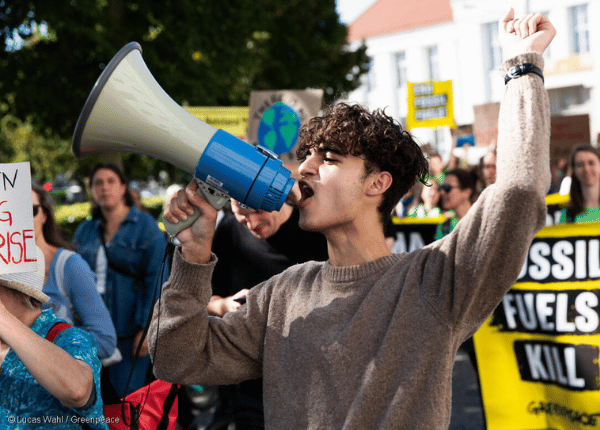
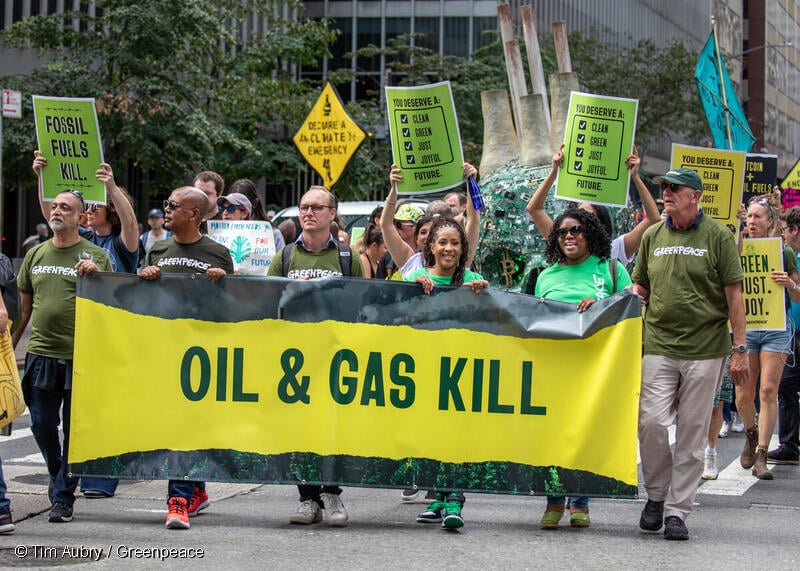
Greenpeace activists made a difference to each of those issues
in the same way the Kingsnorth Six did: by taking calculated
personal risks to stand up for what they believed was right, even
if the law told them they were wrong.
Journeys into the bomb
The Greenpeace founders were the first. They hired an old
fishing boat with the intention to
sail directly into a nuclear testing exclusion zone to stop the
detonation of a nuclear weapon at Amchitka Island in the
Aleutians. Although the ship was turned back by the US military and
the bomb went off, the Greenpeace act of defiance catalyzed a
movement, and subsequent nuclear testing that was planned at
Amchitka was cancelled five months later.
A year later David McTaggart took his 38-foot ketch, Vega, into
the forbidden zone outside Moruroa, the Pacific atoll where the
French government tested nuclear weapons in the atmosphere. Having
been given an order to leave, McTaggart and his crew were expecting
to be boarded and physically removed from the area.
But when the test device was raised over Moruroa on a helium
balloon, it appeared that a decision had been made to simply
detonate the bomb - protesters be damned.
McTaggart recorded an audio message for his friends and family
and after the crew secured the ship as best they could against the
expected nuclear fallout, they sent the following radio telegram to
their Vancouver base:
"BALLOON RAISED OVER MORUROA LAST NIGHT STOP GREENPEACE THREE
SIXTEEN MILES NORTHEAST STOP SITUATION FRIGHTENING PLEASE PRAY AND
ACT."
The following day, McTaggart's ship was rammed by French
commandos who then boarded the Vega and detained all of the crew.
But McTaggart was relentless and returned to Moruroa in 1973,
infuriating the French military so much that he and his crew were
brutally beaten by commandos. McTaggart was hospitalized and almost
lost the sight in one eye.
McTaggart and his crew had achieved exactly what they had set
out to do. They had brought worldwide attention, and further
embarrassment, to the French government. McTaggart pursued the
French government in their own courts, eventually winning his own
landmark case. With the entire Pacific united in outrage and
opposition, the French finally relented by moving its weapons
testing program underground. Continued protest eventually led to
the end of the program.

Imperative to act
You can add to the stories of these individuals the scores of
people who took action with Greenpeace: who maneuvered boats
beneath platforms to keep radioactive waste barrels from being
dumped in the sea who overwintered in Antarctica to keep oil
companies out; who put their bodies between a harpoon and a whale
to demand a moratorium on commercial whaling; who waded into
outflows to demand an end to trade in toxic waste; who occupied the
Brent Spar oil rig to keep it from being scuttled; who chained
themselves to bulldozers to protect the Great Bear Rainforest; and
who whooped and hollered and celebrated when the world eventually
came to its senses and agreed that they were right.
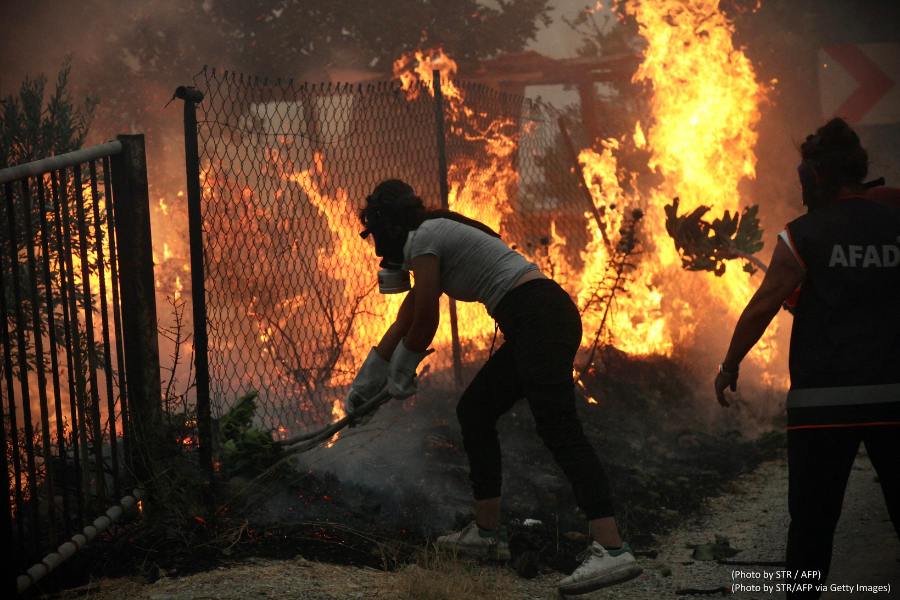
Yet while we have clocked up an
extensive list of victories - the threat of runaway climate
change threatens all of them.
There are more reasons to act now than ever before.
The story of Greenpeace is the story of individuals. People like
the Kingsnorth Six, like David McTaggart, like Junichi and Toru,
and people like you.
Change in this world is made up of a cascading series of
individual choices.
A time comes when each of us has to choose.
Support Us
Our activists could not fight the legal battles they may face without donations from individuals like you. Please give what you can.