Page - April 19, 2007
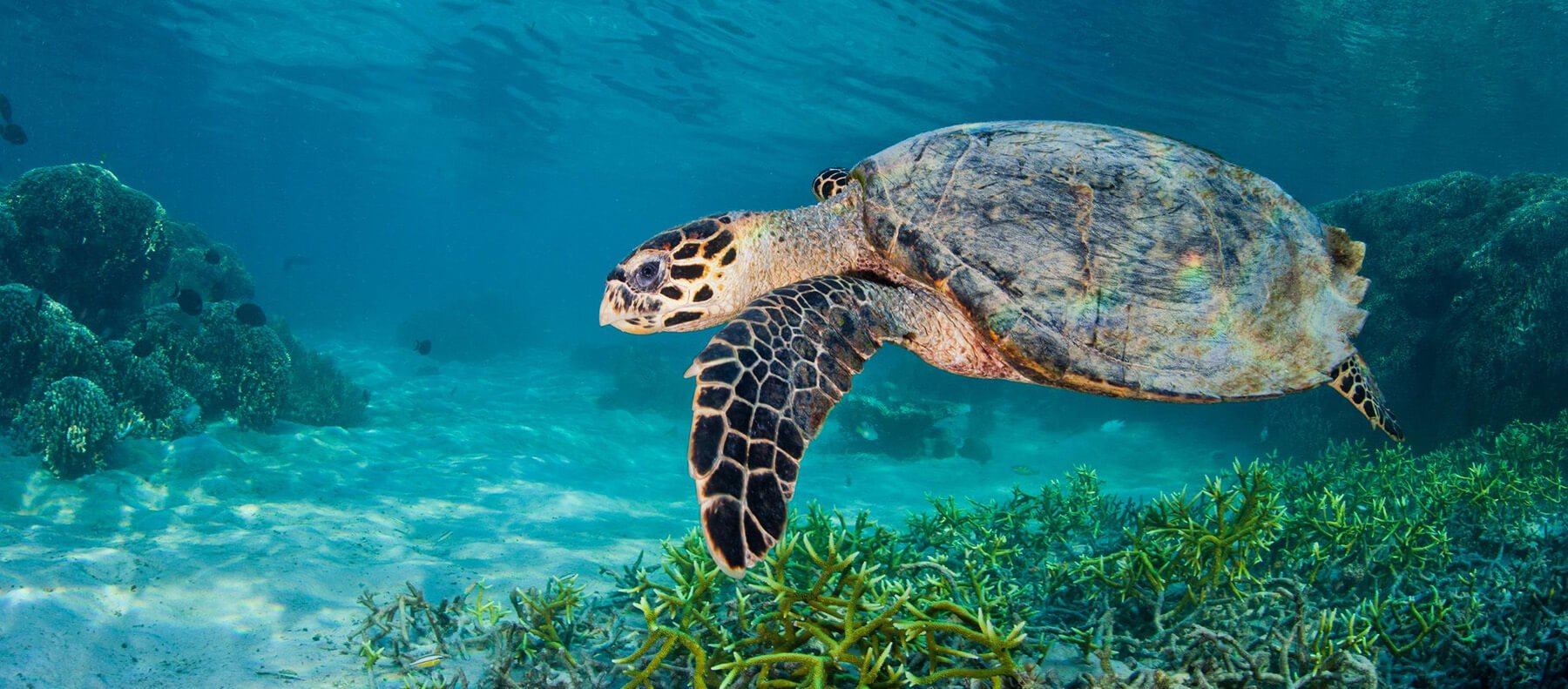
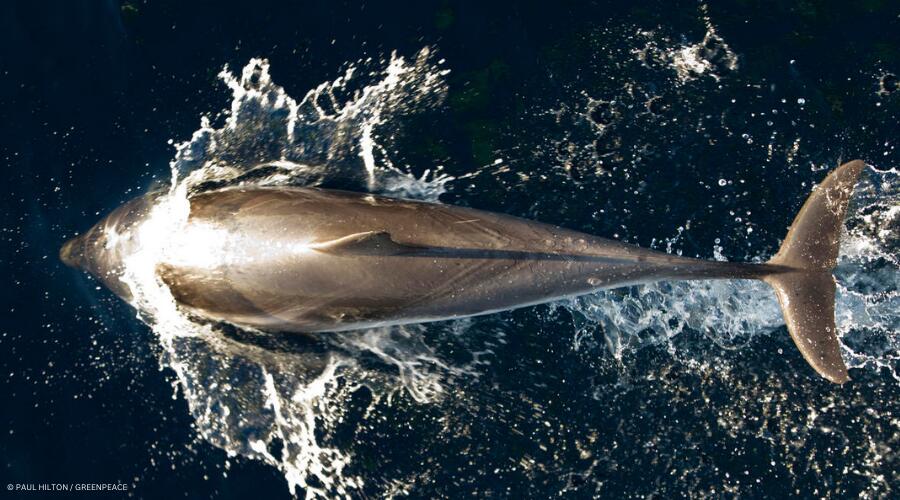
Our oceans are in crisis. Massive factory fishing ships are using state-of-the-art technology to target one species of fish at a time until that population collapses, and they turn to another species for profit. Many of our oceans' creatures, including undiscovered species, are in serious danger from the world's most destructive fishing practice - bottom trawling. Add a heaping plate of mercury contaminated fish to that mix, and you have reason to take a second look at what is on your plate from the ocean.
Mercury Warnings
These advisories are intended for women of childbearing age and small children. Developing fetuses and small children are especially susceptible to health impairment from elevated mercury levels. However, if other people wish to reduce their exposure to mercury, they should also generally adhere to these advisories and also work to reduce mercury pollution at the source.
- Fish that are relatively low in mercury and can safely be eaten in moderation: Abalone (farmed), Anchovies, Butterfish, Calamari (squid), Catfish, Caviar (farmed), Clams, Crab (king), Crawfish/crayfish, Flounder, Haddock, Hake, Herring, Lobster (spiny/rock), Mackerel (Atlantic), Mussels (farmed), Oysters, Perch (ocean), Salmon (wild, from Alaska), Sardines, Scallops, Shad, Sole, Sturgeon (farmed), Trout, Whitefish
- Eat sparingly (less than six 6 oz servings a month):Carp, Cod, Crab (dungeness), Crab (blue), Crab (snow), Mahi Mahi, Perch (freshwater), Pollock*, Snapper, Tilapia*
- Avoid (less than three 6 oz servings a month):Bluefish, Croaker, Halibut, Lobster (American/Maine), Rockfish, Sea Bass (excluding Chilean Sea Bass, which should be completely avoided), Salmon (wild, Atlantic), Sea Trout (Weakfish),
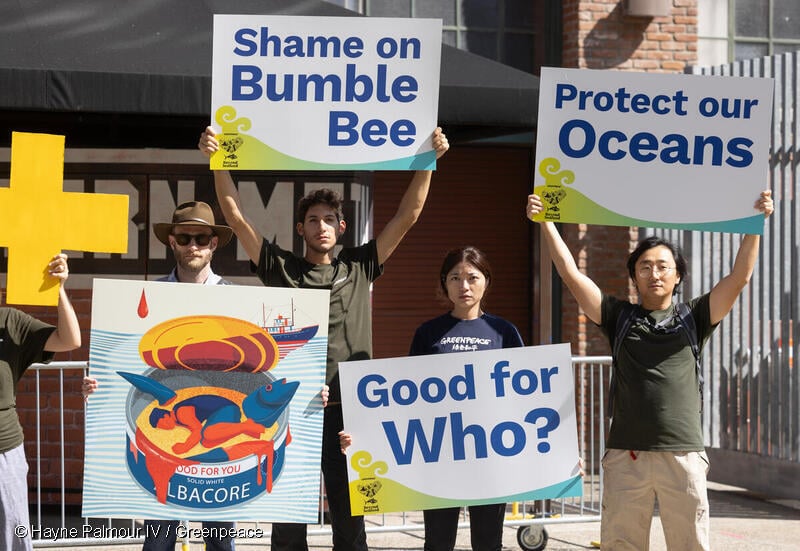
- Do not eat:Chilean Sea Bass*, Grouper, Mackerel (king), Marlin, Monkfish*, Orange Roughy*, Shark*, Shrimp*, Swordfish*, Tilefish, Tuna* (including fresh tuna, canned white albacore and canned chunk light)
* Species in which fishing is unsustainable or has serious negative impacts on the environment.
Given the crisis facing our oceans from pollution, global warming, by-catch and over fishing, Greenpeace encourages consumers to eat less fish. If you do eat seafood we encourage you to ask questions; find out where it came from, how it was caught, and what else may have been killed in the process.