In March, 270,000 gallons of crude oil spilled onto the tundra from a corroded pipeline that went undetected for days. In fact, since 1996, an average of 409 oil spills have occurred every year along the length of the Alaska pipeline, which stretches 800 miles from Prudhoe Bay to Valdez, Alaska. The pipeline, which is already 30 years old, has not been sufficiently monitored or repaired by BP, and as harsh weather conditions and aging continue to deteriorate the pipeline, we can expect these spills to become more frequent, and more severe.
BP's response to the corrosion will cost the company up to 200,000 barrels of oil a day. But the Western half of Prudhoe Bay, the half that will remain open to production, has not been adequately inspected by BP, and the company doesn't plan for thorough inspections until November at the earliest. BP's plan is to have staff monitor the pipeline on the ground, which will only detect a spill after the fact. It is on the Western side of the Prudhoe Bay oil field that experienced the area's largest spill in March.
Prudhoe Bay is in a part of the Arctic that is already heating up three to five times faster than the global average and is feeling the effects of this warming in the form of sea ice thinning and retreating, permafrost melting, and polar bears drowning.
The U.S. consumes 25% of the world's oil supply, but has only 3% of the global reserves. Right now, Congress is debating offshore drilling throughout most of America's coastlines, including in Alaska. But even drilling offshore, and in the Arctic Refuge, will not fulfill the nation's energy demands. It's like trying to fill a gas tank with a hole at the bottom. Our current energy policy is as corroded and unreliable as the pipeline itself, long overdue for an overhaul.
Big oil has American consumers over a barrel, but we can change that. We propose a forward-looking and pragmatic roadmap to American energy independence and security. First, a shift in subsidies from fossil fuel companies to renewable energy efforts; second, require more fuel efficient cars with a 50% reduction in gasoline use by 2050; and third, tax incentives to help Americans buy fuel efficient cars.
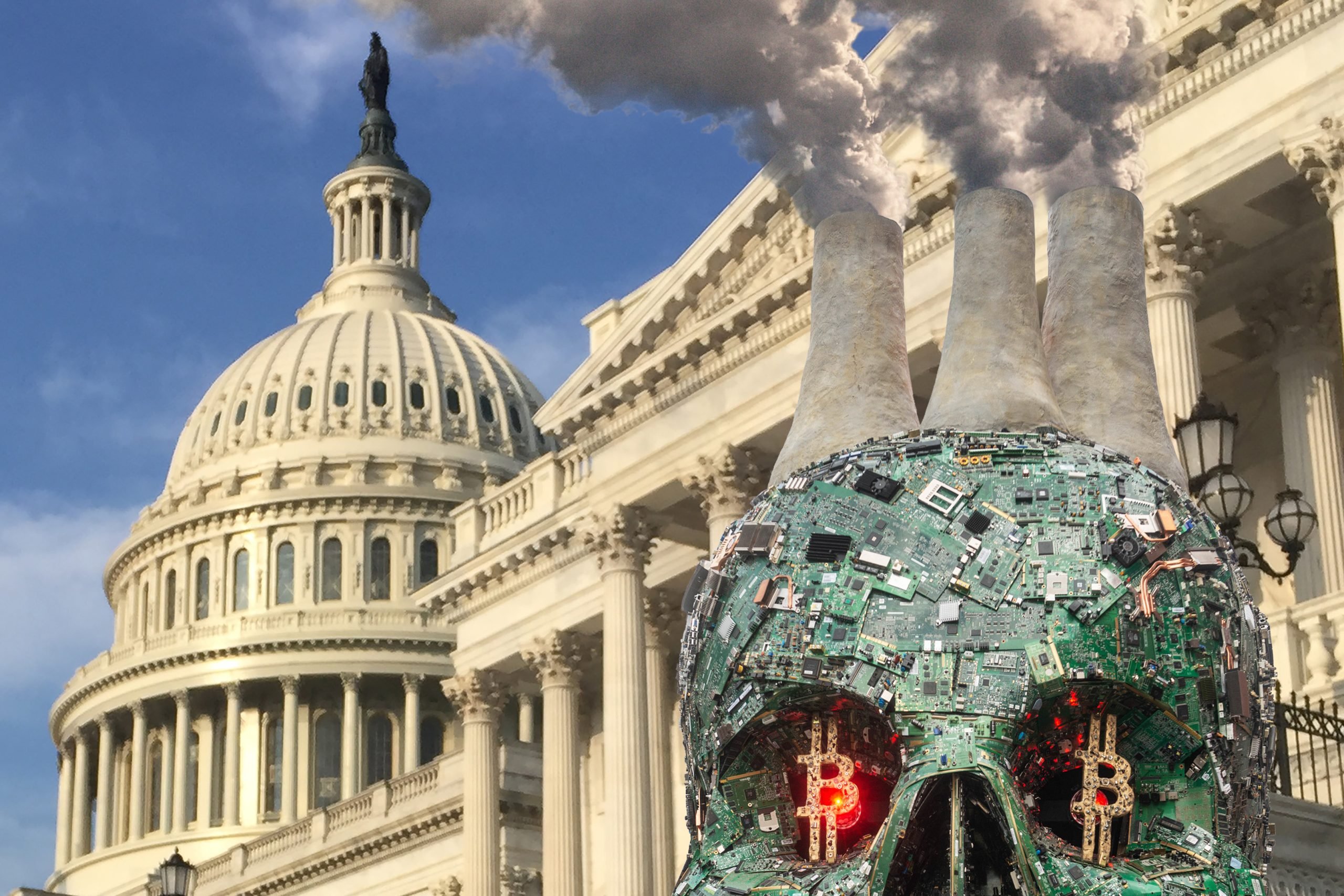
We call on Congress to come back to Washington immediately and enact a bold new energy policy that dramatically increases the fuel economy of cars and invests in renewable energy sources like biofuels, wind, and solar that will break our addiction to fossil fuels while reducing the threat from global warming.