Burning the Planet for Profit

Feature story - May 22, 2003
Whether you in live in Boston or Bangladesh, global warming has already impacted your life and will continue to do so in years and decades to come.

Record floods displaced thousands in Mozambique, 10,000 people were killed by a hurricane in Central America, and heat and drought grips much of the United States.

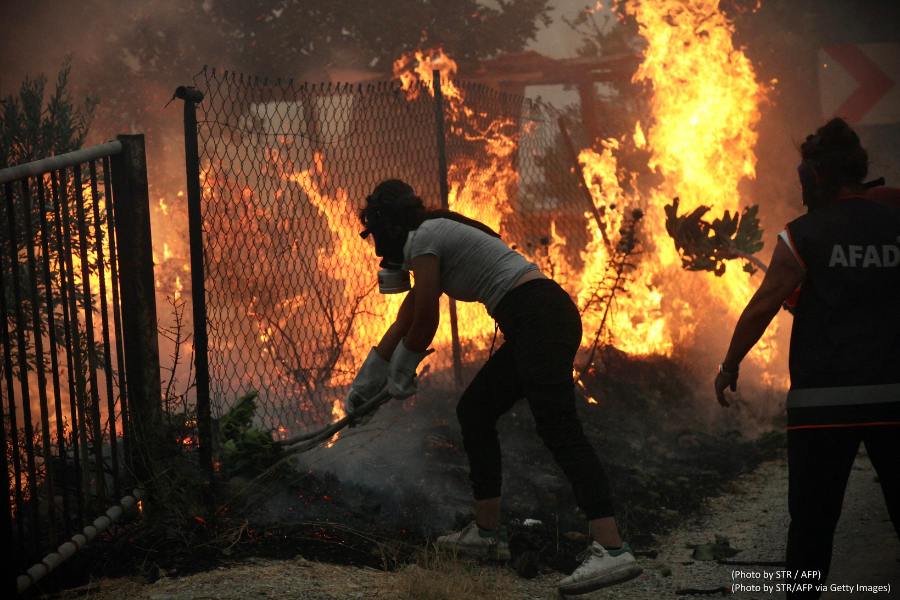
While a rise in global temperature by one degree doesn't sound threatening, it actually causes earth's weather systems to be thrown off just enough to cause unpredictable weather patterns that have devastating results. From increased frequency of floods, droughts, wildfires, intensified hurricanes and heat waves, to the spread of infectious disease and species extinction, everyone is at risk from the hazards of global warming. Extreme weather events destroy our homes and our crops, take down power and telephone lines and pollute water supplies, not only putting our own health at risk, but also costing billions of dollars in relief efforts.

Scientists project that the planet's average surface temperature will rise between 2.5 and 10.4 degrees Fahrenheit over the next hundred years if our use of fossil fuels persists at the current rate. Already, the United States accounts for 25 percent of the world's annual global warming pollution (carbon dioxide emissions) and 40 percent of CO2 emissions historically- but we only make up four percent of the world's population.

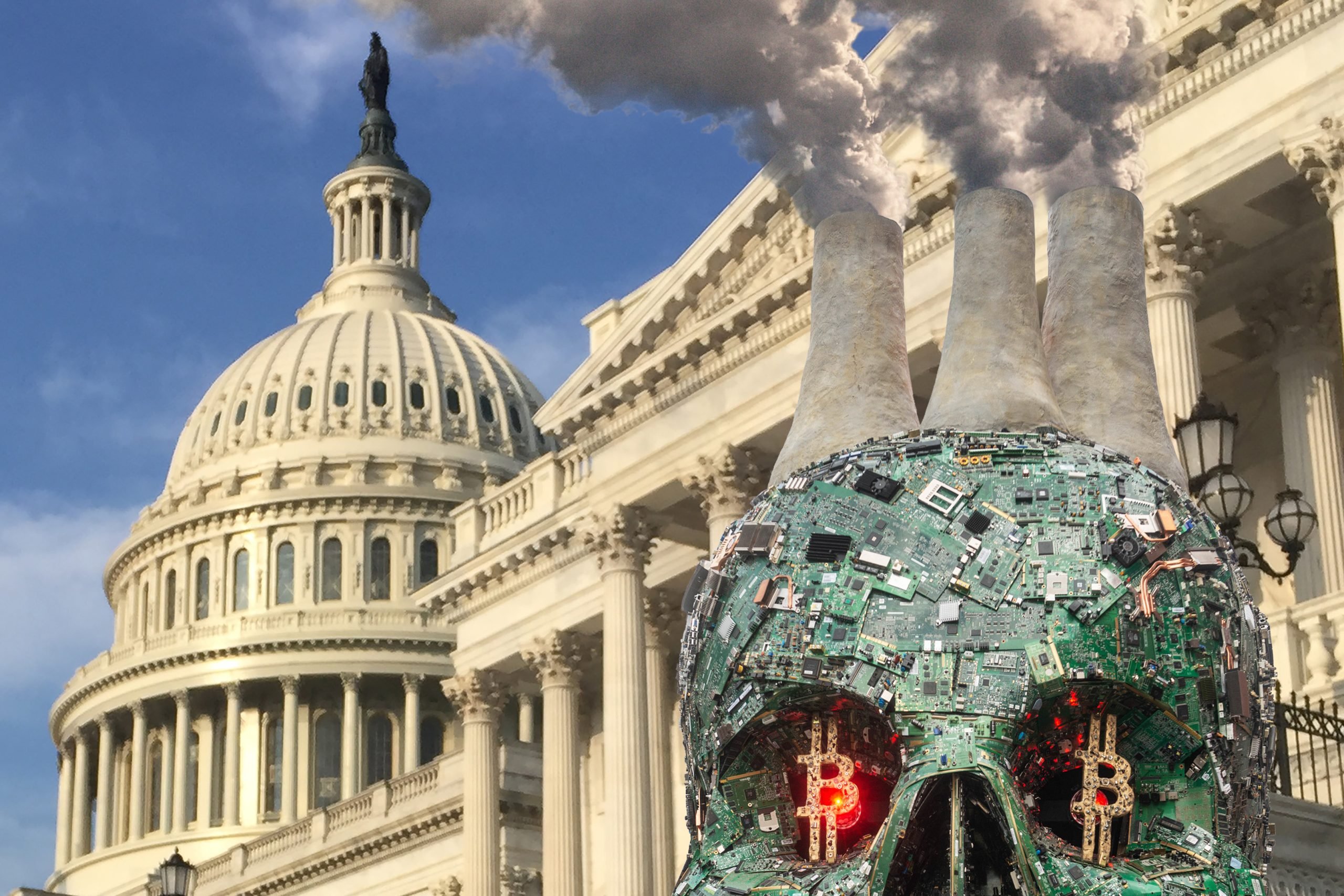
Despite these facts, the U.S. government and oil companies like ExxonMobil, insist on further research claiming that the current science is inconclusive. Meanwhile, there is a relentless push toward further drilling an ddevelopment of fossil fuels in our national parks and forests, and in indigenous areas around the world, that only cause global warming but also pollute our air, water, and earth.

There is another way. Instead of spending billions of dollars on fossil fuel development, and weather disaster relief, energy companies and our government could be investing in renewable energy technologies and more efficient machines and buildings that decrease, or elliminate, global warming emissions.

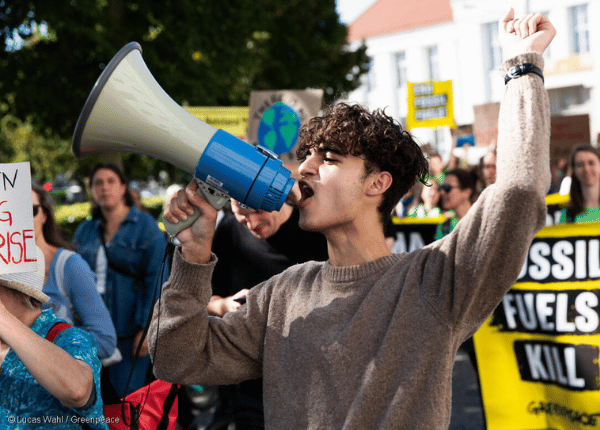
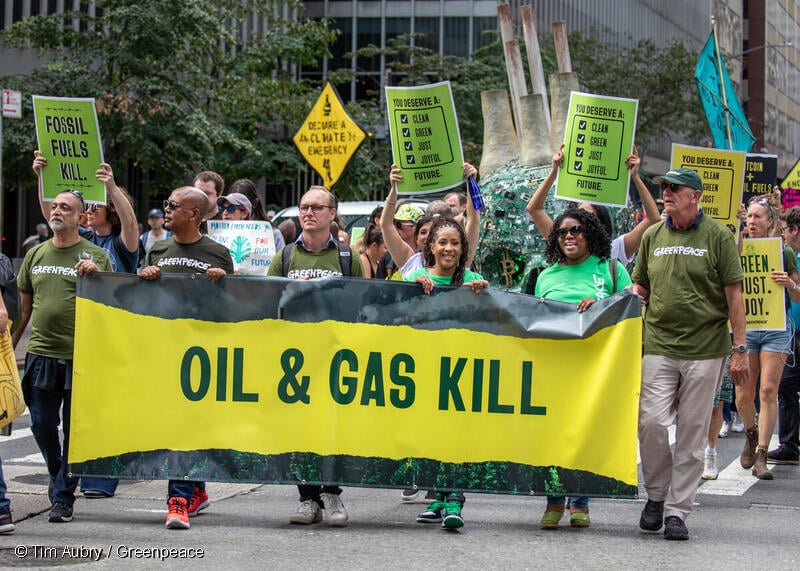
Greenpeace is demanding that industries and governments take responsibility for global warming. We are calling on the U.S. government to clean up its act and buy clean forms of energy instead of dirty fuels. We demand that the U.S. rejoin the international effort to tackle this global problem. Greenpeace is working toward a rapid phase-out of fossil fuels-the only safe solution to global warming.