Discover the Unknown. Protect the Deep.
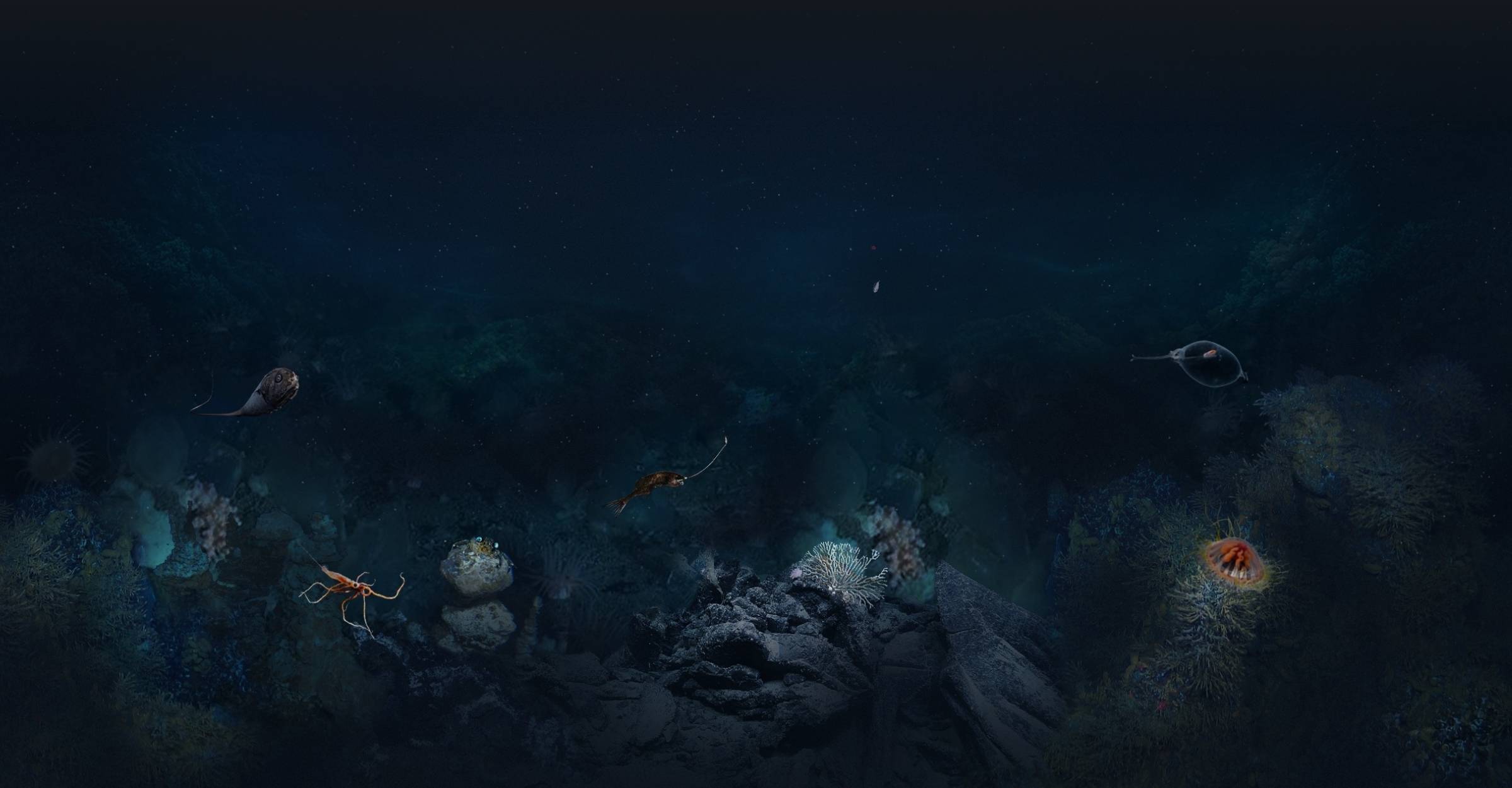
Witness the hidden wonders of the Deep Arctic in real-time. Join Greenpeace and world-leading scientists as we explore the fascinating deep sea in the Arctic — a mysterious frontier of volcanic hot springs and ancient life-forms that have never seen the light of day.
Follow the expedition on WhatsApp, to get notified for all dive streams and findings!
Watch the Dive Stream live:

We are on a mission to document a world that we cannot afford to lose. Hidden deep beneath the Arctic lies a global treasure belonging to all of humanity, where ancient sponges thrive and whales gather. For the first time, Greenpeace is conducting a deep sea expedition to the Arctic together with a team of scientists from various renowned research institutions. We will explore the life and wonders of the Arctic deep sea – one of Earth’s least known wildernesses. Follow us as we are diving to provide scientific evidence to protect the deep sea, ensuring this ancestral home remains safe for generations to come.
The map
The “Banana Hole” is a unique pocket of international waters in the Arctic High Seas, home to seamounts and volcanic hot springs that act as a “living library” of our planet’s history. But this fragile ecosystem is under immediate threat: industrial mining companies want to strip the seafloor for minerals, which would permanently destroy ancient ecosystems and species before they are even discovered. Join us in the fight for long term protection of the deep sea.
Meet the Scientists
Dr. Sandra Schöttner
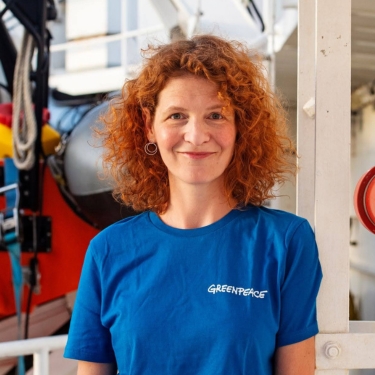
Sandra, lead scientist on this expedition, is a deep-sea ecologist and Greenpeace ocean expert with more than 25 years of experience in marine conservation and scientific research. The stark contrast between the oceans’ importance to all life on our planet and their systematic exploitation, pollution, and destruction is what drives her work. Sandra’s scientific heart beats especially for Vulnerable Marine Ecosystems (VMEs) such as deep-sea coral reefs, sponge gardens, and hydrothermal vents. When she’s not immersed in all things ocean, she’s an avid ballroom and latin dancer, loves tending to her rooftop garden, and loses herself in poetry, theater, or interior design.
Dr. Paco Cárdenas
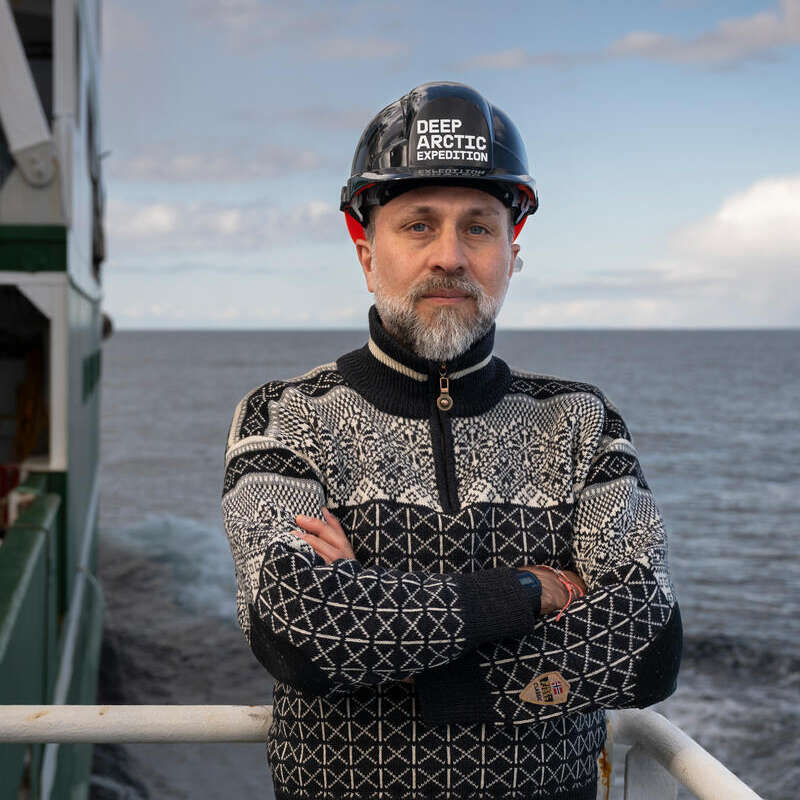
Paco is a world-leading sponge taxonomist at the Museum of Evolution at Uppsala University who explores the evolution and chemistry of animals older than the dinosaurs! When he isn’t identifying new species of these “living fossils” in the deep, he’s lost either in the wonderful zoology collections of the Museum or in a Swedish National Park. You might also catch him training in the art of parkour.
Dr. Julio A. Díaz
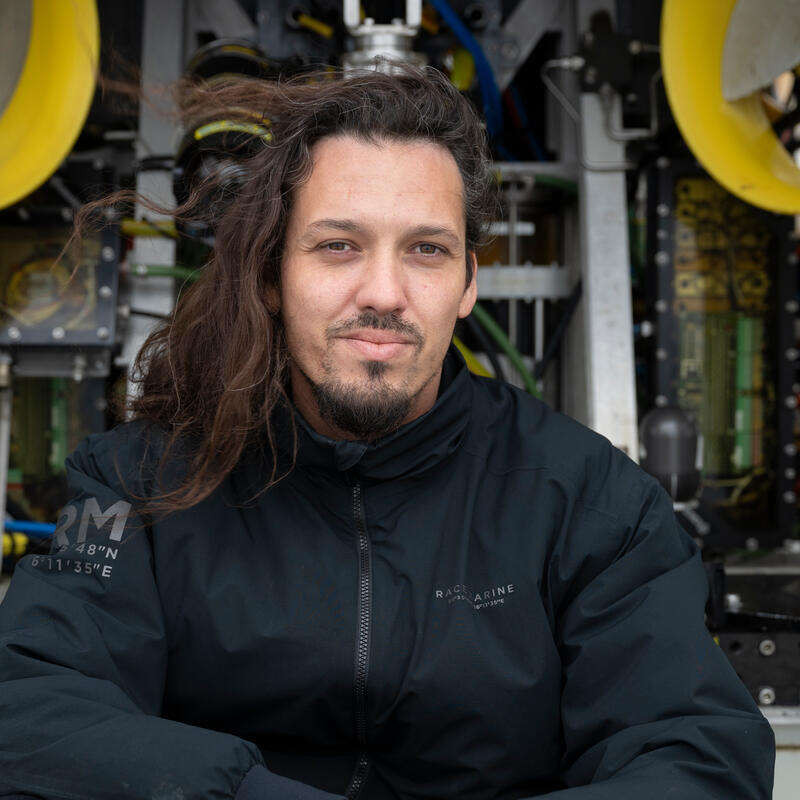
Julio is a deep-sea biologist from Mallorca who specializes in the “evolutionary puzzles” of the deep sea, tracing how life adapts to the world’s most extreme pressures. When he isn’t exploring the seafloor with robotic eyes in search of new species, he enjoys spending time in the ocean, diving, surfing, or going to music festivals with friends.
Dr. Anne Helene Tandberg
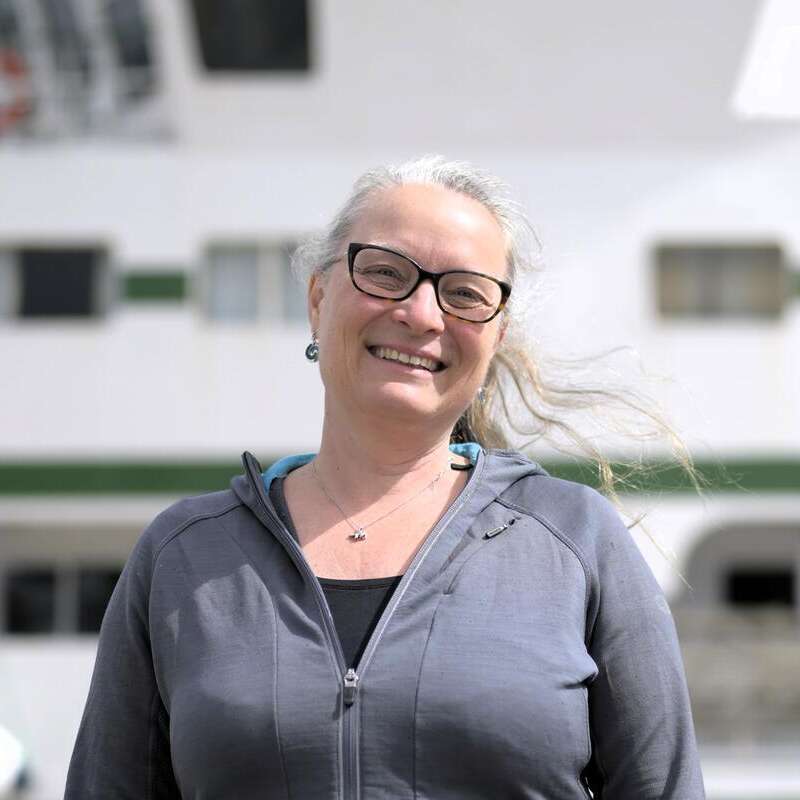
A specialist in the resilient, tiny crustaceans known as amphipods, Anne Helene from the University Museum of Bergen has described several of the species that can be found only in the area we will visit. Through this she proves that even the smallest life forms hold our ecosystem together. She works with Red Listing marine species and habitats and provides scientific background for establishing Marine Protected Areas. Anne Helene can often be found knitting, and she loves to sing.
Dr. Jenny Neuhaus
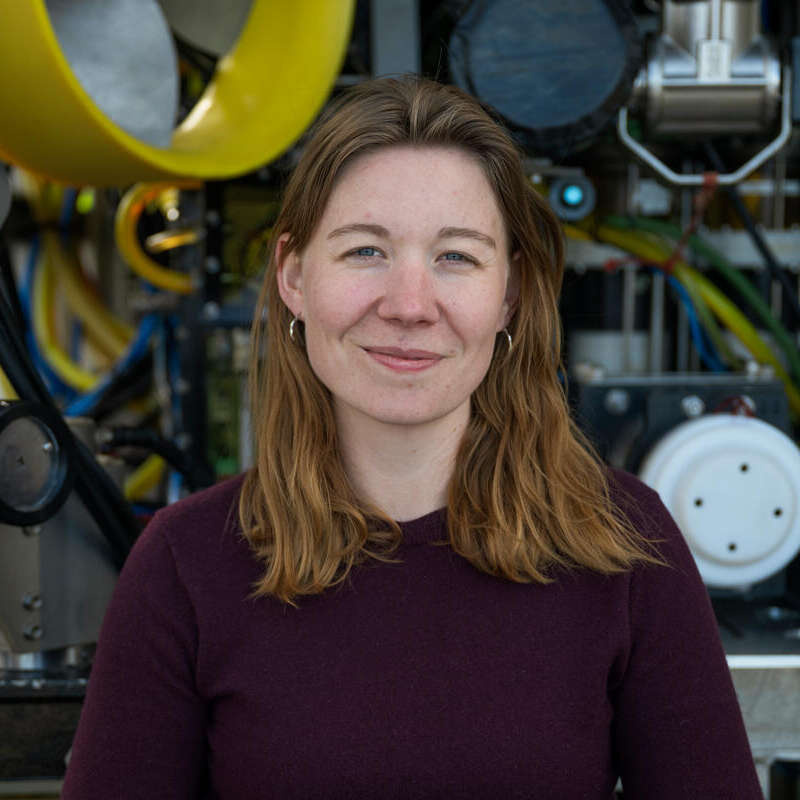
Jenny is a passionate marine biologist from the Senckenberg Society For Nature Research with expertise in benthic invertebrate diversity and distribution – from shallow coastal waters to the vast deep sea realm. When she isn’t peering through a microscope at the seafloor’s smallest wonders, she likes to unwind with yoga or a large cup of black tea.
Dr. Anne-Nina Lörz
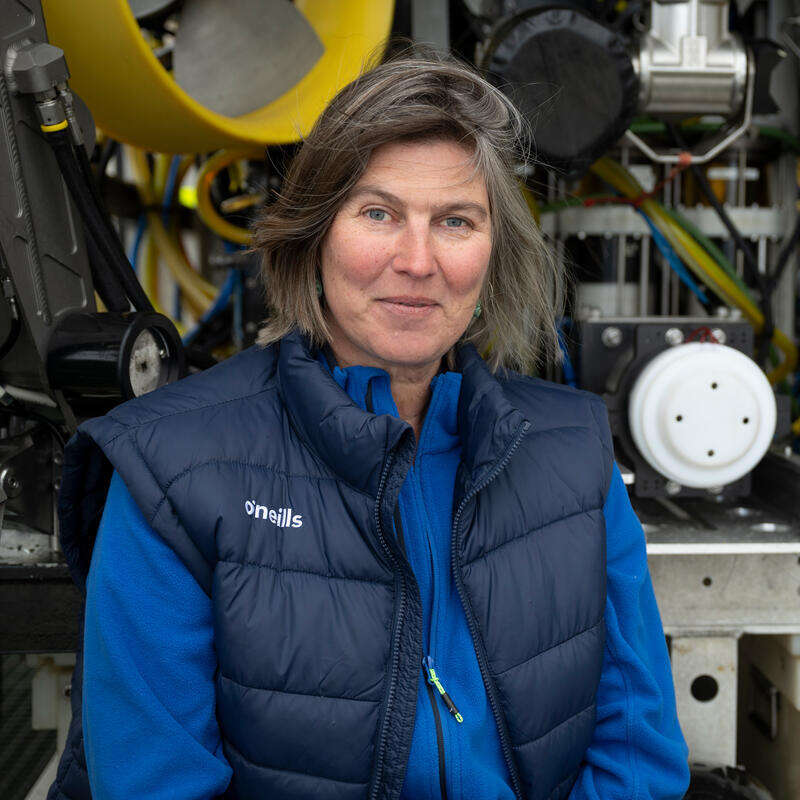
Anne-Nina from the Senckenberg Society For Nature Research is a world-renowned expert in deep-sea amphipods — the tiny yet astonishingly diverse and enigmatic crustaceans that form the foundation of the deep-sea food web. When she isn’t discovering and describing new species of the deep, she is enthusiastic about submersing herself in waters of every kind.
Franziska Saalman
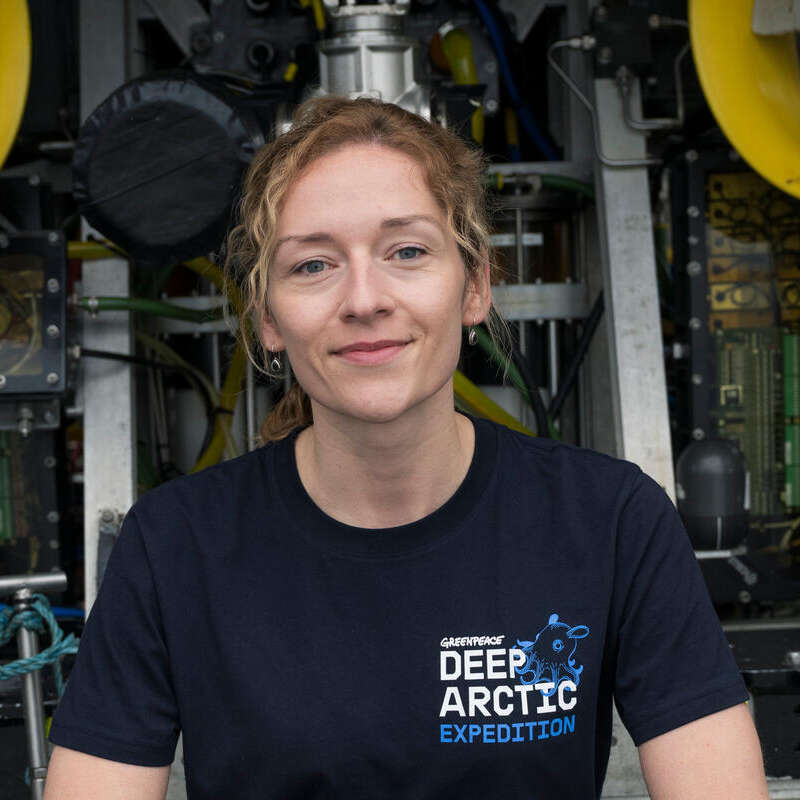
Franziska is a marine biologist and working as a science coordinator and oceans campaigner at Greenpeace. She is driven by translating scientific results into political action and actual conservation – and so has found her dream job at Greenpeace. In the past two years, she has already been in the Arctic twice with a Greenpeace ship to do research on the deep diving whales threatened by deep sea mining. Now, she can’t wait to study the ecosystems at the bottom of the deep sea. When she’s not on ships or in the office, she likes to be in the water, at concerts or on a bike.
Dr. Sergi Taboada
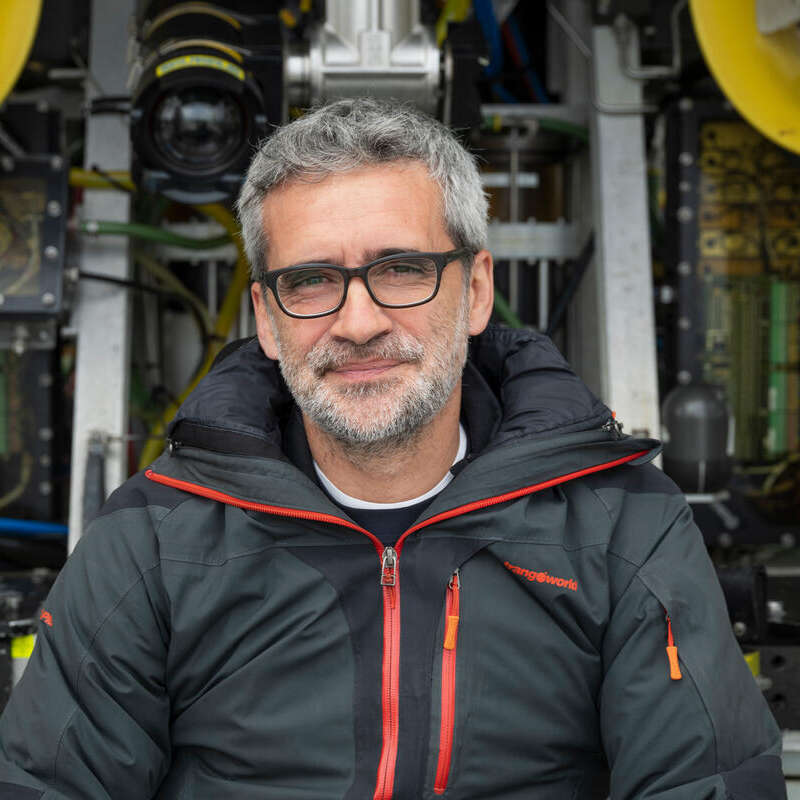
Sergi is a marine biologist from the Museo Nacional de Ciencias Naturales (CSIC) in Madrid who studies environmental DNA (e-DNA) from sponges and how life “travels” across the ocean, investigating the hidden connections between seamounts and the deep-sea floor. When he isn’t solving the mysteries of marine dispersal, he loves having fun with his two kids and he also spends some time watching football (Barça supporter).
Solvin Zankl
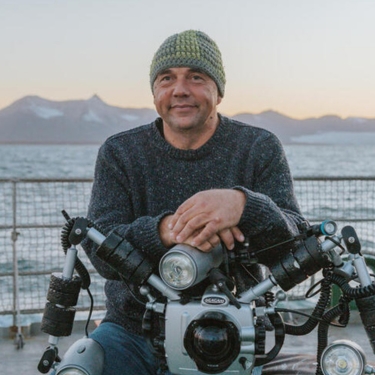
Solvin is a nature photographer with a background in marine biology, specializing in the deep sea. Driven by his passion, he develops specialized techniques to capture even the smallest marine organisms in stunning detail. Through blackwater diving (a specialized form of nighttime scuba diving conducted in the open ocean over deep water) and laboratory work, he creates highly aesthetic portraits of plankton, fish, worms, snails, and octopuses. Solvin’s award-winning work is featured in international publications such as National Geographic, BBC Wildlife, GEO and Stern.
The project is funded by the Swedish Postcode Lottery and Environmental Foundation Greenpeace


-
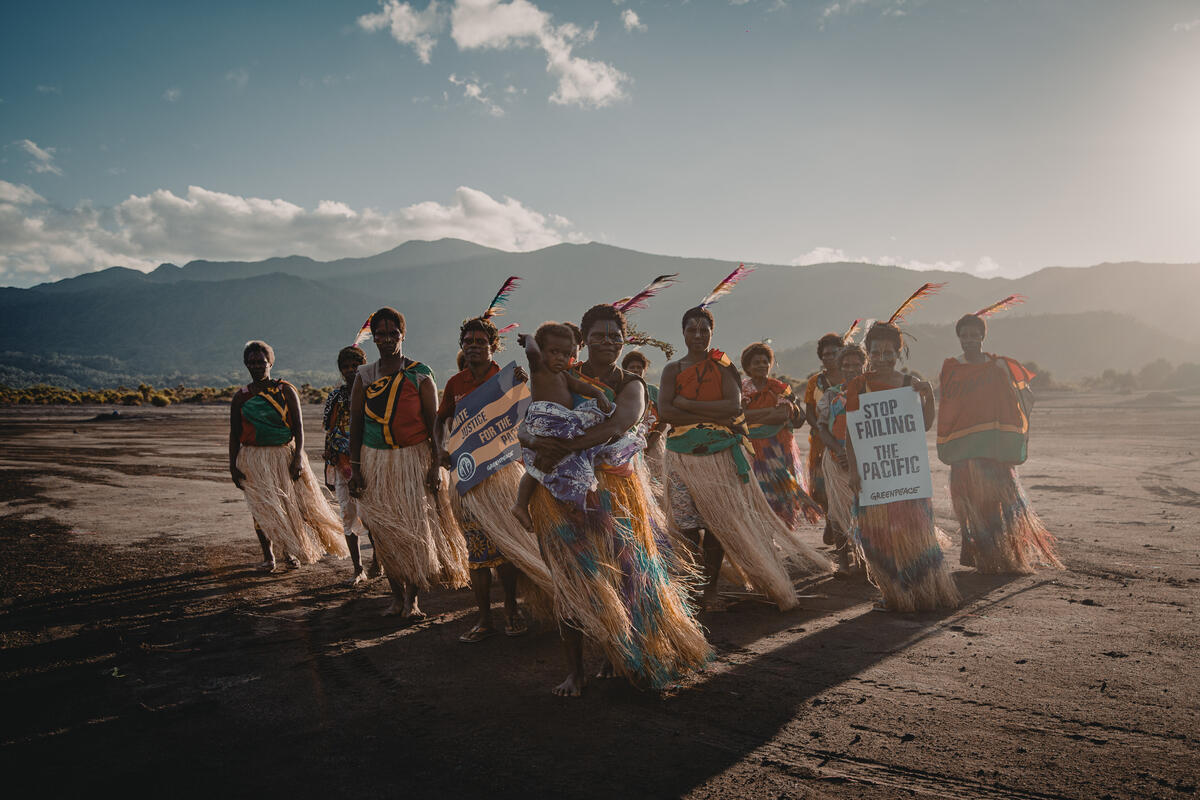
Governments cannot protect the ocean while sidelining coastal communities
With just three years to 2030 – the major milestone for global biodiversity commitments – the world is not on track to meet them.
-
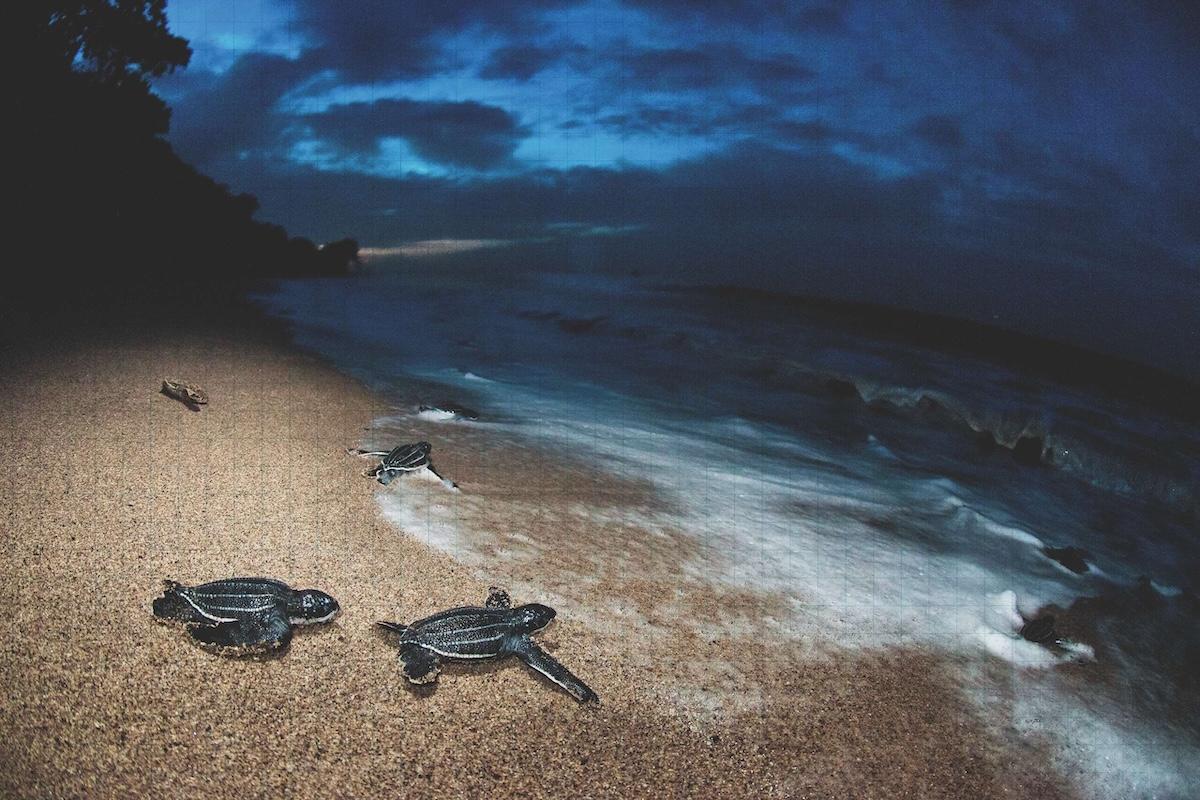
New Greenpeace report: Ocean sanctuary network could protect over a third of danger zones for vulnerable leatherback turtles in the Atlantic high seas
At current rate it will take 265 years to reach crucial target to protect 30% of the ocean – but sanctuary networks could save it, new Greenpeace report
-
WELL CONNECTED: Protecting the Atlantic High Seas through an ocean-wide sanctuary network
Greenpeace report on Protecting the Atlantic High Seas through an ocean-wide sanctuary network
-

UN Biodiversity COP17: Halfway to 2030, governments must act on nature
“We’re halfway to 2030 and the evidence is clear: we are far off track to reach the 30×30 targets. The systems that sustain life on Earth are under threat, and decisions made at COP17 must deliver a clear course correction to protect our planet’s ecosystems.”