Feature story - October 9, 2006
In response to the recent hazardous waste fire in Apex, NC, Greenpeace has submitted letters to the Environmental Protection Agency (EPA) and the NC Department of Environment and Natural Resources(NCDENR) requesting the testing of homes, schools and day care centers. This testing would include the scientific sampling of surface areas, the same type of testing performed in similar chemical fires in the past.
Home safe?
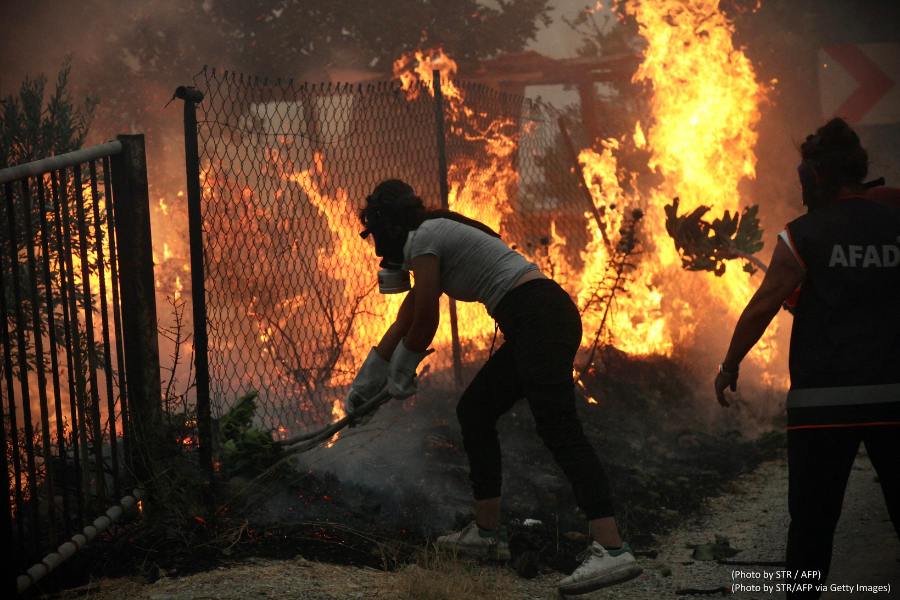
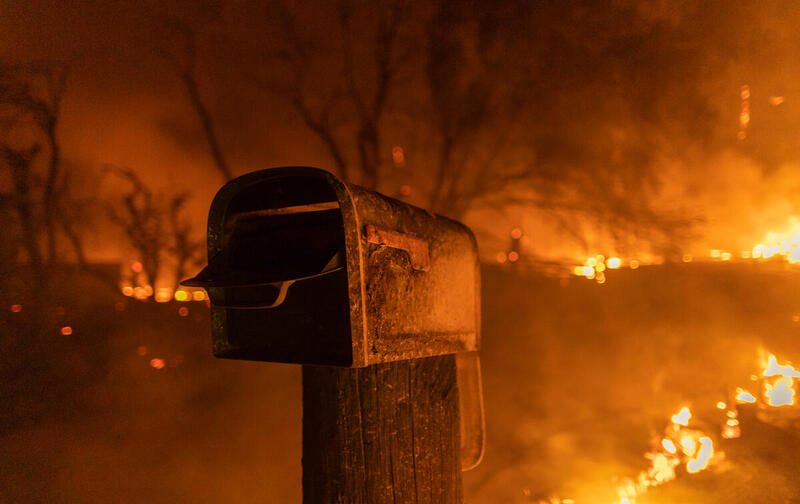
Fires at the EQ hazardous waste facility in Apex burned early
into Saturday. Thousands of residents evacuated their homes and
were waiting for the word from the local authorities that the coast
was clear. They were told it was safe to return to their homes on
Saturday morning. These assurances were made without testing for
toxic fallout. There hasn't been any information made available
regarding which chemicals were burned or emitted by the fire. EQ is
a licensed hazardous-waste facility that repackages and disposes
toxic chemicals for businesses. The plant handles hundreds of toxic
wastes including banned pesticides and heavy metals such as lead
and mercury. When involved in a fire these chemicals can form even
more dangerous compounds such as dioxin or hydrogen chloride
gas.
Cleaning house might actually be a bad idea.
While the EPA and the NCDENR sampling focused on ambient air
residents have been advised by local officials to take some
precautions, that may prove inadequate or unwise. For example
disposing of contaminated material could undermine efforts to
measure the full extent of chemical fallout and compromise the
clean up of contaminated homes and property. There may also be
legal implications for the residents who throw contaminated
material away, which could later serve as evidence in court.
Many area residents are already wondering why this facility's
permit was renewed for 10 years in March 2005, given that some
homes are located within 600 feet of the facility. EPA guidance
recommends AGAINST siting hazardous waste facilities in sensitive
locations, such as near populated areas or where a release could
threaten drinking water. In this case the heavy rains may also have
washed toxic waste into nearby waterways such as, Middle Creek,
which flows into Sunset Lake and Swift Creek. The residents of
Apex, NC deserve to know what chemicals were burned and released at
the EQ fire.
What Apex residents Can Do to Protect Their Families
1. Town Meeting: Call Wake County Commissioner Tony Gurley, who
represents Apex, and urge him to hold a public meeting for
residents to discuss the disaster and provide answers to
questions. Mr. Gurley can be reached during business hours at
919-866-0965.
2. Community Testing: Demand that the state Department of
Environment and Natural Resources (DENR) offer free environmental
and health testing for residents of Apex. Contact William Ross,
Secretary of DENR at 919-715-4102.
3. What Else is in My Neighborhood? Contact your Local Emergency
Preparedness Committee (LEPC) in Wake County and attend its next
meeting. The LEPC is charged with effectively planning for
emergencies involving hazardous materials as required by federal
law. Contact Glenn Clapp at 919-856-5587 at Wake County Emergency
Management for more information
4. Full Disclosure: Ask your state legislators why North
Carolina real estate laws do not require full disclosure of nearby
hazardous materials facilities as part of purchasing a home,
business or property. Call General Assembly members at
919-733-4111. Legislators representing Apex:
- House Reps: J. Russell Capps, Nelson Dollar and Paul Stam