[2024 Annual Report] Transcending Borders for a Greener and more Peaceful World

この投稿を読むとわかること
- Arctic deep sea mining plans stopped!
- McDonald’s promises to end deforestation in Australia
- Major land rights win for indeginous peoples in Indonesian rainforest
- Galapagos marine life survey—calling for a high seas marine reserve
- EU governments adopt law to resore diverse ecosystems
- UK achieves zero coal-fired power stations!
- Exposing the toxic impact of fast fashion
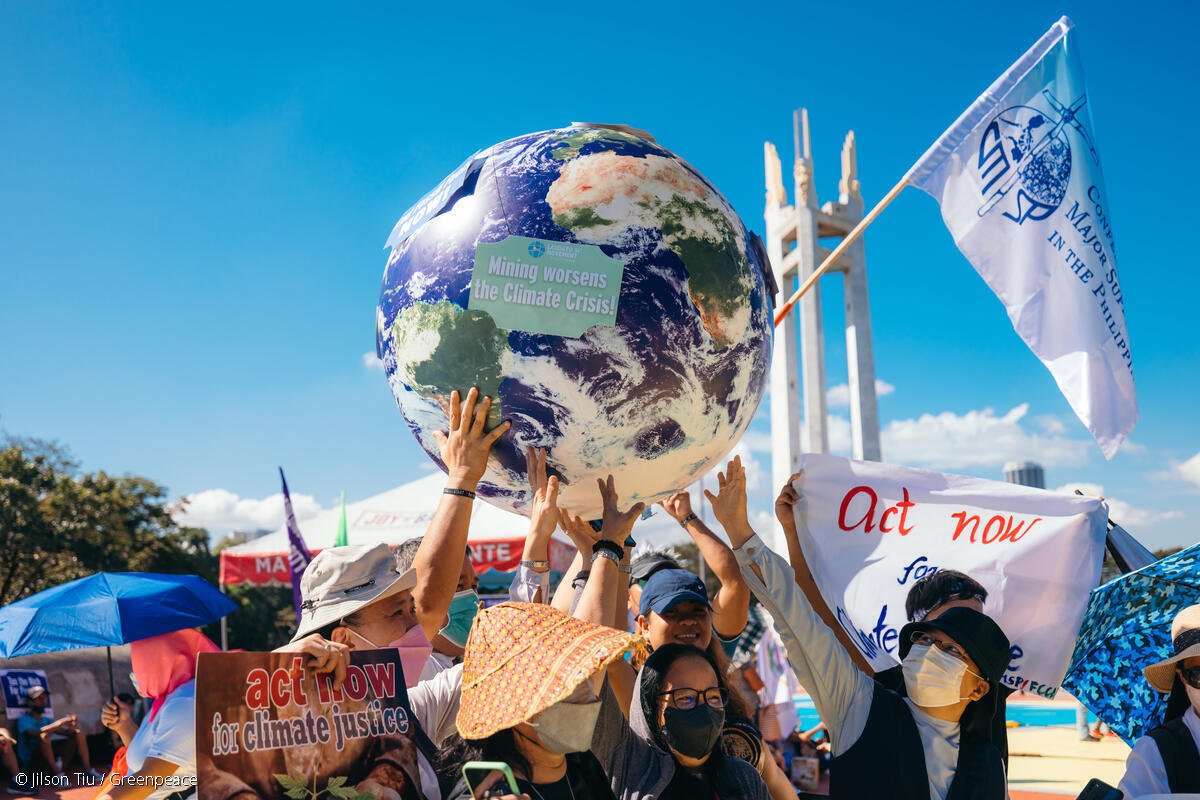
In 2024, the world faced climate disasters of an unprecedented scale. Average global temperatures reached a record high for the second year in a row, and the effects of global warming impacted daily lives and economies all around the world. 2024 was also a year when more than 3 million people worldwide took action to combat climate change and to protect nature, helping Greenpeace achieve significant victories around the globe.
Arctic deep sea mining plans stopped!
Norway became the first country in the world to move towards permitting commercial-scale deep sea mining. However, we have succeeded in stopping those plans. Deep sea mining, which involves digging for mineral resources on the ocean floor, is predicted to have devastating effects on marine ecosystems. Greenpeace leveraged its strong network throughout Europe to call on the European Parliament to pass a resolution to protect the oceans.
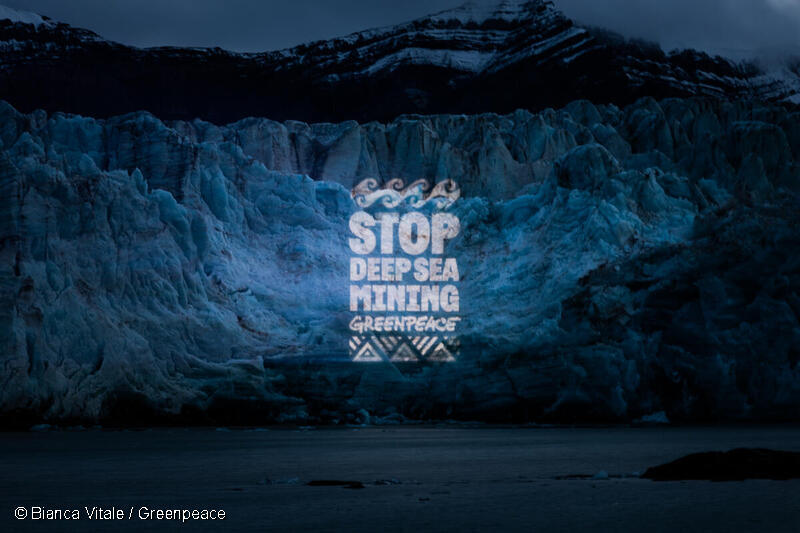
Petiton to stop deep sea mining
McDonald’s promises to end deforestation in Australia
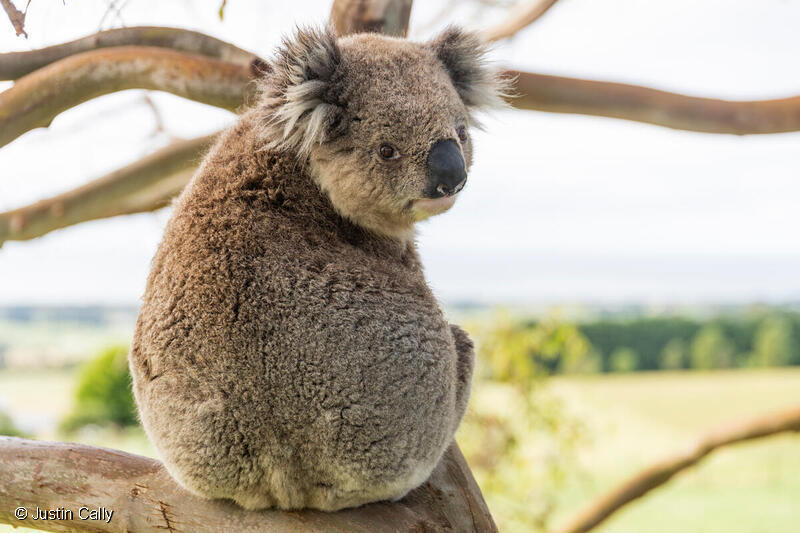
Australia is at the front line of deforestation. In the two eastern states alone, large-scale deforestation is killing an estimated 50 million animals every year, and endemic species such as koalas and the sugar-glider are facing extinction. The main cause of deforestation is the bulldozing of forests for beef cattle grazing, and Greenpeace has been investigating and demanding action from companies that handle large quantities of beef. We lobbied corporations with an email supported by thousands of citizens, and McDonalds and major supermarket chain Woolworths, who are responsible for purchasing the most beef in Australia, have now promised to source deforestation-free beef.
Related links:
https://act.greenpeace.org.au/mcdonalds
https://www.greenpeace.org.au/news/not-on-the-menu-mcdonalds-promises-to-end-deforestation-in-supply-chain-by-2030/
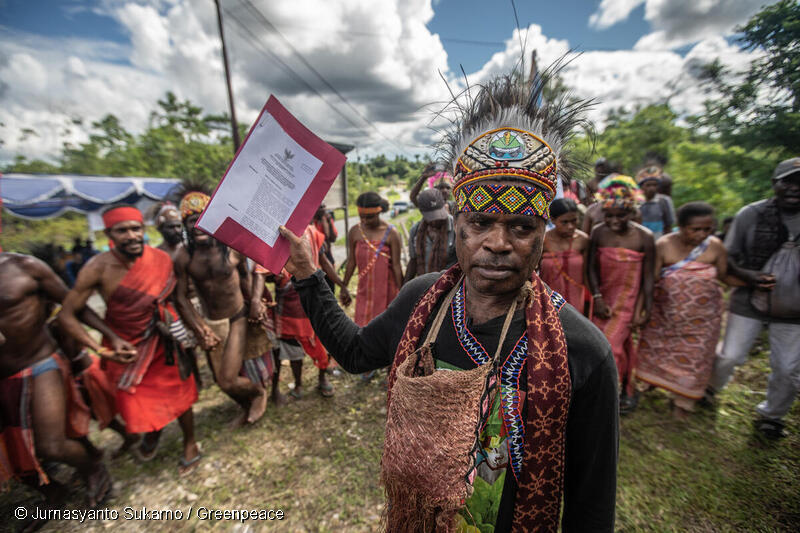
Major land rights win for indeginous peoples in Indonesian rainforest
Indigenous Papuans have finally received legal recognition of customary rights over tropical rainforest in South Sorong Regency. Local residents have long been fighting to protect the forest that they inherited from their ancestors from exploitation by governments and corporations who want to cut down the forest or develop the land for agriculture. In this area, which is almost the size of Hong Kong, Greenpeace will continue to work with the local residents until the deforestation is stopped and their rights are guaranteed.
Galapagos marine life survey—calling for a high seas marine reserve
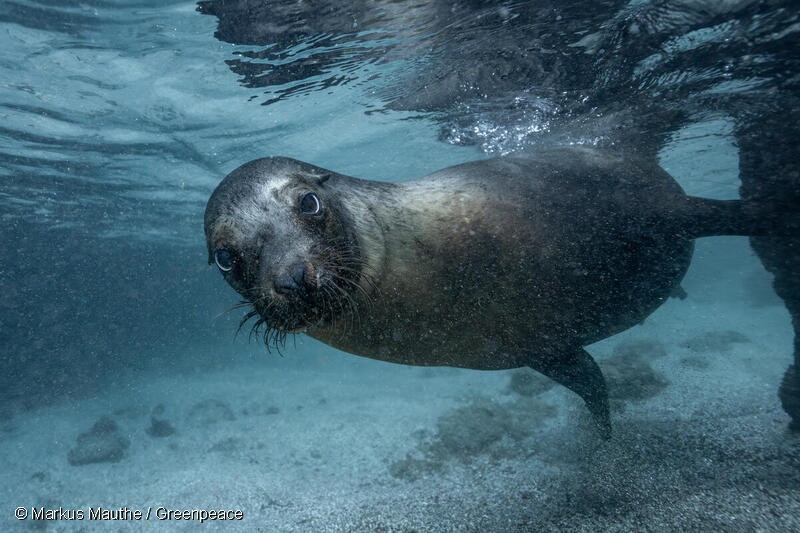
Known as a treasure trove of endemic species, the Galapagos Islands in South America are home to nearly 3,000 species of marine life, including sea turtles, hammerhead sharks, and marine iguanas. Greenpeace worked with scientists to conduct a survey of marine life inside and outside the Galapagos marine reserve. We recorded biodiversity within the reserve using a method called eDNA testing. In the high seas outside of the reserve, we observed plastic pollution and the effects of overfishing by commercial fishing boats, highlighting the importance of marine reserves. The world’s oceans cover two thirds of the surface of the earth, and a global ocean treaty to protect marine biodiversity was agreed upon at the UN in 2023. Greenpeace aims to make the area around the Galapagos Islands the world’s first high seas marine reserve.
Related link:
Galápagos – the best example of marine protection in action – Greenpeace Aotearoa
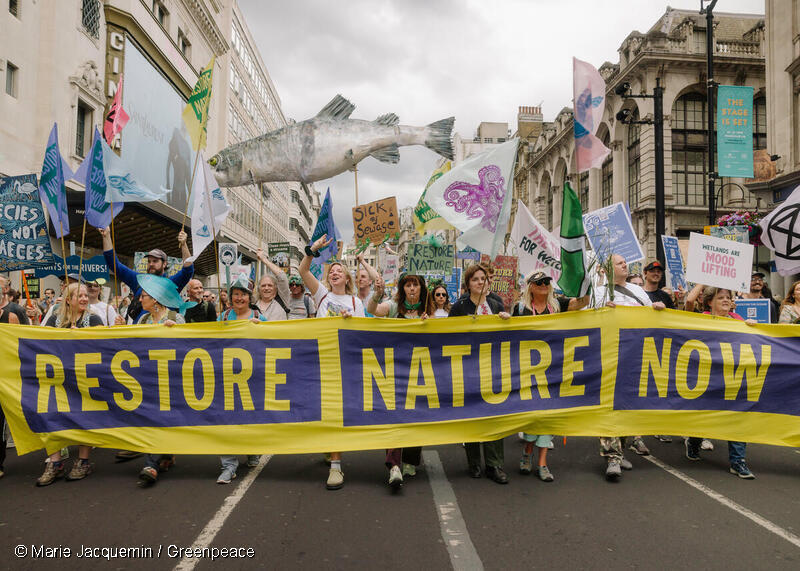
EU governments adopt law to resore diverse ecosystems
European governments have officially adopted an EU Nature Restoration Law that aims to restore ecosystems. This law requires member states to restore at least 20% of degraded land and marine habitats in the EU by 2030, with more than 90% to be restored by 2050. Greenpeace supported the adoption of this law and will continue to lobby EU governments to establish ambitious nature restoration plans.
Related link: EU Parliament backs landmark law to restore Europe’s nature – Greenpeace European Unit
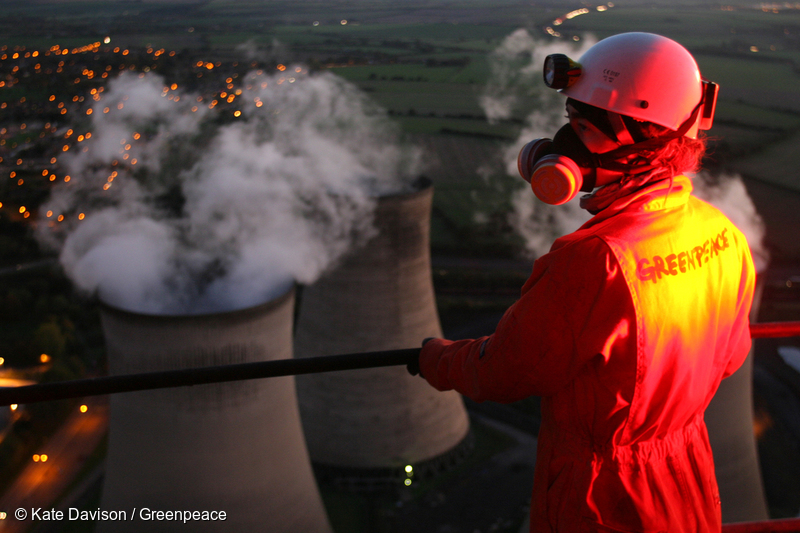
UK achieves zero coal-fired power stations!
The last coal-fired power station in the UK has closed, ending 140 years of coal-fired power generation. This is a first for the G7. Greenpeace has been conducting various protests since the 2000s, when coal-fired power generation accounted for one third of electricity in the UK. During the 2015 general election, we worked with environmental activists around the UK to put pressure on all political parties to agree to abolish coal power. Following this, the leaders of the three main parties issued a joint declaration, promising to put an end to coal-fired power in order to combat climate change. For the UK, a country which achieved its industrial revolution through the use of coal, to end coal-fired power signals an important turning point in the movement towards the abolition of fossil fuels.
Related article:
How the UK ended the era of coal, and what comes next
Exposing the toxic impact of fast fashion
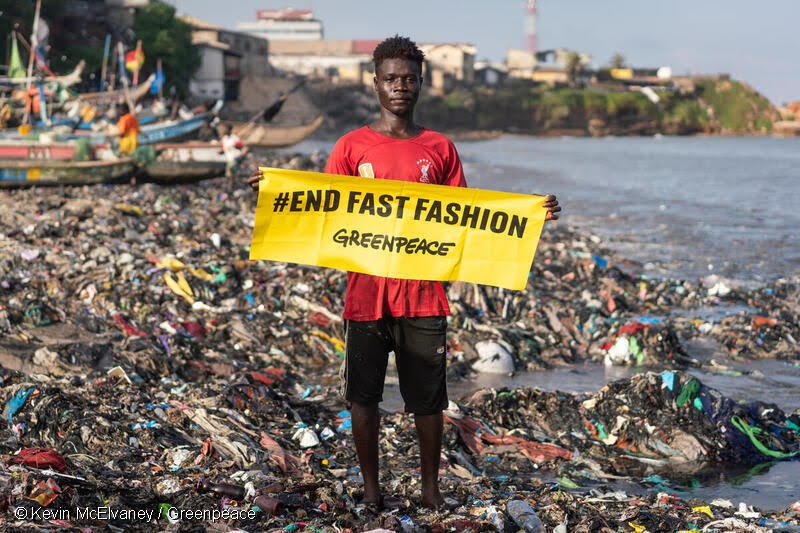
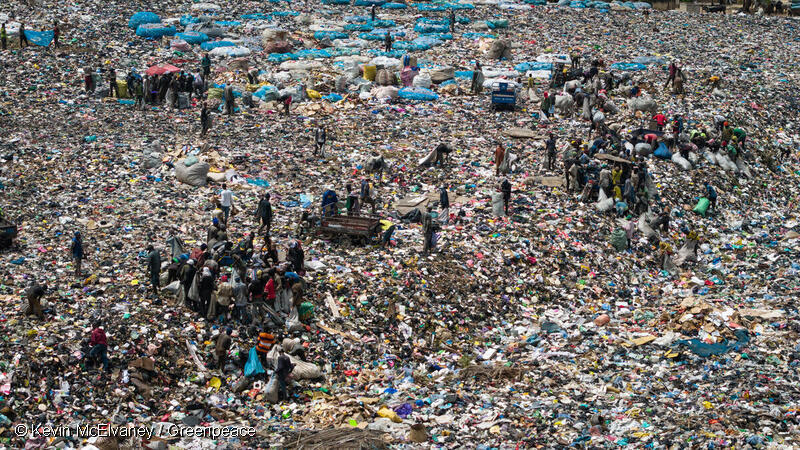
Ghana, in west Africa imports approximately 120,000 tonnes of used clothing a year from Western and Asian countries (data from 2022). Nearly half of these clothes, the majority of which are fast fashion, are unsellable and end up in informal dumpsites or being burnt. Greenpeace’s investigation revealed that nearly 90% of the discarded clothing is made of synthetic fibers, contributing to microplastics pollution. Greenpeace air samples from public washhouses showed dangerously high levels of toxic substances, such as carcinogens, in indoor air. We exposed how the over-consumption of fashion in developed countries is creating health hazards in Ghana.
Related article:
FAST FASHION, SLOW POISON: NEW REPORT EXPOSES TOXIC IMPACT OF GLOBAL TEXTILE WASTE IN GHANA – Greenpeace Africa