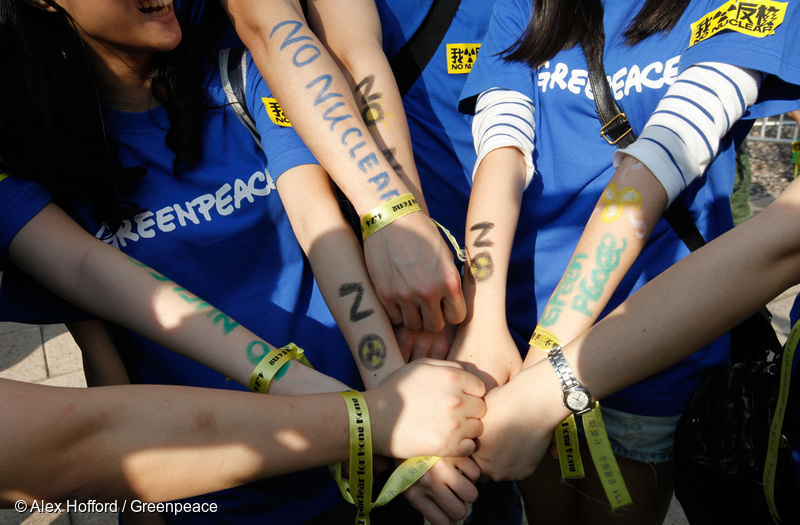
Whatever taking action looks like to you – from signing a petition, to downloading a toolkit or volunteering in Greenpeace East Asia’s work – together they’re all a vital part of creating the green and peaceful future we all need. To change the world, it’s going to take all of us having the courage to stand up for what we know is right. Begin that journey today.
What We Do
Manage your cookies preferences
Please select which cookies you are willing to store.
Necessary cookies Always enabled
These cookies will provide you a better experience of our website and help us to improve the performance of Greenpeace.org. You will be able to hide the cookies acceptance banner and use the website features better. We will also use these cookies to collect statistical and anonymised data such as how long users stay on a page or which links are clicked.
In addition to the cookies and technologies described above, we also use other services that will help us to enhance your experience on this website. We also may permit certain third party companies (e.g. Facebook, Google) cookies to help us understand more about our users specific behavior, demographic, and interest data. Those cookies help us to understand how visitors interact with our website (e.g. pages visited) in order to improve visitors experience, operation effectiveness of this platform and our communication strategies.