
What We Do
Greenpeace is present in 55 countries across Europe, the Americas, Asia, Africa and the Pacific. Greenpeace East Asia opened its Hong Kong office in 1997, Beijing in 2002, Taipei in 2010 and Seoul in 2011. Surging economic development in East Asia has brought widespread prosperity, but has also taken a severe environmental toll, both regionally and worldwide. Greenpeace recognizes the importance of regional offices that work together to achieve effective solutions for a sustainable future.
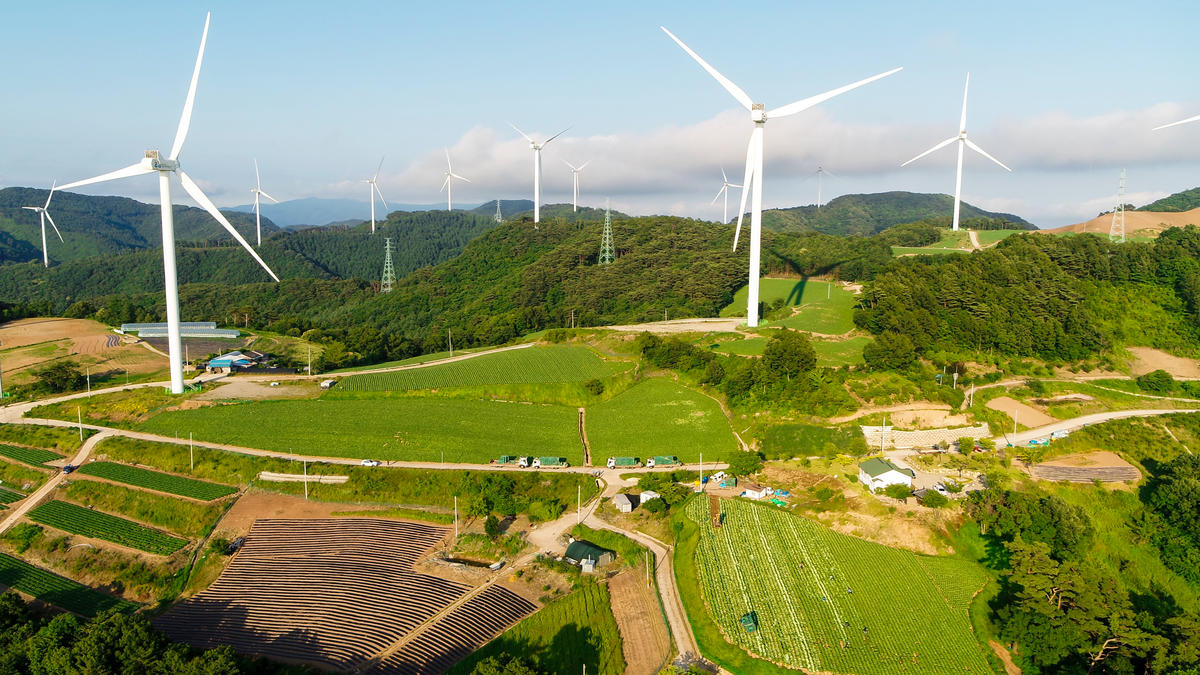
Climate & Energy
Climate change is the greatest environmental threat humanity has ever faced and…
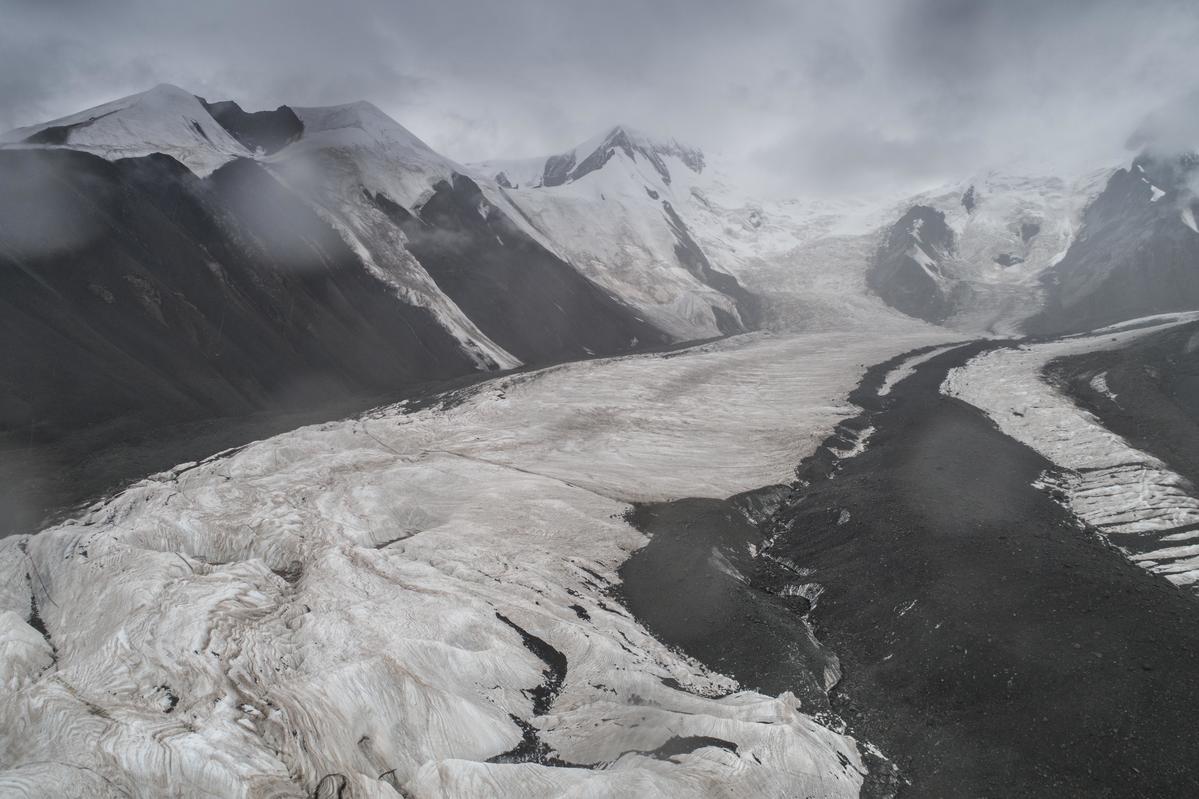
#Climate Impacts
Our climate is sick but we have the power to heal it…
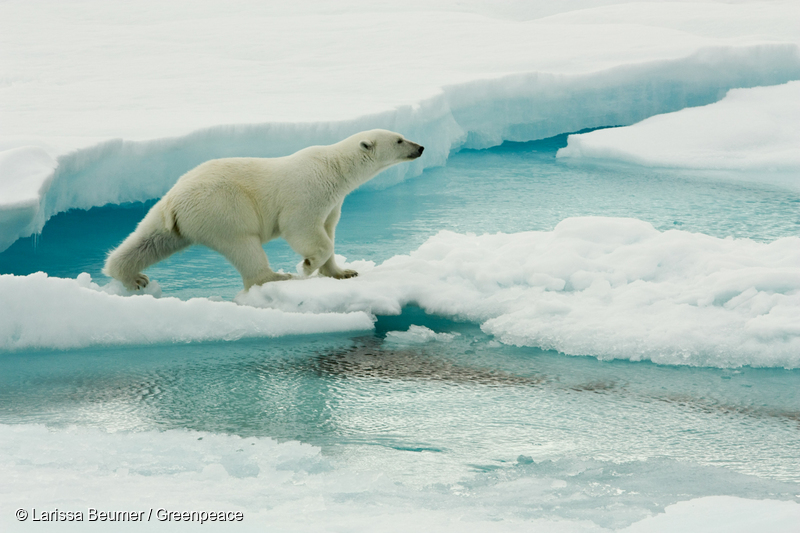
Protect Nature
Greenpeace strives to protect the most precious ecosystems for the climate and…
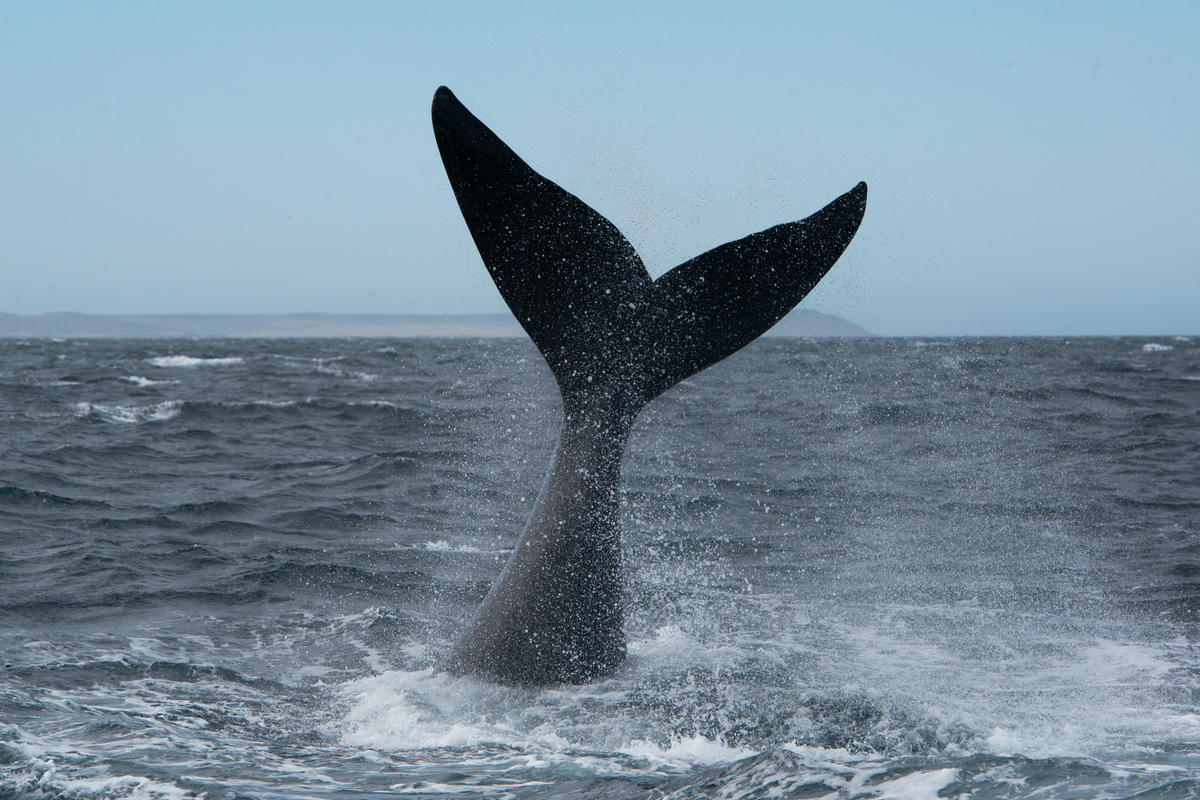
#Oceans
Oceans feed us and stabilize the climate. They are being emptied of…

Live Sustainably
We work together to usher in a greener, fairer and more peaceful…
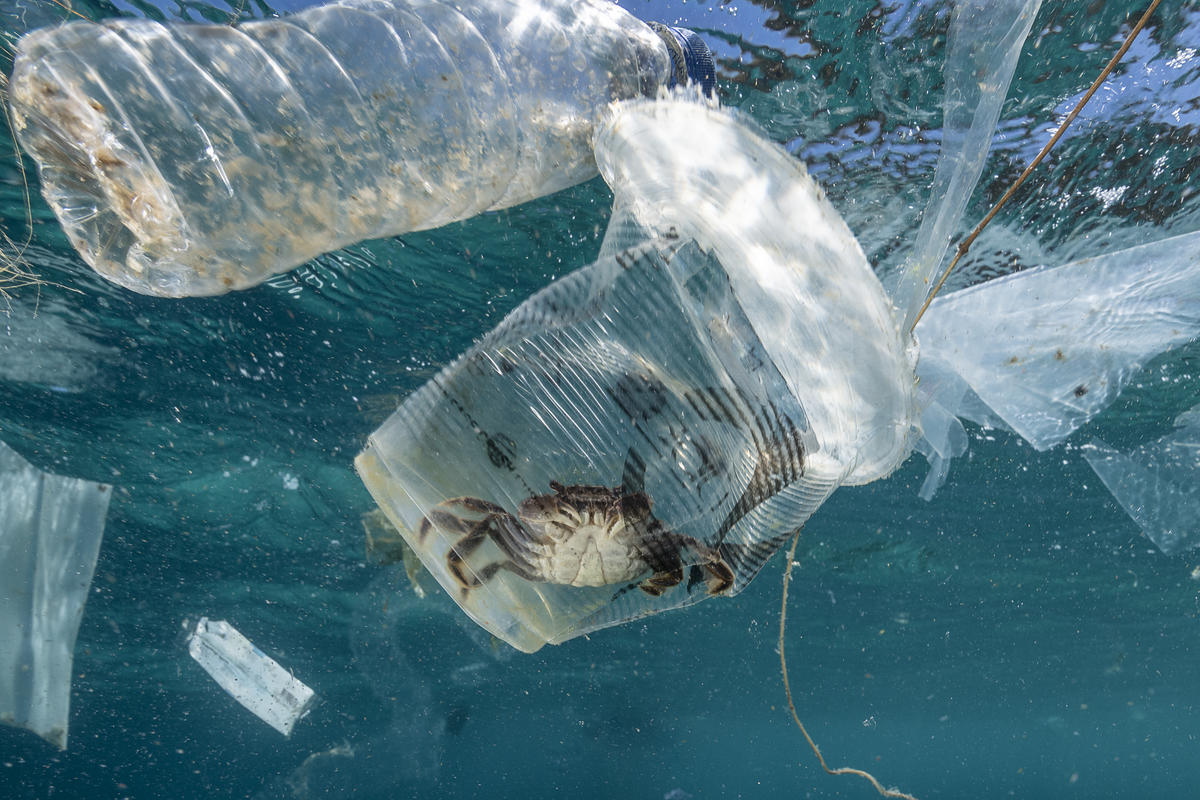
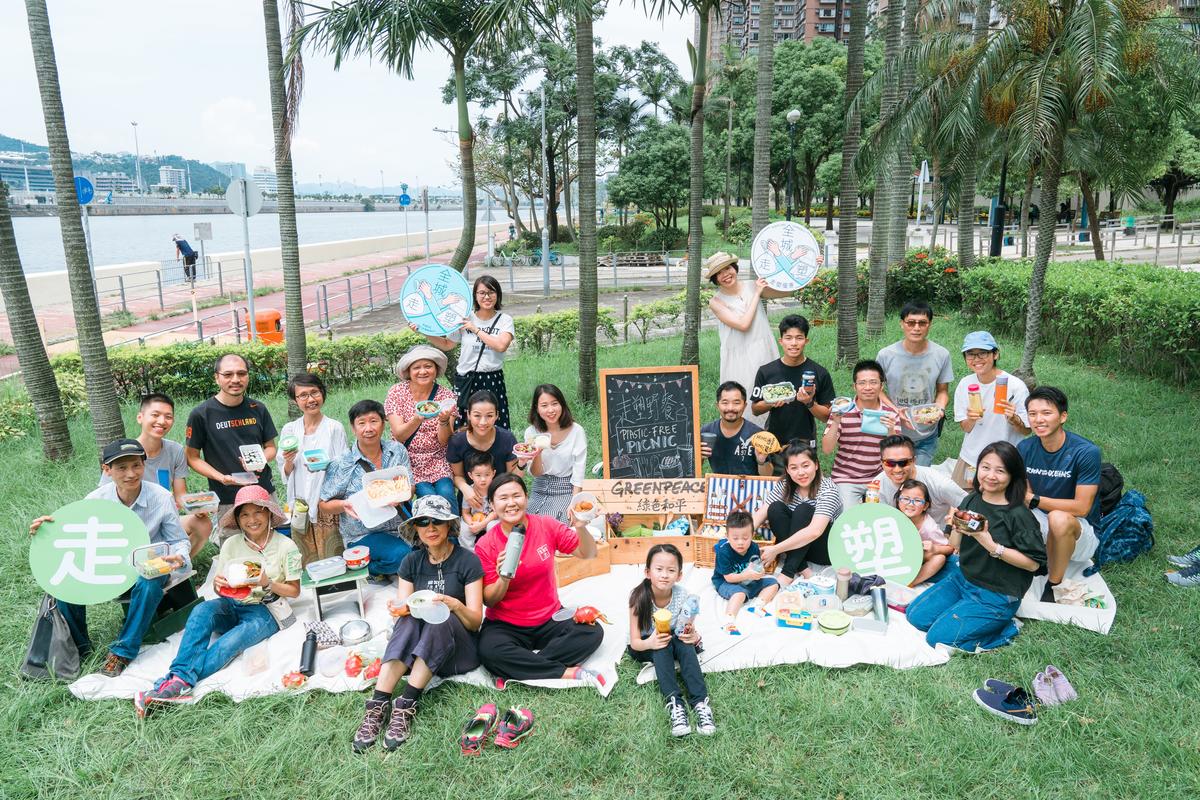
#Plastic
Time to ditch the single-use plastic
-

Beyond EV Sales: Why Battery Lifecycle Responsibility Matters as China Goes Global
As China’s EV and battery makers expand overseas, traceability, carbon disclosure and recycling are becoming conditions of market access. A recent workshop showed how much still calls for action.
-
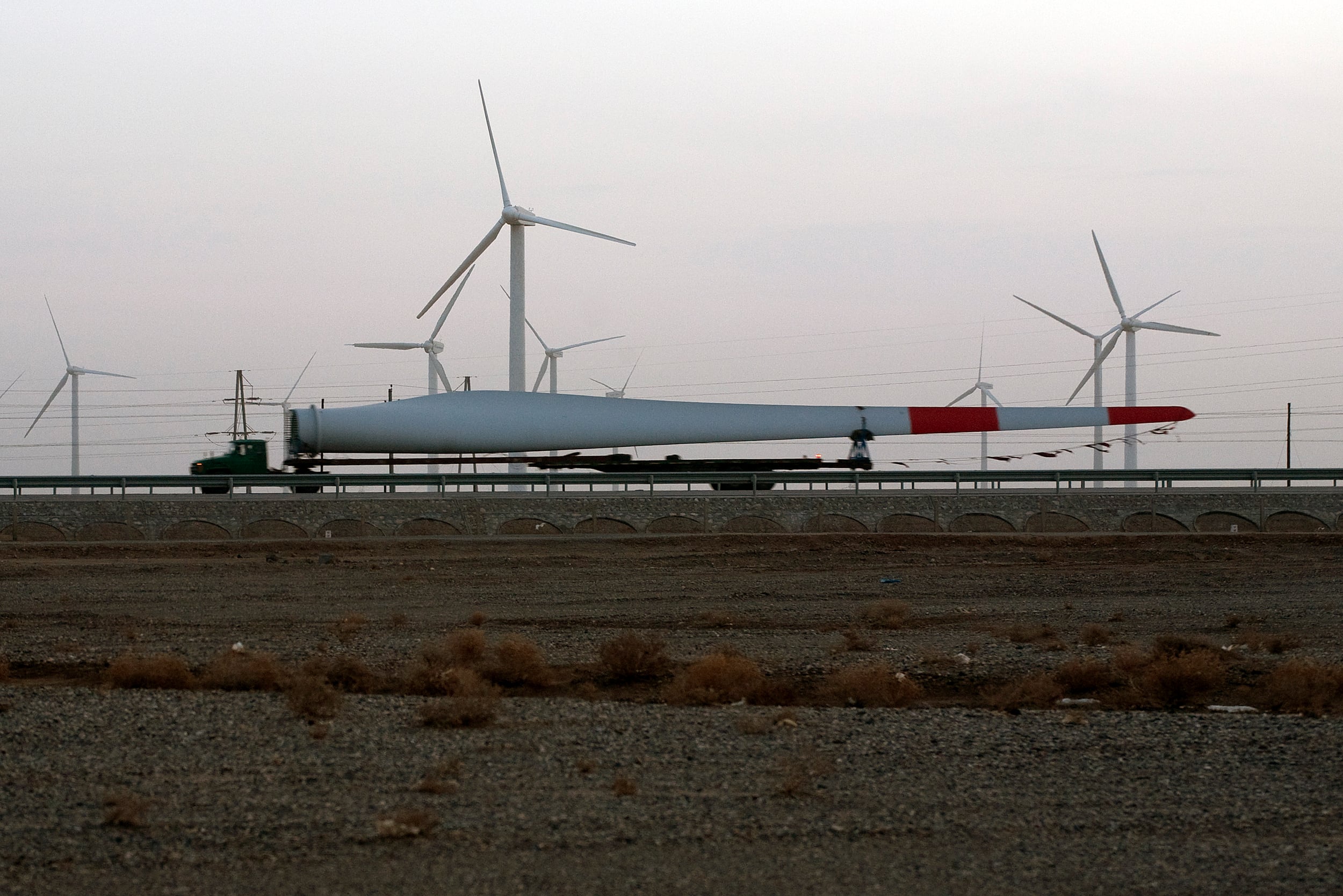
Greenpeace East Asia comment on Chinese government report showing China’s 80% impact on global electrification
Beijing – China Electricity Council on September 22 released the “China’s Electrical Development Annual Report 2026”, finding that China has been a primary global driver of electrification accounting for 80%…
-

South Korea’s AI Mega Projects Threaten National Carbon Targets Even with 220GW Renewable Expansion: Greenpeace Report
Despite South Korea’s target to expand renewable energy capacity to 220GW by 2040, incorporating power demand from upcoming industrial mega-projects into the 12th Basic Plan for Electricity Supply and Demand will make achieving the Nationally Determined Contribution (NDC) carbon reduction goals virtually impossible, according to a new report.