
Allowed in Africa. Banned in Europe. Stop toxic pesticides now.
Our shocking new report reveals that in Kenya, Ghana, and South Africa, nearly half of registered pesticides used in farms daily are highly hazardous. To make things worse, many of these are banned in Europe for endangering people, food and their land and water. But they are exported to Africa and our governments are letting this legal poison in.
This can not continue.
Scroll down for more information and actions you can take.
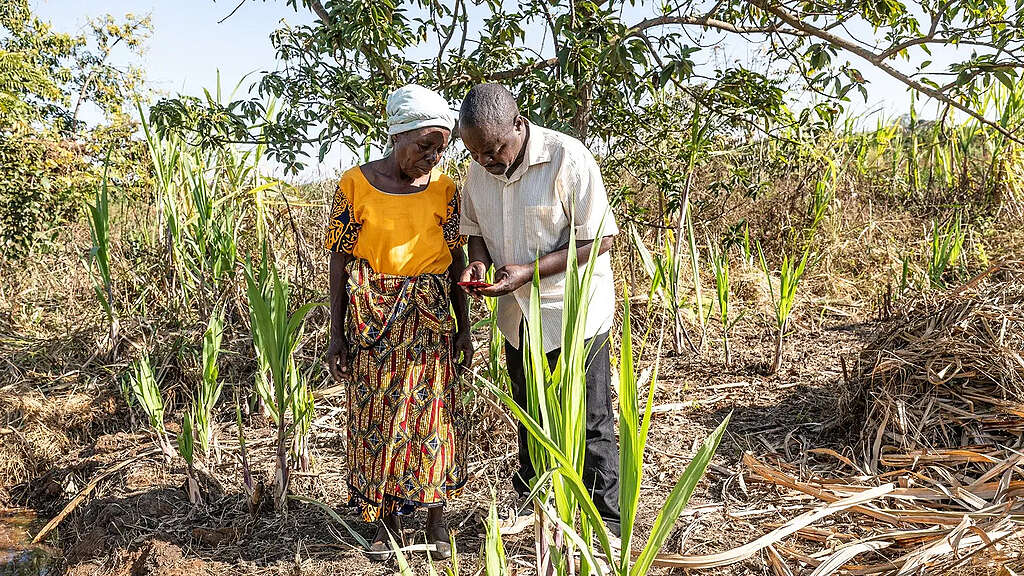
In 29 African nations, approximately 80% of tested soil samples are contaminated with pesticide residues. Many of these chemicals are highly toxic and persistent, damaging soil biodiversity and fertility while posing a serious threat to sustainable food production across the continent.
Pesticide residues are frequently detected in everyday meals, with levels often exceeding international safety limits.
We cannot call it food security if we are poisoning ourselves.
This is a wake‑up call.
Join us in defense of our dignity.
Over 50% of Water Samples in African Regions poisoned
80% of soils contaminated
Across the continent, up to 80% of tested soils in 29 African countries contain pesticide residues, many of them highly toxic and long‑lasting, undermining soil life, fertility, and long-term food production.
40% Extinction Risk
Up to 40% of insect pollinators are at risk of extinction threatening key foods like fruits, vegetables, nuts, beans, and seeds , undermining nutrition and livelihoods.
Banned in Europe. Exported in record volumes.
Business is booming. Pesticides deemed too dangerous for European farms are still manufactured, exported to Africa, and our governments continue to approve their import and use.
Poison on our plates
Pesticide residues linked to cancer, reproductive harm, and neurological damage are being detected in food consumed daily across the continent.
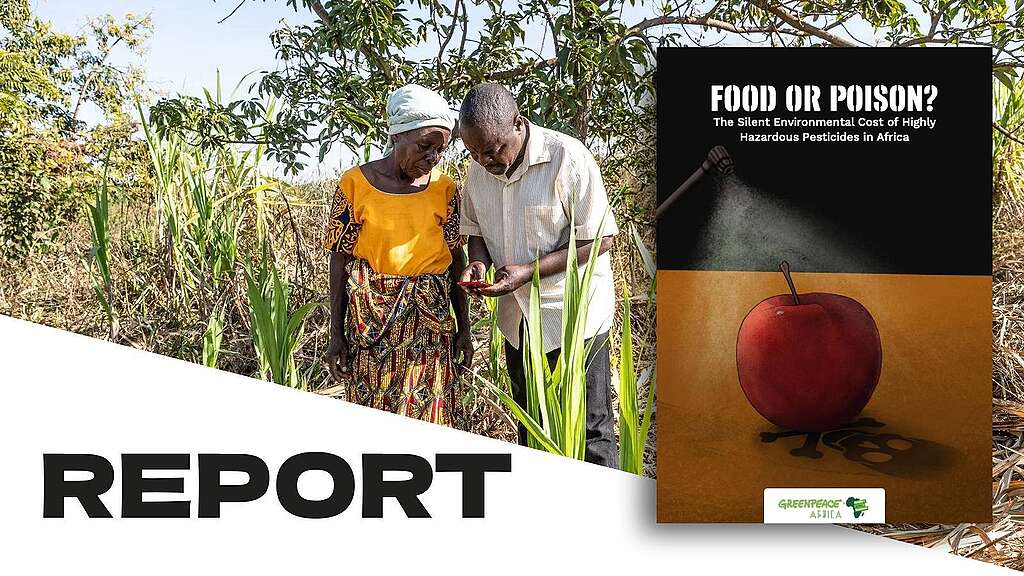
FOOD OR POISON?
The Silent Environmental Cost of Highly Hazardous Pesticides in Africa
📢 The human cost of HHPS
A Continental Call to Action
🚫 Phase out Highly Hazardous Pesticides across Africa.
Chemicals banned elsewhere must not be registered, imported, or used on the continent.
🌱 Prioritise agroecology and soil health.
Agricultural policy must support biodiversity, healthy soils, and natural pest control over chemical dependence.
👩🏾🌾 Support farmers to transition.
Provide farmers with the resources and training needed to adopt safe, sustainable alternatives.
🌍 End toxic double standards in trade.
Companies should not be allowed to export to Africa chemicals they cannot use at home.
You can help bring an end to public health emergency
Toxic pesticides remain widespread because powerful interests profit while communities suffer. Your support helps expose this injustice, train farmers in safer alternatives, and push leaders to act before more lives are harmed.
Frequently asked questions about HHPS
What are Highly Hazardous Pesticides (HHPs)?:
The International Code of Conduct on Pesticide Management defines Highly Hazardous Pesticides (HHPs) as:
Pesticides that are acknowledged to present particularly high levels of acute or chronic hazards to health or the environment according to internationally accepted classification systems such as WHO or the Globally Harmonized System (GHS), or their listing in relevant binding international agreements or conventions. In addition, pesticides that appear to cause severe or irreversible harm to health or the environment under conditions of use in a country may be considered to be and treated as highly hazardous.
How do HHPs differ from other pesticides?
Not all pesticides carry the same level of risk. Highly Hazardous Pesticides are a specific group identified because they pose particularly serious threats to human health or the environment.
They include chemicals that can cause cancer, damage reproductive health, disrupt hormones, harm the nervous system, or cause long-lasting environmental damage. In many cases, these risks are inherent to the chemical itself, meaning they cannot be fully managed through protective measures alone.
Why should people be concerned about HHPs?
HHPs can cause serious harm to people and ecosystems:
- They are more likely to cause acute poisoning.
- Many are linked to chronic health issues such as cancer, reproductive harm, hormone disruption, and neurological damage.
- They persist in soil and water, harming biodiversity and food chains
How do HHPs enter our food and environment?
HHPs can enter food and ecosystems through:
- Direct application on crops.
- Residues in soil that persist and are taken up by plants.
- Runoff into water systems, affecting rivers, fish, and irrigation sources.
- Contaminated food products that reach consumers.
Because many HHPs are used where regulations are weak or less protective, residues can accumulate in everyday foods and water.
Why are banned pesticides still used in Africa?
When the European Union bans a pesticide, the ban usually applies to its use within EU member states. It does not automatically prohibit companies from manufacturing that same chemical for export.
Under current EU trade rules, companies can continue producing pesticides that are banned for domestic use and legally export them to countries with different regulatory standards. Exporting countries are required to notify importing governments under international procedures such as the Rotterdam Convention’s Prior Informed Consent (PIC) mechanism. However, unless the importing country chooses to refuse the shipment or has banned the product nationally, the trade can proceed.
This creates a regulatory gap: Unless African governments independently restrict or prohibit these substances, they remain legal to import, register, and use.
Are there safer alternatives to Highly Hazardous Pesticides?
Yes. Agroecology and ecological farming provide proven pathways to reduce and eliminate dependence on Highly Hazardous Pesticides while strengthening food security.
Agroecology is a whole-system approach to agriculture that combines ecological science with local knowledge to build resilient, sustainable food systems. It works with natural processes strengthening biodiversity, restoring soil health, improving climate resilience, and supporting farmer innovation, instead of relying heavily on hazardous chemical inputs.
Key pillars of this approach include:
- Diversified farming systems; crop rotation, intercropping, mixed farming, and landscape diversity disrupt pest cycles and reduce the conditions that allow outbreaks to spread.
- Soil regeneration and fertility building; composting, cover crops, mulching, and organic soil management restore soil biology, improve nutrient cycling, and increase plant resilience to pests and disease.
- Biodiversity-based pest regulation; protecting beneficial insects, natural predators, pollinators, and surrounding habitats allows ecosystems to regulate pests naturally.
- Farmer-led knowledge and local seed systems; strengthening farmer autonomy, local seed diversity, and ecological knowledge reduces dependence on externally controlled chemical inputs.
African Governments must shift public investment away from chemical-dependent models and actively finance agroecological transition, redirecting research, subsidies and policy support towards systems that protect health, biodiversity and long-term food sovereignty.