
Change My Community
Big change starts with small steps. It starts with you keeping nature intact. It starts with you demanding change in your community.
What you can do
-
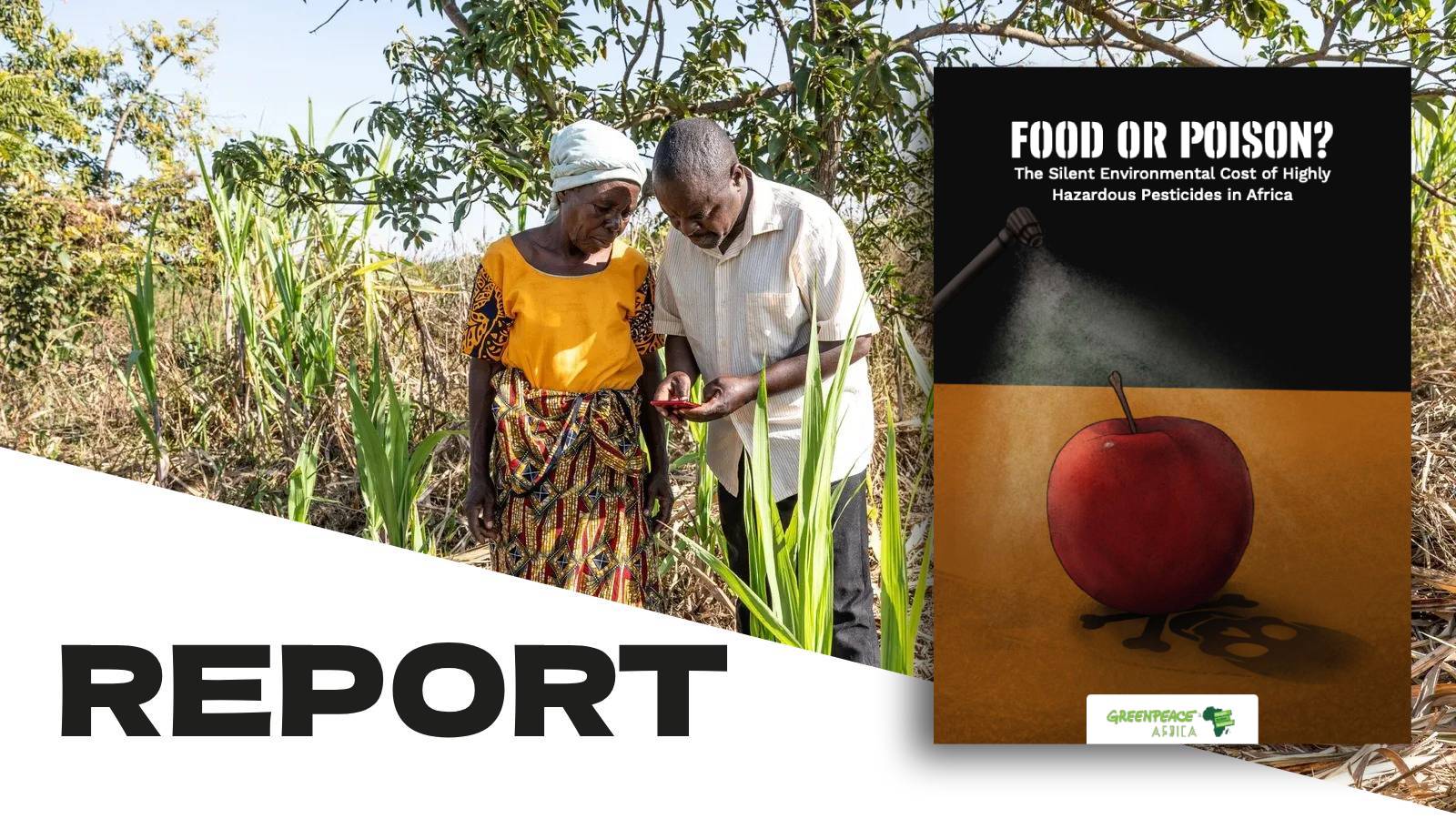
REPORT | Food or Poison? The Silent Environmental Cost of Highly Hazardous Pesticides in Africa
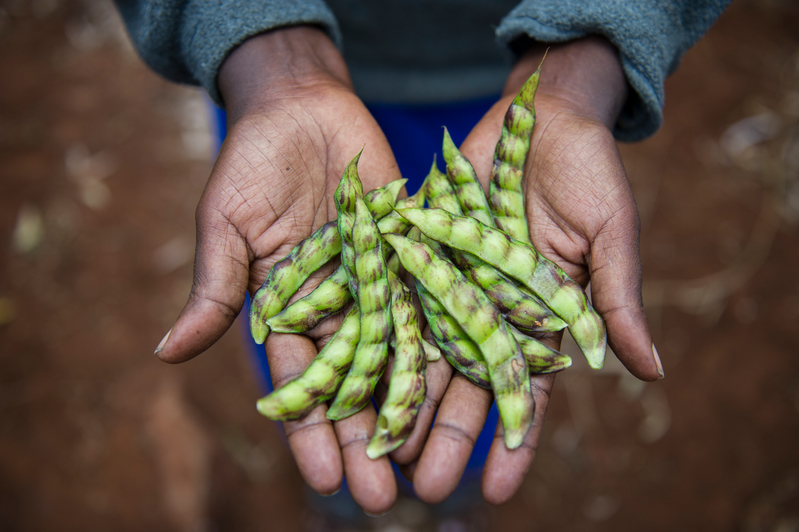
This report highlights the growing reliance on Highly Hazardous Pesticides (HHPs) across the continent, particularly in Kenya, Ghana, and South Africa. While these chemicals are often marketed as essential for boosting crop yields, the report argues they are actually “poisoning the foundations of our food systems” by destroying soil health and killing critical pollinators like…
-
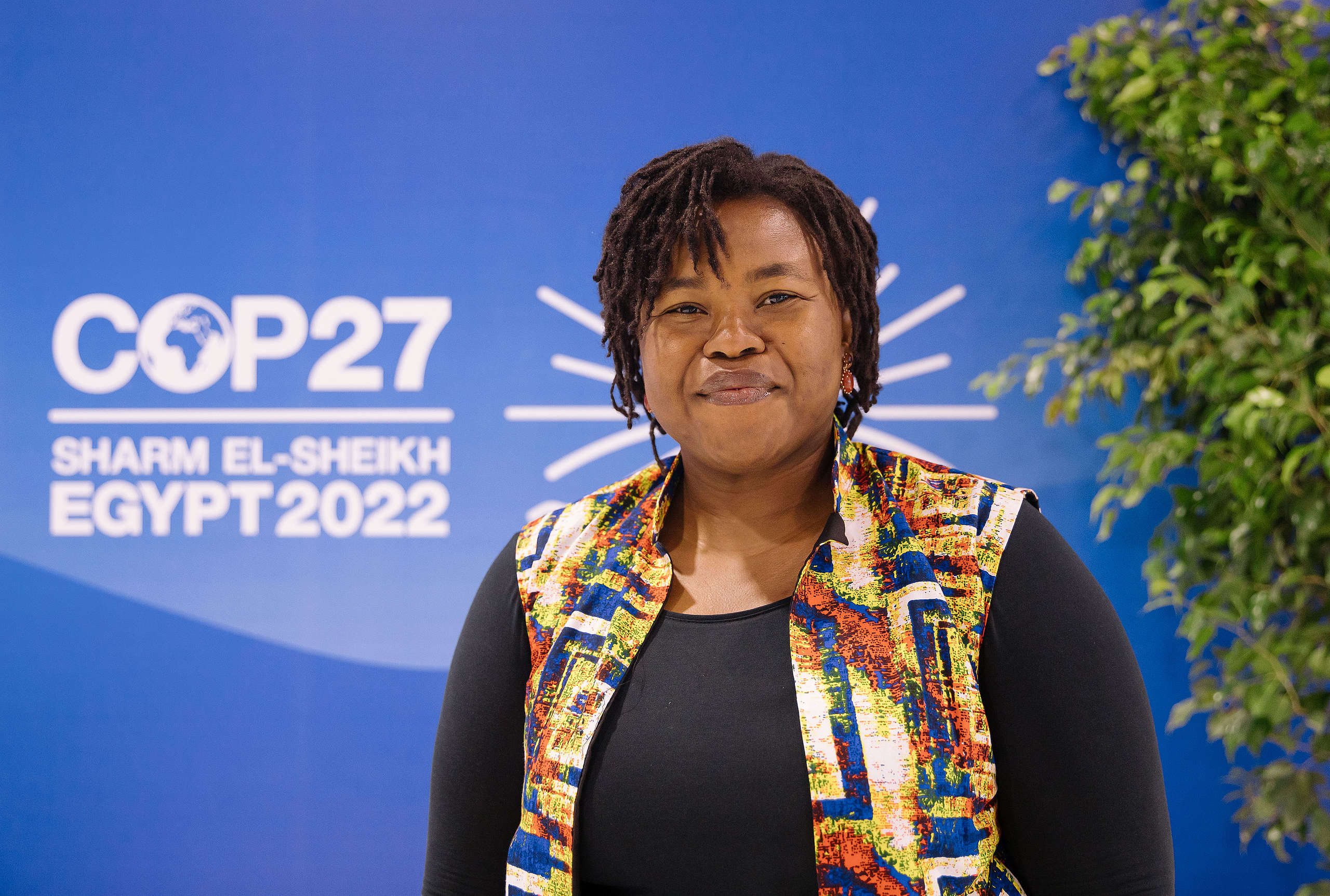
Should climate funding be a deal breaker for climate action in Africa?
As the world looks yet again with hope and anticipation to the current round of talks in the global climate conference in Egypt (COP27), it is clear that one of the most critical ways to address the climate quagmire is to make polluters pay.
-
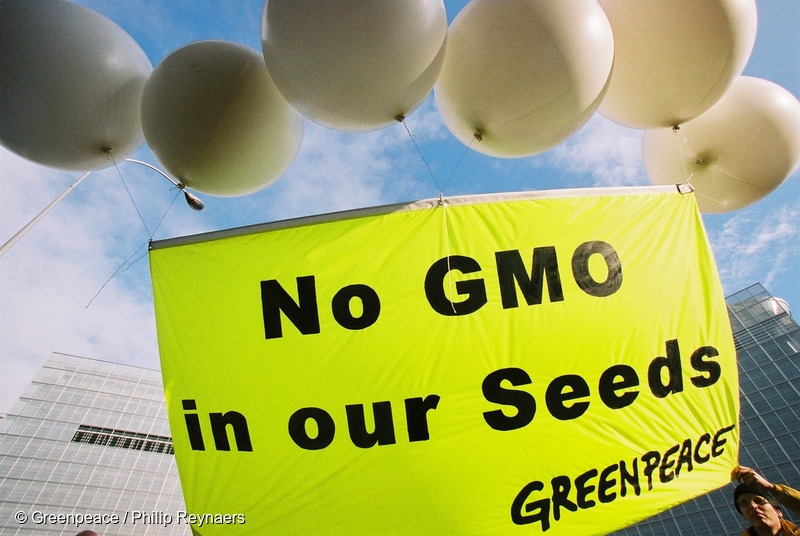
GMOs: A neo-colonial technology undermining food and seed sovereignty in Kenya
Kenya has lifted its 10 year ban on Genetically Modified Organisms (GMOs). The World Health Organisation (WHO) defines GMOs as organisms (plants, animals or microorganisms) whose genetic material (DNA) has been altered in a way that does not occur naturally through mating and/or natural recombination.
-
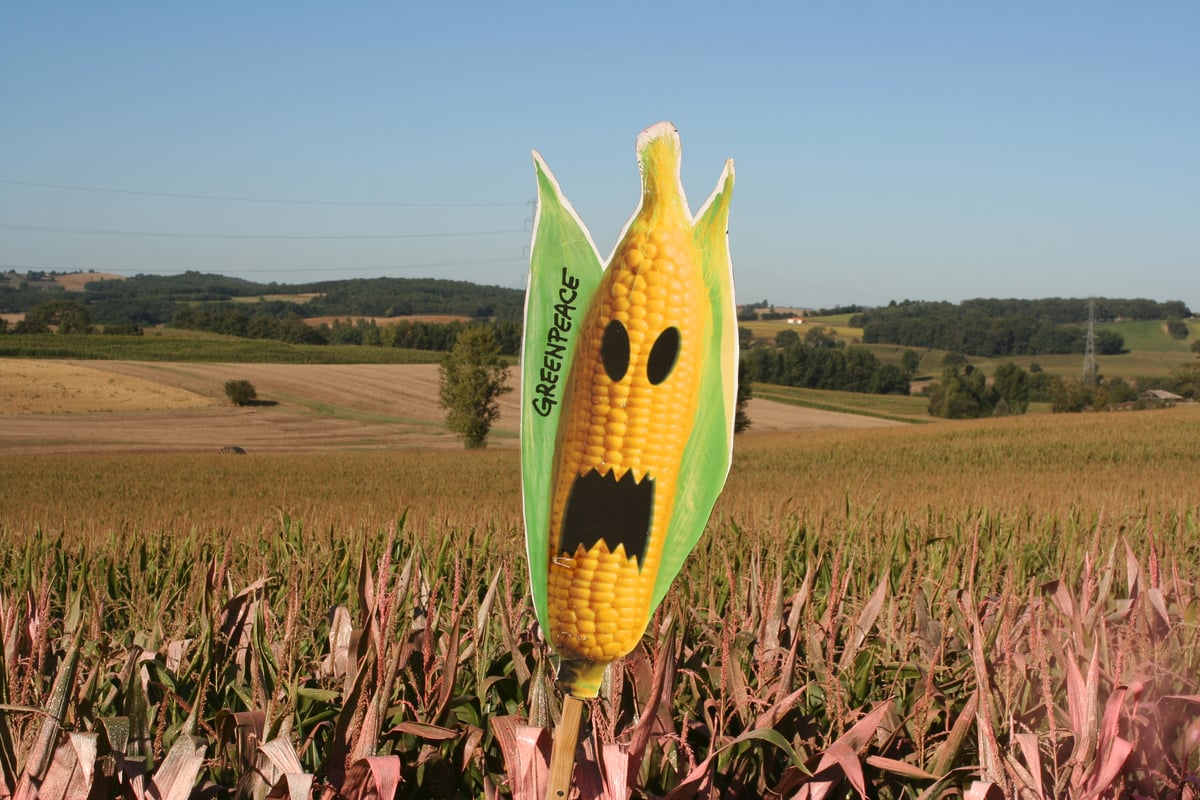
GMOs: A neo-colonial technology undermining food and seed sovereignty in Kenya
Kenya has lifted its 10 year ban on Genetically Modified Organisms (GMOs). The World Health Organisation (WHO) defines GMOs as organisms (plants, animals or microorganisms) whose genetic material (DNA) has been altered in a way that does not occur naturally through mating and/or natural recombination.
-
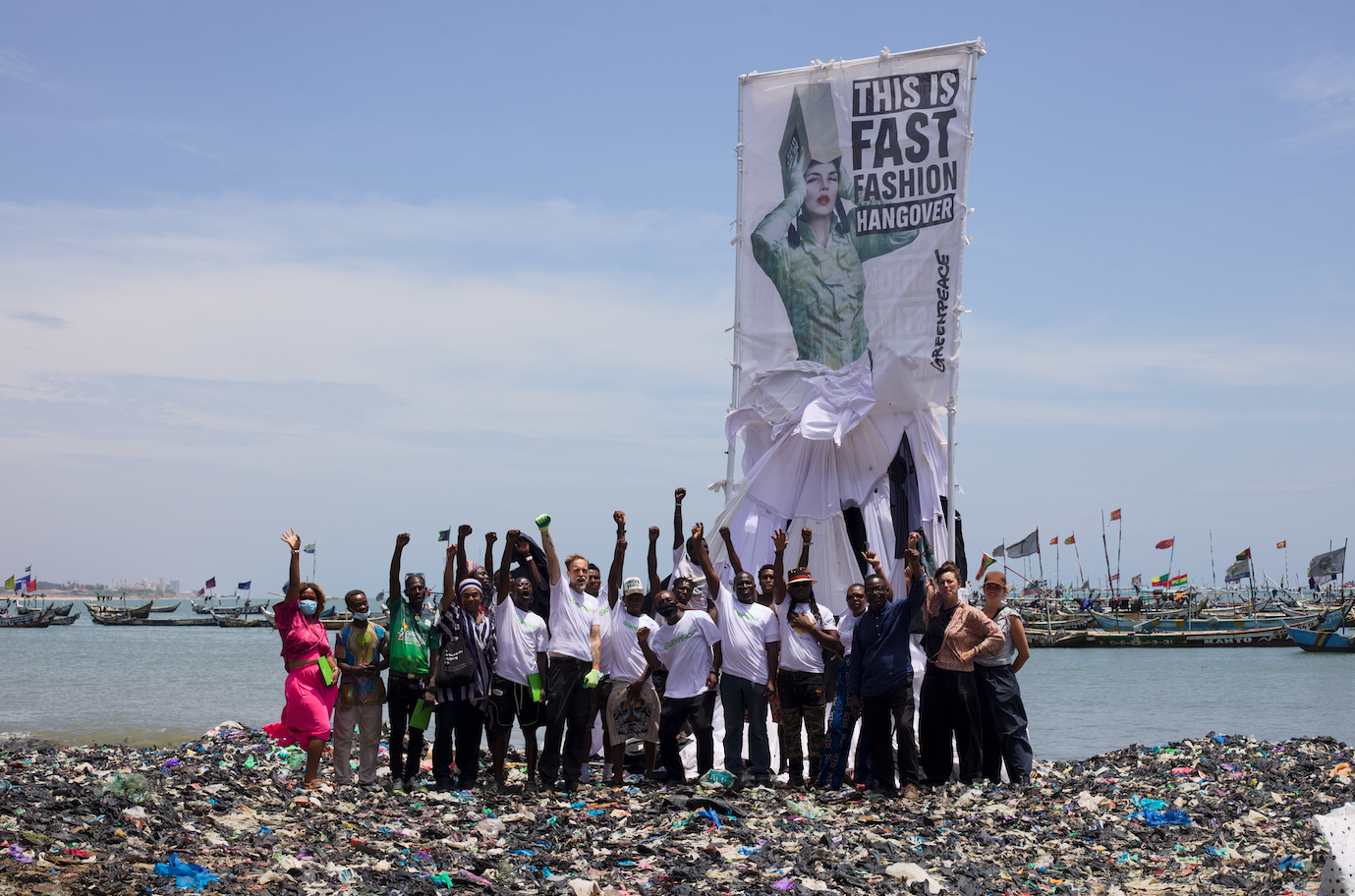
Greenpeace reveals brands found in Ghana’s textile waste as anti fast fashion installation is unveiled
Following a brand audit in Accra, Greenpeace calls for producer accountability and stronger protection for Ghana’s clothing economy, public health and the environment.
-
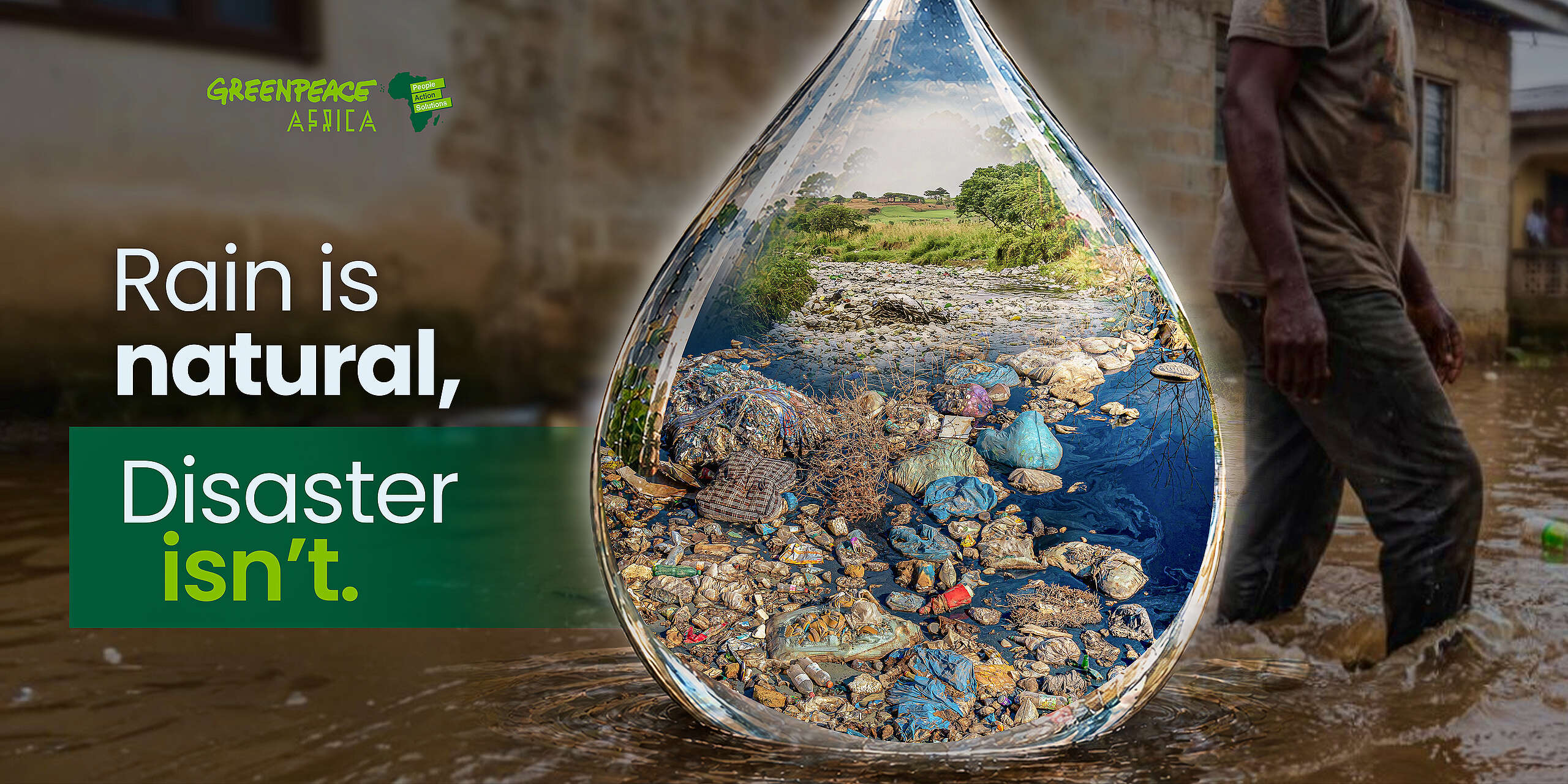
Rain is natural. Disaster should not be.
Heavy rain doesn’t have to become a disaster. What happens next depends on more than the weather.
-
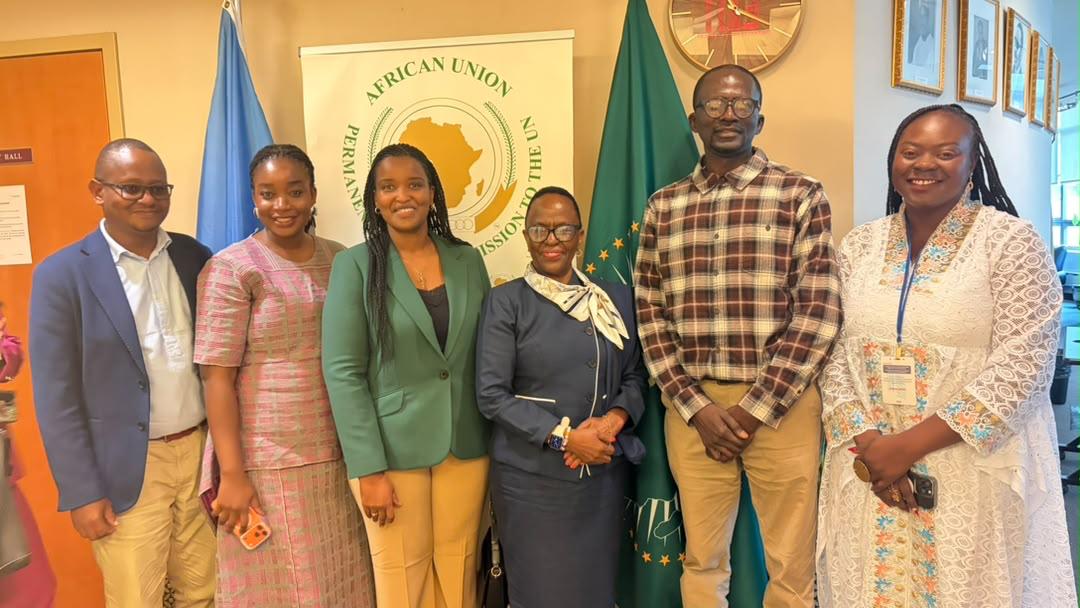
Beyond being invited: Africa’s geopolitical moment at UNGA 81
The 81st session of the United Nations General Assembly (UNGA) marked a subtle yet profound shift in how African leaders and advocates engage on the world stage.