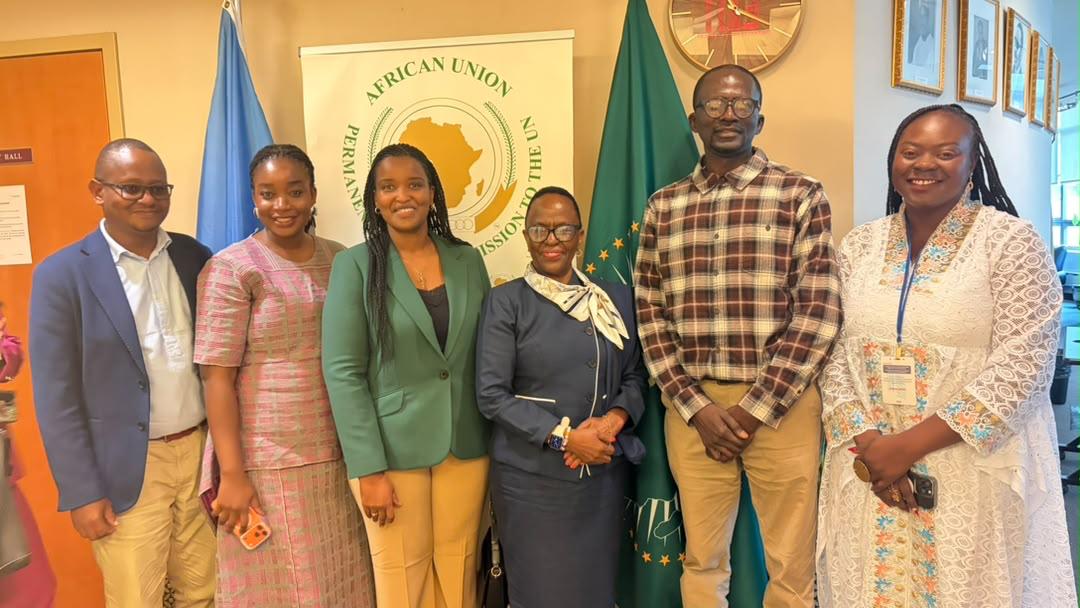
As I prepare to attend the 81st United Nations General Assembly (UNGA) in New York, I find myself asking a question that goes beyond what leaders will discuss: What should Africa expect to deliver?
Across the continent, climate change is no longer a distant threat but it is disrupting daily life. From Ghana to Mozambique, floods are sweeping away homes, schools, roads and crops. Droughts are eroding food security and pastoral livelihoods. And extreme heat is placing growing pressure on cities and health systems.
The World Meteorological Organization estimates that weather and climate-related hazards affected at least 13 million people across Africa in 2025. Floods accounted for more than half of the extreme weather events reported that year. Flooding killed more than 200 people in Nigeria and more than 160 in the Democratic Republic of the Congo while drought affected over 8.5 million people in East Africa in 2025.
Behind every one of these figures is a person: a farmer who lost a harvest, a pastoralist grazing land and searching for water, a fisherman watching catches decline, a parent who lost their children. We did not hear this secondhand: we have spoken with people affected from Homa Bay in Kenya, Kayar in Senegal and Tongaat, in the North of Durban, in South Africa. In our documentary, “Surviving The Aftermath: Who Pays?”, we bring raw, powerful testimonies straight to the screen, laying bare the human cost of a crisis driven by corporate greed. Extreme weather isn’t just hitting Africa harder – it’s tearing lives apart, forcing communities to pay the ultimate price while fossil fuel giants rake in billions. These stories are a ringing wake-up call, a demand for immediate justice, and a battle cry to kick polluters out of Africa, make them pay for the damages they have caused and stop extraction once and for all.
Against this backdrop, the theme of this year’s General Assembly is “Restoring Trust, Managing Transformation: A United Nations That Delivers for All.” UNGA81 will bring leaders together for high-level discussions on climate action and the just transition, followed by a meeting on the existential threats posed by rising sea-levels. Sustainable development, water, oceans, biodiversity, vulnerable countries and the right to development are also firmly on the agenda.
The restoration of trust, within the African context is of particular interest as the continent has failed communities. When it comes to just transition, communities have too often been asked to accept transformation without being asked what justice means to them and without having a meaningful stake in shaping what comes next. When it comes to forests, land rights remain unenforceable on the ground, leaving rights-holders vulnerable while forests, livelihoods and biodiversity are lost.
Africa has heard decades of climate promises. The time has come to turn those promises into reality – into finance that reaches communities, public services that work, rights that are protected, and economic opportunities that leave no one behind.
Climate justice cannot remain a promise on paper. It must be felt in people’s lives, protected in their rights, and visible in the opportunities they have to build a better future.
The timing could hardly be more urgent, especially following the new United Nations Environment Programme Assessment warning that the world is likely to exceed 1.5°C of warming within the next few years. Returning below that threshold later this century may remain possible, but it is not guaranteed. Every fraction of a degree and every year spent above 1.5°C will expose more African communities, livelihoods, cities, ecosystems and economies to greater danger.
So, what should Africa demand UNGA81 deliver?
Turn climate commitments into national policies and budgets
For decades, the problem has been implementation of climate commitments. Climate plans cannot protect people if they remain disconnected from public budgets and development decisions. Therefore, this time governments should arrive at UNGA81 prepared to explain what will change when they return home. Which policies will be introduced or strengthened? How will climate commitments be reflected in national budgets? What investments will be made, by when, and who will be accountable for delivering them? These are not new questions. They are longstanding demands that now require greater action, stronger accountability, and a clear orientation toward delivery.
This matters because Africa is not short of climate ambition. The continent contributes only around 2-3 per cent of global greenhouse-gas emissions, yet more than 80 per cent of African national climate plans include emissions-reduction targets. Many also identify urgent priorities for adaptation, agriculture, water, energy and land use.
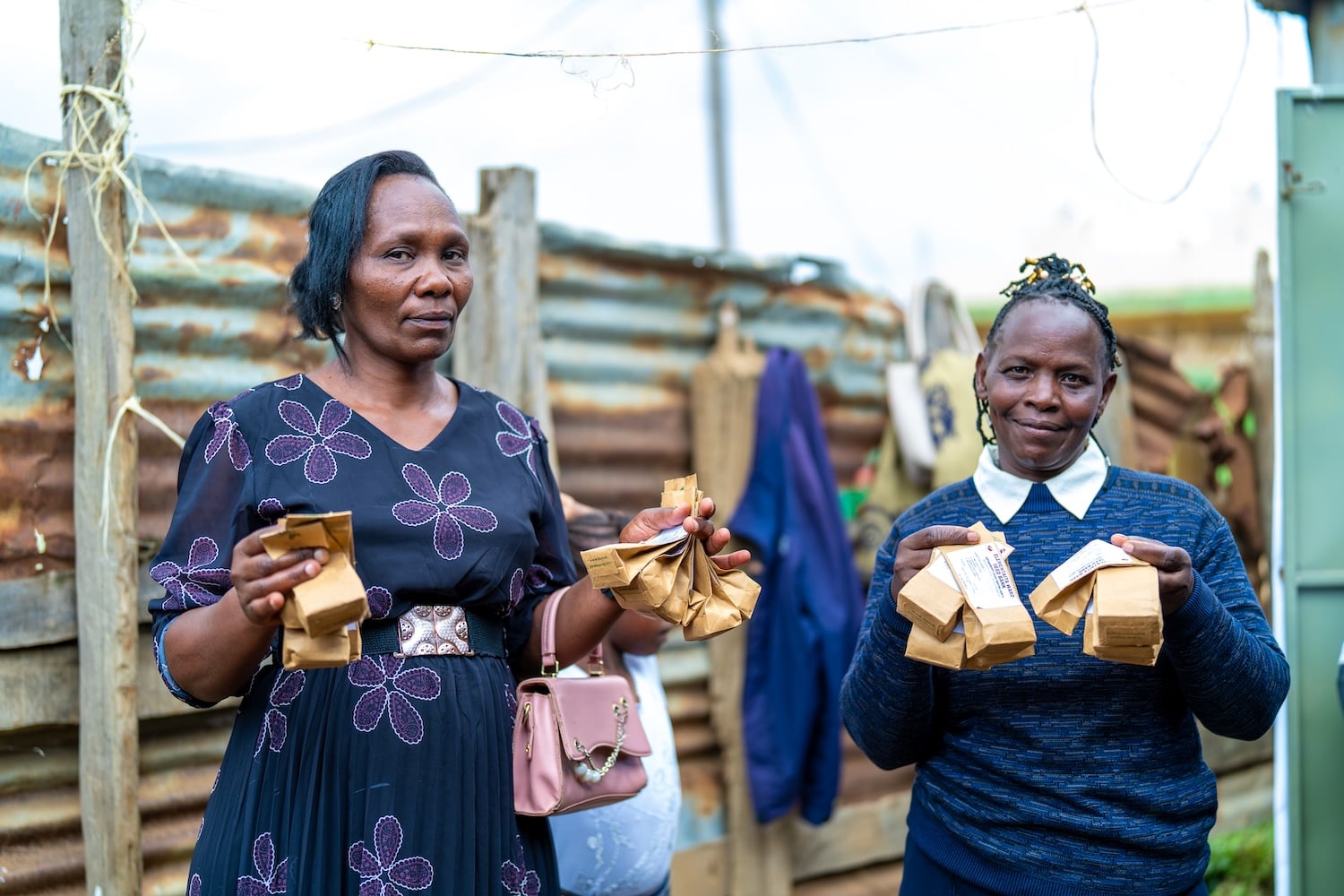
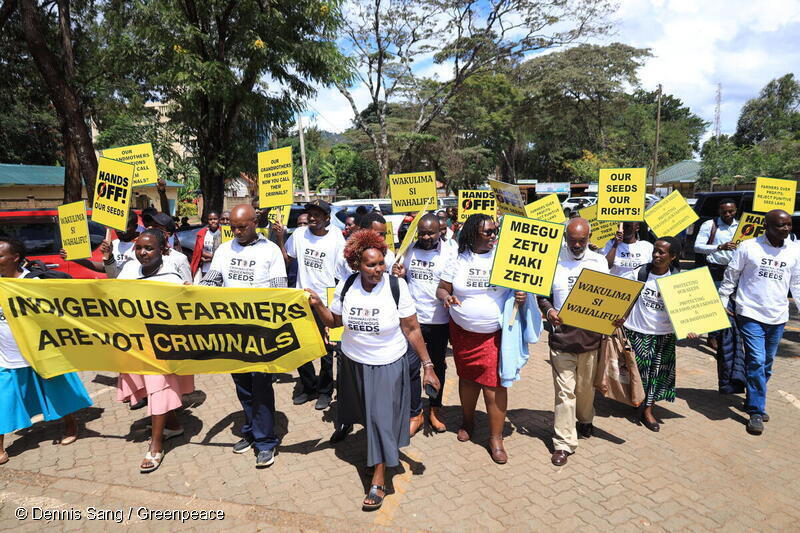
Moreover, implementation needs to be shaped by the people who are most affected. Farmers, Indigenous Peoples, mining communities going through transition, women-led groups, pastoralists, fishers and people living in informal settlements should not be brought to validate decisions that have already been made. They need to be part of the process from the beginning, with a real say in the policies, budgets and investments that affect their lives. Young people, who make up around 60% of Africa’s population, also need to be active players in shaping these developments. They should not be treated as an afterthought, but as partners in shaping the decisions that will affect their future.
Make climate finance accessible, predictable and fair
Climate finance is an old expectation, but the conversation must now move from promises and headline figures to delivery. The cost of adaptation in sub-Saharan Africa is estimated at US$30–50 billion annually over this decade. Globally, however, international public adaptation finance to developing countries fell from US$28 billion in 2022 to US$26 billion in 2023. The gap between what developing countries need and what they receive now stands at hundreds of billions of dollars each year. The problem is not only how much finance is available, but also how it is delivered.
UNGA81 should advance reforms that make climate finance easier to access, more predictable and more responsive to national and community needs. That means increasing grant-based public finance, addressing unsustainable debt and reforming an international financial architecture.
Protect people through adaptation, early action and human rights
Climate resilience must be about more than protecting infrastructure. It must protect people’s lives, livelihoods, rights and ability to make choices in the face of climate risks. This is particularly urgent in Africa, which accounted for 35 per cent of deaths from weather, climate and water-related disasters between 1970 and 2021.
Early-warning systems can save lives, yet only around 40 per cent of Africa’s population has access to them – the lowest coverage of any region in the world. But a warning is only as effective as people’s ability to act on it. If a family knows a flood, cyclone, heatwave or drought is coming but has nowhere safe to go, no income protection and no resources to prepare, information alone will not keep them safe.
Climate action must therefore move from early warning to early action. At UNGA81, this means strengthening international cooperation and increasing finance for the community capacity, infrastructure, and public systems needed to ensure that warnings lead to timely action and meaningful protection.
Make the transition fast and genuinely just
The clean-energy transition must accelerate. But speed alone will not make it just. We must ensure that the transition does not reproduce the inequalities and extractive relationships that have shaped the fossil-fuel economy.
African countries cannot exchange one form of dependency for another or surrender their minerals and public revenues in the name of a transition. Businesses must be held accountable for their environmental and human-rights impacts rather than rewarded merely for adopting the language of sustainability.
A just transition must create economic opportunities for African people and should not impose environmental obligations on an already struggling population. And it must ensure that those most responsible for the climate crisis carry their fair share of the cost.
Restore trust by delivering
Trust will not be restored through more commitments or pledges. It will be restored through action when people can see that global commitments are making a difference in their everyday lives.
It will be restored when coastal communities in West Africa threatened by rising seas witness resources arriving. When a pastoralist in East Africa confronting drought receives practical financial support. When families living in flood-prone settlements in South Africa, Cameroon, Mozambique have safe housing and functioning drainage. When an African country can access affordable finance for resilient, clean infrastructure without being pushed further into debt. When climate commitments appear in national budgets and policies and are followed through. And when nature is treated not as an optional extractive investment, but as part of the infrastructure of our survival.
As I head to New York, I will listen for more than pledges. I will look for finance that reaches those who need it most, stronger adaptation, meaningful action on loss and damage, protection for communities facing climate displacement, and a just transition that creates opportunity while repairing past harm.
Above all, I will look for proof that multilateralism can still turn global promises into tangible change for our people, our communities, and our planet.

Dr. Oulie Keita
Greenpeace Africa Executive Director