
All articles
-
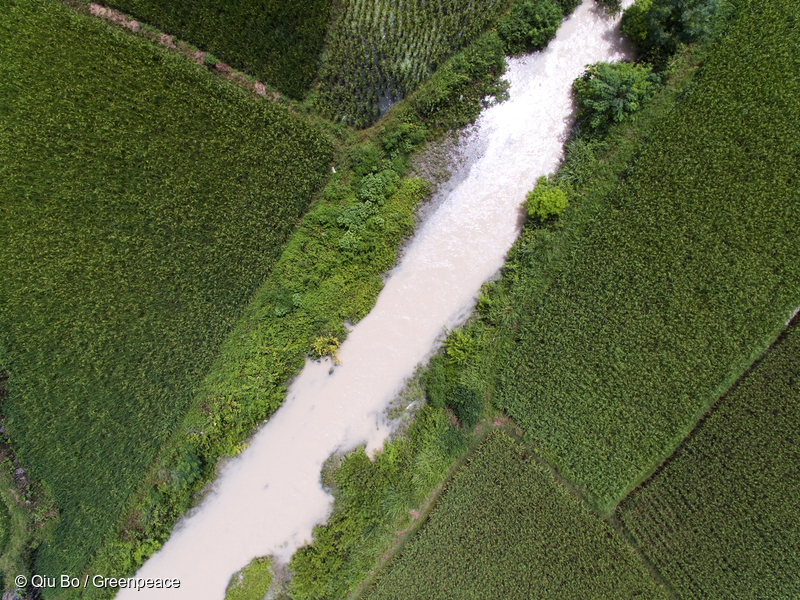
China releases its first ever soil pollution prevention plan, Greenpeace response
Beijing, 31 May, 2016 - China’s State Council today released the Soil Pollution Prevention Action Plan, China’s first ever policy plan aimed at tackling the country’s prevalent soil pollution problem. The document aims to ensure that 90% of currently polluted farmland is usable by 2020. Greenpeace East Asia urges the government to strengthen the plan…
-
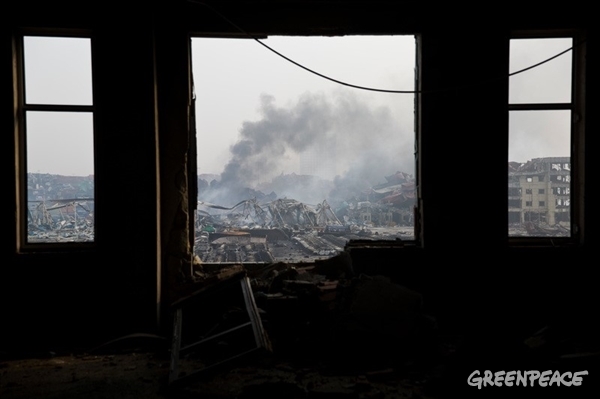
China’s ‘toxic’ school was just the tip of the iceberg: our entire chemicals management system needs to change
A case of sudden mass illness at a middle school in Jiangsu Province threw China’s hazardous chemicals industry into the spotlight last week. However, this wasn’t an isolated incident, but a symptom of China’s widespread and deep-rooted chemicals management problem.
-
15,000 people and key Yangtze River ecosystem areas in close proximity to Jiangsu Deqiao Chemical Storage facility fire, Greenpeace
Beijing, 23 April, 2016 - Yesterday morning at 09:40 the Jiangsu Deqiao Chemical Storage facility in Jingjiang city, Jiangsu Province, caught fire. The facility, located next to the Yangtze River, stores up to 56 chemicals categorised as ‘hazardous’ by the Chinese government. Greenpeace East Asia analysis has found that up to 15,000 people live within…
-
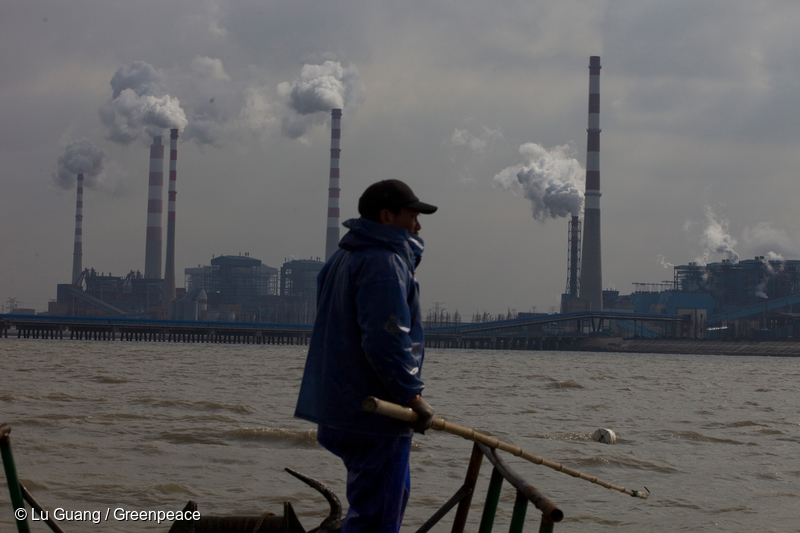
China’s air pollution problem is heading west
The data is in, and at first glance it looks like good news. China’s air quality has improved overall, but much of its less developed middle and western cities have seen marked increases in PM2.5 levels.
-
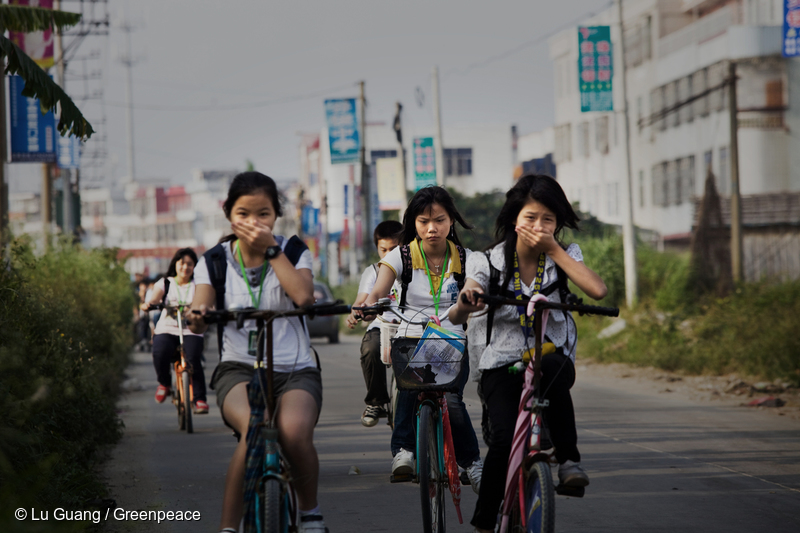
As eastern China’s air quality improves rapidly, 69 cities in central and western China see air quality deteriorating – Greenpeace
Beijing, 20 April, 2016 – Greenpeace East Asia’s city rankings for the first quarter of 2016 show significant improvements in average air quality in 362 cities across the country. The improvements are particularly rapid in eastern China’s three ‘key regions’. [1] However, air quality in more than 85% of cities failed to meet national standards.…
-
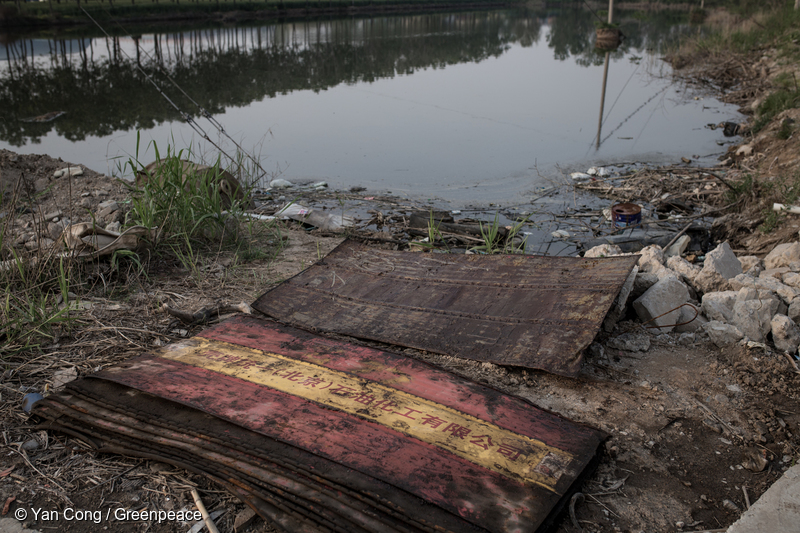
Pollution linked to cases of cancer in Changzhou middle school – Greenpeace response
Beijing, 18 March, 2016 – The news that nearly 500 pupils in Changzhou Foreign Languages School have fallen ill, some diagnosed with cancer, most likely due to extremely high levels of groundwater and soil pollution in the school’s vicinity, is yet another reminder of the seriousness of China’s hazardous chemical pollution. Moreover, the fact that…
-
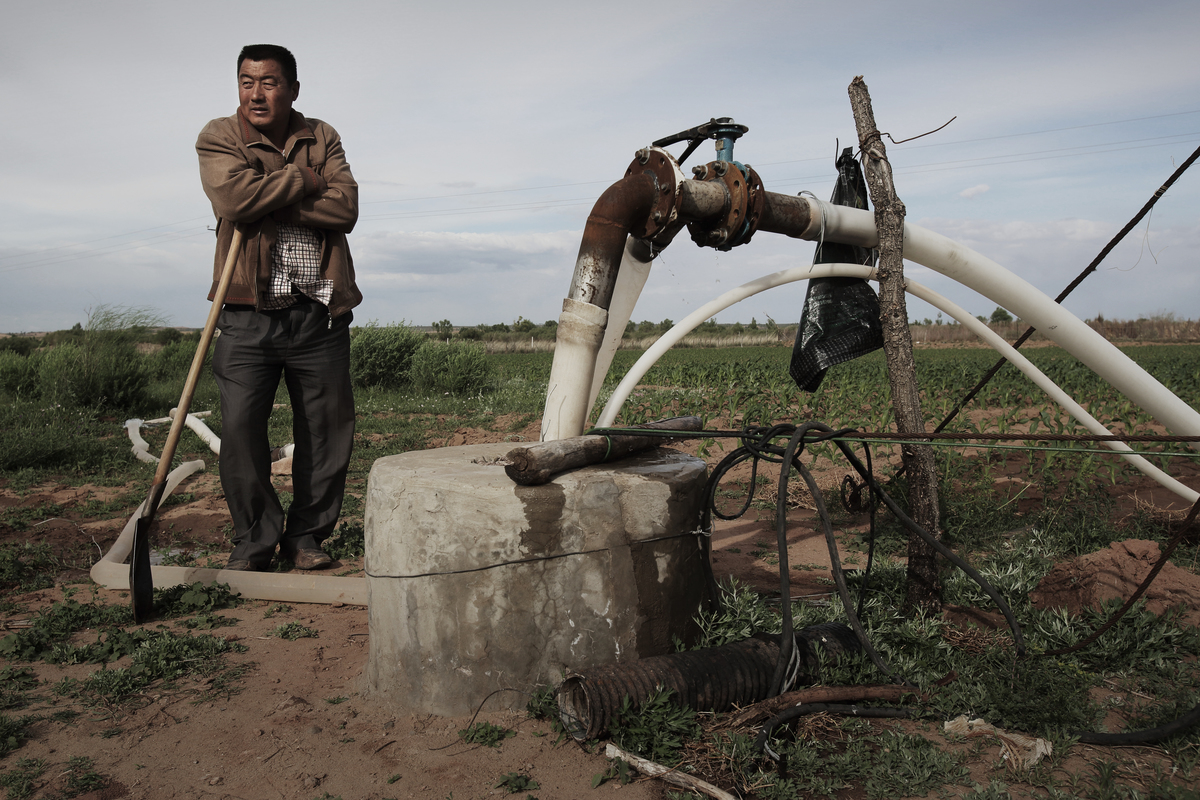
More than 80% of shallow groundwater wells in China unfit for human use, Greenpeace reaction
Beijing, 12 April, 2016 – Yesterday's announcement from China’s Ministry of Water Resources (MWR) that more than 80% of tested shallow groundwater wells in China are polluted and unfit for human use is another stark warning of the extent of groundwater pollution in China.
-
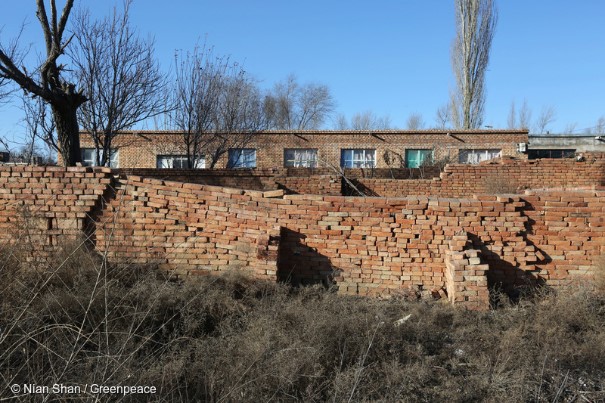
How coal is sucking the life out of the Kuye River Basin
The Kuye River Basin in Northern China is already suffering from severe water stress. So why is the development of water-intensive coal power continuing to be permitted there?
-
Clean Air Action Plan: The Way Forward
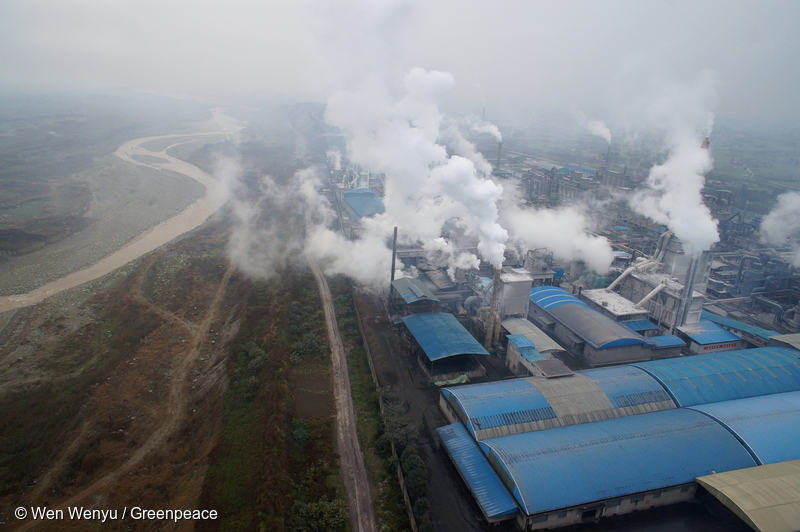
Greenpeace analysis of satellite-based particulate matter measurements over the past decade shows that China’s systematic efforts to combat air pollution have achieved an impressive improvement in average air quality in the country in the past few years – although pollution levels remain alarmingly high. In contrast, air pollution levels in India, and in particular North…
-
China releases Tianjin report, but questions are left unanswered
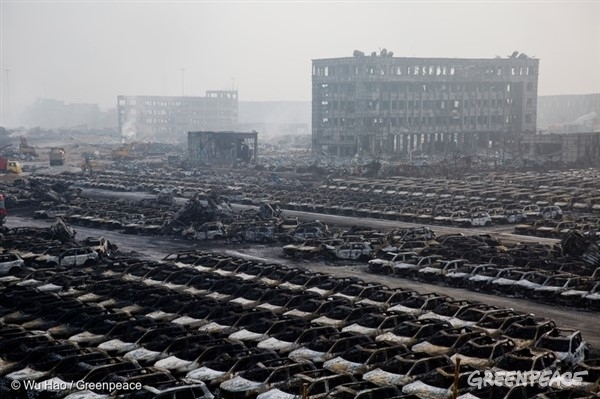
Just two days before the lunar new year, China’s largest holiday, the Chinese government finally released its investigative report into the causes of the Tianjin blasts which rocked the Binhai…