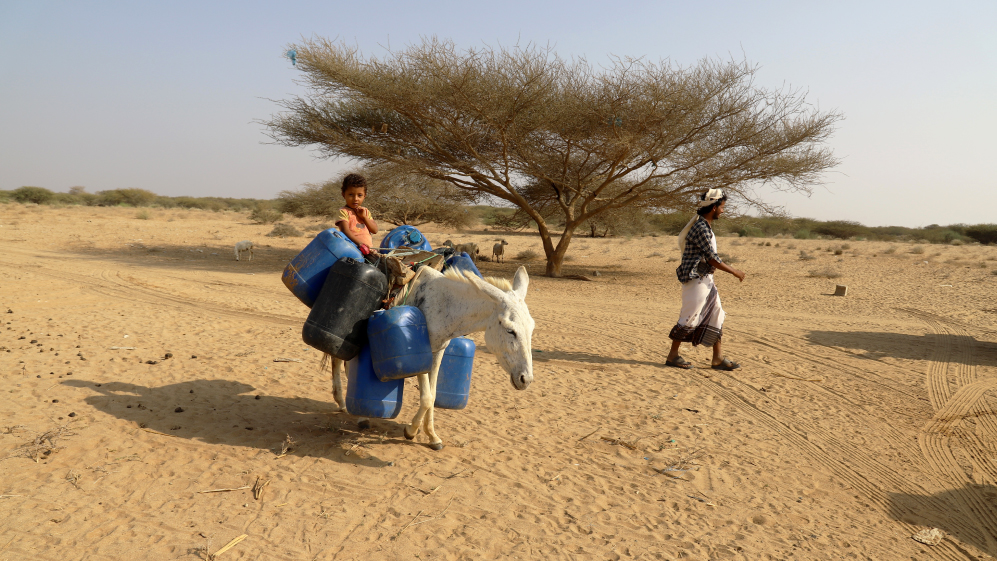

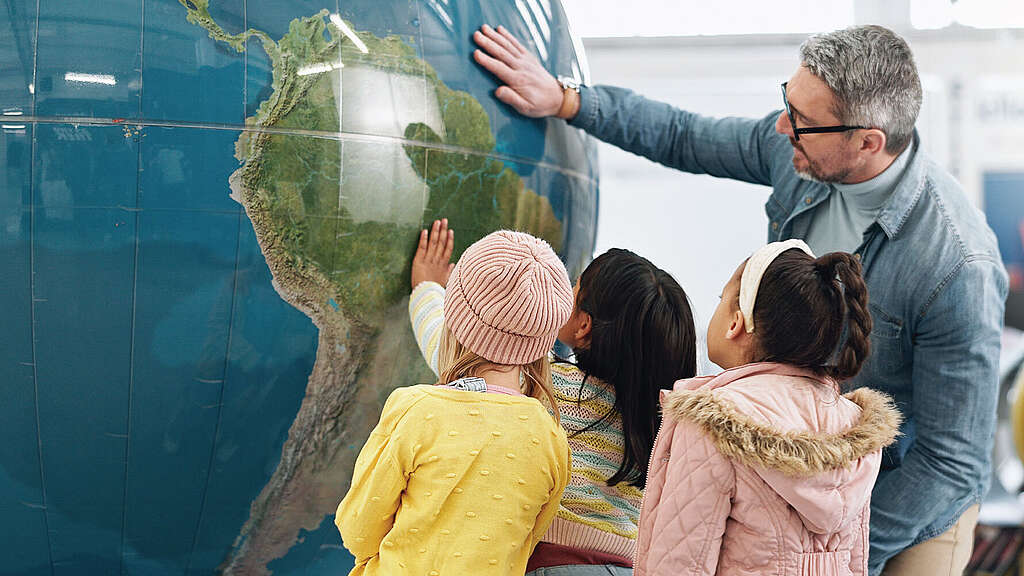
Our region is currently facing devastating environmental crises, ranging from climate change to pollution and the loss of biodiversity, making environmental education an indispensable necessity. Environmental education goes beyond simply raising awareness; it becomes a means of empowering future generations and encouraging them to protect the environment and actively participate in shaping a more sustainable future that lives in balance with nature. |
What is Environmental Education and Why Do We Need It?
Environmental education, as defined by theU.S. Environmental Protection Agency, is a process that allows individuals to gain a deep understanding of environmental issues and take responsible actions to protect the environment. It goes beyond providing information, fostering critical thinking, promoting teamwork, and enabling individuals to understand the complex connections between human activities and ecosystems.
UNESCO emphasizes the need to integrate environmental education into school curricula as it is crucial in preparing informed and responsible citizens capable of making decisions that support sustainability. Furthermore, environmental education helps develop problem-solving skills for environmental issues, enhances awareness of biodiversity, and encourages responsible use of natural resources.
How Can Environmental Education Be Integrated Across Educational Stages?
Environmental education must be an integral part of curricula at all stages of education to ensure its effectiveness:
- Primary Level: Focuses on instilling environmental values in children through hands-on activities like tree planting, recycling, and introducing them to local wildlife and plants.
- Middle School: Strengthens environmental knowledge through field trips and practical lessons, such as visiting nature reserves or studying the impact of pollution on ecosystems.
- High School: Students develop advanced skills, such as analyzing environmental data and understanding sustainability-related policies.
- University Level: Environmental education becomes more specialized, focusing on scientific solutions and modern technologies like renewable energy and resource management.
The Gap in Environmental Education
The education system suffers from a notable lack of environmental education in curricula. A UNESCO report, “Learning for Our Planet” (2021), revealed that many educational systems do not equip students with sufficient knowledge about climate change and environmental crises. For instance, more than half of the countries whose curricula were analyzed do not address climate change, and only 19% discuss biodiversity. Additionally, the report pointed to a lack of emphasis on practical and social skills necessary for environmental and climate action.
The report also included a survey of 1,600 teachers and educational leaders, where one-third of the participants indicated that teacher training programs do not adequately address environmental issues. In response to this gap, UNESCO has set a goal to make environmental education a core element of curricula worldwide by 2025, aiming to shift the awareness of future generations and ensure a more sustainable future for our planet.
Advocacy Campaigns: A Driving Force for Promoting Environmental Education
In light of this obvious gap, youth-led advocacy campaigns have become an important tool for driving change in educational policies. A prominent example of this is the “We Want Climate Education in Tunisia” campaign, which succeeded in incorporating environmental education into the Tunisian school curricula, with support from Greenpeace Middle East and North Africa through the “Sawt” platform. This case demonstrates that popular and community pressure can make a real difference in the educational system and contribute to the necessary reforms.
Environmental Education: The Positive Impact on Future Generations
When environmental education is integrated into curricula, it has a positive impact on both students and society at large by:
- Raising environmental awareness and fostering community responsibility, encouraging sustainable practices.
- Developing critical thinking and problem-solving skills by analyzing environmental challenges and identifying innovative, science-based solutions.
- Promoting innovation and sustainability by encouraging students to create sustainable environmental projects, such as renewable energy initiatives and recycling programs.
- Instilling environmental citizenship values and motivating students to engage in environmental protection activities like tree planting and clean-up campaigns.
- Building the environmental leaders of tomorrow, equipping them with the knowledge and skills to influence future environmental policies.
- Encouraging environmental activism and community participation by motivating students to take part in environmental initiatives and volunteer efforts.
- Enhancing health and well-being by encouraging time spent in nature, contributing to both mental and physical health.
- Supporting the green economy and sustainable careers by preparing students for future jobs in fields like environmental engineering and renewable energy.
Environmental education is not a luxury but a pressing necessity for ensuring a sustainable future in our region. Integrating it into educational curricula at all levels empowers future generations to tackle environmental challenges effectively, helping them become part of the solution and build a more sustainable world. By embedding the values of sustainability, we are nurturing a generation that takes on the responsibility of protecting our planet and building a stronger, deeper connection with the environment and its diverse issues.
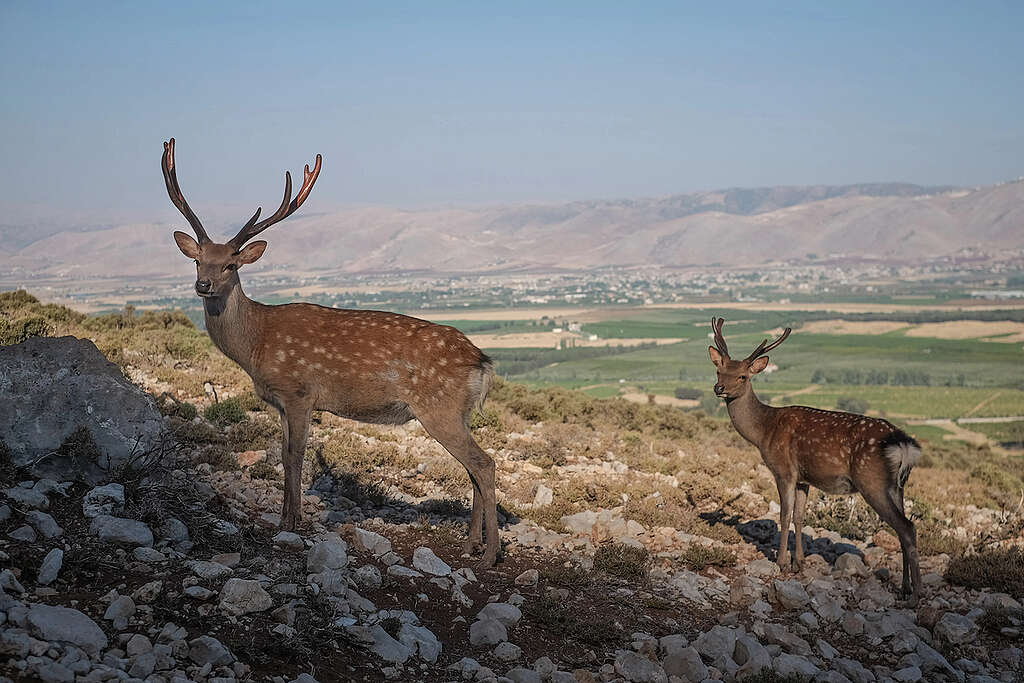
What are the causes and effects of biodiversity loss? And more importantly, what can we do to protect it?
Explore More