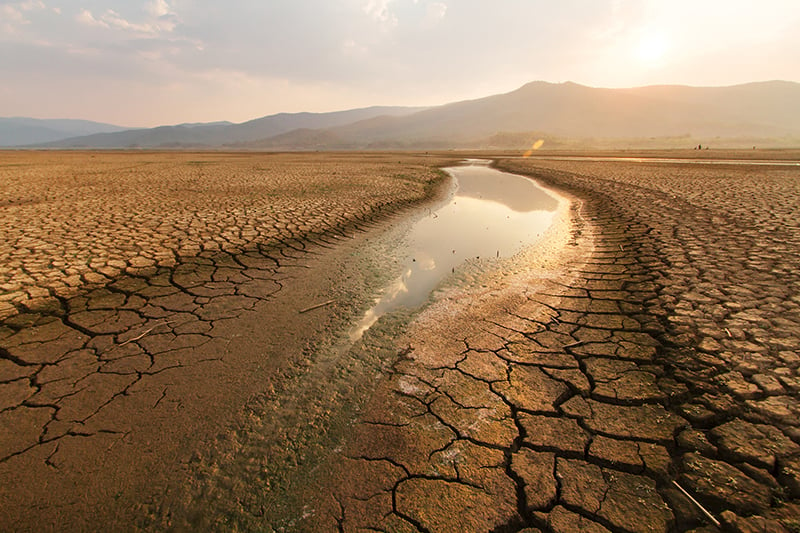
| Water is not just a natural resource, it is life’s lifeline. Wherever it exists, health, food, and energy are present, and societies flourish. This vital resource is indispensable for sustainable development because it directly supports economies, safeguards ecosystems, and ensures every person’s right to live with dignity. Today, as environmental crises intensify and the impacts of climate change accelerate, water has emerged as one of the world’s most pressing challenges and a cornerstone of climate adaptation efforts and community resilience building. |
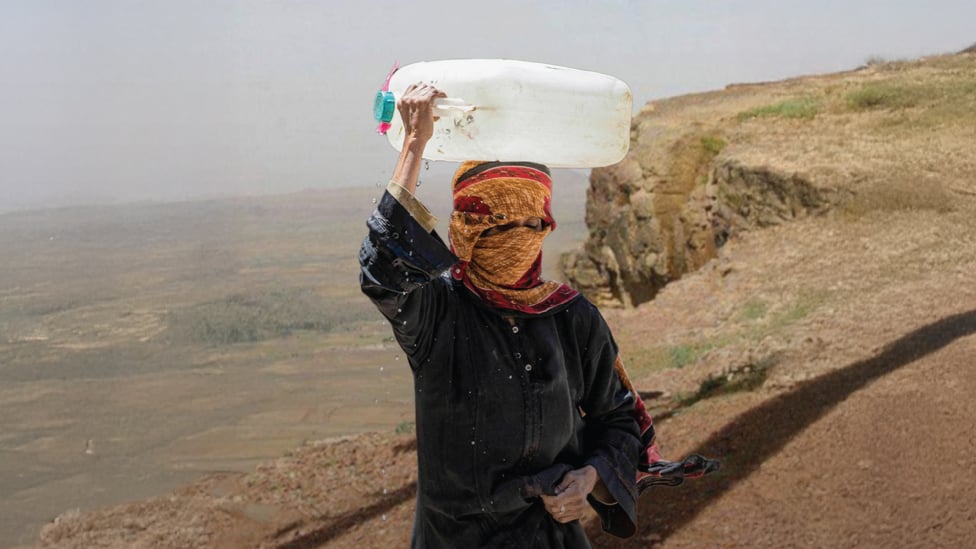
Despite its critical importance, water in our region is surrounded by severe, overlapping challenges: rising pollution, more intense droughts, continuous depletion of water supplies, and policies and management systems that do not prioritize water protection. Faced with this reality, a simple but serious question arises: what can each one of us do from within our own home to use water responsibly and preserve it for future generations?
Because protecting water starts with the simplest everyday habits, this blog highlights practical, easy-to-apply actions that show how each of us can reduce waste and adopt a more sustainable lifestyle from within our own homes.
Simple Ways to Use Water More Wisely at Home
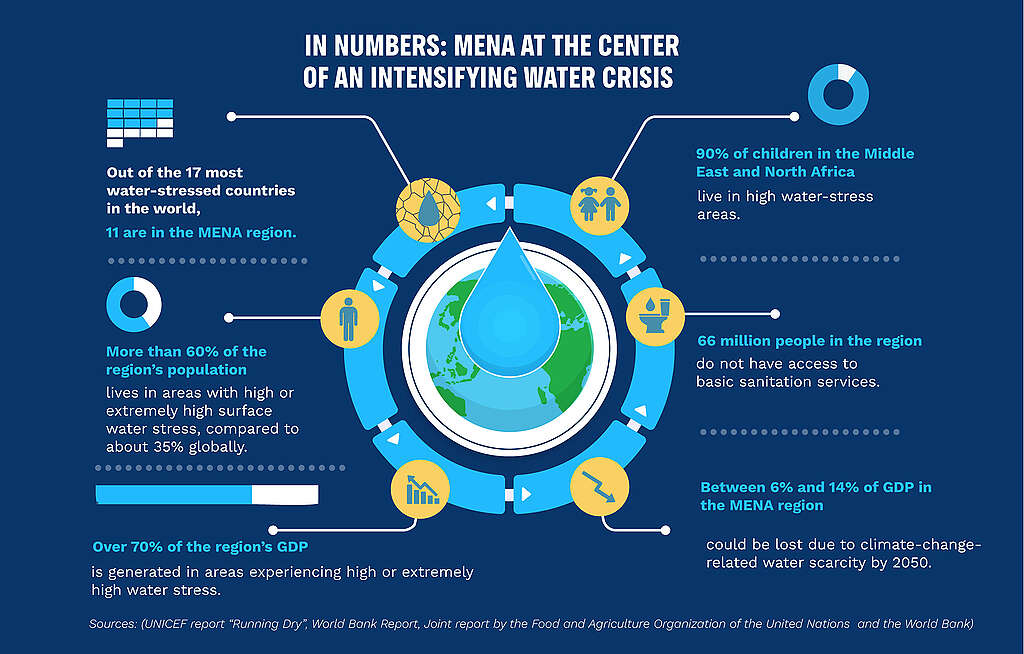
Before looking at individual solutions, it’s important to understand the scale of the crisis. The Middle East and North Africa region is one of the most water-stressed regions in the world, with projections showing that by 2030, annual renewable water supply per person will fall below 500 cubic meters — the internationally recognized threshold for severe water scarcity, with the situation expected to worsen due to population growth and the accelerating impacts of climate change.
In light of this reality, individual action becomes a vital part of the solution. Here are simple, everyday practices you can adopt at home to make a real difference in how water is used:
– Use washing machines efficiently: Run washing machines and dishwashers only when they are fully loaded. These appliances use nearly the same amount of water and electricity whether they are half-full or full, so waiting until you have a full load is both environmentally smart and cost-effective.
– Capture rainwater and air-conditioner runoff: Rainwater that gathers on rooftops is often wasted, even though it can be easily collected and reused to water plants or clean outdoor spaces. The water produced by air conditioners — which is clean, distilled water — can also be reused for watering plants or basic cleaning instead of being thrown away.
– Don’t let vegetable and fruit washing water go down the drain: Instead of letting this water go straight down the drain, collect it and reuse it to water plants, especially those indoors or in pots. Washing fruits and vegetables in a container rather than under running water is one of the most effective ways to cut daily household water waste.
– Be mindful of water quantities when cooking: Using appropriate amounts of water during cooking — particularly when boiling vegetables — not only conserves water but can also help preserve nutrients in food.
– Turn off the tap while washing dishes: Leaving the tap running throughout dishwashing is a habit that wastes large amounts of water without us even noticing. Opening the tap only when rinsing can save significant water every day.
– Take shorter showers: Reducing shower time to 5–10 minutes and turning off the water while soaping or shampooing saves huge amounts of water each year. The same applies to brushing teeth or shaving — using a cup of water instead of leaving the tap running during rinsing makes a real difference.
– Watch out for silent leaks: Small drips from taps or toilets may seem minor, but they can waste large amounts of water without being noticed. Regularly checking pipes and fixtures and fixing leaks promptly is essential to preventing invisible waste.
– Water gardens wisely: Drip irrigation systems are more efficient than sprinklers or hoses. While watering plants early in the morning or late in the evening reduces evaporation and ensures that every drop goes to use.
These steps may seem simple at first glance, but when adopted widely and practiced consistently as a community, they make a real and tangible difference. They help establish a culture that protects our vital natural resources — which give us so much without asking for anything in return — and treats them as a shared responsibility.
Since climate change is one of the most serious threats facing the Middle East and North Africa, and as part of our awareness project to combat and adapt to its impacts, we want to hear from you, and from citizens across the region who are witnessing the changes around them caused by global warming.
Join Us