

UN Climate Change Conference – COP31 in Antalya, Türkiye
9 – 20 November 2026
Taking Our Region’s Realities to the Negotiating Table
COP31 comes at the end of an exceptionally difficult year for communities across our region, many of whom are on the frontlines of the climate crisis.
From devastating floods in Morocco and wildfires in Algeria to intensifying heatwaves and water scarcity across Tunisia, Egypt and the Gulf, the impacts are accelerating. Yet the countries with the greatest historical responsibility for emissions continue to fall short of delivering the finance and action required at the scale and speed this crisis demands.
These challenges are unfolding against an increasingly fragile economic and political backdrop. Wars, energy crises and fluctuations in oil and gas prices are once again exposing the costs of continued dependence on fossil fuels, while intensifying pressures on food, water, health and livelihoods.
For all these reasons and more, the COP31 negotiations carry particular significance for our region. The decisions taken in Antalya will have a direct bearing on people’s lives: from their livelihoods and food and energy security to their health and stability. They will also determine whether the needs of the communities hardest hit by the climate crisis are reflected in international commitments and translated into concrete action.
What frontline communities need is climate justice.
For Greenpeace Middle East and North Africa, COP31 is an opportunity to bring the realities, voices and priorities of our region to the negotiating table, and to push for a just transition that responds to the rights and needs of its communities. It is an opportunity to demand decisions that put climate justice at the heart of the choices shaping our energy systems, economies and collective future.
At COP31, We Are Pushing for Three Priorities:
In line with the historic commitment adopted at COP28 in the UAE and guided by the principle of common but differentiated responsibilities. A just transition therefore means that rich historically polluting countries in the Global North move transition first while supporting developing countries with less resources and least responsibility to finance mitigation, adaptation, and loss and damage.
2- Developed countries must fulfil their legal obligations to provide fair and transparent climate finance to developing countries, without adding to their debt burdens.
This finance must enable countries in the Global South to strengthen their capacity to mitigate and adapt to climate change, address loss and damage, and achieve a just transition. This requires a rapid and substantial increase in climate finance that is accessible, affordable and predictable, particularly through grants and concessional finance. It also requires putting the “polluter pays” principle into practice by requiring global fossil fuel companies to make a fair contribution towards the costs of the climate crisis, including through appropriate taxes and levies, with the revenues directed towards financing climate action and supporting the communities most affected. This must be made within the framework of the climate finance goal agreed at COP29, with progress towards delivering at least US$300 billion annually to developing countries by 2035, alongside broader efforts to mobilise at least US$1.3 trillion in climate finance each year.
The COP31 Presidency’s goal of a 35% global electrification share by 2035, must be deeply embedded and driven by a rapid expansion of renewables and must accelerate the phase-out of fossil fuels. For a global electrification target to be just, it must be based on the principle of common but differentiated responsibilities, and must account for equipping developing nations with critical resources like finance, technology transfer, and capacity-building. Ultimately, electrification should fuel economic growth by strengthening local manufacturing and increasing domestic value addition within these economies.
The communities bearing the brunt of the climate crisis are not those most responsible for causing it. Add your voice to demand that the biggest polluters shoulder their fair share of the cost of climate action.
From Our Region to Antalya:
Meet the Greenpeace Middle East and North Africa Delegation
Ghiwa Nakat
Executive Director

A sustainability leader with more than 20 years of experience in strategic leadership and environmental advocacy, Ghiwa leads Greenpeace Middle East and North Africa’s work to advance climate justice and a just energy transition that responds to the region’s needs and socioeconomic realities. She has represented Greenpeace at COP27, COP28 and COP30, and contributed to regional and international discussions on climate and energy.
Dr. Hanen Keskes
Political Campaigns Lead
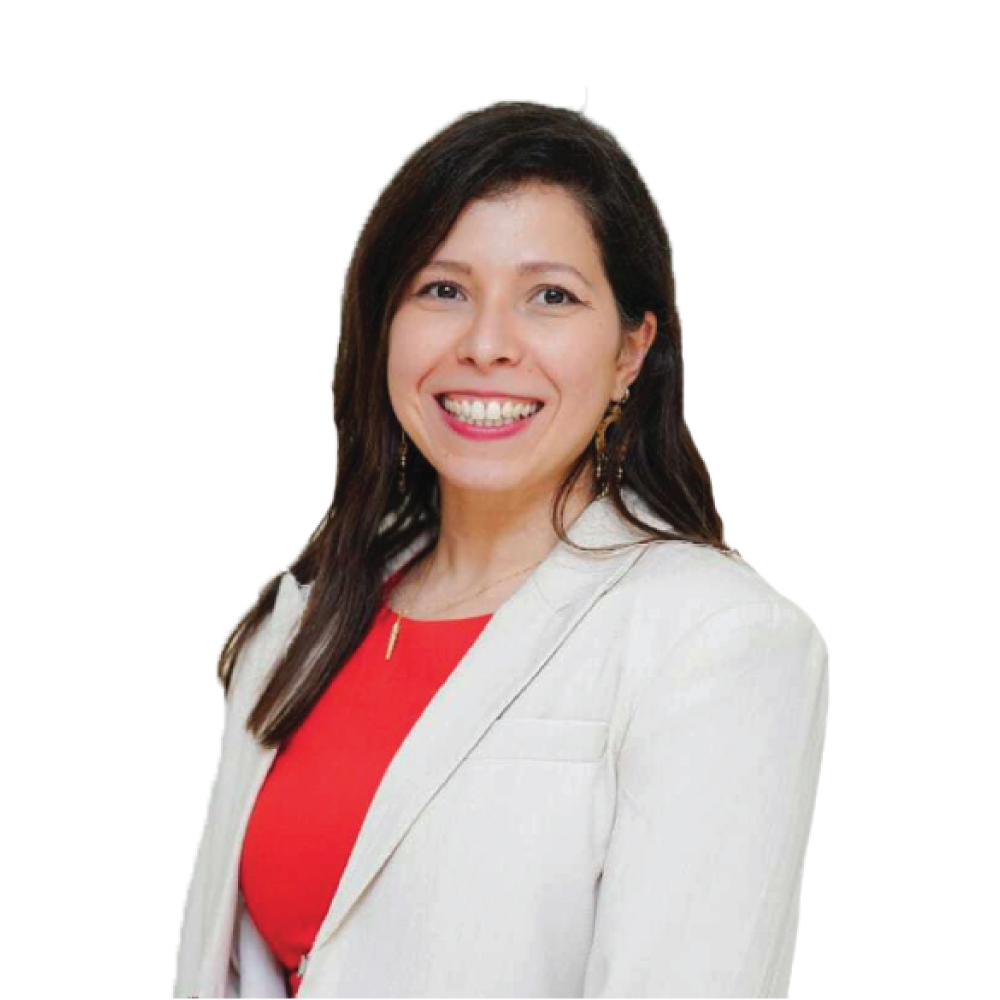
A public policy, governance and advocacy expert with a PhD in Political Science, she has led impactful campaigns advancing transparency, environmental justice and equality. Her work focuses on strengthening transparent governance systems and advancing inclusive, sustainable policies that empower communities and support a just transition across the region.
Make Polluters Pay for the Damage They Cause
