
MAKE POLLUTERS PAY
The people paying the highest price for the climate crisis are the ones who did the least to cause it.
Across South Asia, communities are already living with the consequences of a climate crisis they did little to create.
From devastating floods and cyclones to extreme heat, rising seas, disappearing fish stocks and changing rainfall, climate disasters are disrupting lives, destroying livelihoods and making it harder for families to build secure futures.
Meanwhile, the fossil fuel companies driving this crisis continue to make enormous profits.
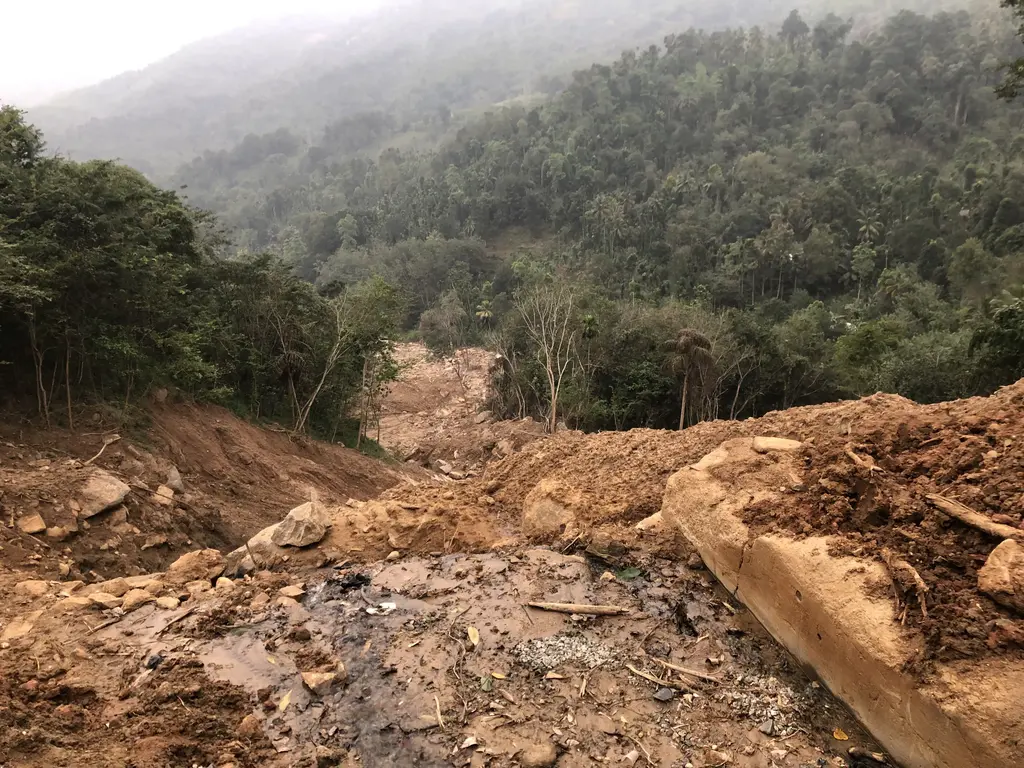
Oil and gas corporations have known for decades that burning fossil fuels would cause dangerous climate change. Yet the industry has continued to expand fossil fuel production, while communities are left to pick up the bill.
Governments must make big oil, gas and coal corporations pay their fair share for the damage they have caused. This money must help communities recover from climate disasters and invest in locally led solutions that make people safer and more resilient.
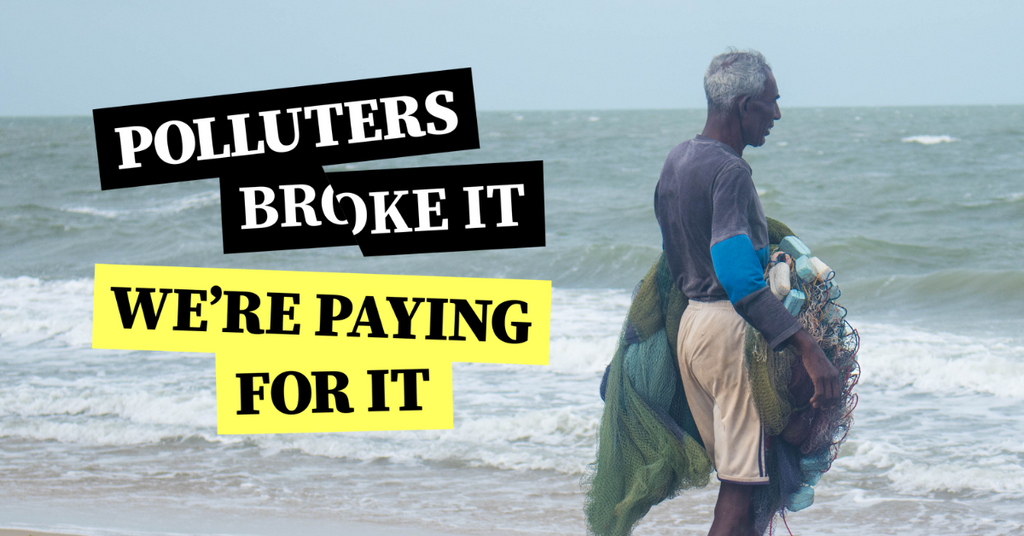
MANNAR, SRI LANKA
A community on the frontline of a crisis it did not create
For generations, the people of Mannar have built their lives around the sea and the land. Fishing and farming are not just livelihoods here. They are ways of life passed down through generations, connected to families, communities and the natural world around them.
But that way of life is becoming harder to sustain.
Extreme heat, flooding, rising seas, saltwater intrusion, changing weather and declining fish stocks are putting pressure on homes, farms, fishing grounds and family incomes. The people of Mannar did almost nothing to cause the climate crisis. Yet they are being left to deal with its growing costs.
Across South Asia, communities like Mannar are facing increasingly destructive climate impacts while those most responsible continue to profit from fossil fuels. But they are not waiting to be saved. The people of Mannar are already building knowledge, organising and documenting what is happening around them.
Residents are recording how climate change is affecting their work, health, homes and everyday lives. Local knowledge and lived experience are becoming evidence of what the climate crisis is costing communities. This is what climate resilience should look like: communities having the power, resources and support to decide what they need and shape the solutions themselves.
THE RISING
Many communities. One powerful image. A region rising together.
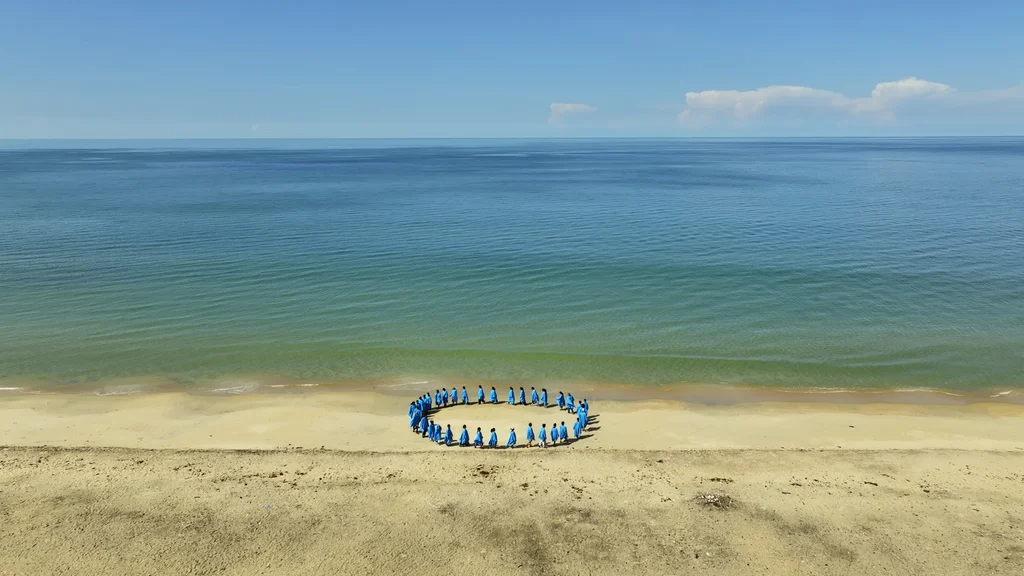
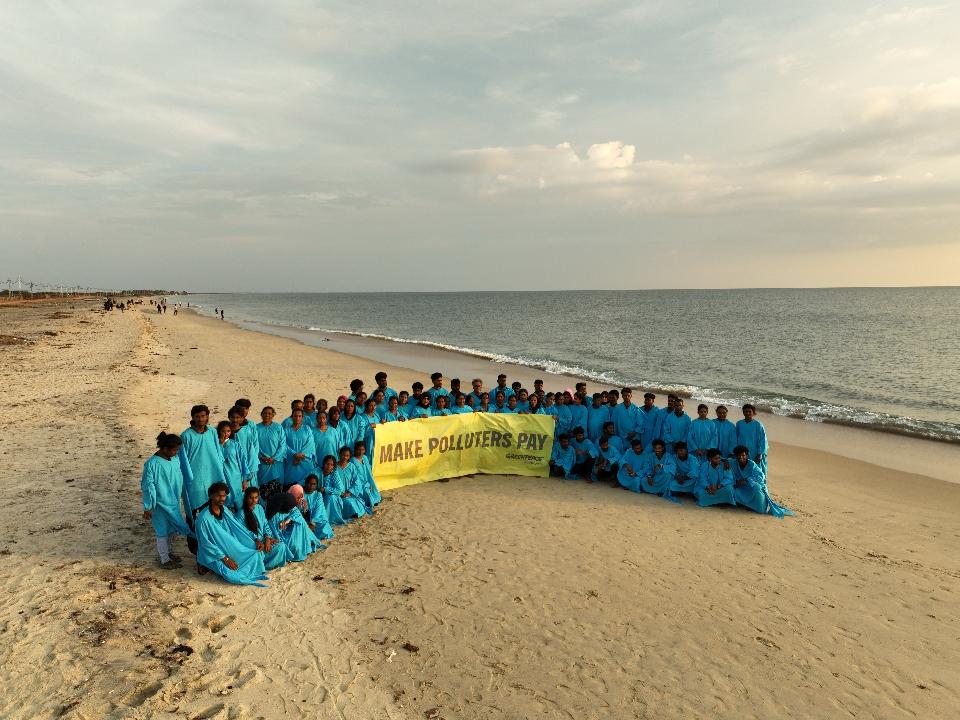
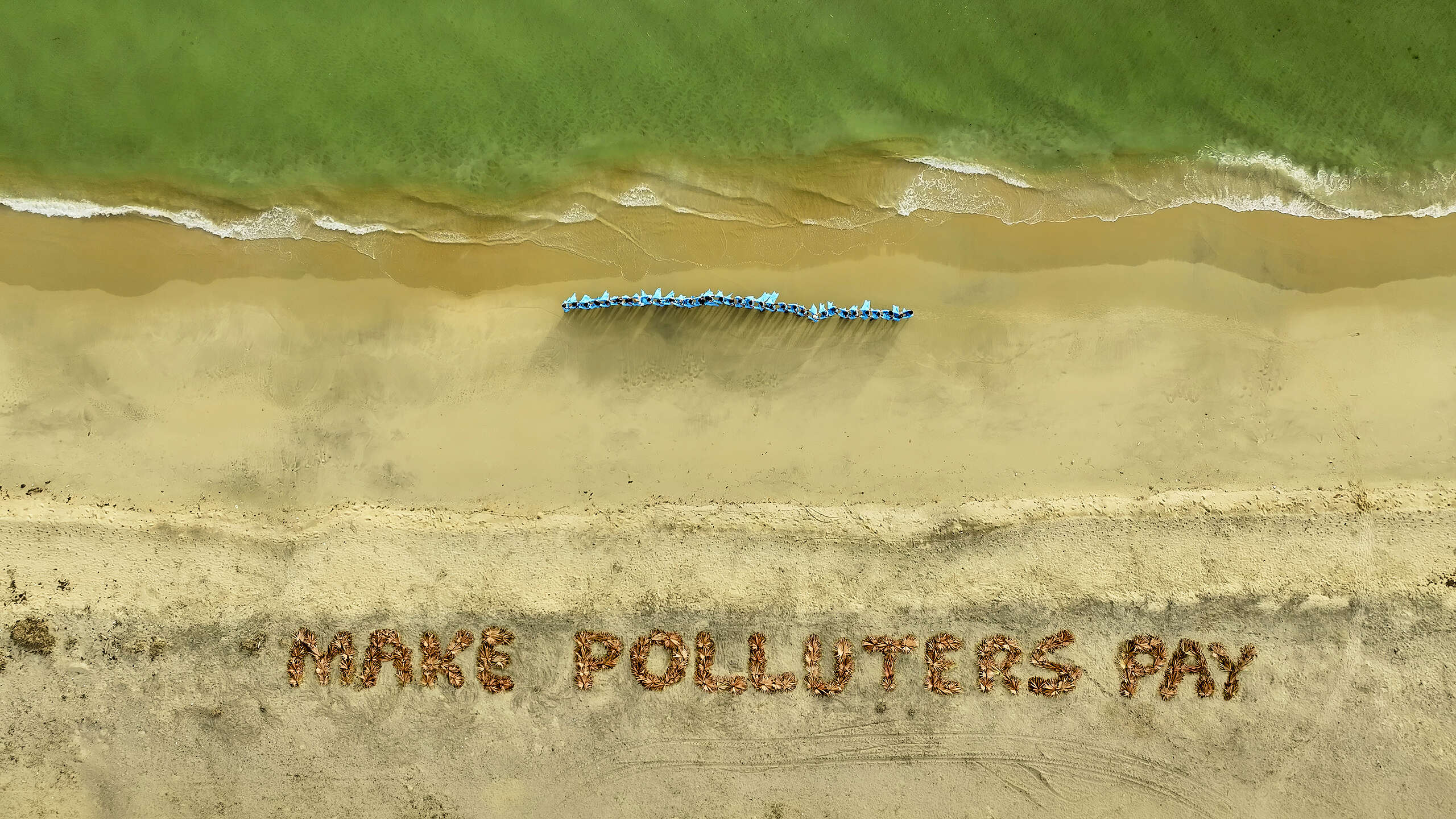
On 10th October, more than 200 people will gather at Keeri Beach in Mannar for The Rising, a participatory artwork created with internationally acclaimed artist Subodh Kerkar.
But this is more than an artwork.
It is a gathering of people from the Global South coming together to make the climate crisis visible through their own stories, experiences and demands. The people at the heart of this art installation are not victims waiting for someone else to act.
They are communities already living with the consequences of a crisis they did not create and demanding accountability from those who did. Their message is simple – those who caused the climate crisis must pay for the damage caused.
THE CLIMATE DIARY
What does climate change look like in everyday life?
For people living through the climate crisis, the evidence is not just found in scientific reports.
It is in the days when the heat becomes unbearable. It is the declining fish catch, the medical bills piling up, the crops failing, the flooded homes and the disappearing income.
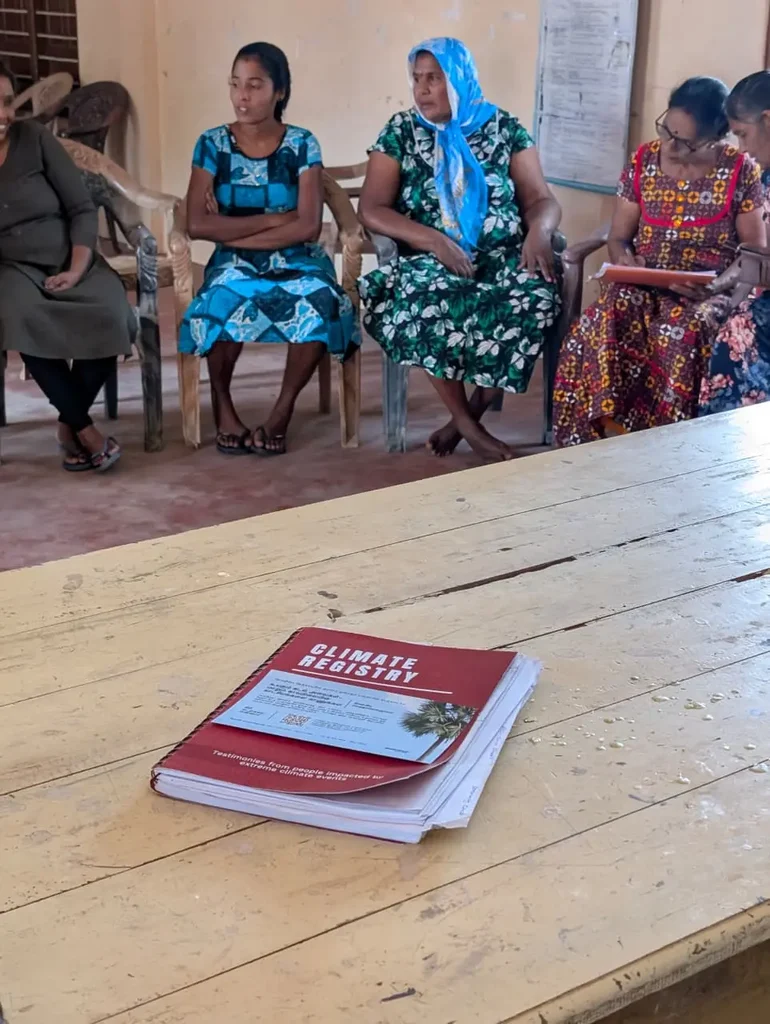
Residents of Mannar are maintaining Climate Diaries to document these changes as they happen. Through their own words, photographs, videos and daily observations, they are creating a record of how climate change is affecting their lives, livelihoods and communities.
These are more than personal stories. Together, they are evidence of the real cost of a crisis driven by polluting oil and gas companies.
-
Greenpeace South Asia Urges Six South Asian Governments to Champion Climate Accountability, to Make Polluters Pay
(Letters sent to delegations of Bangladesh, Bhutan, India, Sri Lanka, Maldives and Nepal asking them to champion climate justice and accountability)
-
‘Don’t look away’: Global South Workers and Communities Demand Oil and Gas Giants Pay for Climate Damage Ahead of COP31
(Frontline workers and communities, representing over 2.5 lakhs people, release joint statement demanding climate accountability and a seat at the table)
-
Global Statement for Climate and Polluter Accountability
Issued by impacted communities, workers and workers groups, climate groups, experts, scientists, negotiators, the legal community and youth groups