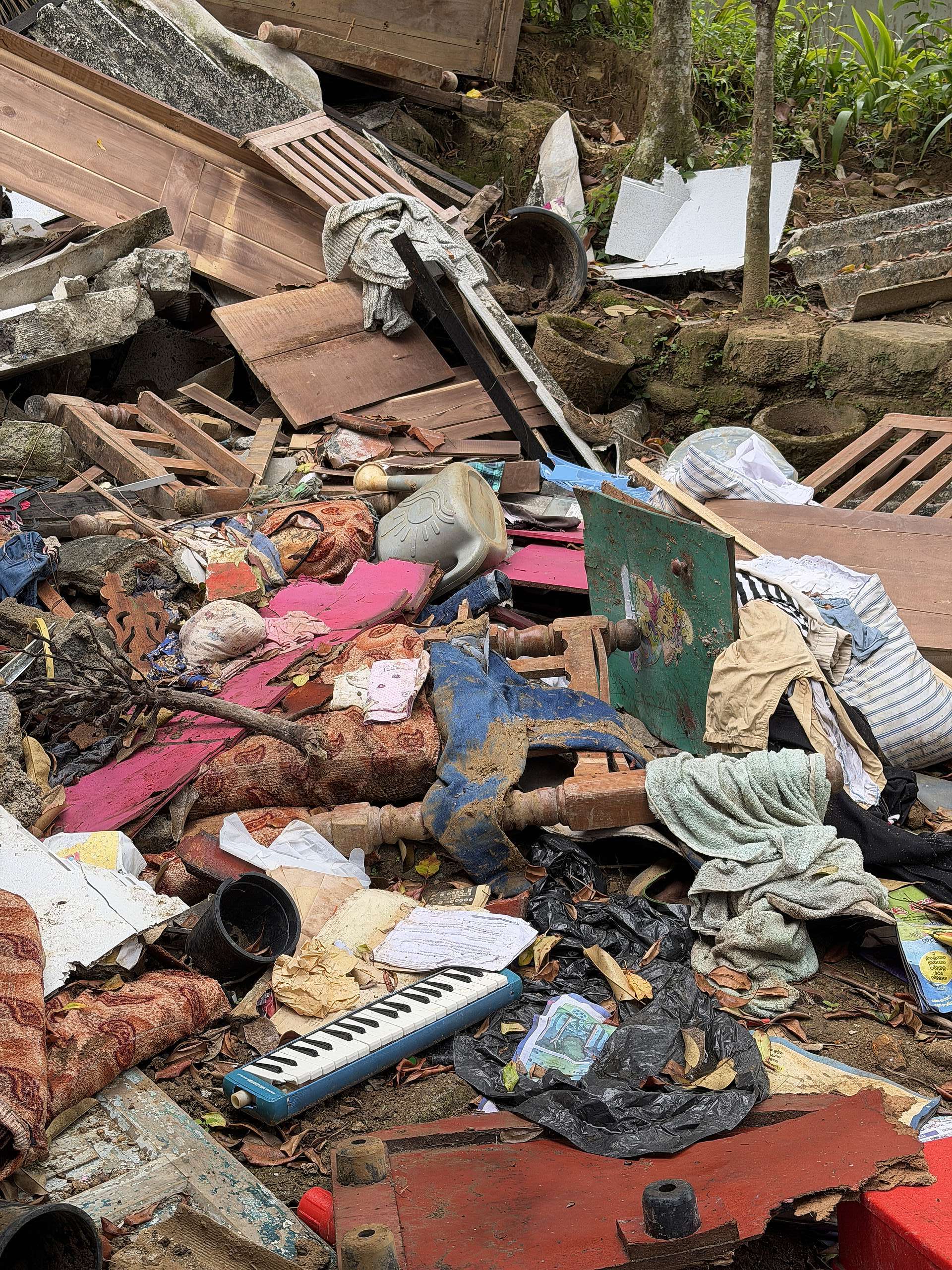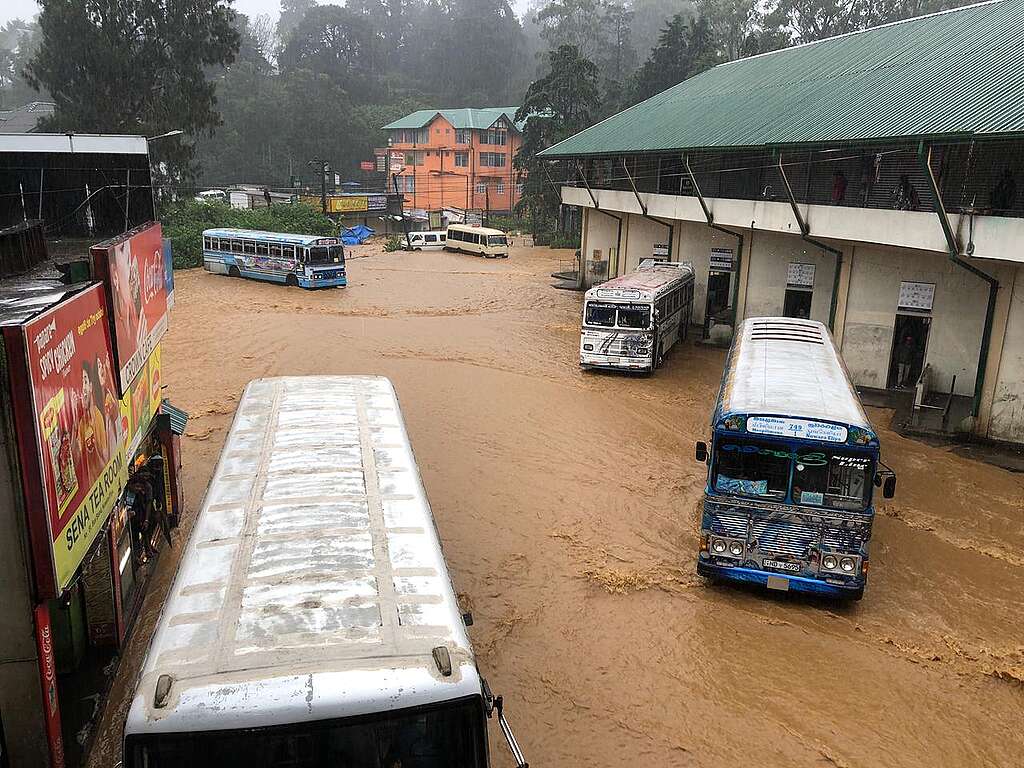
Greenpeace South Asia responds to the new rapid analysis from World Weather Attribution (WWA), which finds that human-induced climate change significantly intensified the extreme rainfall that struck Sri Lanka during Cyclonic Storm Ditwah and contributed to severe flooding across the Malacca Strait.
The study shows that in Sri Lanka, heavy five-day rainfall events like those triggered by Cyclone Ditwah are now 28% to 160% more intense because of the 1.3°C of warming already caused by greenhouse gas emissions. Warmer sea surface temperatures in the North Indian Ocean, recorded at 0.2°C above the 1991–2020 average, added substantial energy that fuelled the storm’s rapid intensification and destructive rainfall.
The findings make clear that existing vulnerabilities worsened the disaster. Sri Lanka’s steep highlands funnelled rainfall into crowded floodplains. Rapid urbanisation and construction in flood-prone areas increased exposure. Failures in ICT infrastructure meant early warnings did not reach many people in time, with low-income and marginalized communities bearing the brunt of the cascading failures in transport, energy, and essential services.
Speaking on the human toll of the crisis, Avinash Chanchal, Deputy Director, Greenpeace South Asia said, “During the cyclone Ditwah, we saw people coming together, neighbours rescuing neighbours, families sharing what little they had, volunteers working through the night. But while ordinary Sri Lankans showed up for each other, the real culprits were nowhere to be seen. The new WWA study confirms what we already knew this disaster was intensified by the carbon pollution of the world’s biggest fossil fuel companies. They caused the crisis, yet it’s frontline communities who pay the price.”
Greenpeace South Asia highlights events like Ditwah reflect a dangerous new normal for South Asia. “With increasing incidents like cyclone Ditwah, it is on our face that extreme weather events are not isolated events anymore and communities in South Asia would continue to struggle to cope with such extreme weather conditions,” said Kumar.
Greenpeace South Asia calls on governments most responsible for historic emissions to act with urgency: “This is high time that the developed countries governments must stop pretending this is normal and immediately cut emissions, phase out fossil fuels, and deliver real finance for loss and damage. Anything less is a betrayal of the people already living on the frontlines of climate breakdown.”
Find the full report here: https://spiral.imperial.ac.uk/server/api/core/bitstreams/48c7dd3f-7395-4b0a-8d9b-42a24a7c409f/content