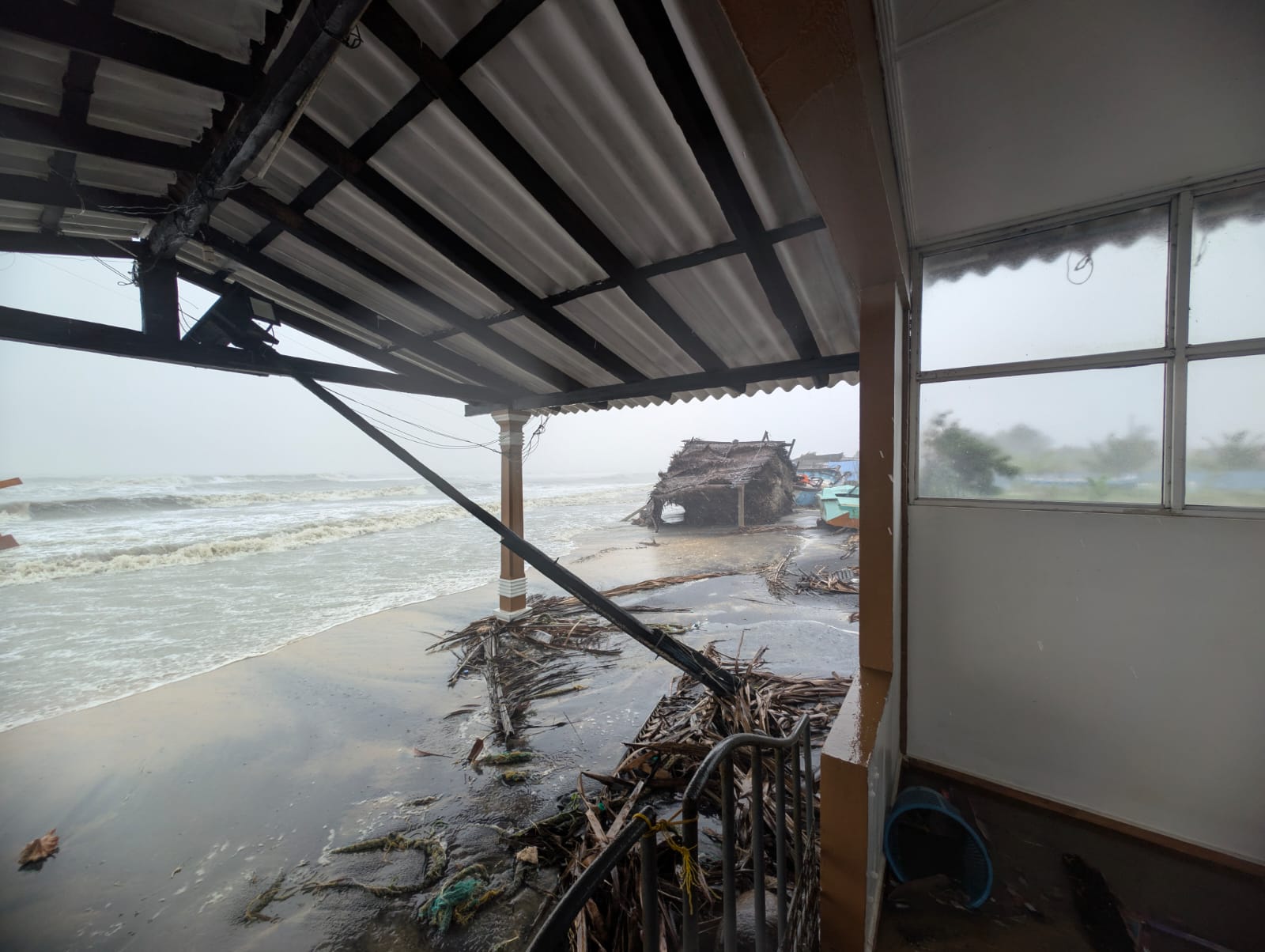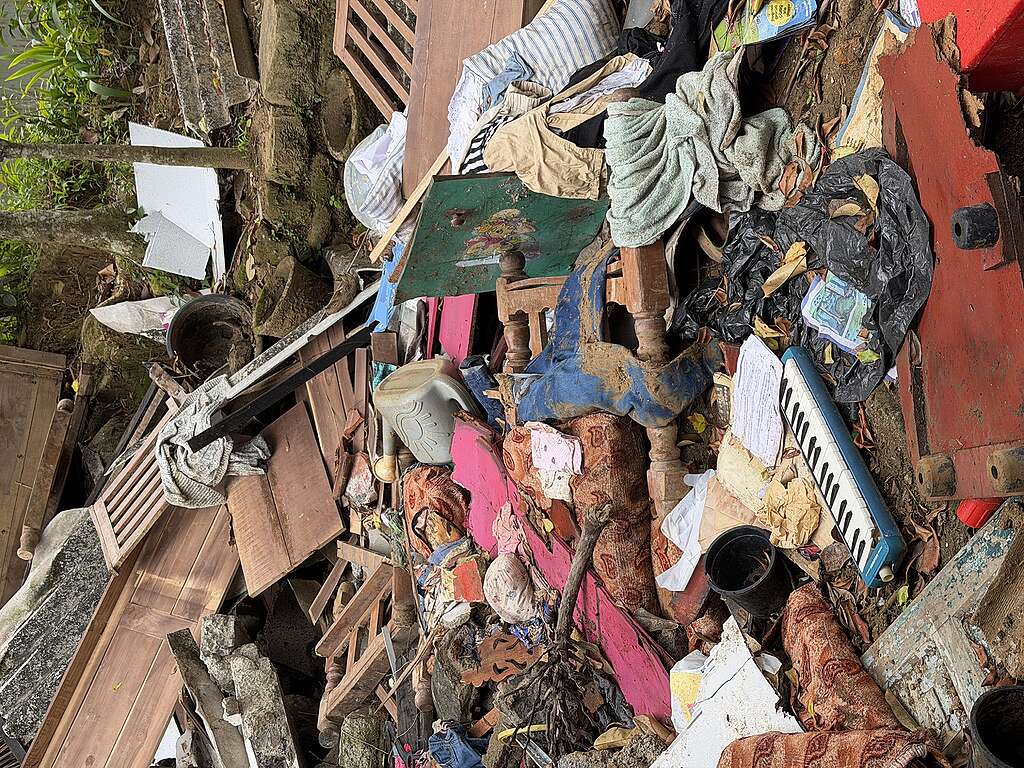
When Cyclone Ditwah tore through Sri Lanka in November 2025, it left behind flooded homes, destroyed livelihoods, damaged schools, and communities pushed to the brink.
But in the middle of the devastation, something powerful emerged: collective action.
Through our Crisis to Collective campaign, Greenpeace South Asia stood alongside communities, not just to respond to immediate needs, but to strengthen long-term resilience and demand accountability from those driving the climate crisis.
Immediate Community Support
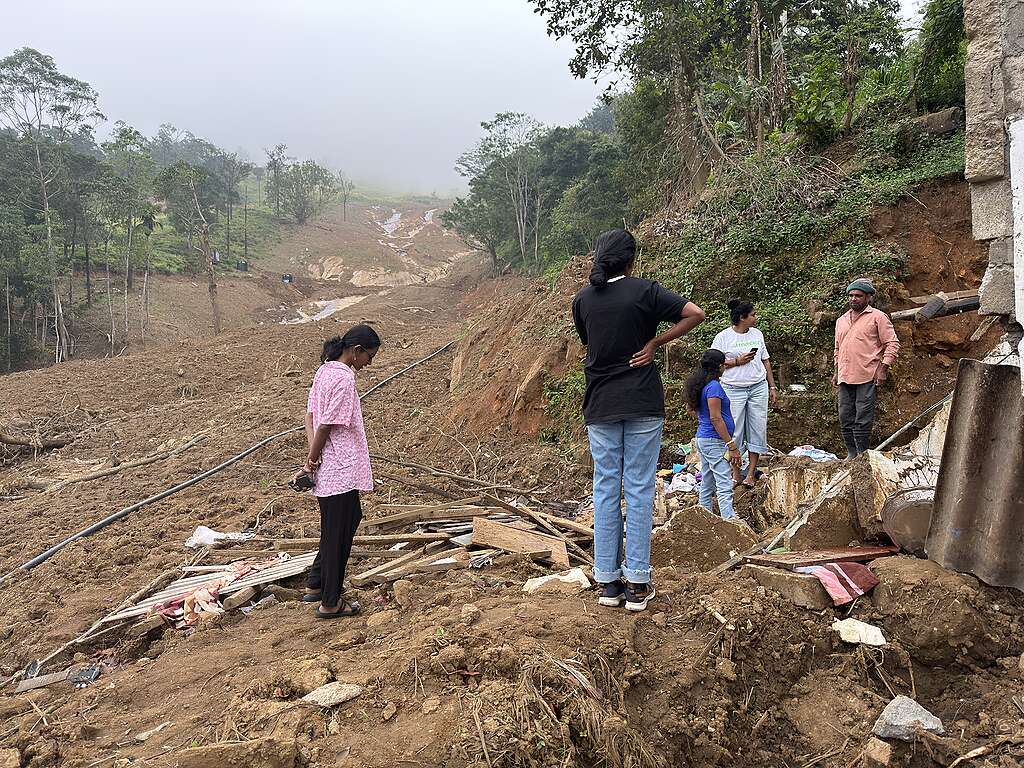
In the days following the cyclone, local communities became first responders. Teachers opened schools as shelters. Neighbours shared food. Youth volunteers cleared debris.
Greenpeace South Asia supported:
- Essential supplies for affected families
- Documentation of on-ground realities to amplify local voices
- Amplification of community voices
- Science-backed research to show the link between climate disasters and unsustainable development
Our approach was simple: support the people who were already showing up for each other.
Spotlight on Community Heroes
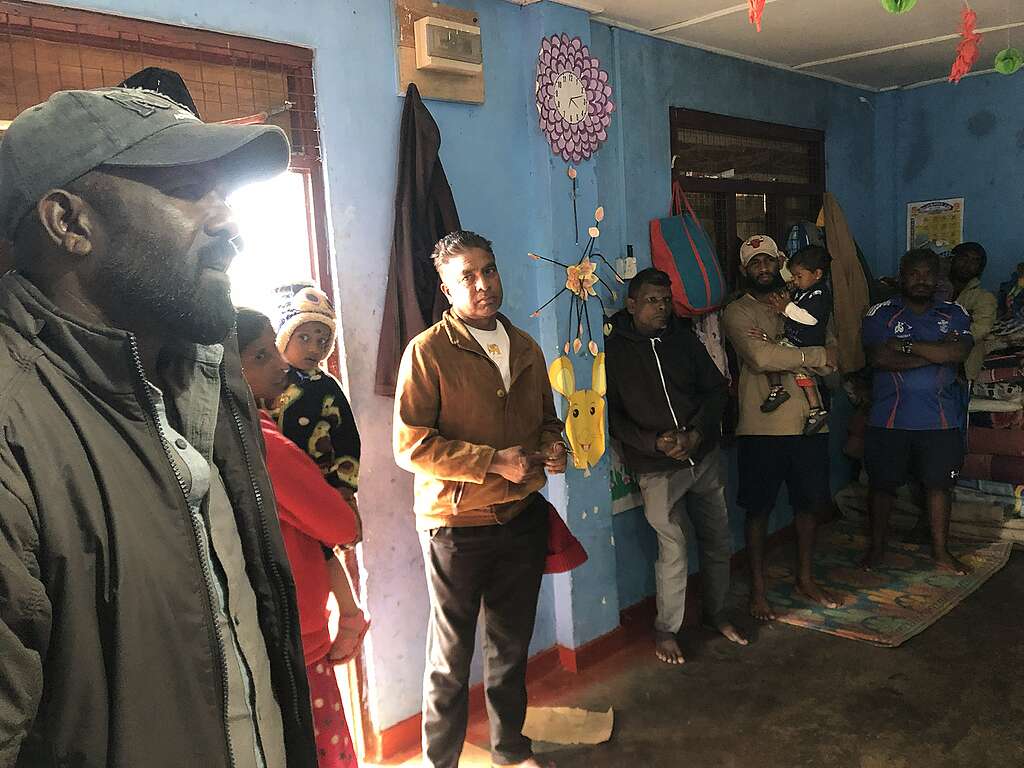
From school principals who turned classrooms into shelters, to residents who coordinated relief efforts, everyday people became leaders.
We visited the Central Highland areas of Kotmale, Raagala and Walapane to document and share their stories to shift the narrative:
- From victims to resilience builders
- From disaster statistics to human strength
- From the need for short-term relief to long-term recovery
Because climate disasters are not just about loss, they are about courage, solidarity, and dignity.
Moving Beyond Relief to Resilience
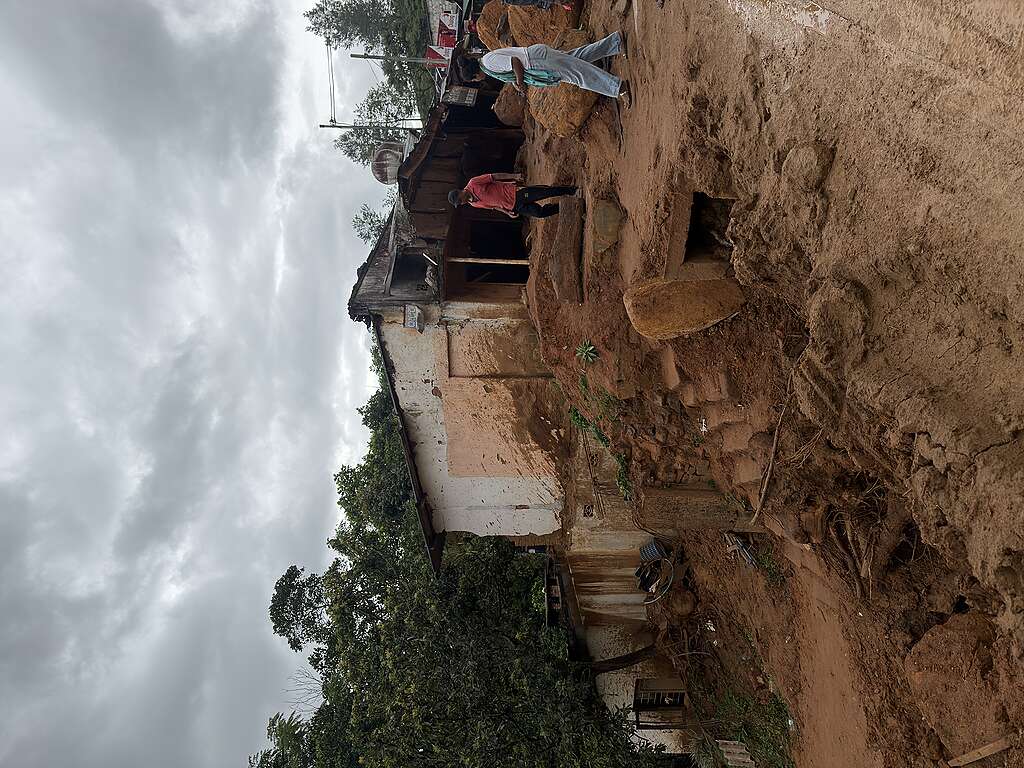
Recovery cannot end when floodwaters recede.
Through Crisis to Collective, Greenpeace South Asia is working toward:
- Strengthening local disaster preparedness
- Supporting climate-resilient infrastructure conversations
- Elevating community knowledge in climate adaptation planning
- Advocating for public finance that accounts for climate impacts like heatwaves and extreme rainfall
Communities need systems that protect them and not patchwork responses after every disaster.
Demanding Climate Justice

Cyclone Ditwah was not an isolated event. It is part of a growing pattern of extreme weather across South Asia. Those least responsible for the climate crisis are paying the highest price.
Greenpeace South Asia is pushing for:
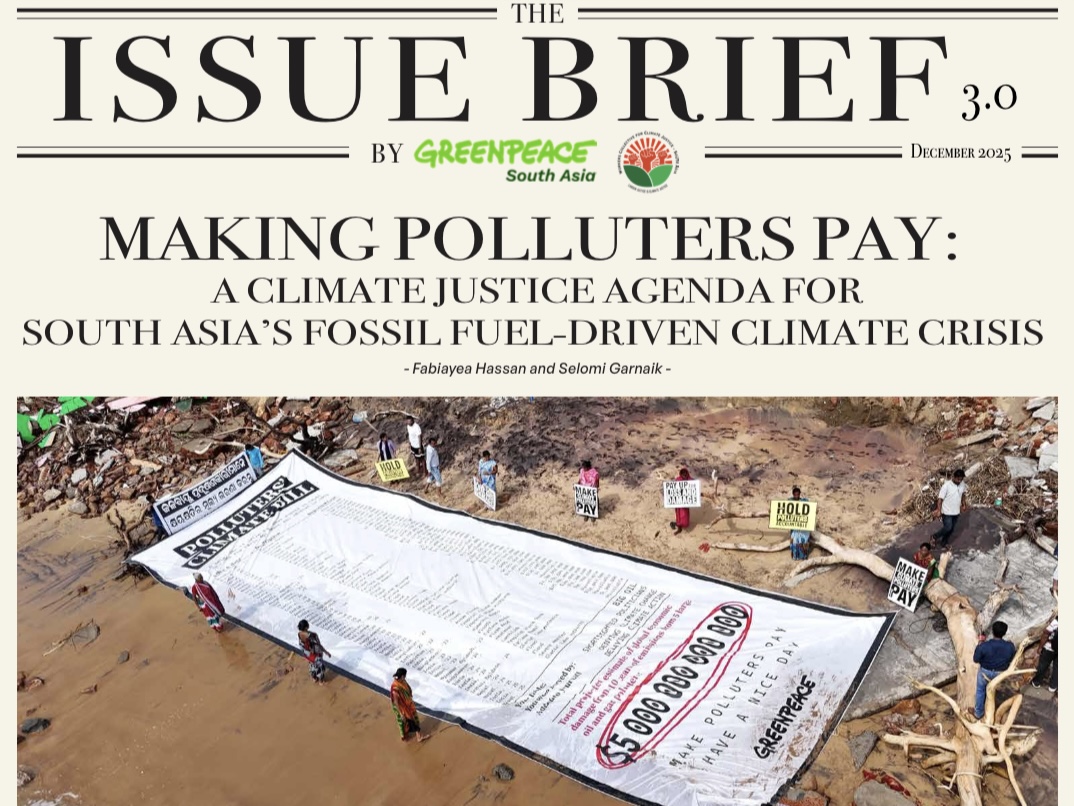
- Polluters to be held accountable and pay for climate loss and damage
- Climate finance that reaches vulnerable communities through the Loss & Damage Fund.
- A just transition away from fossil fuels
Climate disasters are not “natural” when they are intensified by fossil fuel pollution.
You can, stand with affected communities to help hold polluters accountable and
add your voice to climate justice demands to support long-term resilience work.