
Latest Updates
Filter posts
Filtered results
-
Thailand–Japan LNG Deal Risks Locking Thailand into Decades of Fossil Fuel Dependence
Bangkok, 13 March 2026 — The Thai government’s decision on 10 March 2026 to extend the Thailand–Japan Memorandum of Understanding (MOU) on Liquefied Natural Gas (LNG) cooperation for another three…
-
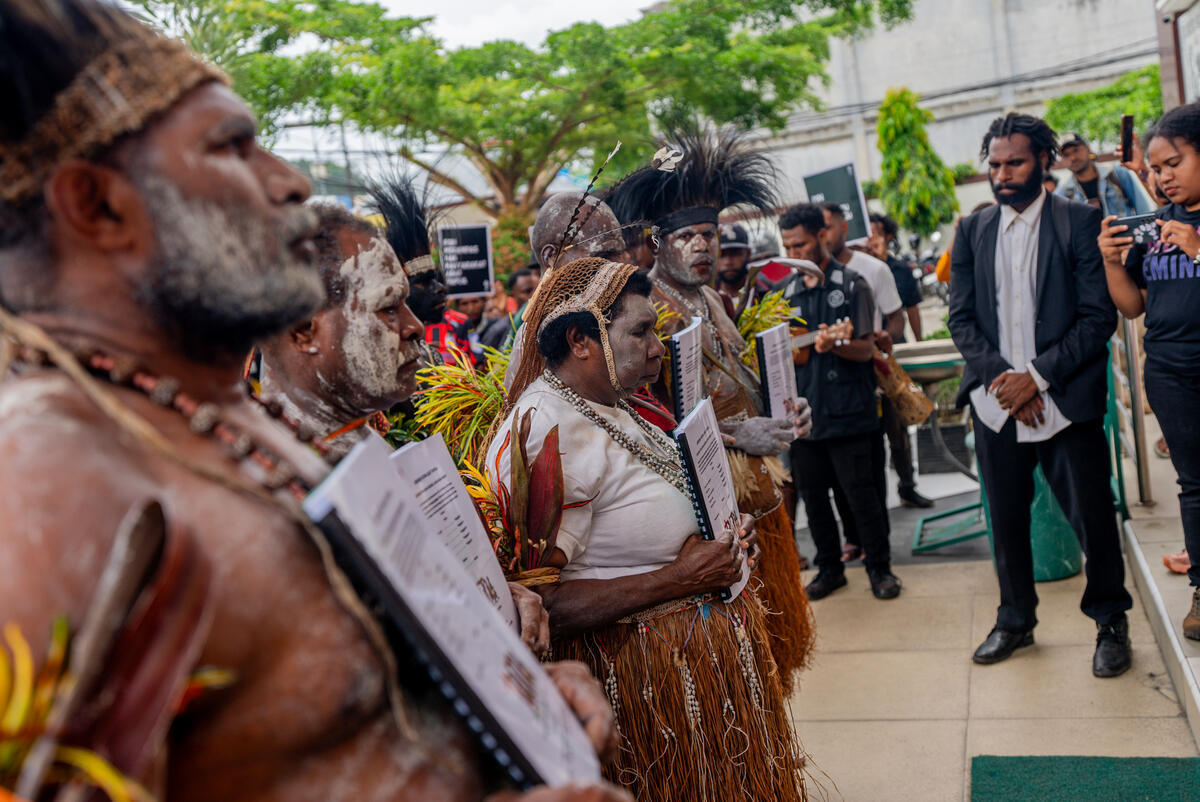
Marind Indigenous People Challenge Permit for 135km Access Road: Stop Destroying West Papua’s Forests
Marind people from the south of West Papua today filed a legal challenge against an access road for a government project destroying their forests.
-
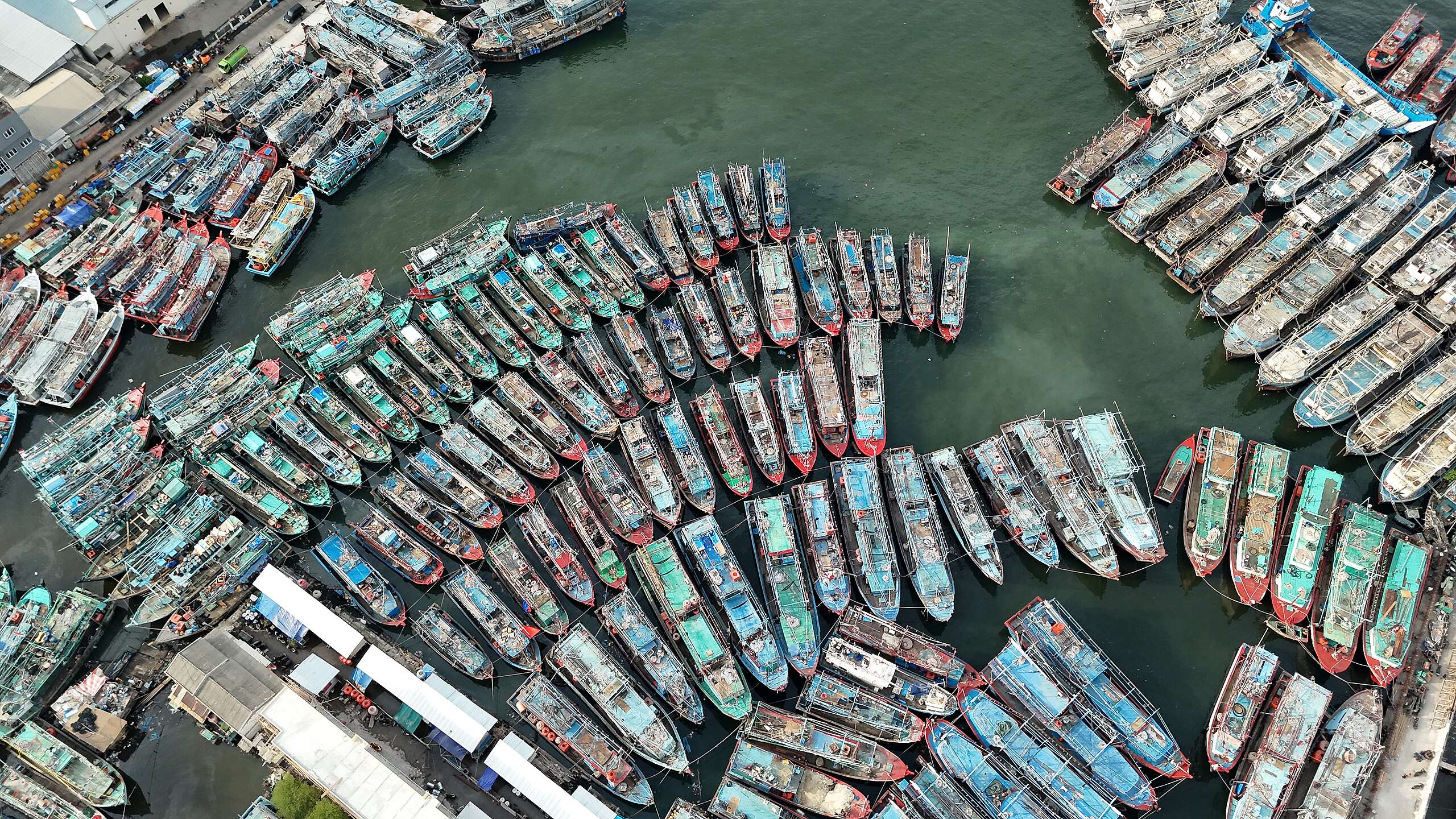
Alleged forced labor, IUU fishing Indications on Indonesian vessels behind Australian tuna brands: Greenpeace Southeast Asia report
Canberra, Australia, March 3, 2026 – Twenty five (25) Indonesian fishing boat crew — onboard 17 Indonesian tuna fishing vessels and allegedly involving five Indonesian seafood companies that supply their…
-
Forced to the Bottom: Squeezing Indonesian Fishers and Oceans for Dirty Tuna Profits
The Indonesian tuna fishing fleet is a major supplier of tuna to premium markets, such as Australia. However, the sector is thriving at the expense of environmentally destructive fishing methods…
-
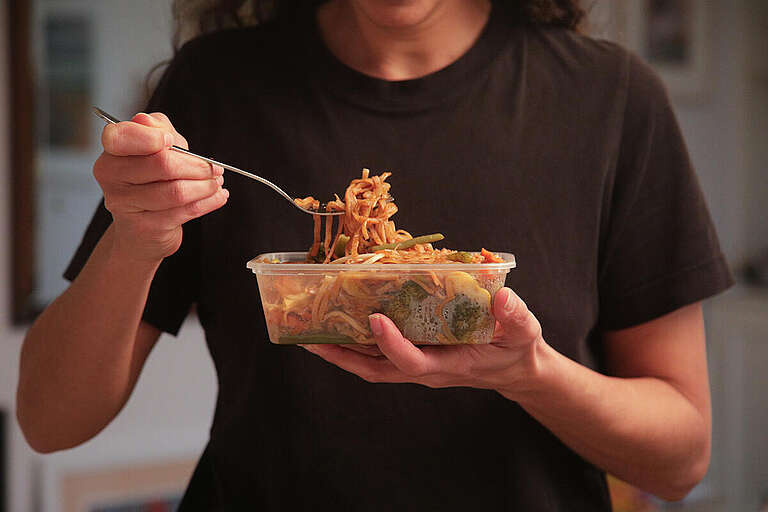
Reheating plastic food containers: what science says about microplastics and chemicals in ready meals
How often do you eat takeaway food? What about pre-prepared ready meals, or microwaving some leftovers you had in the fridge? Are there any potential downsides we need to be aware of? We decided to investigate.
-
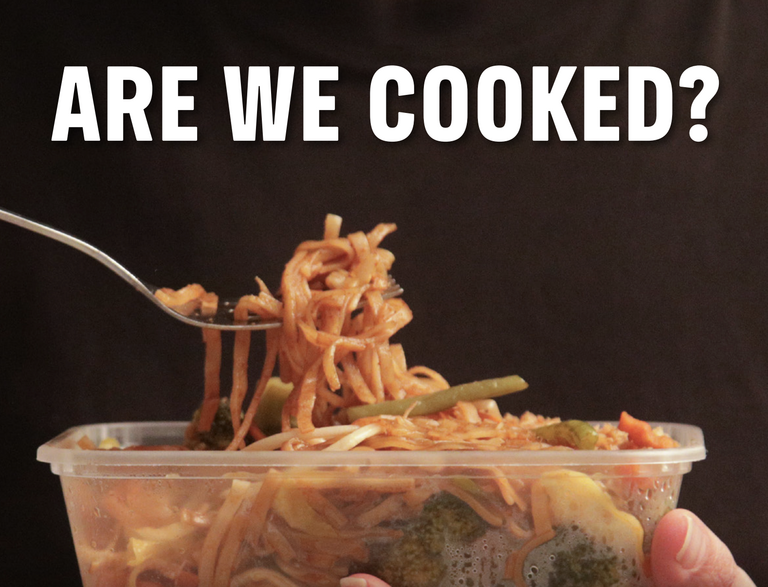
The Hidden Health Risks of Plastic-Packaged Ready Meals
Greenpeace International's analysis of 24 research papers in peer-reviewed scientific journals found that the plastics we use to package our food are exposing us to health risks – and none more so than heated ready meals and takeaways.
-
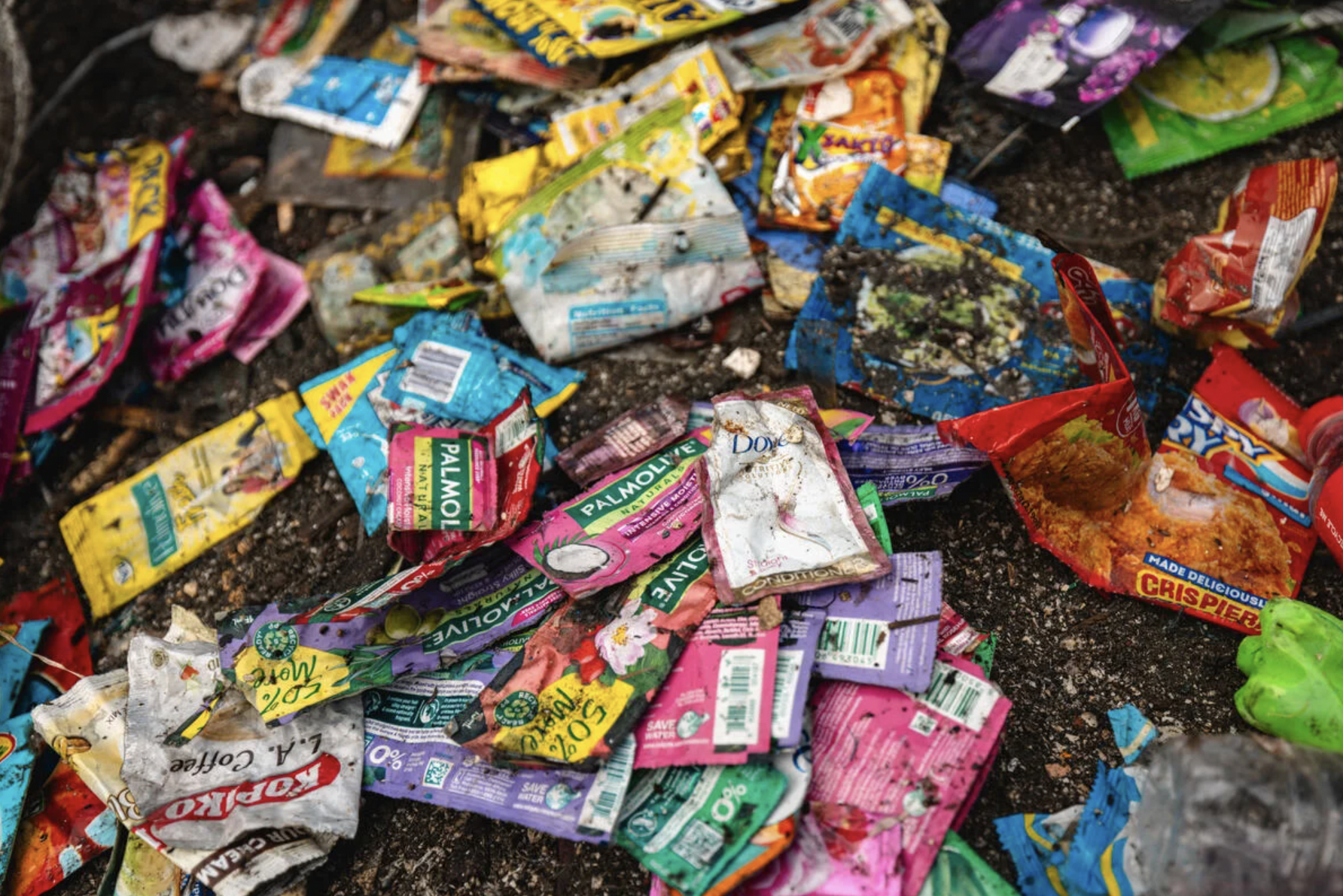
Reuse is working. It’s time for major brands like Unilever to help it grow.
Reuse at scale isn’t a distant ambition. It’s happening right now, despite the companies still profiting from the status quo.
-
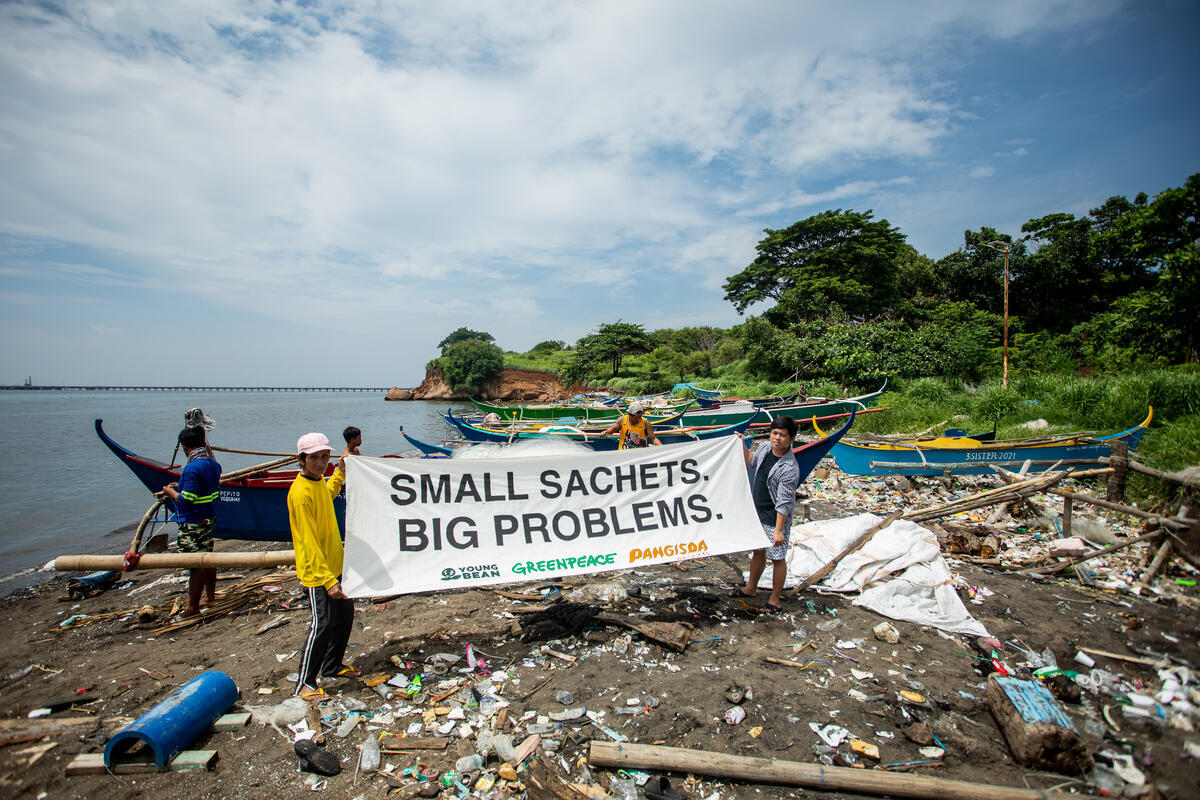
What Consumed reveals about Unilever and why the company must break its sachet habit
Brands like Unilever are now locked into disposability. Despite sustainability promises, the company continues to rely on sachets for volume and margins, even as the pollution becomes impossible to ignore.
-
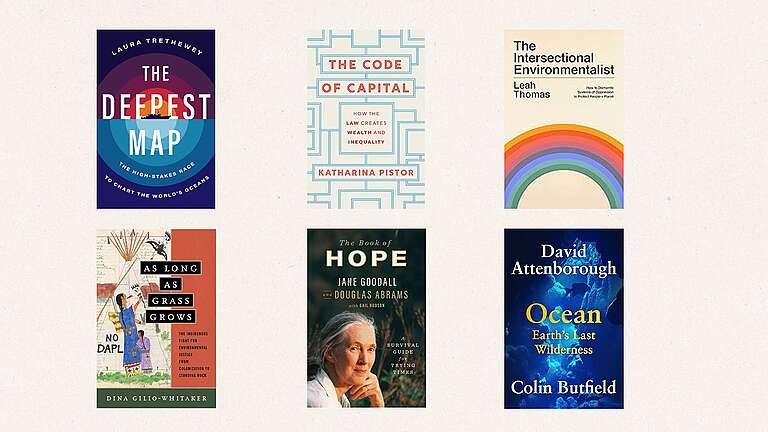
Oceans, hope, environmental justice, critiques of capitalism: 6 books to start 2026
Here are 6 inspiring books discussing oceans, critiques of capitalism, the Indigenous fight for environmental justice, and hope
-
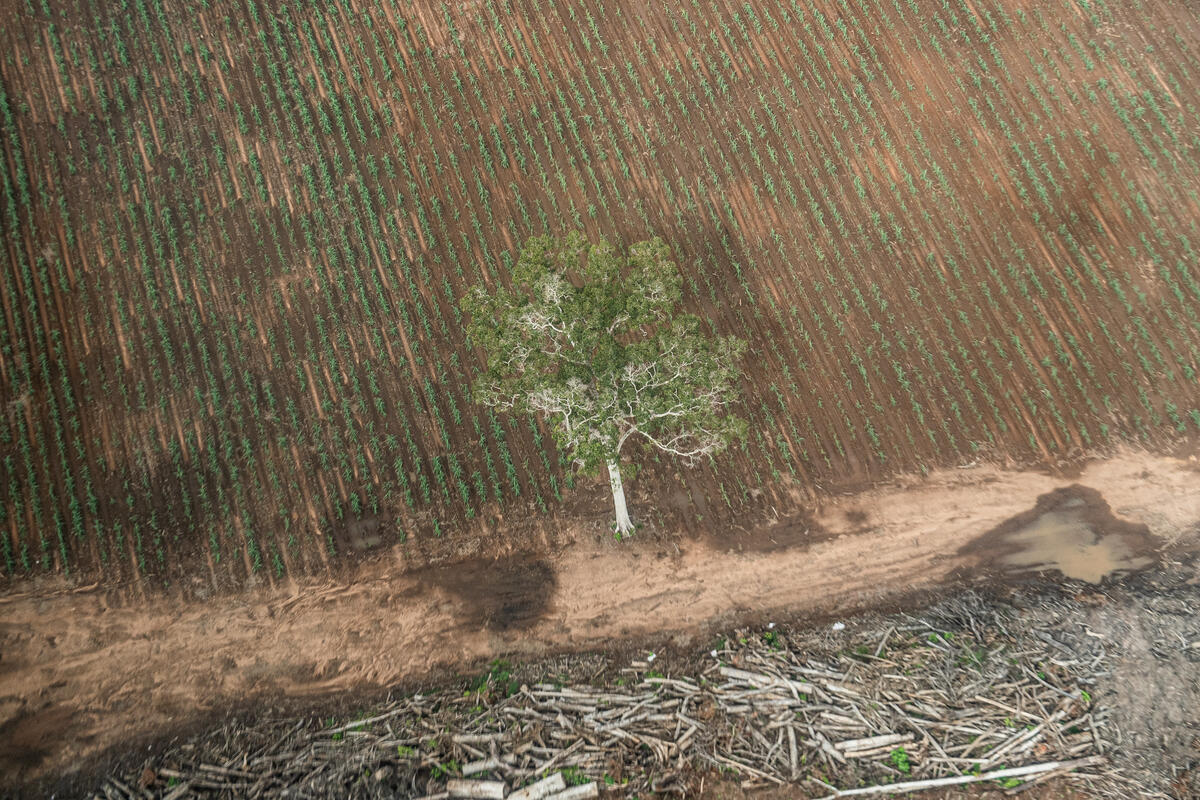
Sweet Promises, Bitter Reality: Inside the Merauke Sugarcane Project
Report: In the Marind homeland in West Papua, land grabbing and forest destruction are taking hold in the name of the Indonesian government’s program for food and energy self-sufficiency.