
Who we are
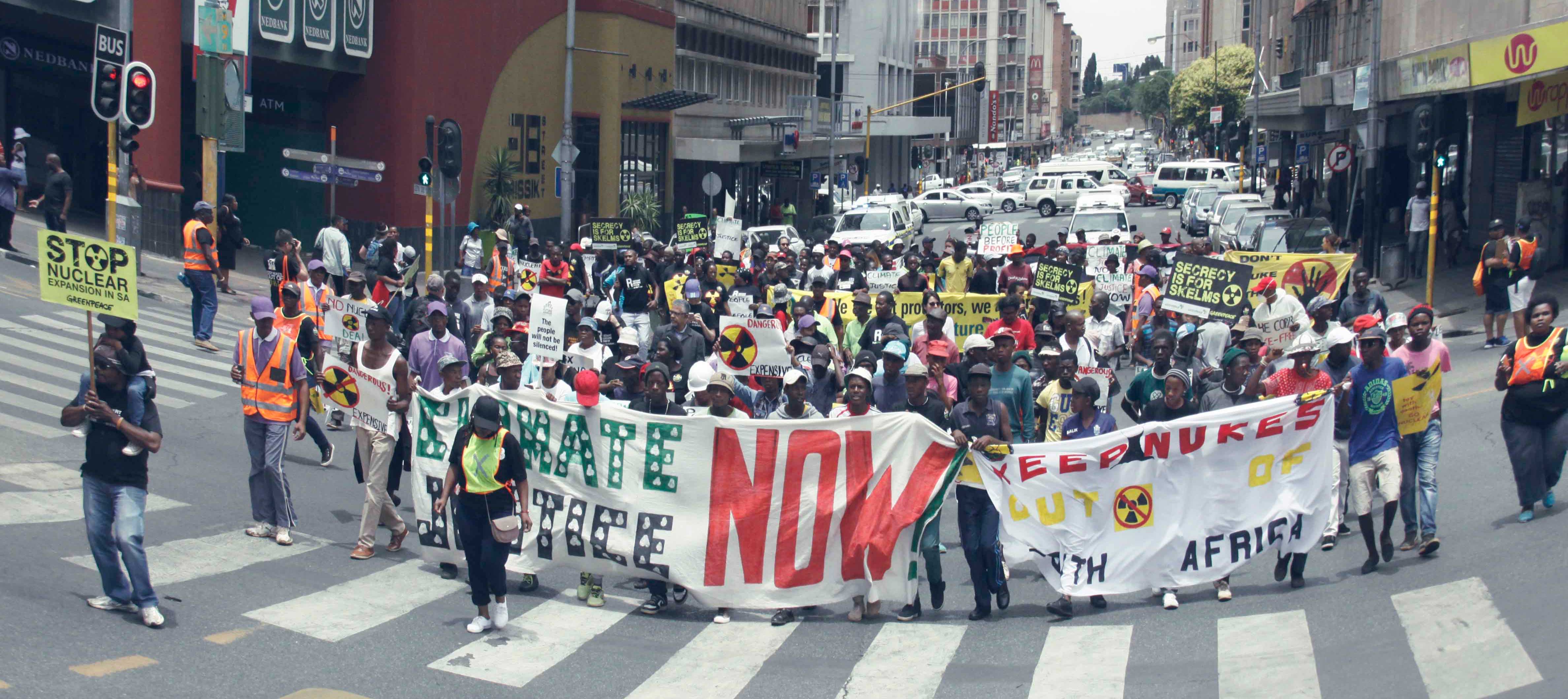
Greenpeace Africa is a growing movement of people acting in protection of the environment. Our campaigns use peaceful, creative confrontation to expose environmental injustices around the world and develop solutions for a green and peaceful future.
Board of Directors
Our board members bring diverse expertise and passionate commitment to guide our organization’s mission and vision.
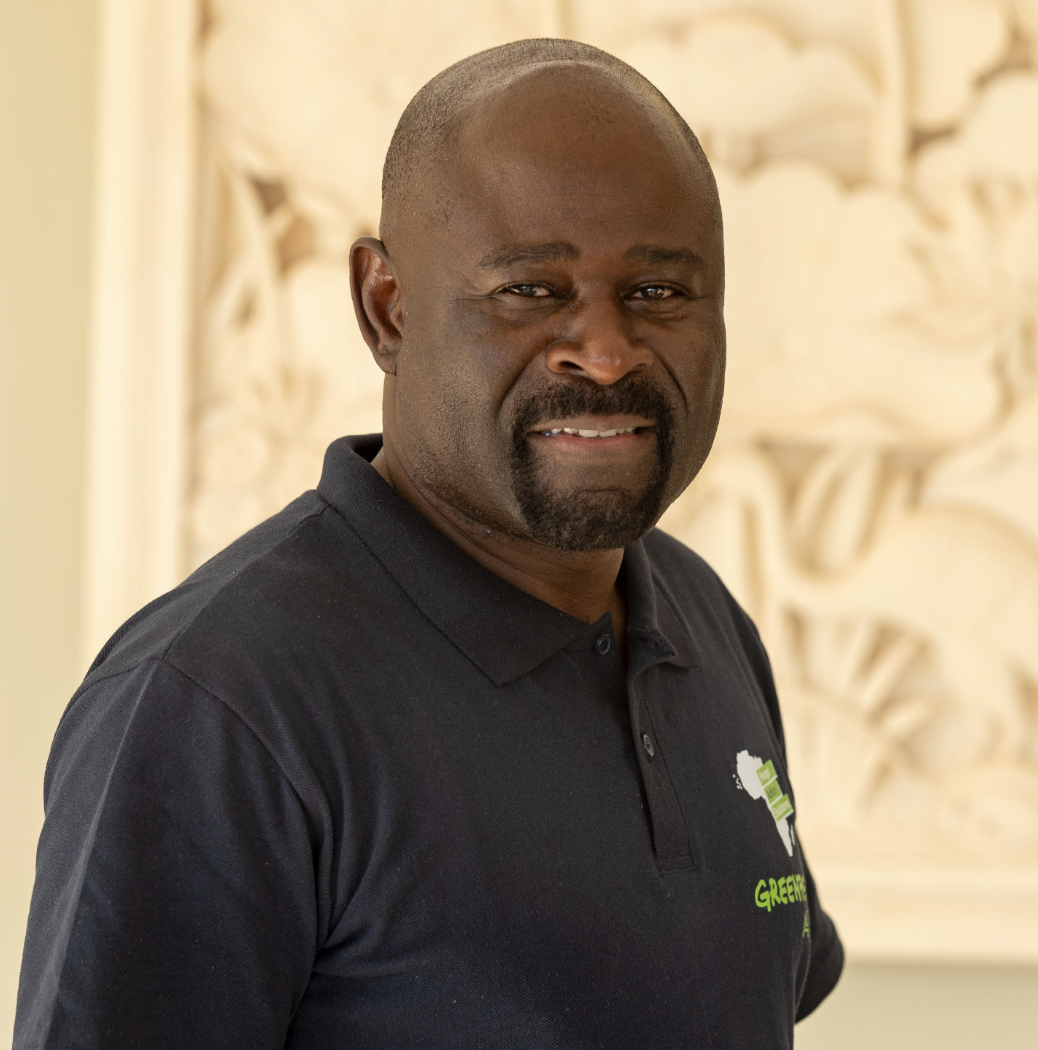
Edmore Nyanhongo
Chairperson
Edmore has extensive senior management experience, is a holder of an MBA Degree, a Bachelor of Business Studies Honours Degree and a number of business related certificates. He previously worked for a Broadcasting institution, an Agricultural financial institution, a Power Generation and Electricity Distribution Company and several international and regional NPOs. On the corporate governance side, Edmore served on several boards as a Non-Executive Director in various capacities to date.
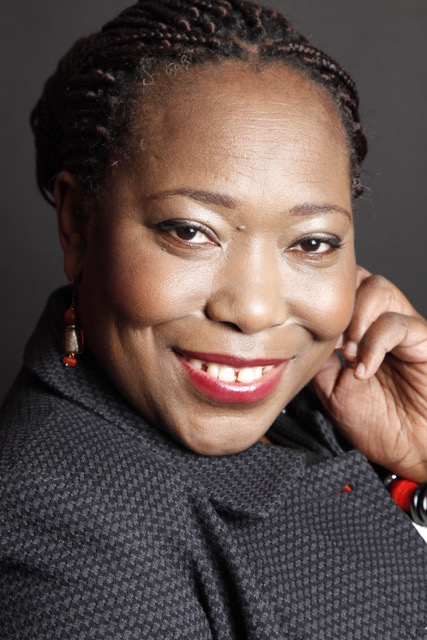
Adeola Akintoye
Deputy Chairperson / Treasurer
Adeola Akintoye is a qualified accountant and a member of the Association of Chartered Certified Accountants (ACCA). She holds a master’s degree in business information technology and has spent over 25 years successfully working in the international development sector, where she has held various finance leadership roles. Adeola combines her extensive experience, skills, and passion to empower others to become effective finance leaders.
Jackie Athieno
Member / Trustee Delegate
Jackie is a passionate People Leader with with extensive experience in the INGO sector, specializing in fostering organizational resilience and leadership driving, and sustainable change across 20+ countries in Africa, Asia, Europe, and the Middle East. She has a proven track record in HR strategy, culture transformation, and talent development, having worked with global organizations like Oxfam and Habitat for Humanity International.
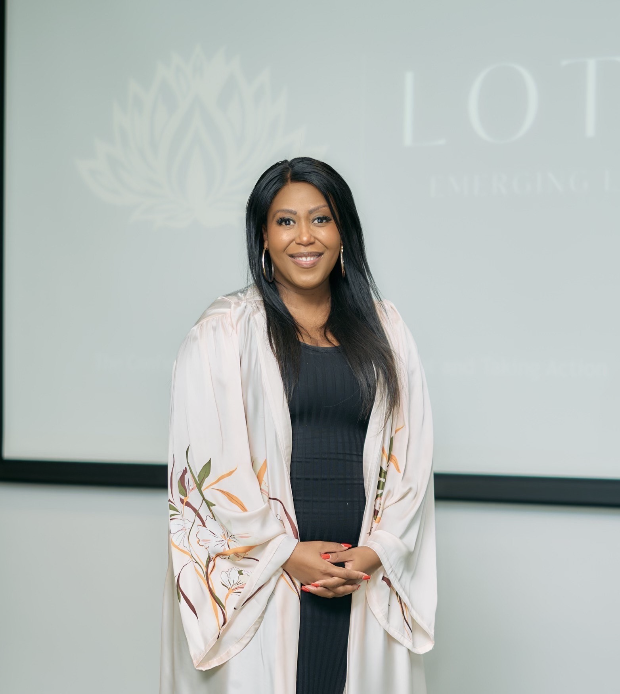
Kgomotso Mufamadi
Member
Kgomotso Mufamadi is Chief Executive of Lotus Labour Consulting, a boutique labour law consultancy providing unique, bespoke solutions to clients in the labour relations and the organizational development space. She is an experienced attorney, labour consultant, a former commissioner of the Commission for Conciliation Mediation and Arbitration and a former lecturer at the University of Johannesburg.
Executive Director

Dr. Oulie Keita
Executive Director
Dr. Oulie Keita is a seasoned international development expert with 25 years of experience driving policy change, advocacy, and campaigns focused on environmental protection, sustainable development, and good governance. She holds a PhD in Governance, Environment and Development and is bilingual in English and French.Dr. Keita currently serves as the Executive Director of Greenpeace Africa, where she leads strategic efforts to advance climate justice and protect Africa’s natural resources. She previously served as Executive Director of UNDP’s YouthConnekt Africa Programme and has held senior leadership roles at the ONE Campaign, Freedom House, USAID, Femmes Africa Solidarity (FAS),and the Sustainable Development Goals Center for West and Central Africa. Throughout her career, her leadership has taken her to some of the world’s most influential platforms including the United Nations Security Council, the African Union Commission, the World Economic Forum, the World Bank Group, and the United Nations General Assembly where she has advocated for transformative policies, programs, and partnerships and engaged directly with Heads of State, Ministers, and global decision-makers.
Senior Management Team
Our senior management team leads the strategic implementation of our mission with deep expertise across key functional areas.

Bodhisattva Gupta
Deputy Executive Director
For Bodhisattva, change doesn’t happen in a boardroom—it starts on the street. He has spent over twenty years at the heart of the Greenpeace movement, starting as a frontline fundraiser in India. That decade on the ground built a core belief that has defined his entire career: if you want to shift the planet, you have to mobilize the people. When he moved into leadership at Greenpeace Africa, Bodhisattva spent over nine years as Fundraising Director and Engagement Director, rewriting the playbook on how the organization connects with its supporters. By blending data-driven insights with deep community partnerships, his strategies didn’t just grow the network—they supercharged volunteer participation by 25%. Now as Deputy Executive Director, he focuses on values-driven leadership, empowering teams, and building the heavy-hitting collaborations needed to secure a green and peaceful continent. Off the clock? He’s either dissecting a classic film or tracking the latest football match with the exact same intensity he brings to environmental activism.

Stefan Blignaut
Fundraising Deputy Director
Stefan Blignaut is the Deputy Director of Fundraising at Greenpeace Africa, where he leads high-impact, data-driven fundraising strategy across the organisation. With over nine years at Greenpeace Africa, he has progressed through roles including Supporter Journey Manager and Head of Retention, building a strong track record in strengthening supporter engagement and driving long-term income growth. He holds a Bachelor of Arts in Drama and Theatre Studies and a Bachelor of Arts in Psychology, bringing a distinctive combination of storytelling and behavioural insight to his work. This is complemented by a City & Guilds Professional Chef Diploma, reflecting a multidisciplinary approach grounded in creativity, discipline, and craft. Stefan has played a central role in advancing supporter engagement and retention within Greenpeace Africa, with a sustained focus on building donor loyalty and long-term value. His experience spans the development of integrated fundraising systems and the leadership of teams delivering consistent, high-quality performance.

Dr. Aissatou Cissoko
People and Culture and Operations Director
Dr Aïssatou Cissoko is a recognized African expert in energy, environment, leadership, and organizational development. She holds a PhD in Energy Engineering, an MBA in Energy and Sustainability, and a Higher National Diploma (DUT) in Industrial Engineering and Maintenance. She also holds several international certifications in leadership, emotional intelligence, behavioral intelligence, human capital development, and change management. A pioneer in her field, she founded the first Energy and Environment Think Tank in Senegal, creating a strategic platform dedicated to energy transition, climate change, and sustainable development. She has collaborated with numerous national and international institutions, including the African Development Bank (AfDB), Senegalese ministries, and various organizations working in sustainable development, energy, and youth training. In 2024, she joined Greenpeace Africa as West Africa Regional Coordinator, where she led strategic initiatives across the region. She was later promoted to Director of People & Culture and Operations, where she contributes to strengthening organizational leadership, human capital development, and operational strategy in support of environmental and climate justice across Africa. She is an international speaker and panelist, regularly invited across Africa, Europe, the United States, and Canada to speak on leadership, energy transition, climate change, environmental sustainability, and youth development. She has also supported armed forces as well as numerous women’s and youth networks through leadership, stress management, and personal development training. In 2023, she received the Best Environmental and Climate Innovation Award in Africa, awarded by a German foundation in recognition of her contribution to innovative solutions for climate and environmental challenges. Through her work and leadership, Dr Aïssatou Cissoko represents a new generation of African leaders committed to sustainable transformation, inclusion, and human development.
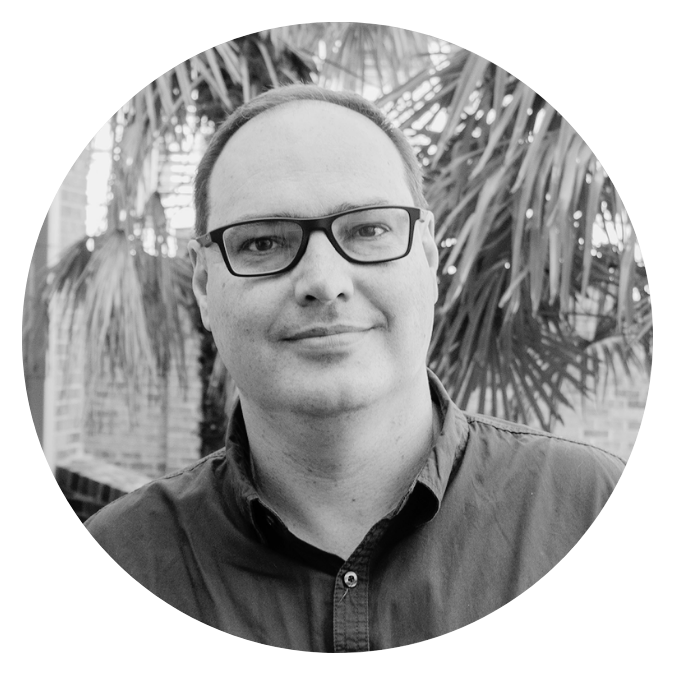
Gerhard Combrink
Finance Director
Gerhard Combrink is a South African Chartered Accountant based at the Greenpeace Africa Johannesburg Office. He has international experience managing finance, administrative and strategic planning, and development functions. His extensive experience in working for large international organisations ranges across a variety of professional settings; including corporations, government, as well as non-governmental and relief agencies.
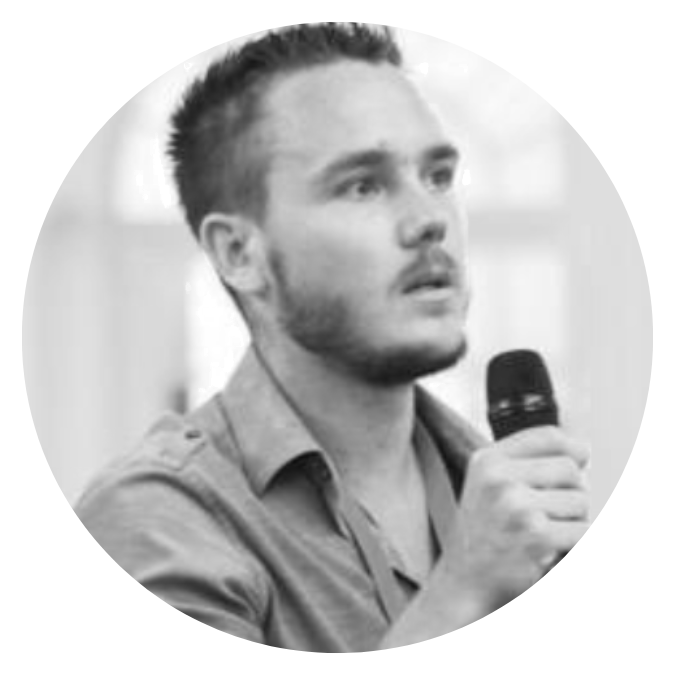
Nick Monro aka Dikson
Deputy Director of Engagement
Dikson has worked across Africa and the UK in digital, youth and activist organisations leading diverse teams to deliver change. Part comms, engagement and digital leader – from Magamba Network in Zimbabwe to Greenpeace UK and now Greenpeace Africa Dikson has shifted the dial on how to inform and engage audiences to take action and helped organisations lean strategically into the on and offline space to make them stand out as leaders in the field of on and offline mobilisation, communication and fundraising. Part creative – a published poet and writer, exhibited photographer with depth of experience in and passion for conceptualising, scripting and executing high performing video from satire to compelling campaign content. Always activism.

Murtala Touray
Programmes Director
Murtala has diverse career experience and skill set having worked in the public and private sector as well as the NGO space promoting and defending human rights as well as peace and security across Africa. Murtala has experience working with intergovernmental organisations including the African Union and the Economic Community of West African States (ECOWAS). His academic pursuit resulted in a Master’s degree in African literature at the Universite de Limoges in France, another Master’s degree in Peace Studies, specialising on African Peace and Conflict at the University of Bradford in the UK as a Rotary World Peace Fellow. and a Master’s degree with distinction in Project Management at the Northumbria University with focus on how the NGO sector manages benefits of projects.
Annual reports, and financial statements
To view our annual and financial reports please visit this page.