
News & Stories
Filter posts
Filtered results
-
-
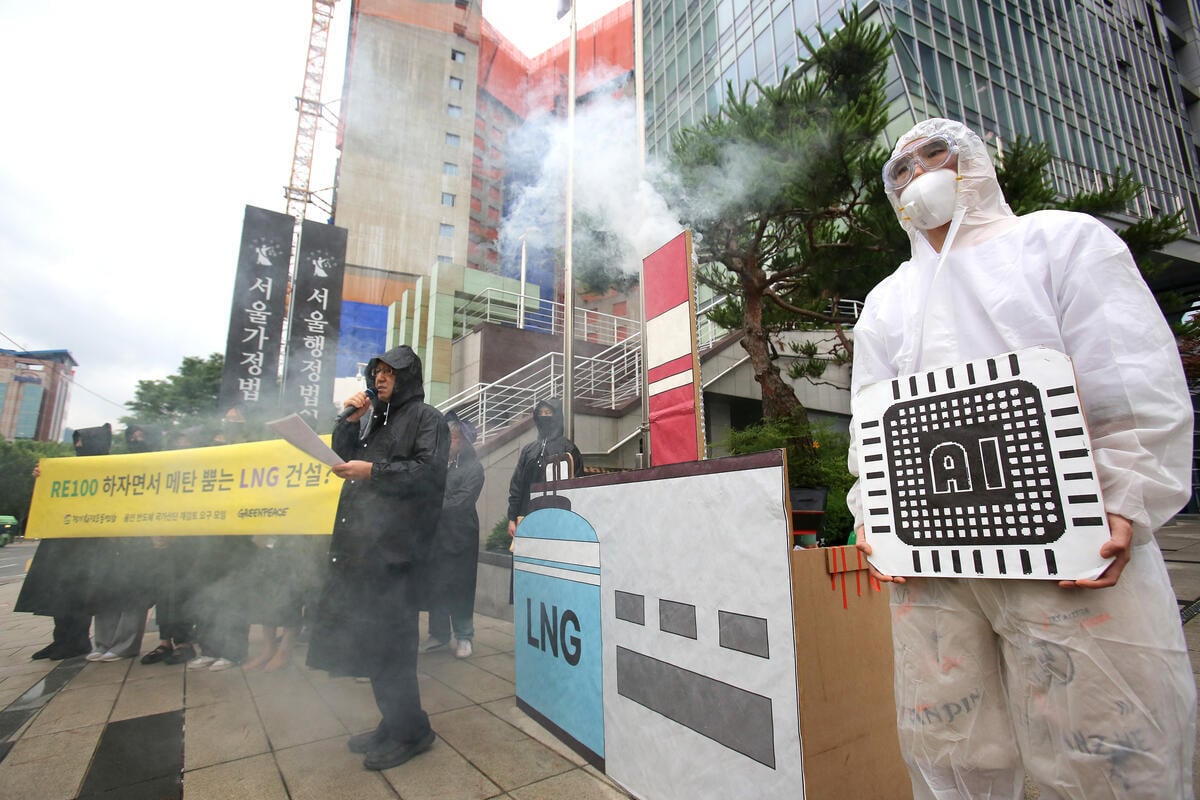
Greenpeace AI x Energy Webinar: How Can East Asia Build a Sustainable AI Ecosystem?
The global artificial intelligence (AI) boom is running into a hard physical limit: the electricity grid. As technology companies build increasingly powerful models and deploy ever-larger computing systems, the digital…
-
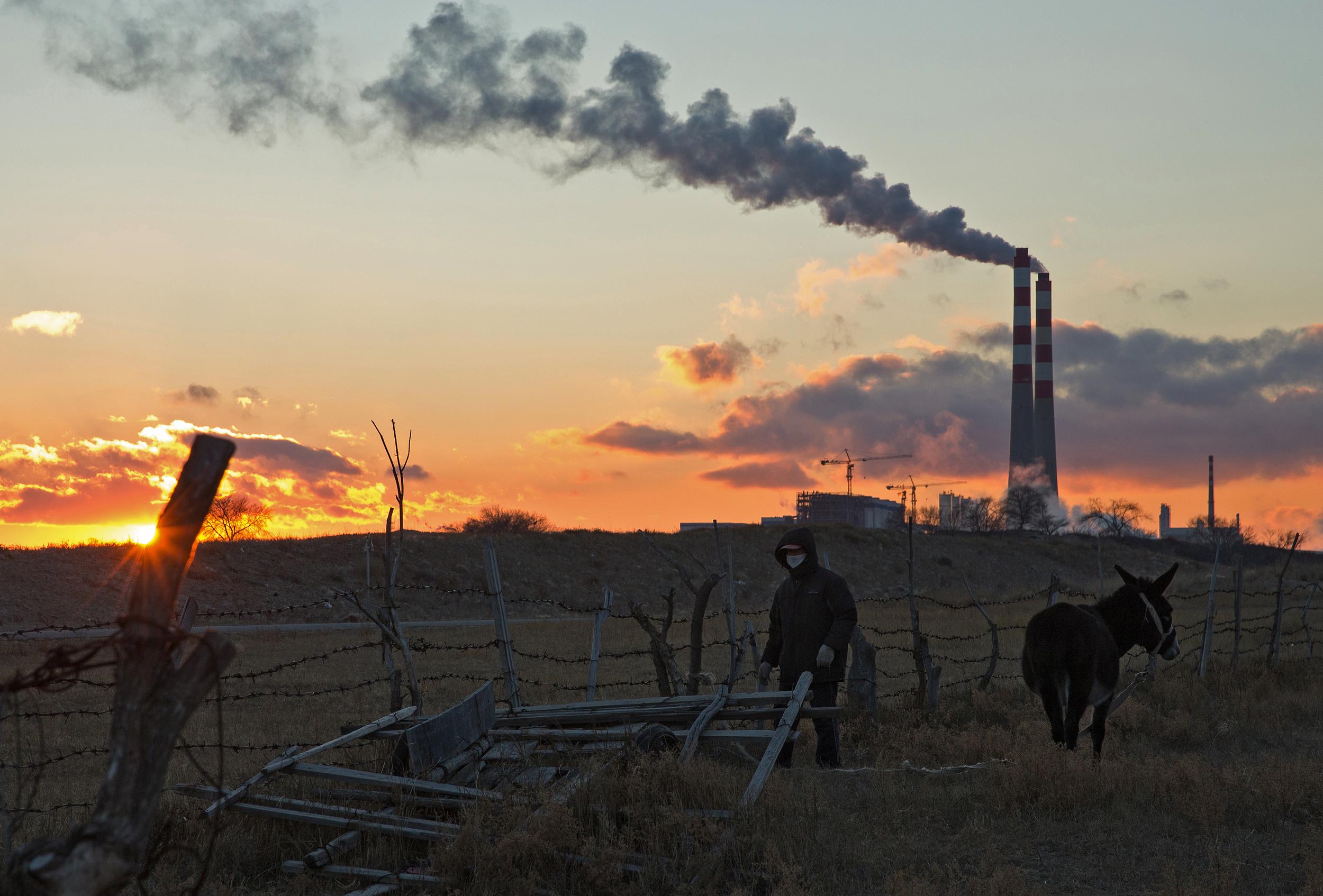
Greenpeace comment as China coal use under 50% for first time
Beijing – Coal-fired power plants accounted for less than 50% of
-
-
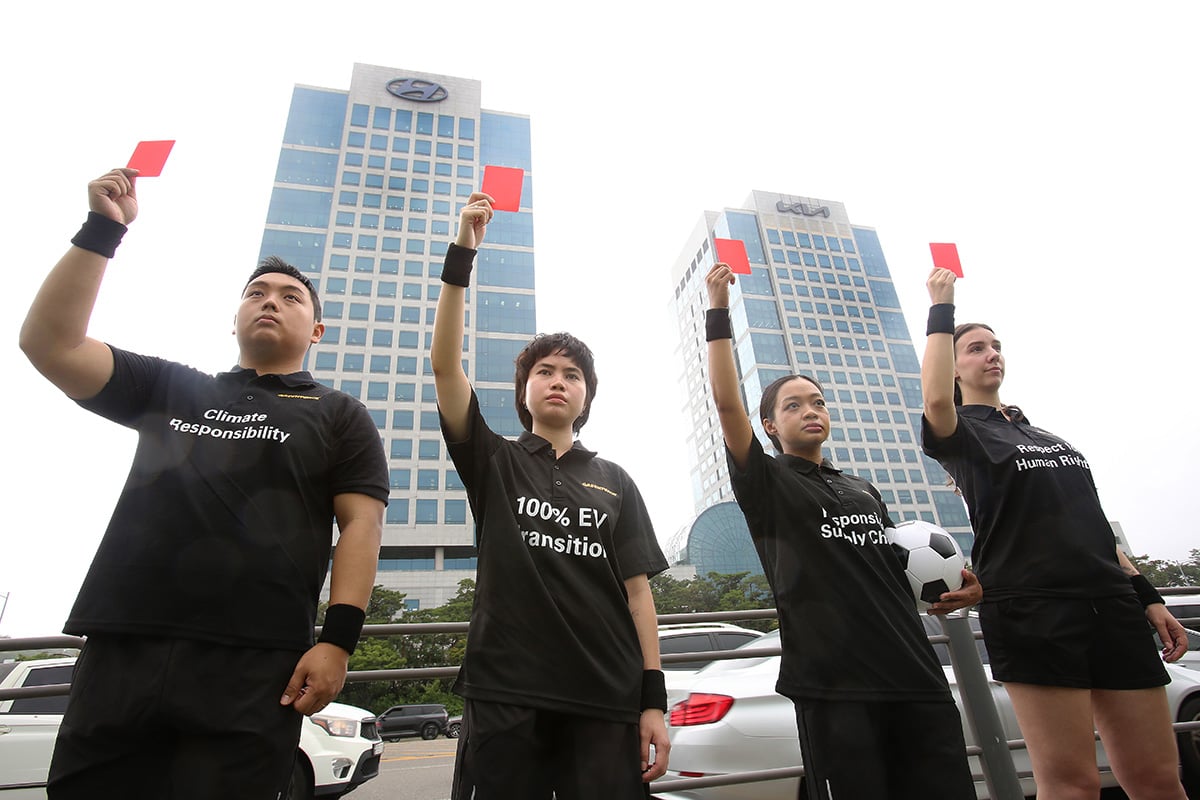
Greenpeace Flashes “Red Card” to FIFA World Cup Sponsor Hyundai Over Systemic Supply Chain Abuses and EV Backtrack
Greenpeace activists in Seoul staged a high-profile protest targeting Hyundai Motor Group headquarters today, flashing symbolic referee “red cards” to the FIFA World Cup sponsor.
-

Greenpeace: Nearly 80% of baby fruit puree and yogurt products sold in Taiwan use plastic pouches
Taipei, July 14, 2026 — A child’s first complementary food may also mark the beginning of exposure to plastics. Greenpeace today released its Packaging Survey of Baby Food Products, Including…
-
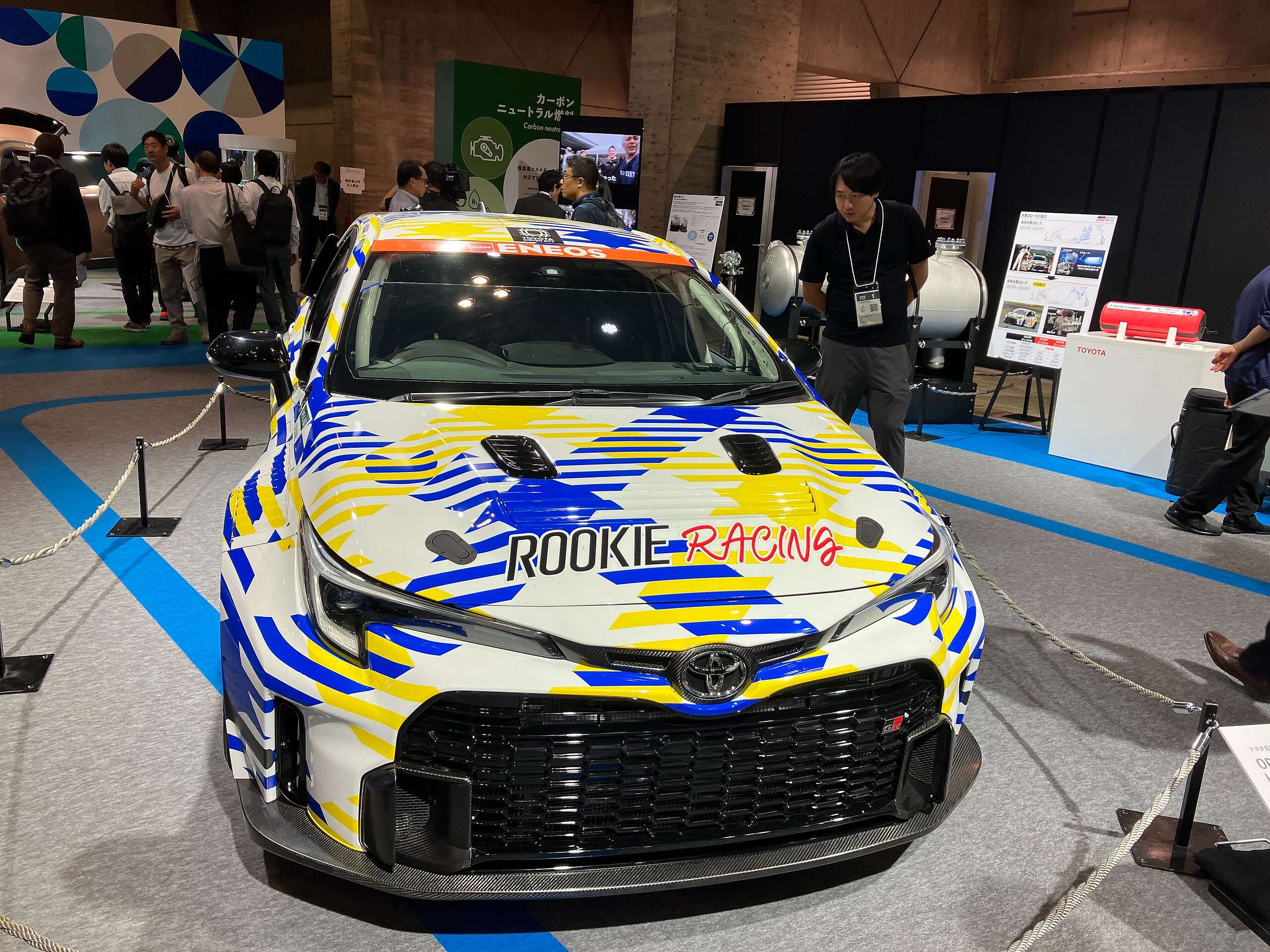
Greenpeace Webinar: Can Legacy Automakers Keep Up with Southeast Asia’s EV Boom?
On June 24, Greenpeace Japan hosted an online seminar focused on Indonesia's fast-growing EV market and implications for traditional Japanese automakers. The event brought together Aditya Mahalana, a senior researcher at the International Council on Clean Transportation (ICCT), and Achmad Rofiqi, vice chairman of PR & Education at the Indonesian EV Industry Association (PERIKLINDO), to…
-
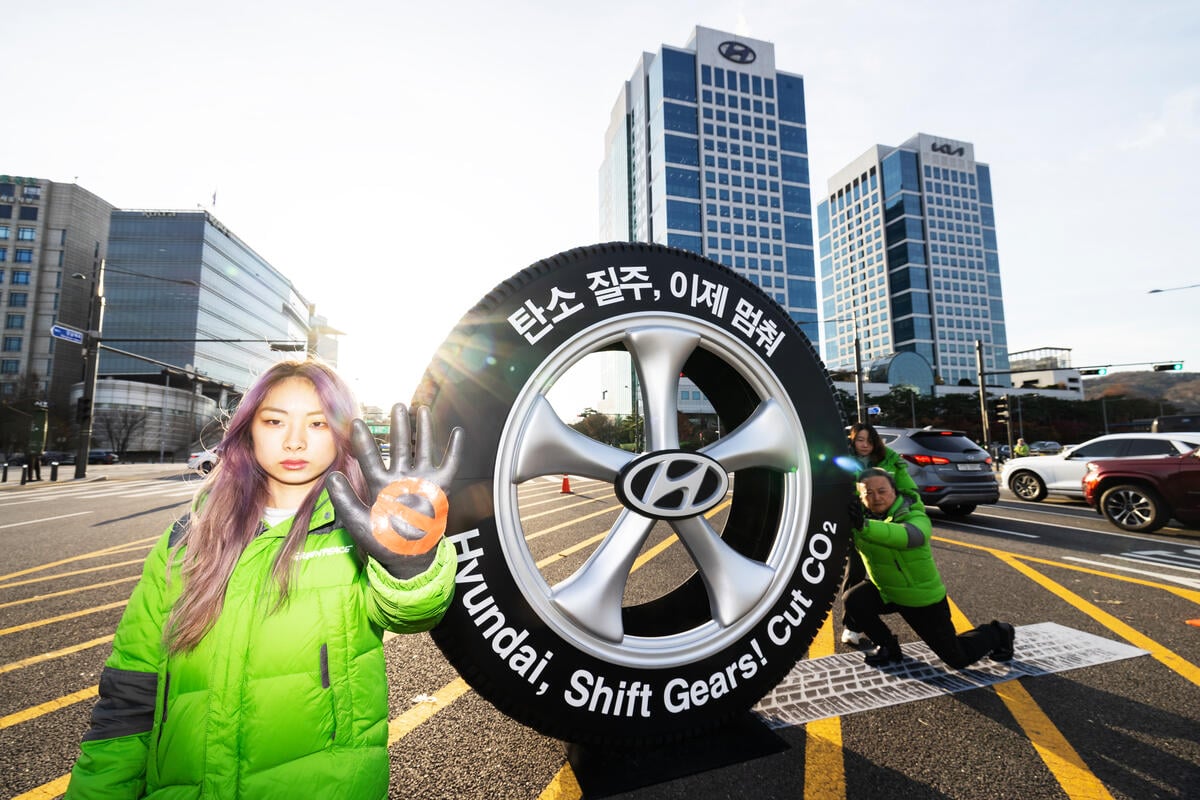
An Open Letter to Hyundai Motor Group from NGO Allies
Eleven NGO voices from around the globe urged 2026 FIFA World Cup sponsor Hyundai to take responsibility for its impacts and to align its climate commitments with meaningful action.
-
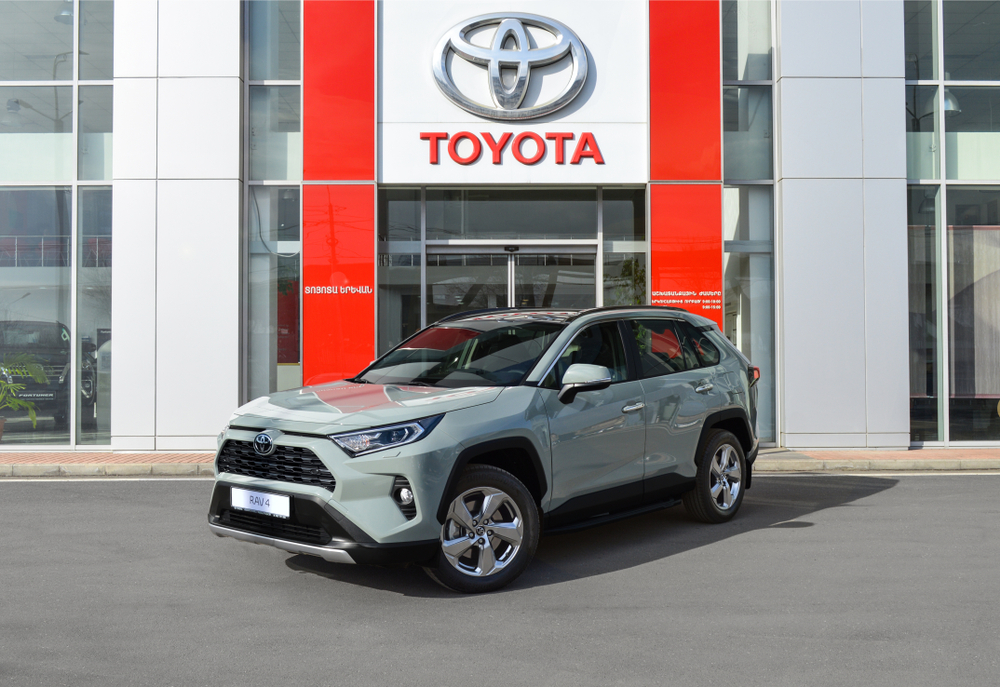
Greenpeace on Toyota 2026 Shareholders’ Meeting: “Multi-Pathway” Strategy Hinders EV Progress
TOKYO — As Toyota Motor Corporation held its Annual Ordinary General Shareholders’ Meeting today in Toyota City, Aichi Prefecture, media reported that shareholders re-elected Akio Toyoda as chairman and backed…
-
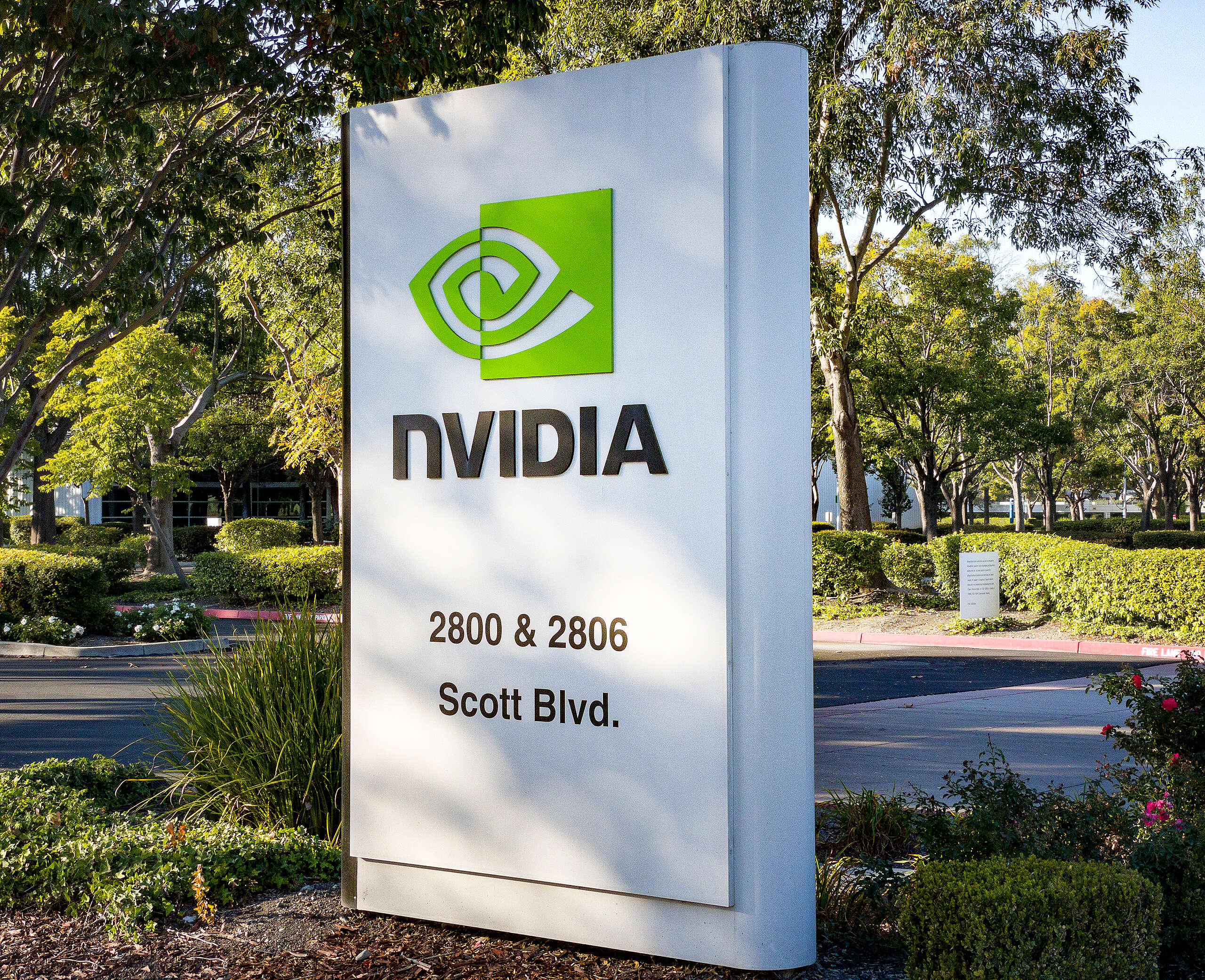
NVIDIA’s FY2026 Sustainability Report Reveals Scope 3 Emissions Have Nearly Tripled Since 2024: Greenpeace Response
NVIDIA’s FY2026 Sustainability Report Reveals Scope 3 Emissions Have Nearly Tripled Since 2024: Greenpeace Response