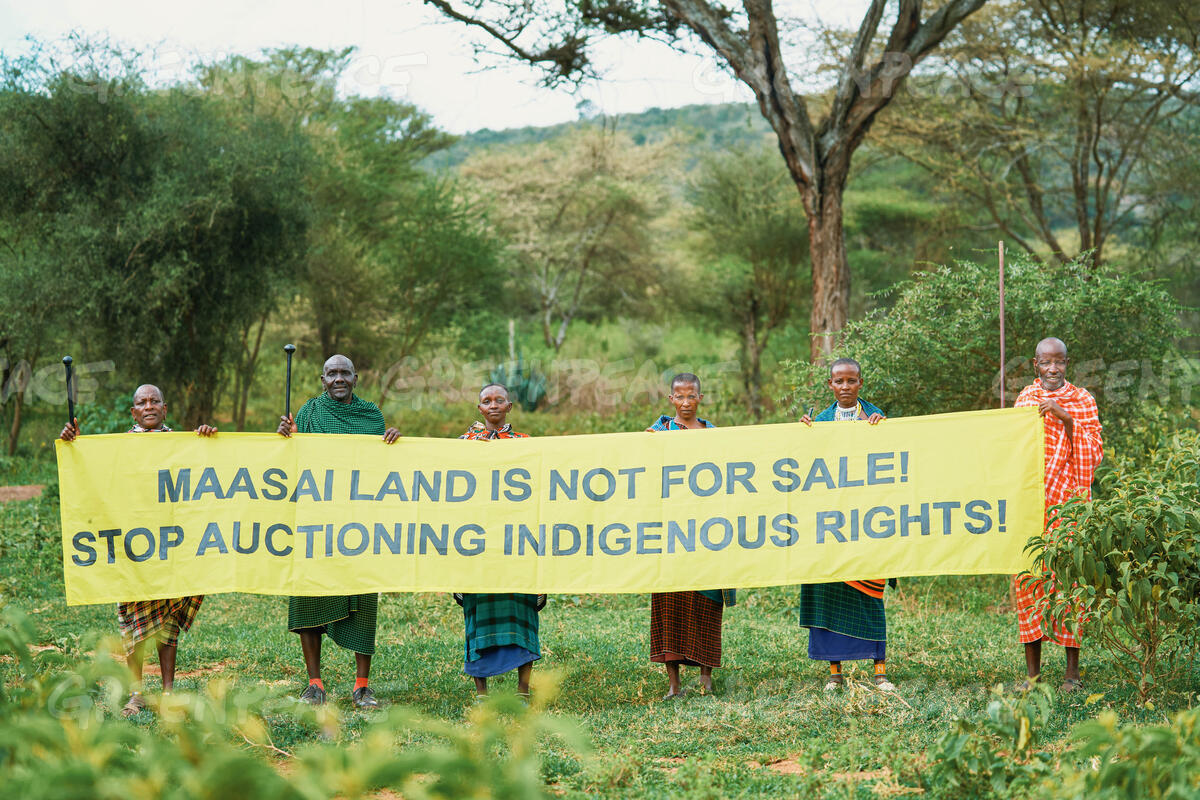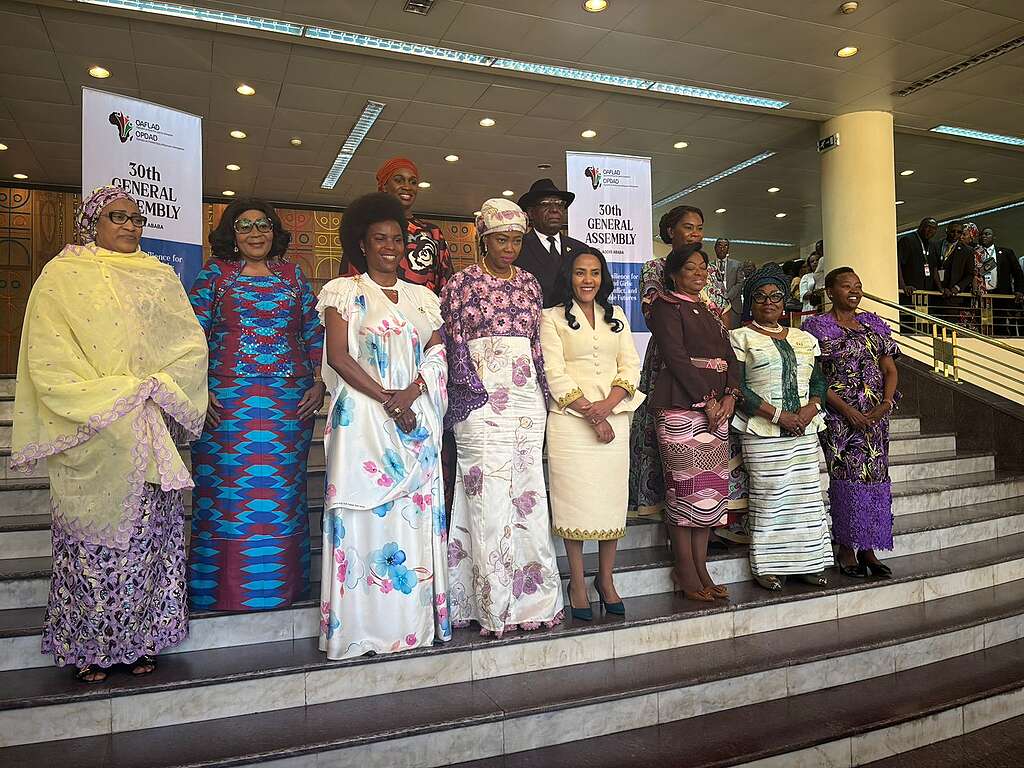
Last year, at the 38th African Union Summit, I called for reparations to move beyond symbolism and include environmental justice. I argued that justice for Africa must also mean justice for the Congo Basin rainforest and for the Indigenous Peoples and Local Communities who protect it. Recognition was important. But recognition alone would not protect forests, secure water or strengthen sovereignty. One year later, the question is no longer whether the African Union understands the stakes. The question is whether it is prepared to close the gap between commitments and implementation. The 39th AU Summit reaffirmed priorities around water security, economic resilience and institutional reform. These are critical themes.
But reaffirmation is not reform. The real measure of leadership lies in execution.
The implementation gap
Africa has frameworks. It has strategies. It has Agenda 2063. What remains insufficient is enforcement, accountability and measurable delivery.
The Congo Basin continues to face illegal logging, expanding mining concessions and fossil fuel exploration in ecologically sensitive areas. While member states describe forests as strategic assets, there is no binding continental enforcement mechanism to ensure protection standards are upheld consistently.
If forests are central to Africa’s climate resilience and water stability, then forest governance must be treated as a continental security priority. Transparent reporting benchmarks, independent monitoring and consequences for non-compliance must move from discussion to design.
Climate finance must reach communities
The AU continues to call for increased climate finance flows to Africa. This demand is legitimate. However, financing justice requires structural reform domestically, not only higher figures. Without these reforms, higher financial commitments alone will not guarantee effective climate action.
There is still no clear continental mechanism that guarantees direct access to climate and biodiversity finance for Indigenous Peoples and Local Communities. Funds often move through central governments or external intermediaries, leaving frontline communities under-resourced.
If climate resilience is a continental priority, then community-level financing pathways must be institutionalised because resilience is ultimately built at the local level.. Protecting ecosystems without empowering those who manage them weakens both justice and effectiveness.
Water security depends on ecological governance
This year’s summit placed strong emphasis on water security. Yet water governance across AU member states remains disconnected from forest and land-use policy.
Deforestation destabilises rainfall patterns. Unsustainable land use weakens watershed resilience. Industrial expansion without environmental safeguards increases long-term vulnerability.
Water security strategies that ignore forest protection and biodiversity conservation will not succeed. The AU must integrate land, water and climate governance into a coherent resilience framework rather than treat them as separate policy silos.
Sovereignty requires fiscal integrity
Calls for financial sovereignty and reform of global financial systems are necessary. Yet domestic governance reforms must keep pace.
Illicit financial flows continue to undermine public budgets. Extractive contracts lack transparency in many jurisdictions. Environmental commitments are not consistently reflected in national budget allocations.
Sovereignty cannot be credible if environmental governance remains underfunded and extractive oversight remains weak. Strengthening transparency and public financial accountability is central to closing the credibility gap.
Credibility begins at home
Africa’s voice in global climate and development negotiations is growing stronger. That leadership is welcome and overdue.
However, international credibility depends on domestic consistency. Forest protection cannot be celebrated while extractive licenses expand into intact ecosystems. Climate ambition cannot coexist with weak enforcement mechanisms.
Citizens will judge progress not by communiqués but by outcomes. Forests that remain standing. Water that remains accessible. Communities that remain protected from displacement.
A decisive moment
The 2026 AU Summit has reaffirmed ambition. It has restated priorities. It has acknowledged urgency. Now comes the harder work.
The next phase must include enforceable standards for forest protection, structured access to climate finance for communities, integrated ecological governance and measurable implementation timelines.
Africa does not lack vision. It faces a delivery test.
The call made in 2025 still stands. Justice must be structural. In 2026, structural justice means enforceable policies, transparent financing and accountable leadership.
This decade will determine whether the Congo Basin remains a stabilising force for the continent or becomes another example of delayed action.
The African Union has articulated the right language. It is ultimately the responsibility of member states to show the political will to turn language into lasting protection on the ground.

Dorine Nininahazwe
Senior Political Advisor, Greenpeace Africa