
Remembering what fashion forgot: why keeping what we have might just save the planet.
Last week, while clearing my closet, I found my 1999 jeans folded quietly beneath clothes I rarely wear. The denim has softened with time, its blue faded to the colour of river stones. They don’t quite fit my growing body anymore, but they still fit the spirit of the woman I was, and becoming. I almost placed them in the give-away pile, but something inside me resisted, as if some part of me knew these jeans still had a story to tell. These jeans have outlived countless mobiles phones, multiple jobs, travelled to continents, and a thousand digital distractions. In their stitches is a world that believed things should last.
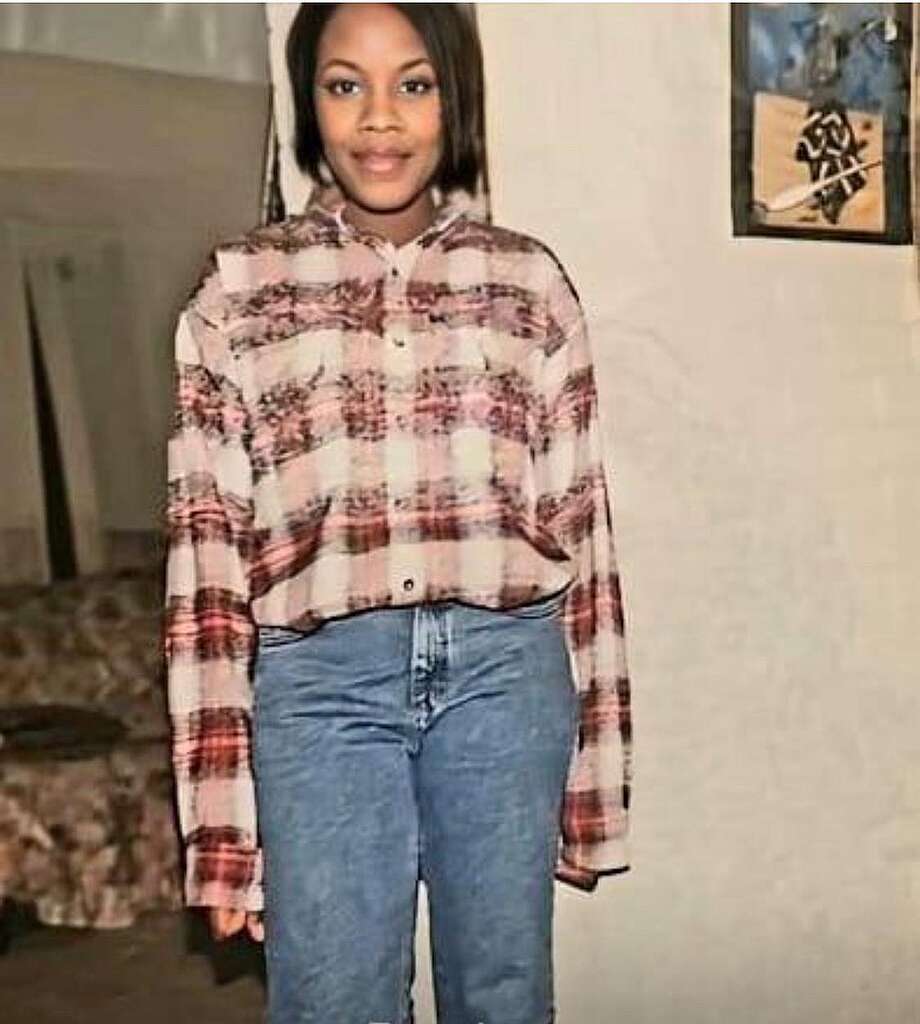
When I bought them in 1999, jeans were still meant to endure. Owning a pair of sturdy jeans meant more than fashion. This was a time when wardrobes had emotional longevity. Clothes were stitched to last, not to trend. We bought fabric, not finished clothes. The tailor knew our sizes better than we did. Shopping wasn’t a chaotic chase for dopamine hits. It was a seasonal ceremony. Weddings, school events, holiday parties, traditional festivities etc. Each garment had a story, a purpose, a season.
That time feels like another century, and in many ways it was. The late 1990s were the last years before the storm broke, before algorithms, before micro-seasons, before the word fast attached itself to fashion like an infection.
People often say the world changed because technology advanced. I think it changed because we forgot.
We forgot that repair was once pride. We forgot that waiting was once joy. We forgot that quality was a quiet form of respect, for the maker, for the material, for ourselves.
But this forgetting wasn’t innocent. It was engineered. The market punished memory. Why patch a shirt when a new one costs less than a meal? Why hold on when disposal is convenient? Neoliberalism rewards forgetting because remembering, repairing, keeping, mending interrupts the flow of sales, reduces profit, and slows consumption. This wasn’t a cultural shift. It was about commerce to drive sales at any cost. We became mass consumers of fast fashion!
Then came the age of speed and the tyranny of micro-seasons. Zara perfected the two-week design-to-shelf model, while H&M flooded stores with endless “drops.” Anxiety became aspiration, insecurity became demand. Fashion magazines, TV shows, and later Instagram and TikTok became the machinery of desire. Fast fashion promised empowerment but made us disposable.
George Orwell once wrote, “To see what is in front of one’s nose needs constant struggle.” And right in front of us lies a simple truth : the planet cannot survive the economics of endless novelty. Forty years ago, the world produced around 45 million tonnes of textiles. Today it’s over 100 million, most of it is polyester, fossil fuel disguised as fabric. So, fast fashion isn’t just a labour issue, it’s a fossil fuel issue. Studies show that 35% of all ocean microplastics come from textiles. The clothes that promised us identity now erode the very ecosystems that sustain us. It is high time for us to find our way back. Not out of nostalgia, but necessity.
The truth is, the geography of guilt is global. It’s the same colonial pattern, just stitched differently. The unwanted clothes of the Global North do not disappear; they travel as mounds of “charity”,”goodwill” or “donations”. The shirts people discard in Paris or London end up choking the beaches of Ghana, Senegal and the landfills of Kenya, Cameroon and DRC. We at Greenpeace and others have called out this waste colonialism for decades.
Our campaigns like Detox My Fashion, Fast Fashion, Slow Poison, and Poisoned Gifts expose how the global fashion industry is built on a system of waste. Together, they reveal that fast fashion hurts both people and the planet at every stage of production, not just at the point of purchase. We have pushed for circularity but more profoundly, for climate justice,because recycling alone won’t save us. The only truly sustainable garment is the one we already own.
While writing this, I think of Rebecca Solnit, who said that “to be whole is to be part; true voyage is return.” Each time I unfold those jeans, I return not to youth, but to slower time, to conscience, to slower fashion,to the belief that objects can hold important values. They remind me that sustainability isn’t jargon; it’s intimacy. Remembering old consumption patterns isn’t looking backward. It’s relearning balance. It’s how we begin to build a future where fashion no longer bleeds the planet dry.
Perhaps the real question isn’t why I kept my 1999 jeans, but why so many of us stopped keeping anything at all. To keep something is to hold on to meaning in a world that keeps asking us to let go.
Though I no longer wear those jeans, I have kept them because I know they still have a future. One day I will pass them on to my daughter, a level of quality their generation may rarely know. And with her, she will inherit more than denim. She will inherit a story, a reminder that value once meant endurance, that care was once a form of resistance. Maybe when my children hold these jeans, they will understand that what we choose to keep is also what we choose to protect: the planet, the past, and the possibility of something better.

Dr. Oulie Keita
Greenpeace Africa Executive Director


