On 7th June, governments and institutions around the world marked World Food Safety Day with statements, commitments, and carefully worded pledges. My generation marked it differently, with questions about why the food system that is supposed to feed our future is poisoning it instead. We did not create this problem, but we are the ones who will live with it the longest. That is exactly why we cannot stay silent about what is happening in the fields where our food is grown. Discussions on food safety often focus on what happens after harvest ;during processing, storage, transport, and preparation. Far less attention is given to what happens long before that, in the soil, among the crops, in the hands of the farmers who grow what we eat. That silence is costing us.
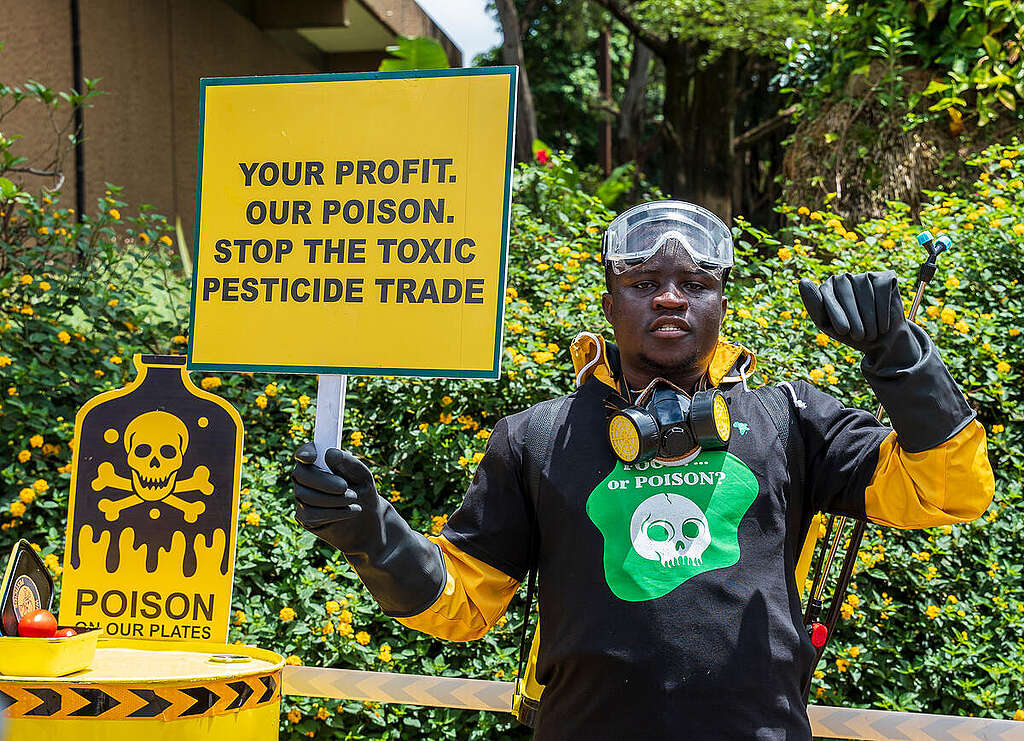
The widespread use of Highly Hazardous Pesticides across Africa is one of the most urgent and least talked-about food safety crises of our time. These are chemicals linked to cancer, reproductive disorders, neurological damage, and endocrine disruption. They contaminate soil and water. They kill pollinators. They weaken the very ecosystems that our food systems depend on to function. And yet they remain in use, season after season.
Part of showing up for this fight is understanding how it actually works and to every young person reading this, this is where we begin. There are standards that exist specifically to keep dangerous chemical residues off our food: Maximum Residue Limits, which set the highest concentration of pesticide residue legally permitted on food, and Pre-Harvest Intervals, the minimum time that must pass between the last pesticide application and harvest so that residues have time to degrade to safe levels. They are the line between safe food and unsafe food.
When they are ignored, or when farmers apply pesticides excessively or harvest too soon, the food that reaches consumers carries chemical exposure levels that no safety standard would approve of. For Highly Hazardous Pesticides, the margin for error is razor thin. The monitoring, testing, and enforcement systems that should catch these violations are nowhere near strong enough across our continent. But understanding the technical side is only the beginning, because underneath the standards and the science, this is also a story about justice.
Our farmers, many of them smallholders with no to little access to protective equipment, training, and viable alternatives, are the first people poisoned by these chemicals. They are not the ones who profit from them. They are the ones who absorb the risk so that a broken agricultural system can keep running. When we talk about food safety, we have to talk about them too.
Additionally, we have to talk about our land. The safety of our food cannot be separated from the health of the ecosystems that produce it. HHPs contaminate soil and water, destroy beneficial insects, and contribute to biodiversity loss. When the environment is poisoned, the resilience of our food systems collapses with it. Environmental protection is not separate from food safety; it is a prerequisite for it. You cannot have safe food on a poisoned planet.
So yes, World Food Safety Day 2025 has come and gone. But across this continent, young people are waking up to a simple truth: the future we were promised cannot be built on poisoned soil. This is our food, our land, our health, and our future at stake. To every young African reading this, we cannot wait for the institutions to fix what they have been protecting. We have to move.
- Sign the petition calling on the African Union to ban Highly Hazardous Pesticides
- Join our volunteer movement and carry this conversation into every space you occupy.
Our continent’s food system will not change on its own. It will change because young Africans decided their future was worth fighting for. That time is now.
Written By:
Derrick Kidavasi
Greenpeace Africa Volunteer
Nairobi, Kenya.