
All articles
-
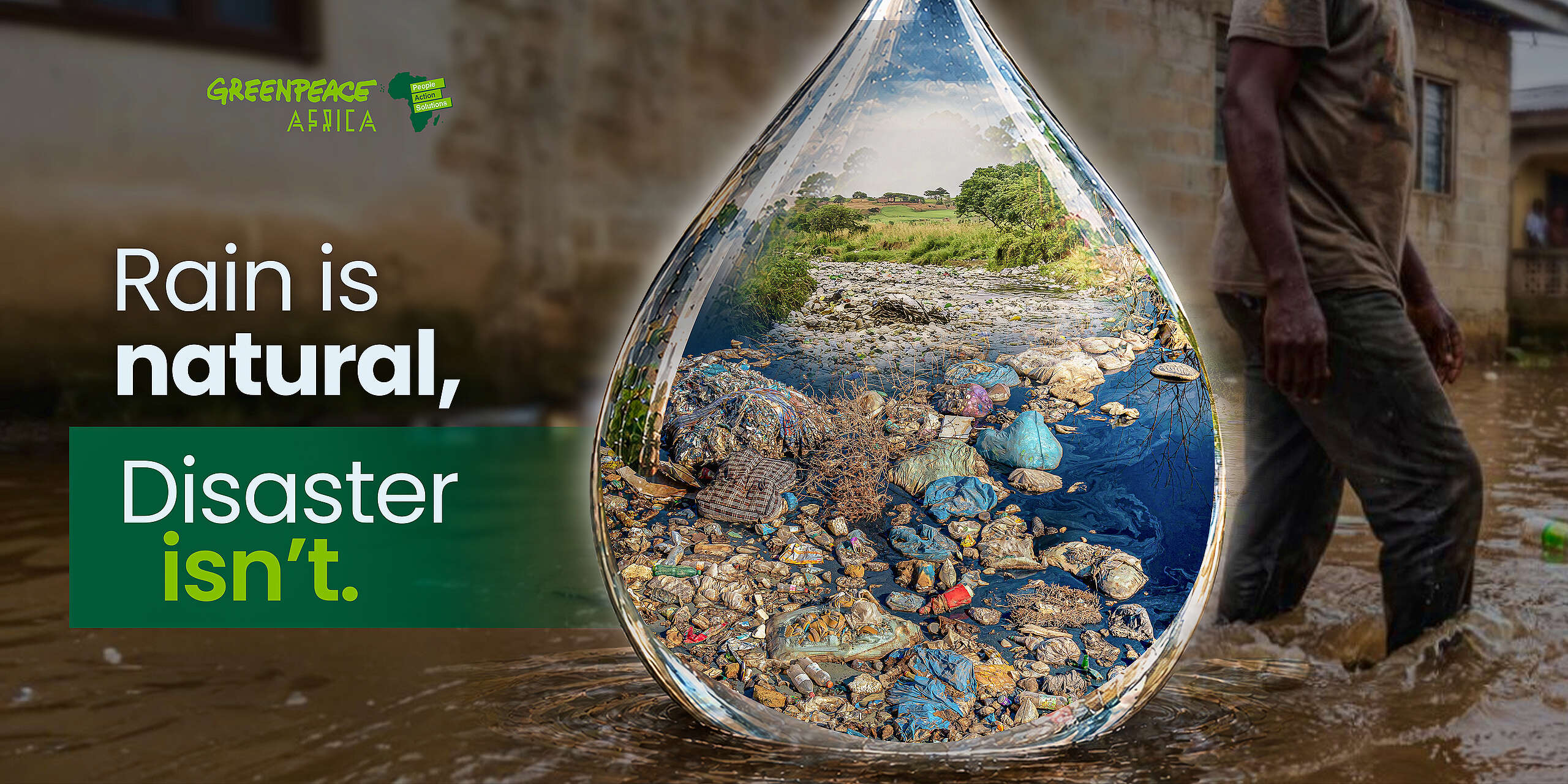
Rain is natural. Disaster should not be.
Heavy rain doesn’t have to become a disaster. What happens next depends on more than the weather.
-
After the flood, before the next storm: Cameroon needs adaptation, not an endless cycle of emergency relief
28 September 2026, Douala – As Cameroon remains under climate vigilance during the rainy season, Greenpeace Africa is calling for weather warnings to be matched by stronger investment in prevention, adaptation and protection for communities.
-
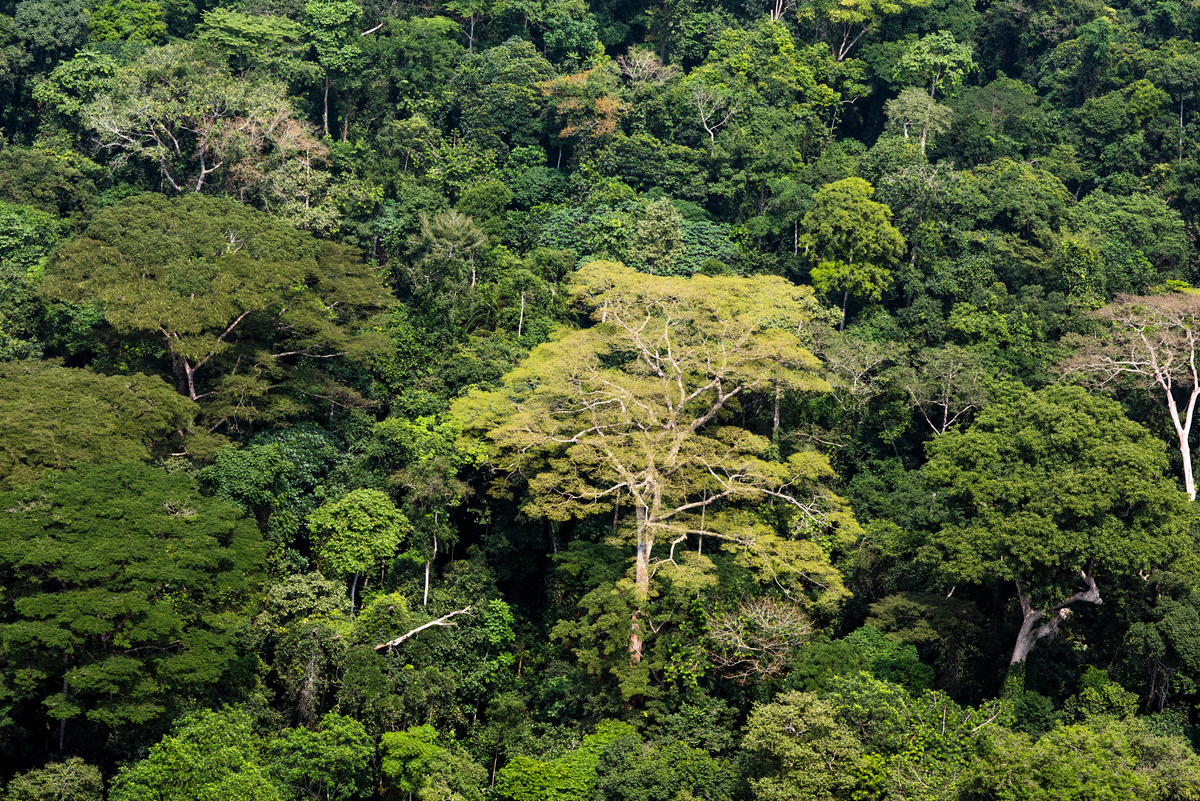
Ahead of UN General Assembly President Tshisekedi urged to halt expansion of extractive projects in Kivu-Kinshasa Green Corridor
Greenpeace Africa and its partners released an open letter addressed to the President of the Democratic Republic of the Congo (DRC), His Excellency Félix-Antoine Tshisekedi Tshilombo, calling on him to take concrete action to safeguard the integrity of the Kivu-Kinshasa Green Corridor (KKGC) from the expansion of new oil, gas and mining projects.
-
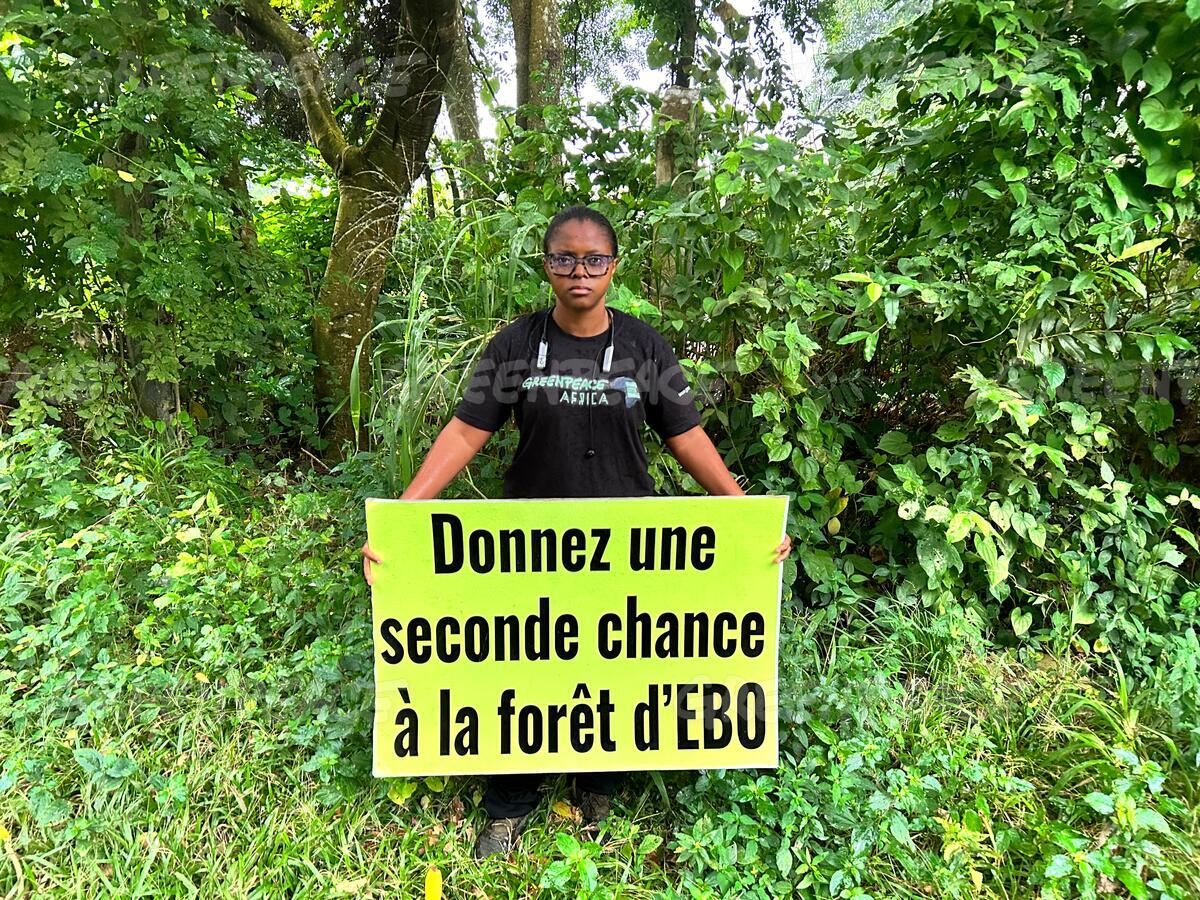
As Cameroon celebrates its WAFCON victory, communities push for victory for Ebo Forest too.
As Cameroon celebrates the triumph of the Indomitable Lionesses on the African stage, attention must also turn to another national heritage at a crossroads: Ebo Forest and the need to secure the customary land rights of the Banen communities, who have claimed these ancestral territories for generations.
-
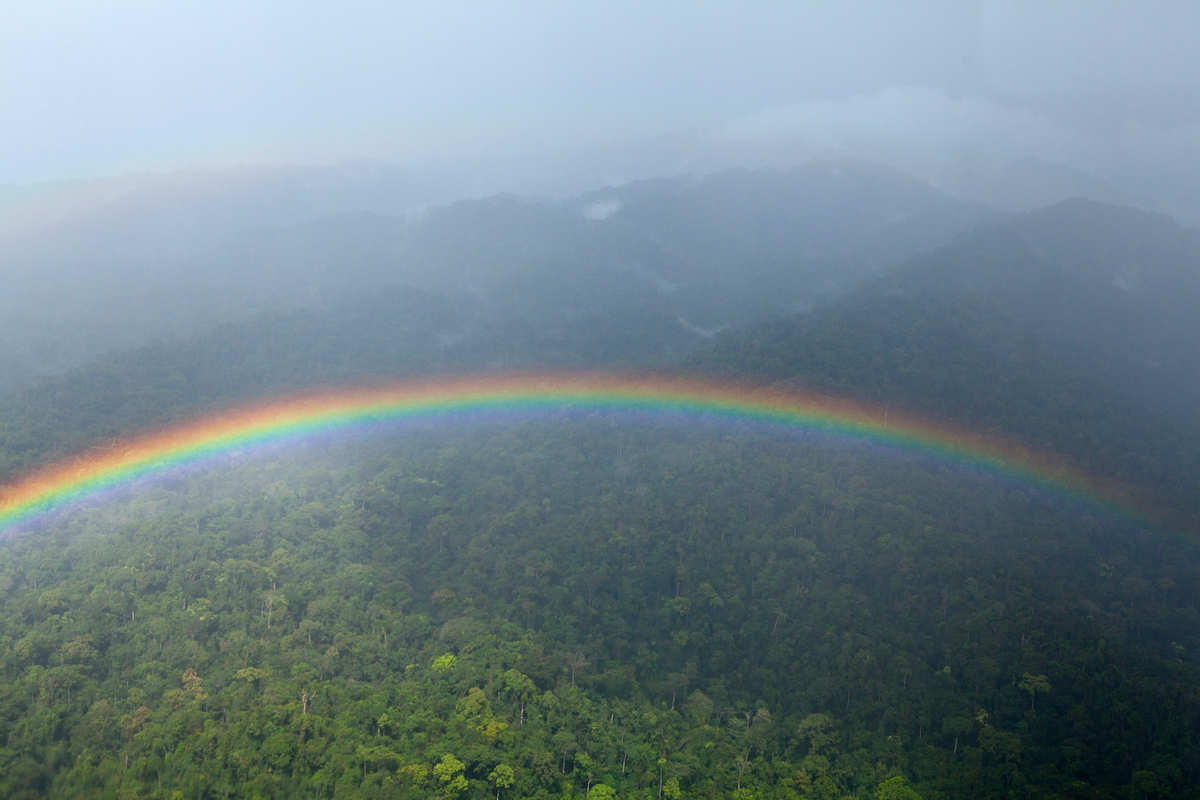
As the Indomitable Lionesses of Cameroon roar with pride, Greenpeace Africa calls for a second chance for Ebo forest
As Cameroon celebrates the extraordinary journey of the Indomitable Lionesses, who transformed an unexpected opportunity into a place in the final of the Women's Africa Cup of Nations (WAFCON) and qualification for the 2027 FIFA Women's World Cup, Greenpeace Africa believes their remarkable story carries a powerful lesson beyond football.
-
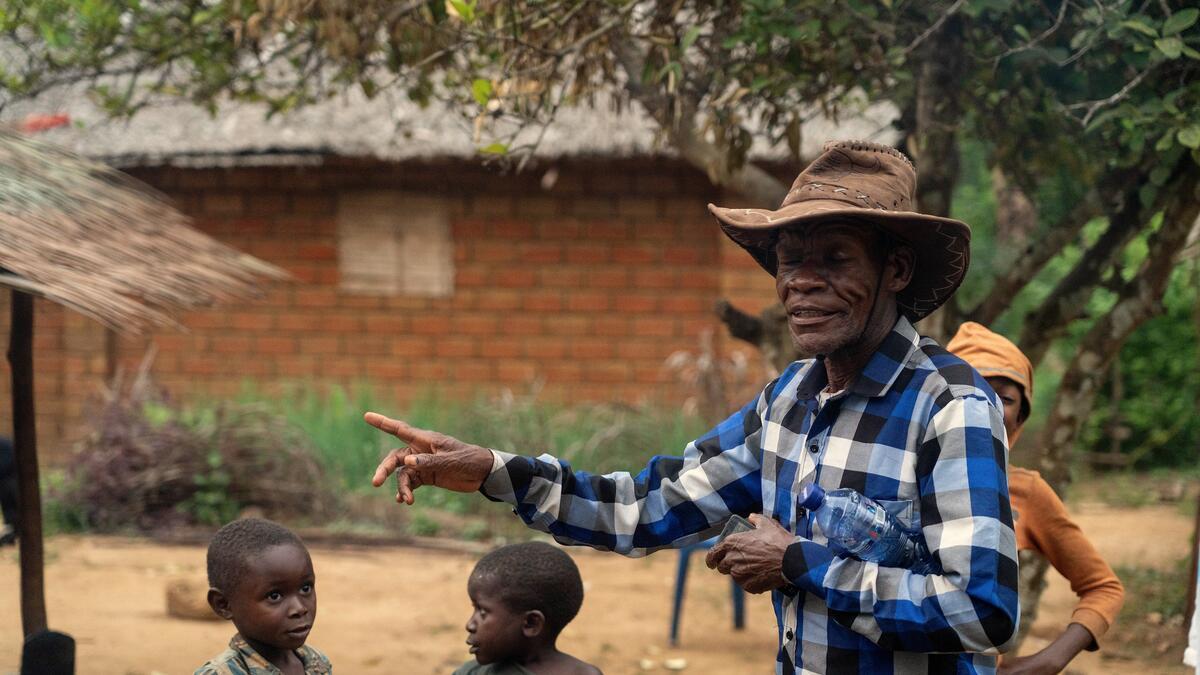
We are still standing: from Lokolama, our forest continues to speak
The forest of the Congo Basin did not wait for international conferences to be protected. It has been safeguarded for generations by the people who live within it. Indigenous Peoples are not the past. They are an essential part of the forest’s future.
-

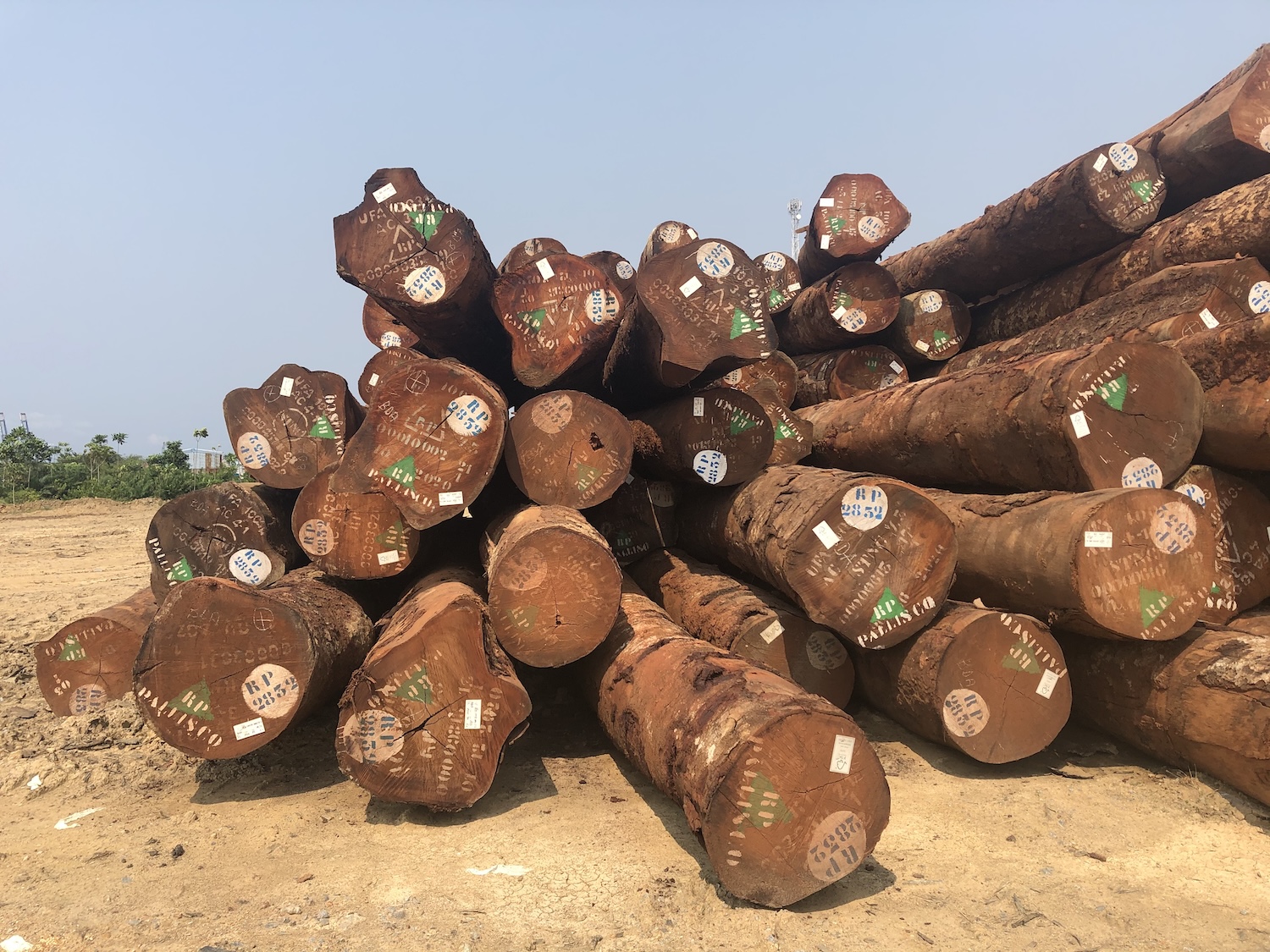
Exposed: Oil blocks and mining concessions cover almost 100% of world’s largest green corridor
Greenpeace Africa today launched The Kivu–Kinshasa Green Corridor: Warning Signs and the Urgent Need for a Moratorium on New Extractive Projects, exposing major contradictions between the Democratic Republic of the Congo's (DRC) ambitious conservation agenda and the continued expansion of oil, gas and mining activities within one of world’s largest forest reserves.
-
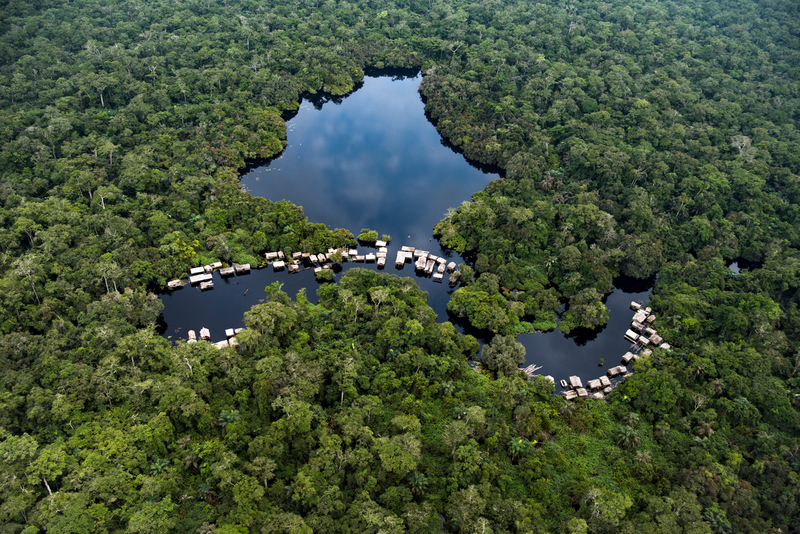
The Kivu–Kinshasa Green Corridor: Red Flags And The Urgent Need For A Moratorium On New Extractive Projects
This brief raises profound contradictions between the Corridor’s conservation objectives and the expansion of extractive industries. Areas intended to serve as a model for sustainable development and community-led stewardship are now exposed to the risks associated with oil exploration and production, as well as mining activities that will result in deforestation and habitat fragmentation.
-
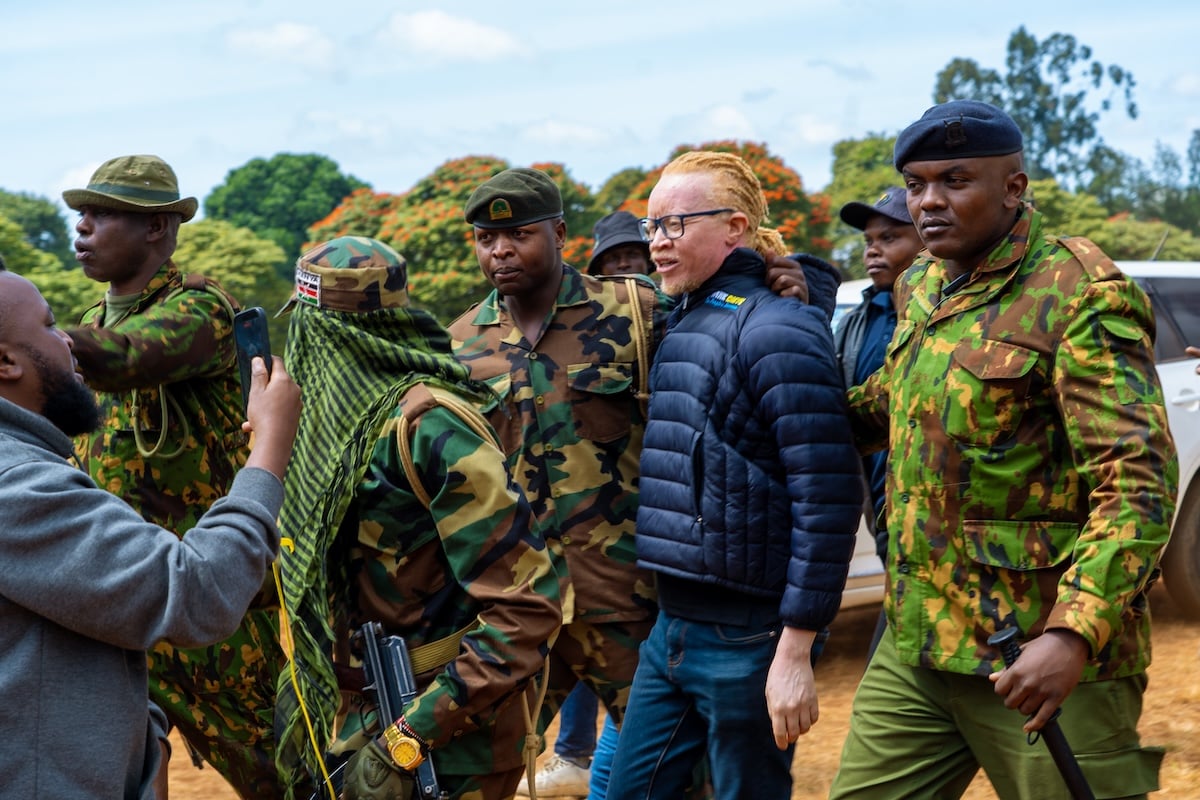
Kenya’s Imenti forest “public participation” forum was illegitimate, exclusionary and conducted in defiance of a court order
Today, civil society organisations attending the Kenya Forest Service public participation forum on the proposed Imenti Forest airstrip witnessed a process so fundamentally compromised that it cannot, in good conscience, be recognised as meaningful public participation under any legal or constitutional standard.
-
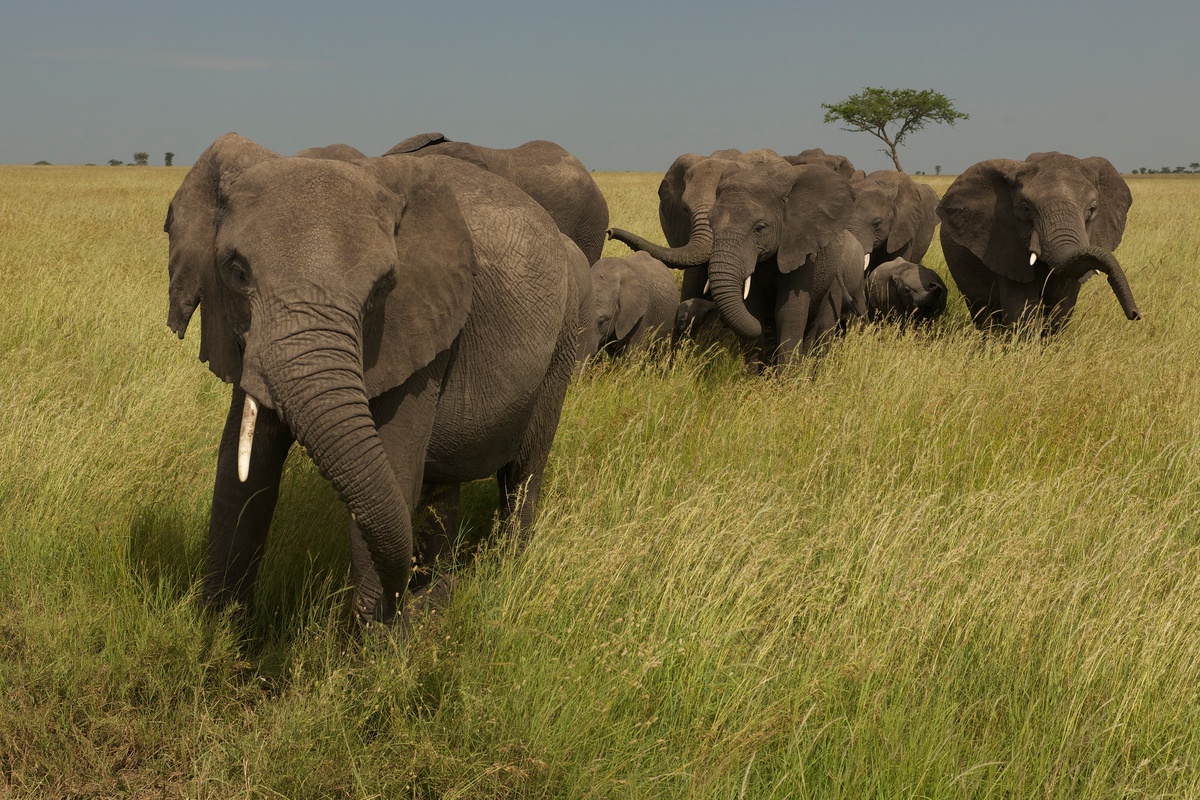
Meru’s elephants have a maternity area. Kenya is building an airstrip right next to it.
Every dry season, the elephants of Mt. Kenya come home to Imenti. It is where they return when water grows scarce elsewhere.