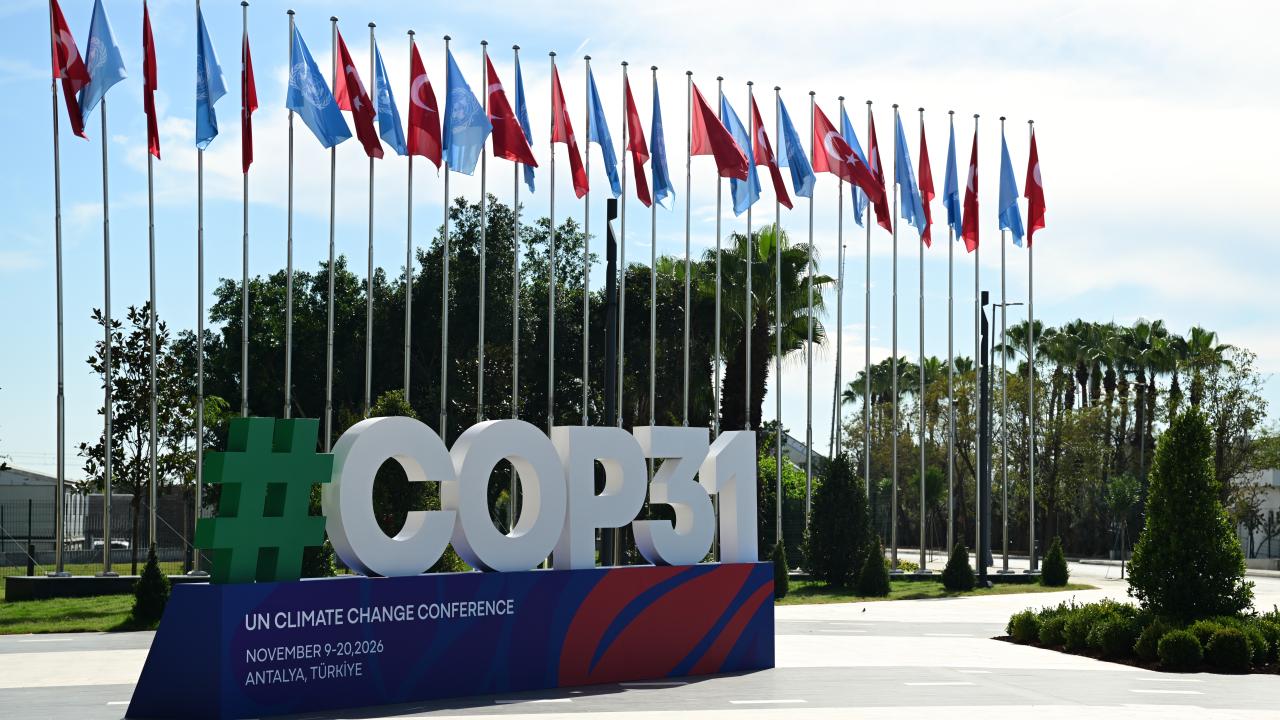
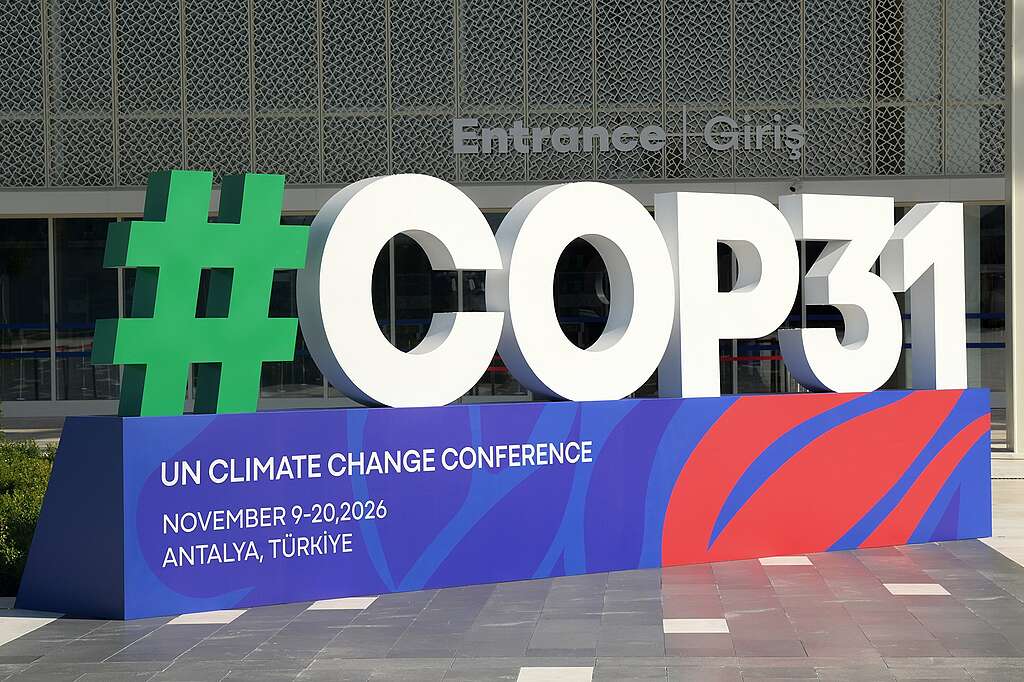
In the next few days, the world will gather in Antalya, southwestern Turkey, for the 31st UN Climate Change Conference. This must not be another talk shop or jamboree. It must be a decisive turning point that shapes global climate action. This is a test of multilateralism, global cooperation, and how serious the world is about addressing the climate crisis. World leaders have an opportunity to show leadership, not just posture with speeches and never-ending promises.
The Journey so far.
Since the adoption of the Kyoto Protocol in 1997, and subsequently the Paris Agreement in 2015, the climate crisis has not paused for negotiations. Despite efforts from climate movements, indigenous and local communities over the last three decades, climate negotiations have been contested in real time. From inside the UN negotiation rooms, combined with direct lobbying and influence, these efforts have yielded much, yet still fall short of real action on the ground. While these efforts continue, the world still faces myriad never-ending socio-economic, political, and climate challenges. Back home in Africa, we are caught in between meeting our ever-growing development demands and balancing those with a climate crisis we are least responsible for.
Seizing the moment, pushing for climate accountability
Those most responsible for greenhouse gas emissions, the fossil fuel industry, continue to post super profits, raising dividends for their shareholders and shifting profits to low-tax jurisdictions, while African communities pay the ultimate price through devastating floods, droughts and lost livelihoods. At the UN Tax Convention, the world is negotiating tangible tax rules and pushing for binding commitments to lower emissions, decarbonise and pay for the losses and damages they have caused. COP 31 must enforce a core principle: polluters must pay for climate damages.
Dismantling false solutions and ensuring a Fast and Fair Energy Transition
Over time, predatory financial institutions and fossil fuel lobbyists have pushed unsustainable profit-oriented mechanisms disguised as climate action. They are hawking expensive loans with strict fiscal conditions, attempting to lock developing nations into a debt spiral while simultaneously marketing fossil gas as ‘transition fuel’. These are false solutions
A fast, fair and funded transition away from Fossil Fuels must be front and centre in tackling the climate crisis. The science is unequivocal: the 1.5 °C limit is a non-negotiable hard limit for African survival. Greenpeace research and additional empirical data show that 100% renewable energy systems are technically and economically feasible, providing progressive evidence that climate negotiators can use to push for greater ambition. To achieve this, COP31 must set policies that scale global renewable power generation to at least 75% by 2035, accelerating a decentralised, low-carbon future rather than clinging to the fossil fuels of the past.
The ambition set by science champions the 1.5°C Limit above pre-industrial levels set as a threshold for global warming. Rigorous scientific evidence supports this, and Article 2 of the Paris Agreement anchors the 1.5°C aspirational target. The wheel of multilateral treaties needs to spin faster and shift requirements toward low-carbon mechanisms.
Climate Finance as a political headache at previous COPs
Without a doubt, mobilising climate finance has been a pain point in previous rounds of COP negotiations. It has tested the multilateral system in many ways, bringing tension and political posturing and often resulting in grandstanding and empty rhetoric from the Global North. In selected instances, such as Baku’s COP 29, progress has been made on negotiating a New Collective Quantified Goal (NCQG) on Climate Finance. To unlock this finance, COP 31 in Antalya must shift from negotiating abstract targets to demanding strict, multi-year implementation. African countries must amplify this message to the rest of the world.
To meet both adaptation and mitigation needs, Africa is estimated to need between $1.3 trillion and $1.6 trillion cumulatively through 2030. However, the continent receives less than 15% of its required annual adaptation funding, with nearly 70% of delivered climate finance arriving as debt-creating loans. These are not just numbers. It means the continent must dig deep into national budgets to bridge the finance gap, at the expense of its priorities. Providing both technology and finance to developing countries is a prerequisite for high emitters to pay their historic climate debt, and this has been a clarion call in recent rounds of negotiations.
Grants, not debt: ending the climate debt trap
The international system is failing as African countries navigate a crippling debt crisis while repaying expensive loans to meet basic climate adaptation needs. Climate loans are a blatant violation of the polluter-pays principle. Adaptation, as well as loss and damage, must be funded exclusively through direct grant mechanisms financed by progressive taxes on fossil-fuel windfalls and high net-worth polluters.
The demand is simple: Grants, not debt.
As Africa aspires to strong outcomes at COP 31, the continent is also laying the groundwork for leadership. With Addis Ababa poised to host COP 32, the journey to an African-led climate agenda is already in motion, and the Ethiopian presidency is in the driver’s seat. African nations must rally behind the Ethiopian government to ensure that COP 32 delivers strong, systemic change for the continent. It will no longer be enough for African leaders to give glamorous speeches; true leadership will be measured by concrete, funded actions that prioritise African lives over fossil-fuel profits to tackle the climate crisis.