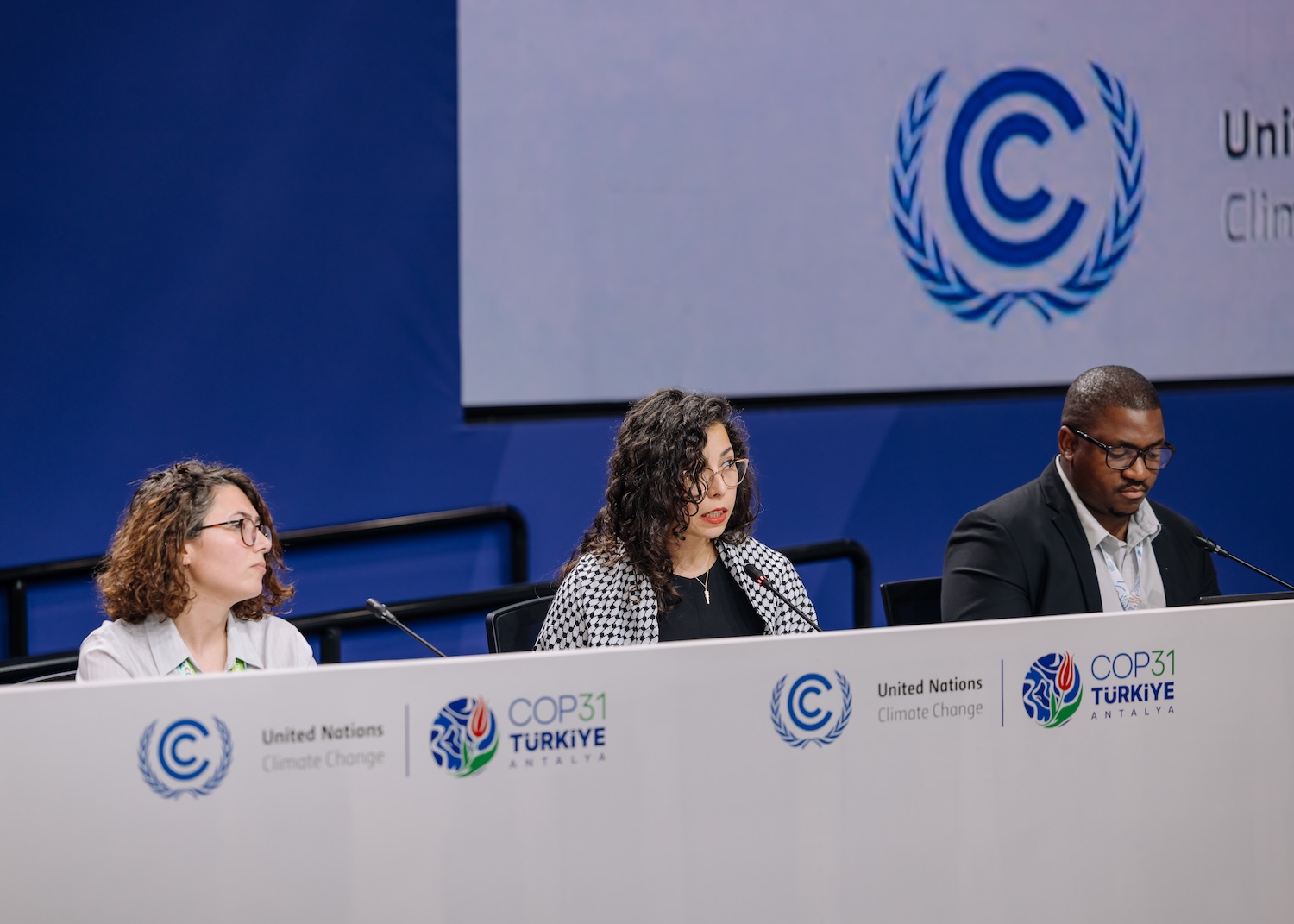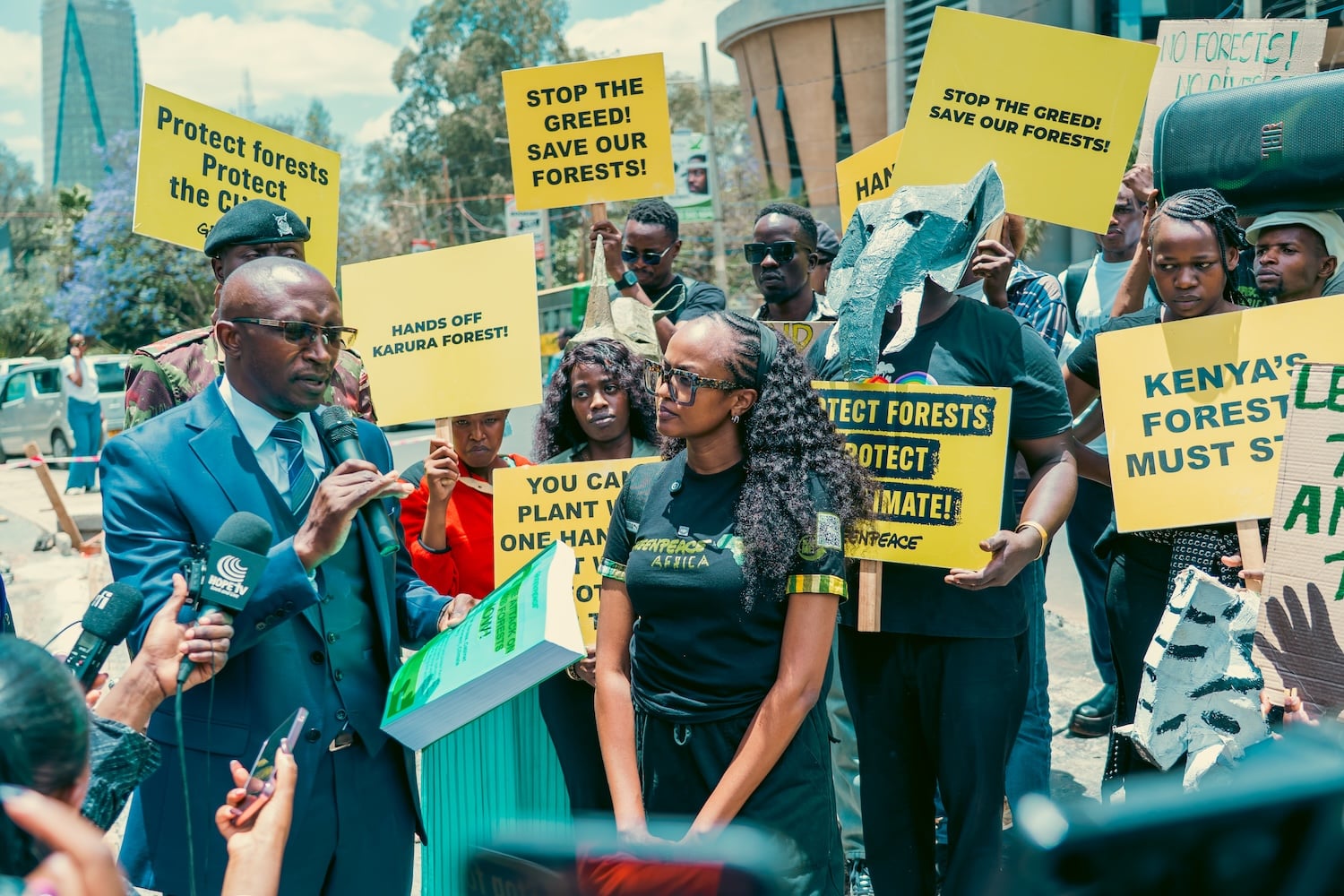

As climate finance talks stall at COP31 in Antalya, African nations continue to foot the bill for a crisis they barely contributed to. Devastating floods in South Africa and Kenya, prolonged droughts across the Horn of Africa, and rising seas in Senegal are draining public budgets already strained by poverty and debt. Meanwhile, international oil and gas corporations extract Africa’s resources and pocket billions in profits from the very fuels driving this destruction.
Unlocking Article 9.3 to Tax Polluters
Article 9.3 of the Paris Agreement directs developed countries to mobilise climate finance from a wide variety of sources, instruments, and channels. While it does not explicitly mandate a fossil fuel tax, this provision gives governments a clear framework to target the enormous profits of oil and gas giants. Enforcing the Make Polluters Pay principle through taxes on fossil fuel profits would unlock vital public revenue to fund adaptation, loss and damage, and a just energy transition in developing nations.
Additionality, Not an Escape Hatch
Taxing polluters must supplement existing legal obligations rather than replace them. Under Article 9.1 of the Paris Agreement, developed countries have a binding legal obligation to provide public financial resources for mitigation and adaptation, established by the mandatory word “shall,” in contrast to the softer “should” used in Article 9.3. Wealthy nations cannot use polluter taxes to abandon their existing commitments, nor can new finance arrive as loans that push vulnerable communities deeper into debt.
Urgency in Antalya
The climate crisis is moving far faster than the negotiations at COP31. Governments cannot afford to wait indefinitely for slow international processes to deliver while oil and gas corporations generate billions in profits. Redirecting a fair share of those profits into debt-free climate action is an immediate, practical step toward justice.
By Sherelee Odayar