At first glance, the East African Community Seed and Plant Varieties Bill, 2025 appears to offer exactly the kind of regional cooperation East Africa needs, common standards for evaluating, releasing, registering, certifying and marketing seed across Partner States. Such coordination could improve seed quality, reduce regulatory inconsistencies and facilitate cross-border trade. A closer reading, however, reveals a framework built largely around formal institutions, certified varieties and commercial actors, while farmer-managed seed systems remain unrecognized. A 2018 policy brief by Bioversity International and Hivos found that these systems supply more than 80 per cent of the seed used by smallholder farmers in East Africa.
The Bill is anchored in Article 106 of the Treaty for the Establishment of the East African Community, under which Partner States committed to cooperate in quality seed development and production through research and plant breeding. If enacted, it would operate alongside national laws on seed and plant variety protection. This makes its design especially important. Harmonisation can strengthen regional cooperation, but a framework that overlooks farmer-managed seed systems may create legal uncertainty and place existing national protections for farmers under pressure.
The Bill seeks to create a common regional seed system by connecting national authorities, variety-release committees and laboratories under a Community framework. It establishes shared procedures for testing, registering and certifying plant varieties, mutual recognition of test results and certificates, and a Community catalogue for varieties released in at least two Partner States. This would make certified seed easier to market across borders and allow breeders to seek protection in several countries. In this way, it seeks to replace fragmented national procedures with a more coordinated regional system for seed testing, certification, marketing and plant variety protection. But it also raises a fundamental question, what kind of seed system is East Africa building, and will harmonisation strengthen or weaken national progress in recognising farmers’ rights and farmer-managed seed systems?
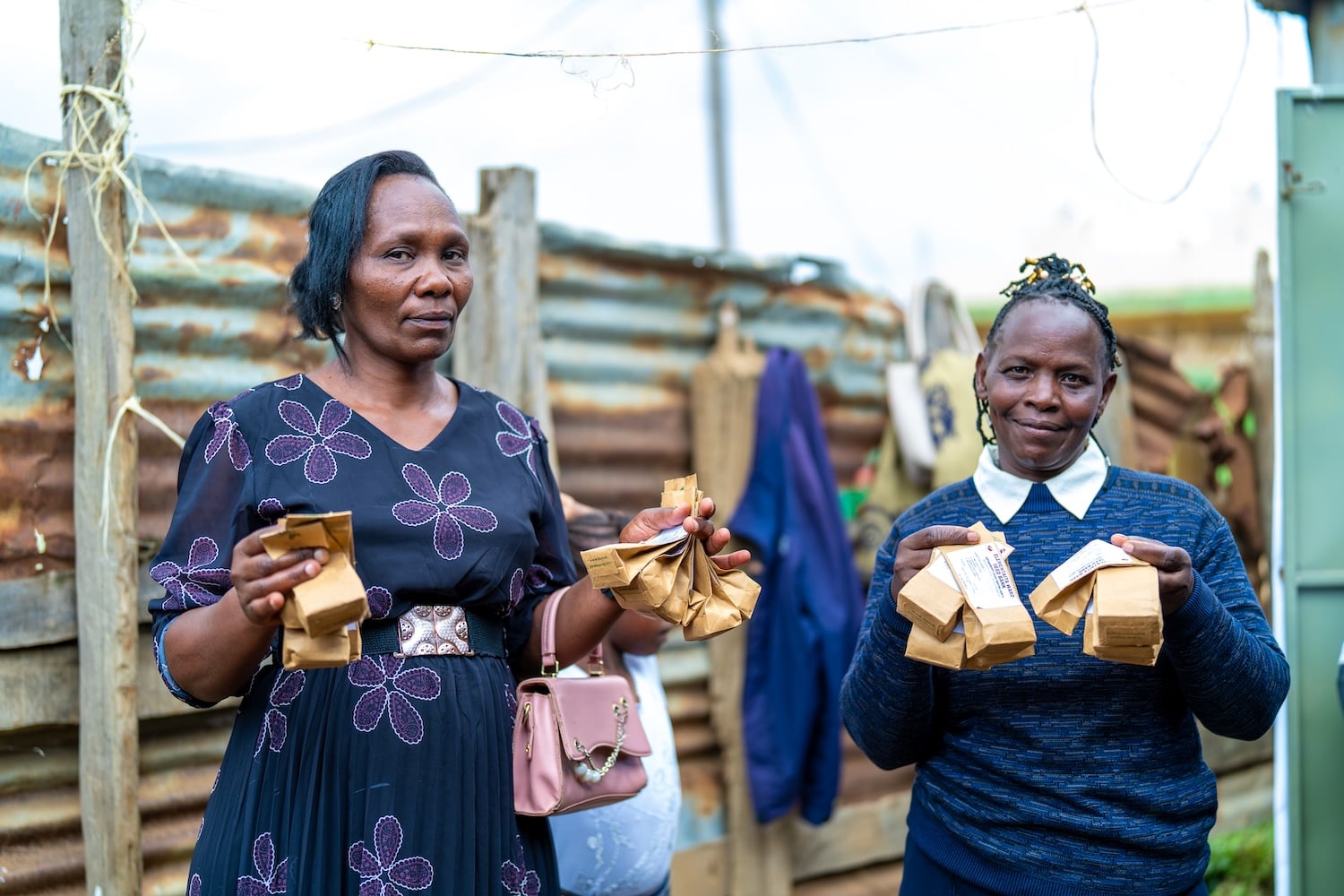
Across East Africa, farmer-managed seed systems are the principal source of seed for many smallholder farmers, who save seed from previous harvests, exchange it within their communities and obtain locally adapted varieties through relatives, neighbours, local markets and seed fairs. et while the Bill sets out the institutions and procedures governing the formal seed sector in considerable detail, it does not recognise these systems or protect the farmers’ practices and rights that sustain them.
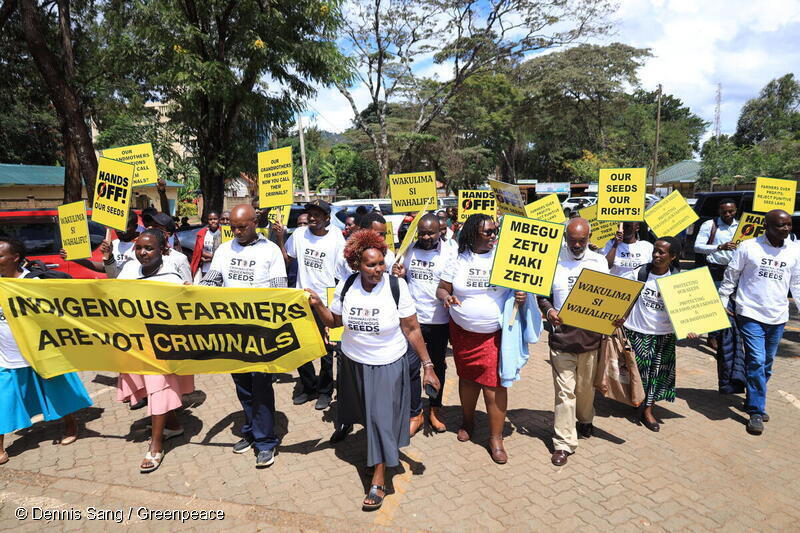
This omission is particularly troubling because EAC Partner States are not starting from zero. In November 2025, the Kenya’s High Court struck down provisions that criminalised farmers for sharing and selling uncertified seeds, affirming the constitutional importance of farmer’s livelihoods, culture and seed practices. Uganda has advanced community seed banks, farmer field schools and Quality Declared Seed, while Tanzania also recognises Quality Declared Seed and supports farmer-led efforts to conserve and multiply indigenous and locally adapted varieties.
These gains are uneven and still need stronger legal protection, but they show that quality assurance and farmers’ seed systems can coexist. By creating common pathways for formally tested, catalogued and certified seed without accommodating farmers’ seed systems, the Bill risks creating conflicting standards and narrowing the spaces Partner States have begun to establish. Harmonisation should build on this progress, not place it at risk.
Throughout the regional public participation process, Greenpeace Africa worked alongside partners and farming communities to advance concrete proposals to recognise farmer-managed seed systems, protect farmers’ rights and safeguard agricultural biodiversity. Together, we submitted these demands to the East African Legislative Assembly through the Joint Civil Society Position. The final Bill must reflect these proposals and ensure that regional harmonisation does not advance commercial seed systems while pushing farmers’ seed systems further into legal invisibility. The EAC now has an opportunity to adopt a law that protects the farmers, knowledge and seed diversity that feed East Africa.
Relevant documents.