
All articles
-
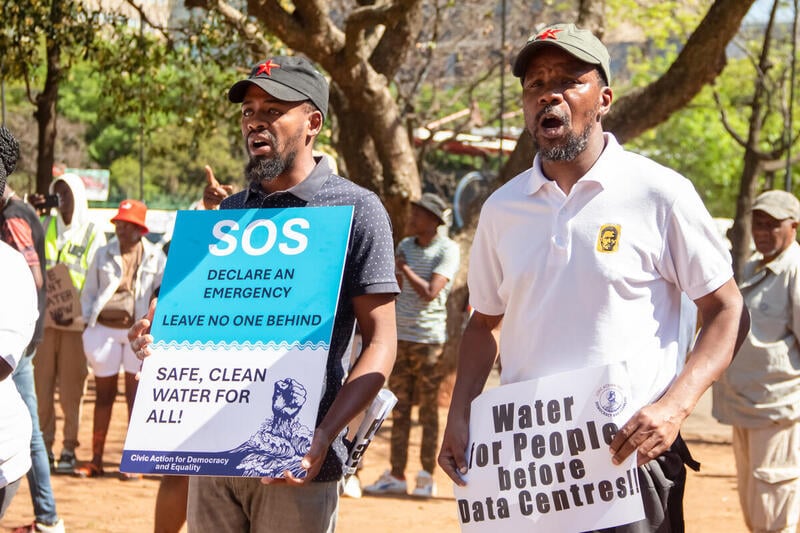
Africa is not your server: the hidden cost of the data centre boom
As global technology companies race to build data centres across Africa, we must ask three questions: who benefits, who pays in water and electricity, and who gets to decide?
-

David vs. Goliath: How Greenpeace Africa and the deCOALonize movement defeated the Lamu Coal Plant
When developers proposed a $2 billion, 1,050-megawatt coal-fired power plant on the pristine coast of Lamu, Kenya, the stakes could not have been higher. The project threatened not only a UNESCO World Heritage site and fragile marine ecosystems, but also Kenya’s commitment to a clean energy future.
-
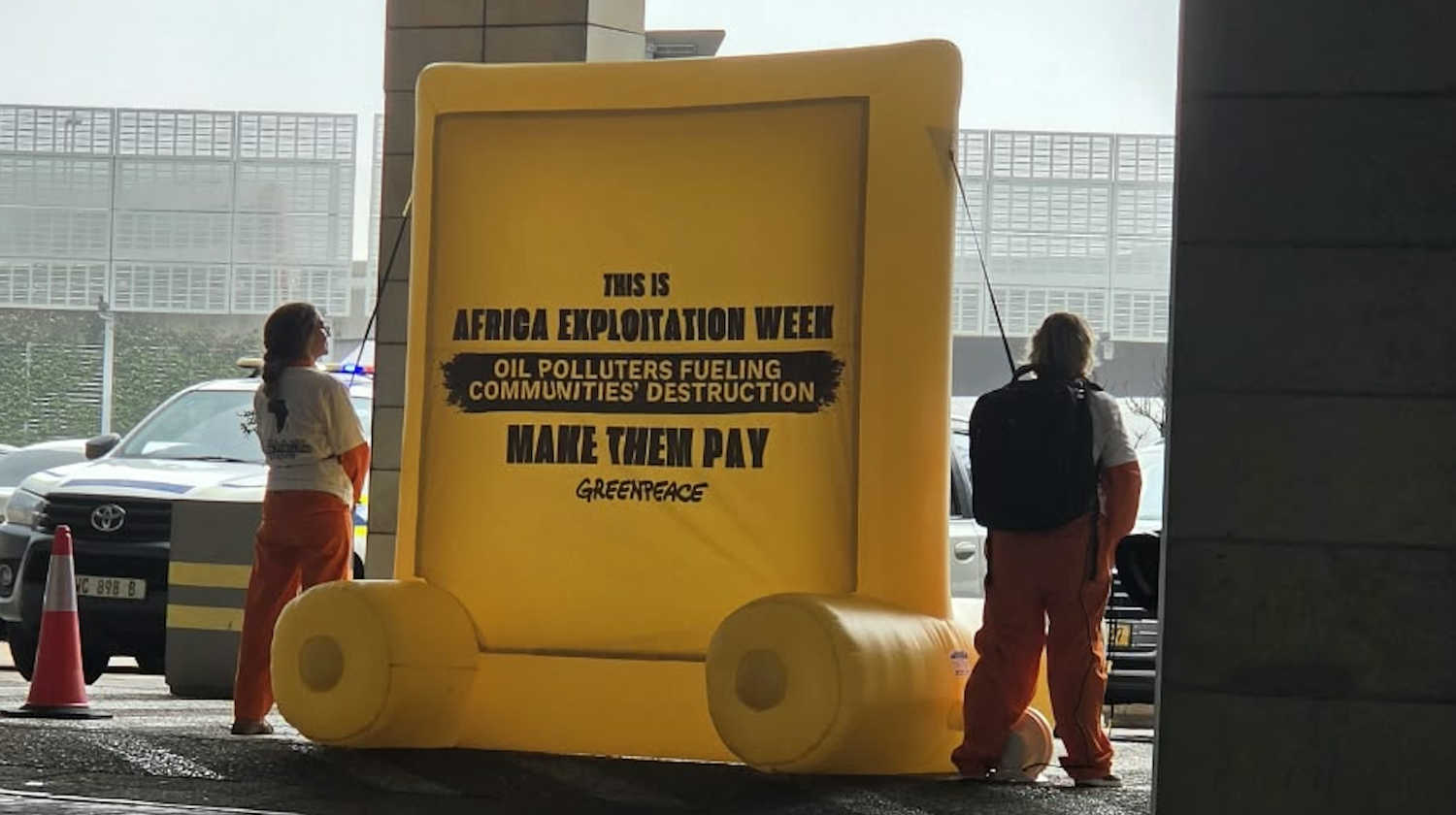
Pay Baby Pay: African activists confront oil majors at African Energy Week
Greenpeace Africa activists today confronted oil and gas companies at African Energy Week (AEW) in Cape Town, demanding that the companies stop looking away from the human cost of the climate crisis and pay for the loss and damage they are driving.
-

Landmark judgment in South Africa permanently halts Shell’s Wild Coast oil and gas exploration
South Africa’s Constitutional Court has delivered a decisive victory for Wild Coast communities, ocean justice and environmental rights, by setting aside the exploration right that would have allowed Shell and Impact Africa to search for oil and gas off the Wild Coast, and closing any renewal route.
-

Exposed: Oil blocks and mining concessions cover almost 100% of world’s largest green corridor
Greenpeace Africa today launched The Kivu–Kinshasa Green Corridor: Warning Signs and the Urgent Need for a Moratorium on New Extractive Projects, exposing major contradictions between the Democratic Republic of the Congo's (DRC) ambitious conservation agenda and the continued expansion of oil, gas and mining activities within one of world’s largest forest reserves.
-

Greenpeace Africa statement on the proposed Dangote oil refinery in Lamu
No approvals should move forward without a full, independent environmental and social impact assessment, genuine public participation, and transparent scrutiny of the long-term economic, health and ecological risks.
-

Greenpeace Africa joins coalition calling on presidents Félix Tshisekedi and Yoweri Museveni to prevent oil expansion in the Albertine Graben around Lake Albert
Greenpeace Africa has joined a broad coalition of Congolese, Ugandan and international civil society organisations in signing an open letter addressed to Presidents Félix Tshisekedi and Yoweri Museveni.
-
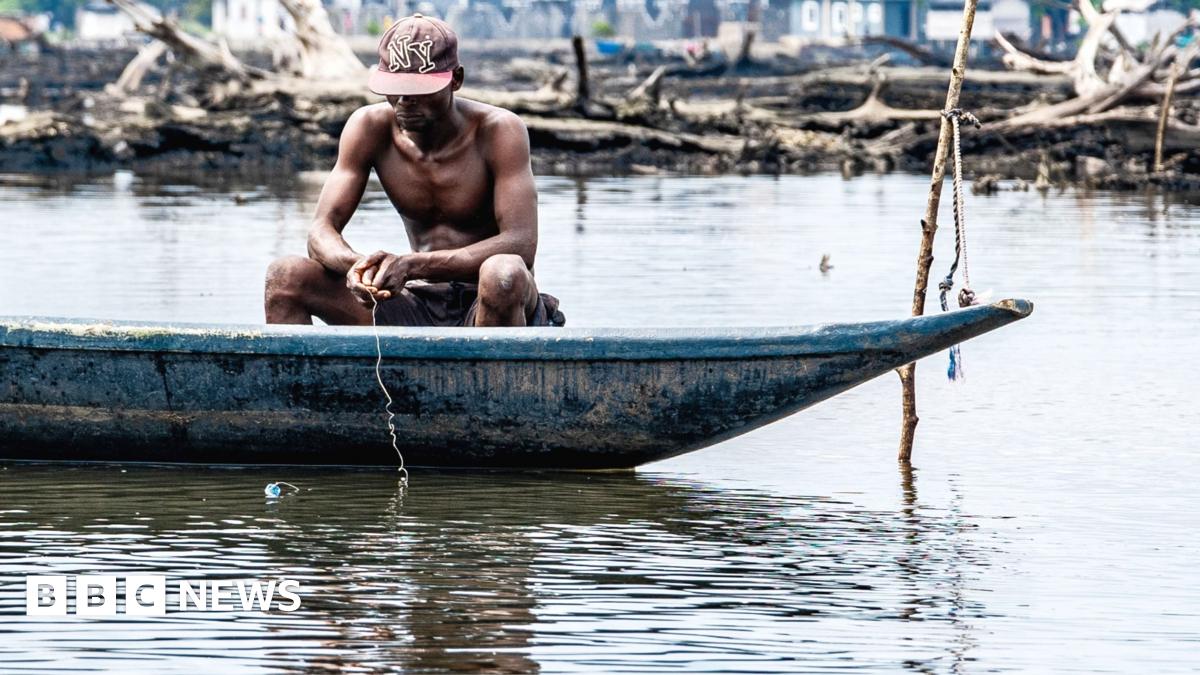
Greenpeace Africa responds to BBC investigation revealing Shell knew of Niger Delta pipeline pollution risks and kept pumping
Internal Shell documents obtained by the BBC show that Shell continued operating the Nembe Creek Trunk Line in Nigeria for years while it knew the pipeline was causing widespread pollution, overriding warnings from its own technical executives and its own operating standards. Sections of the pipeline were classified "red" under Shell's own rules, a status…
-
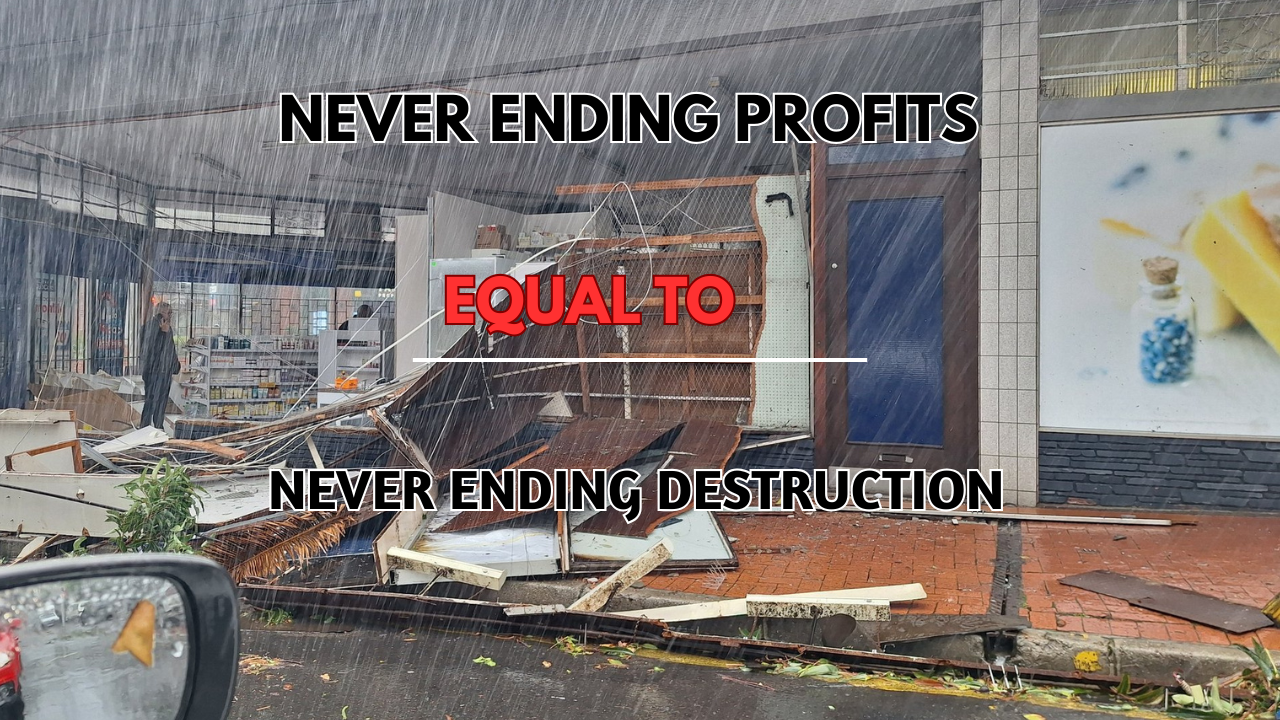
When conflict rises, who really profits?
In March alone, oil prices surged to around $100 a barrel. That spike translated into an estimated $23bn in windfall profits for the world’s biggest oil and gas companies during that period. Companies like Shell and BP didn’t earn this because they improved energy access or innovated.
-
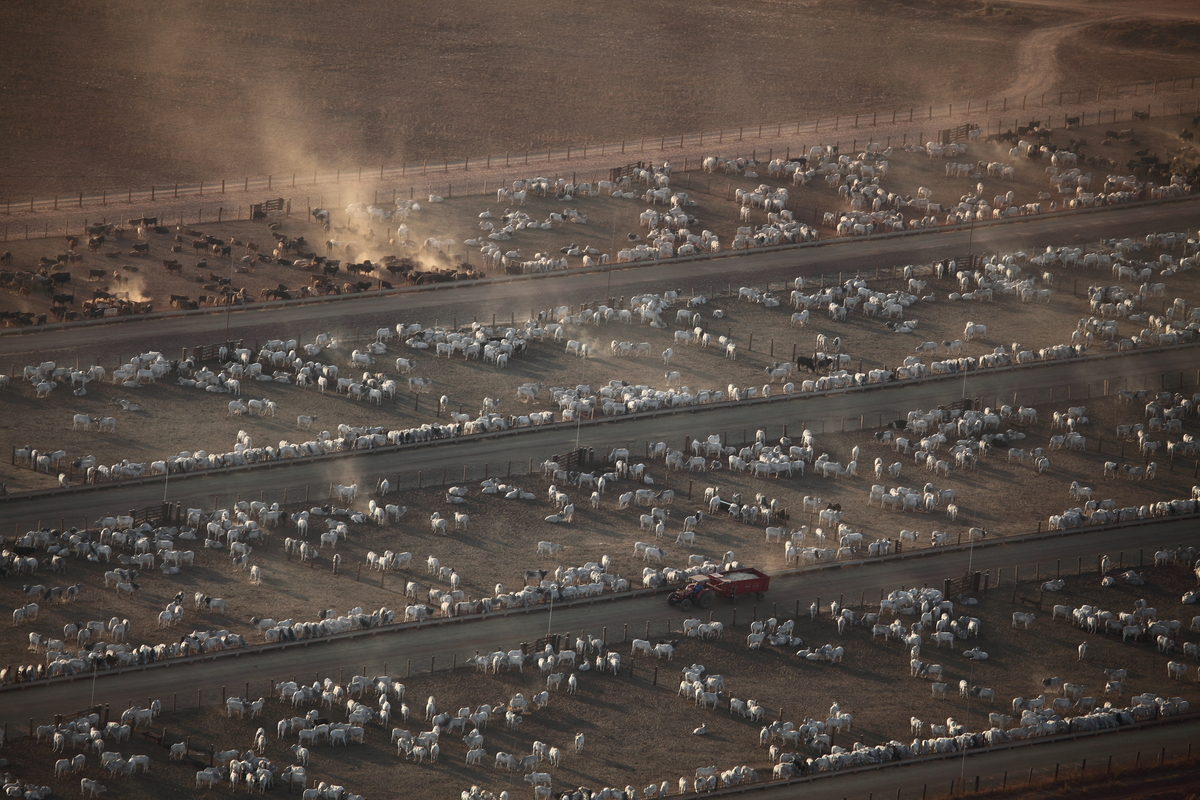
The $2.5 billion secret: what harm the world’s largest meat company is hiding in Nigeria
When we talk about the climate crisis, we know Shell's name well, from the Niger Delta to the Cape. "Fossil fuel giants have become synonymous with planetary destruction.