
All articles
-
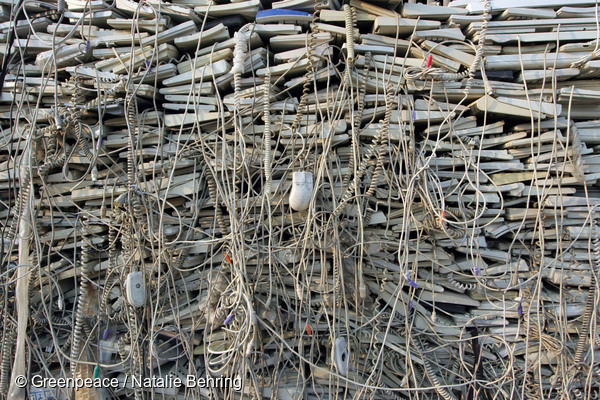
Which country is most likely to repair their electronic gadgets?
What happens when your mobile phone dies? Which country is most likely to recycle? And do people repair their phones or just simply throw them away? We did the research to find out…
-
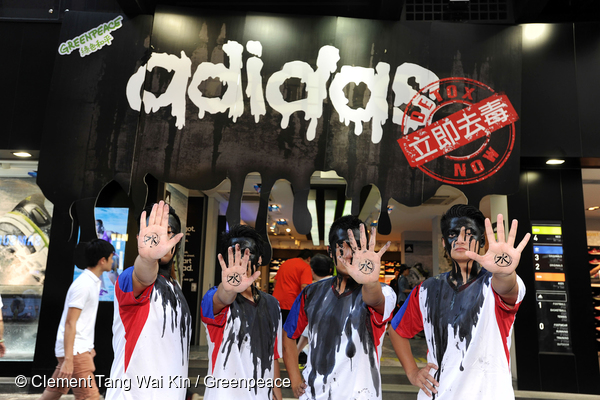
Which fashion brands are going toxic-free?
It was a massive step when Adidas, Puma and Nike promised to go toxic-free by 2020. But when we turned our attention to other companies, the rest of the industry…
-

Greenpeace releases Hong Kong and Taiwan consumer report
HONG KONG, 22 Jun 2016 ¬– A Greenpeace study has found that Hong Kong residents seldom or never wear an estimated HKD 3.9 billion worth of clothing that they have purchased. The study was conducted by TNS, an independent global research agency, to uncover the shopping habits and consumer mentality of people in Hong Kong…
-
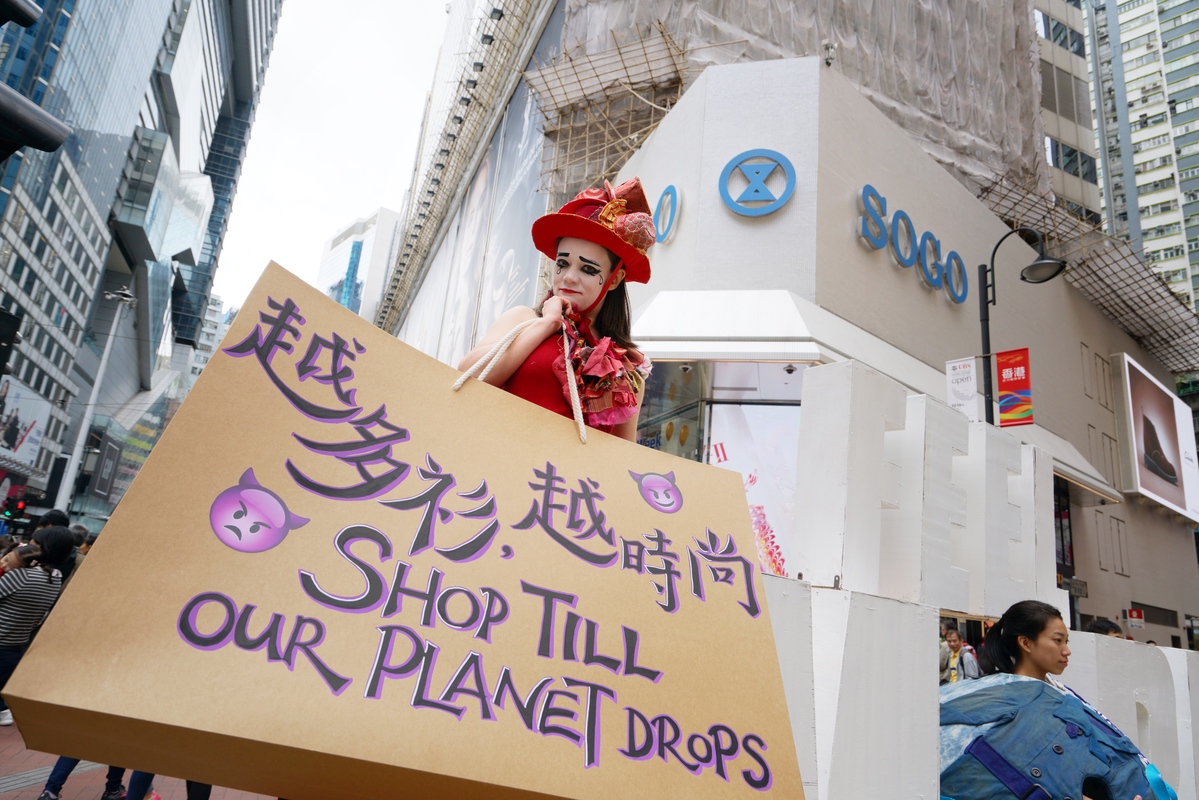
Greenpeace Urges Hong Kong Residents to ‘Buy Smart, Buy Less’
HONG KONG, 23 June 2016 – Today in Causeway Bay, Greenpeace visualized Hong Kongers’ shopping habits in the form of a 2.5m tall ‘Giant Girl’ that wore a dress upcycled from dozens of articles of used clothing and held shopping bags that featured the message ‘100 Clothes But Nothing to Wear?’. The performance art was…
-
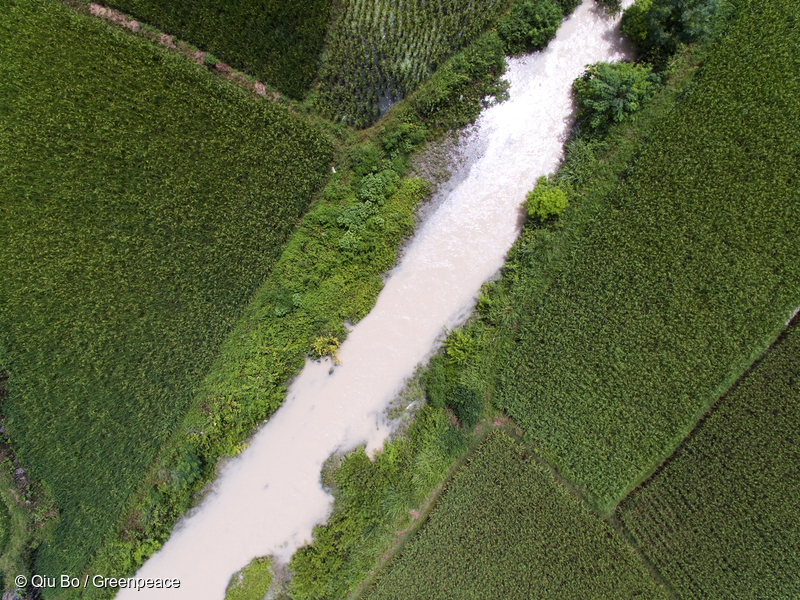
China releases its first ever soil pollution prevention plan, Greenpeace response
Beijing, 31 May, 2016 - China’s State Council today released the Soil Pollution Prevention Action Plan, China’s first ever policy plan aimed at tackling the country’s prevalent soil pollution problem. The document aims to ensure that 90% of currently polluted farmland is usable by 2020. Greenpeace East Asia urges the government to strengthen the plan…
-
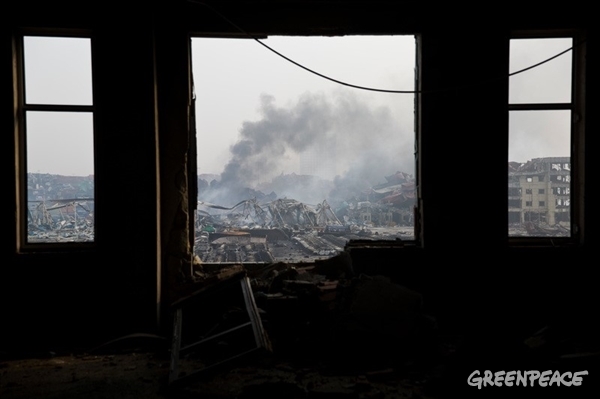
China’s ‘toxic’ school was just the tip of the iceberg: our entire chemicals management system needs to change
A case of sudden mass illness at a middle school in Jiangsu Province threw China’s hazardous chemicals industry into the spotlight last week. However, this wasn’t an isolated incident, but a symptom of China’s widespread and deep-rooted chemicals management problem.
-
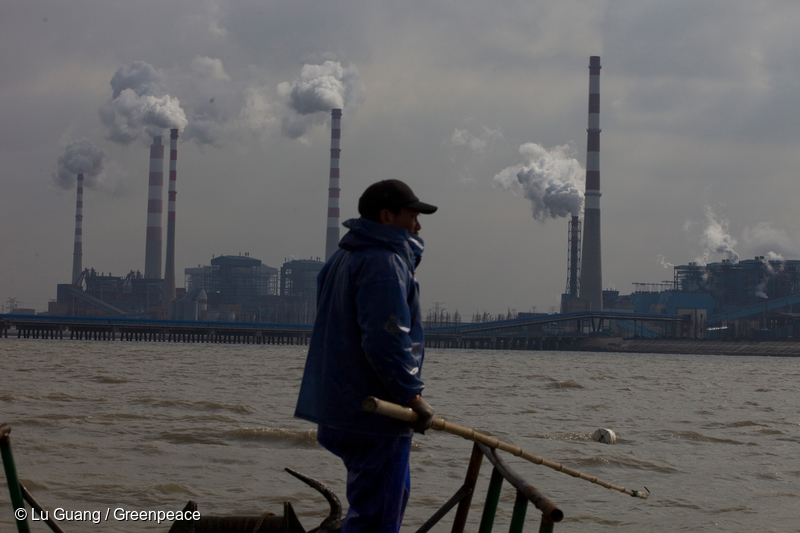
15,000 people and key Yangtze River ecosystem areas in close proximity to Jiangsu Deqiao Chemical Storage facility fire, Greenpeace
Beijing, 23 April, 2016 - Yesterday morning at 09:40 the Jiangsu Deqiao Chemical Storage facility in Jingjiang city, Jiangsu Province, caught fire. The facility, located next to the Yangtze River, stores up to 56 chemicals categorised as ‘hazardous’ by the Chinese government. Greenpeace East Asia analysis has found that up to 15,000 people live within…
-
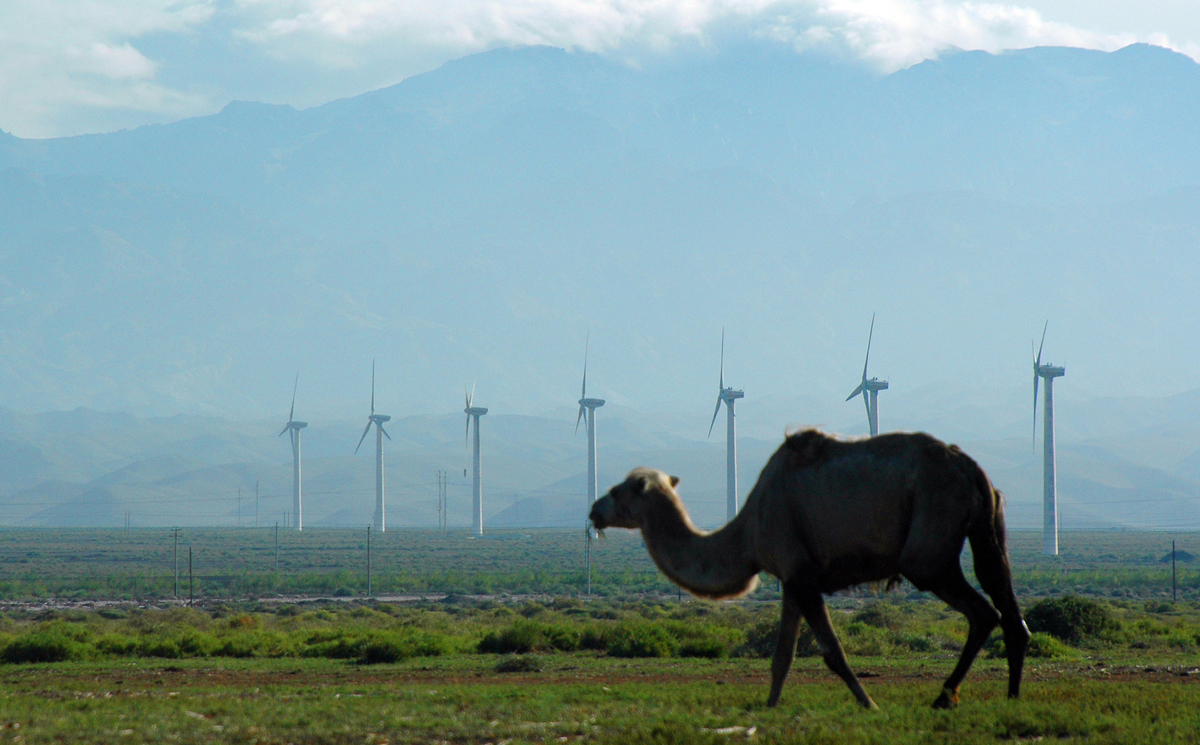
China’s air pollution problem is heading west
The data is in, and at first glance it looks like good news. China’s air quality has improved overall, but much of its less developed middle and western cities have seen marked increases in PM2.5 levels.
-
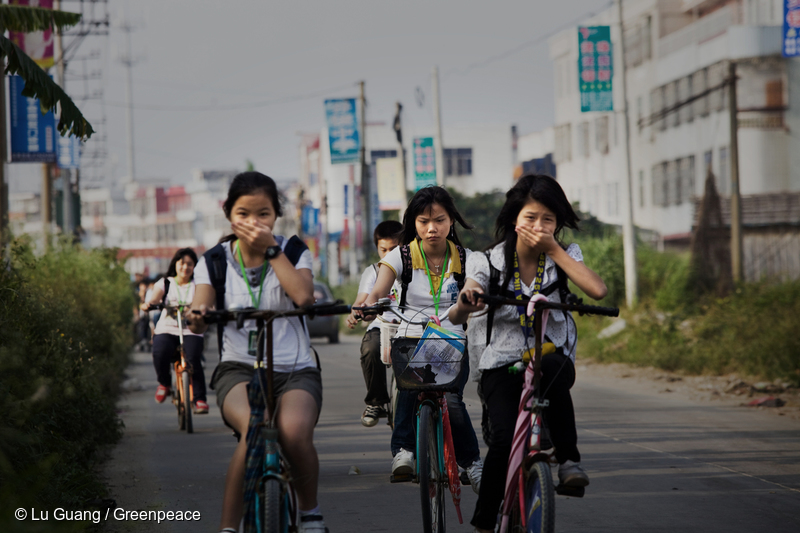
As eastern China’s air quality improves rapidly, 69 cities in central and western China see air quality deteriorating – Greenpeace
Beijing, 20 April, 2016 – Greenpeace East Asia’s city rankings for the first quarter of 2016 show significant improvements in average air quality in 362 cities across the country. The improvements are particularly rapid in eastern China’s three ‘key regions’. [1] However, air quality in more than 85% of cities failed to meet national standards.…
-
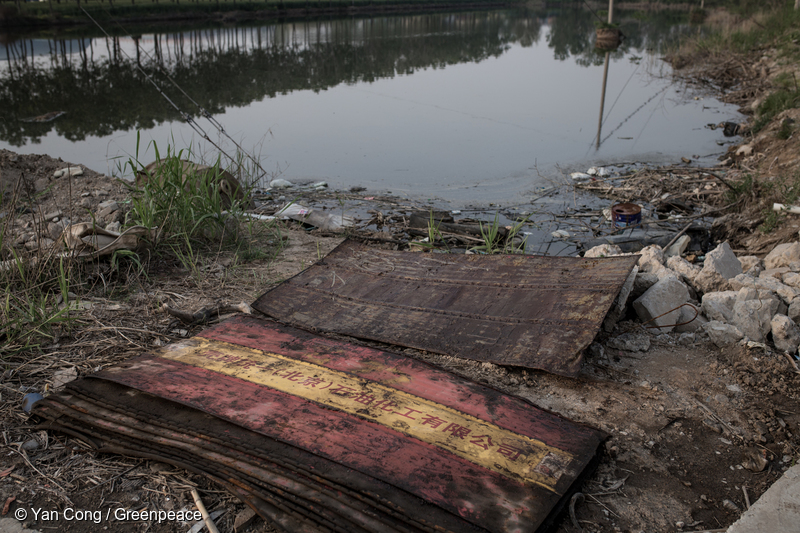
Pollution linked to cases of cancer in Changzhou middle school – Greenpeace response
Beijing, 18 March, 2016 – The news that nearly 500 pupils in Changzhou Foreign Languages School have fallen ill, some diagnosed with cancer, most likely due to extremely high levels of groundwater and soil pollution in the school’s vicinity, is yet another reminder of the seriousness of China’s hazardous chemical pollution. Moreover, the fact that…