
All articles
-
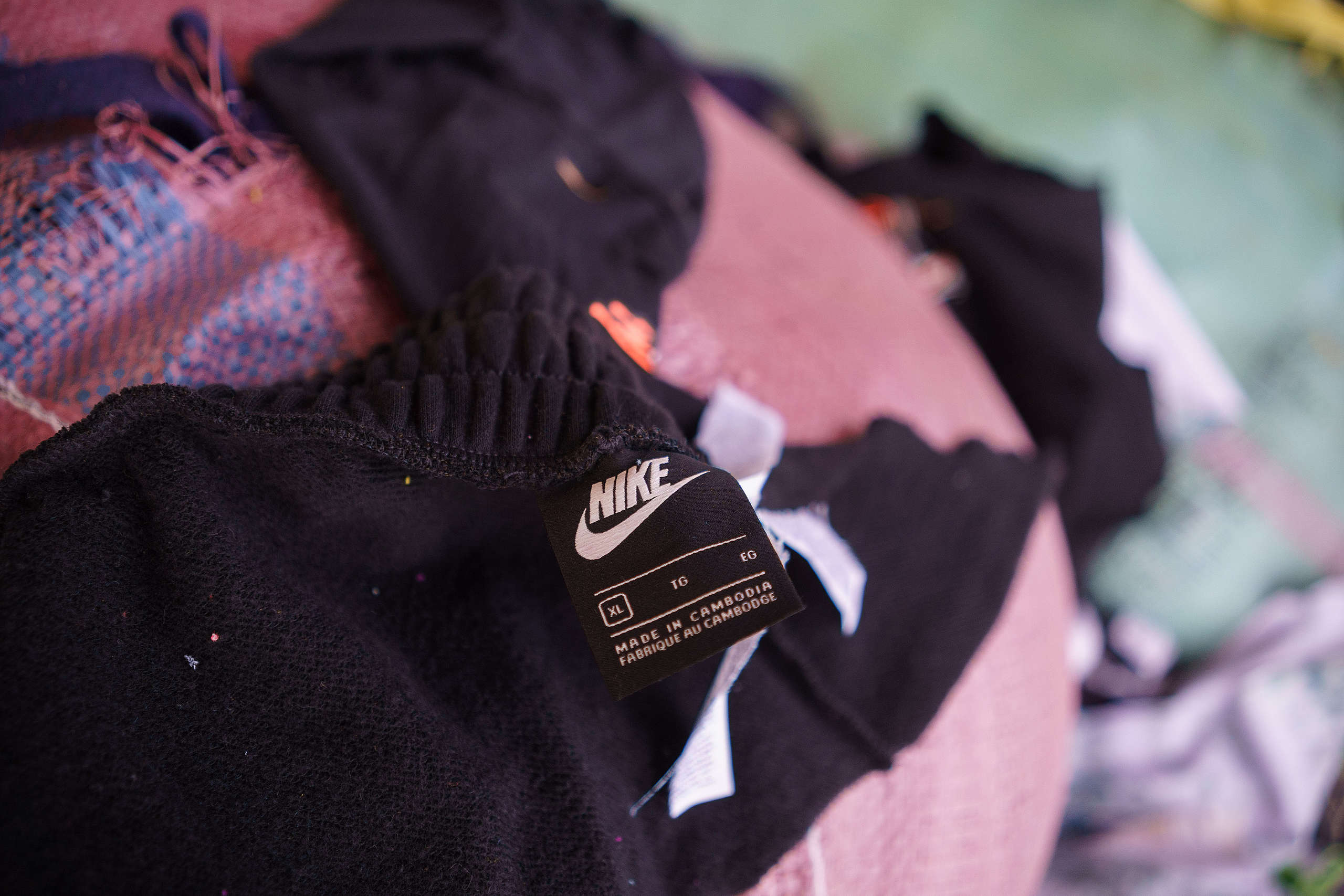
Cambodian workers pay the price of Fast Fashion’s supply chain waste problem
Despite the claims about sustainability by big brands, today’s fast fashion system depends on shifting its waste problem onto countries in the Global South where the lack of regulation and enforcement has led to the exploitation of workers and the environment.
-
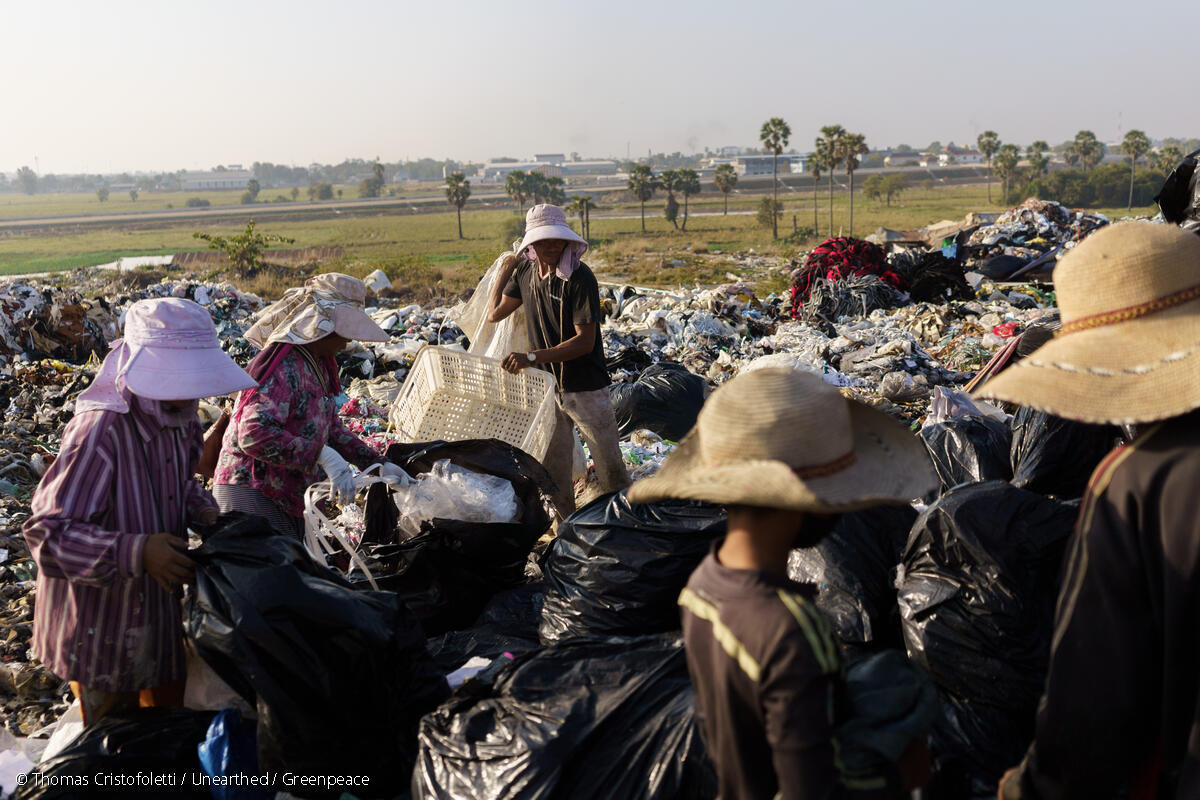
Fashion waste from Nike, Clarks and other top brands’ suppliers burnt in toxic kilns employing modern-day slaves in Cambodia
Aside from ecological and health hazards, the fashion waste investigation also puts the spotlight on Cambodia’s brick sector that has become infamous for human rights abuses, including debt-bondage – the most common form of contemporary slavery.
-
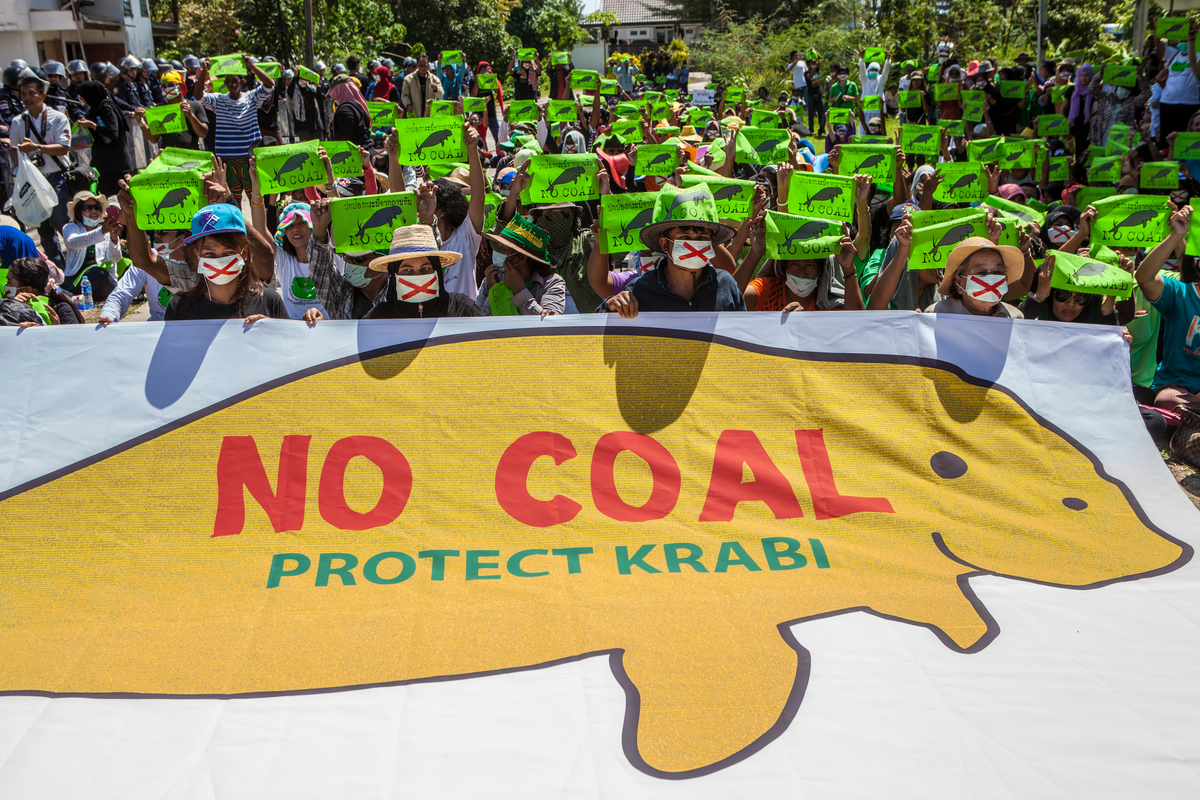
Statement of Save Andaman from Coal Network
Calling on the government to conduct a strategic environmental assessment for the energy transition of Southern Thailand was our proposal - we wanted to tell the government and the Thai public the whole truth, which is the only way to end the conflict at Krabi.
-
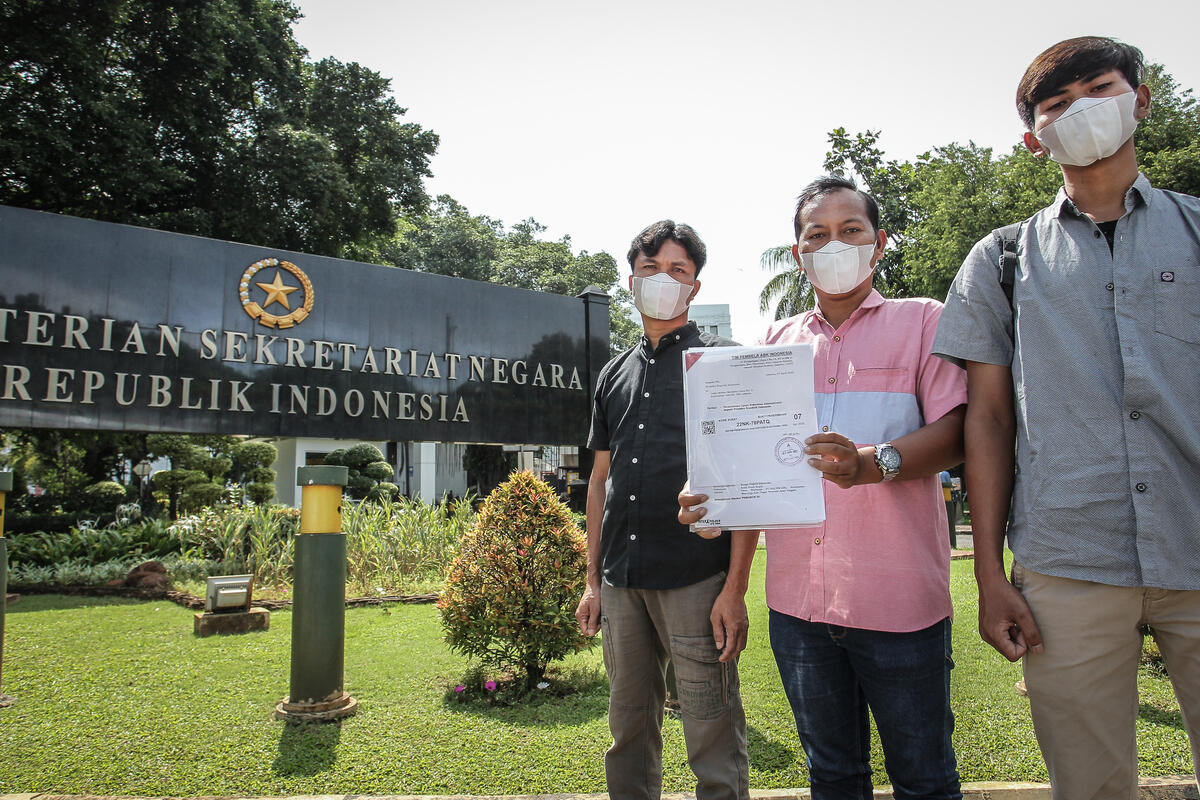
Indonesian migrant fishers declare victory in new regulation that ensures their protection and rights
Indonesian migrant fishers have welcomed the recently ratified regulation that ensures their rights, protection, and employment on board foreign fishing vessels - a significant milestone towards curbing illegal, unreported, and unregulated fishing and abuse within the industrial fishing industry.
-

What’s keeping the unprofitable high seas fishing industry going? Simple: Forced Labour
As fish populations collapse and fishing vessels have to go further out at sea, transportation and refrigeration costs have increased. While these costs are fixed, labour costs are more flexible. This is especially true far out at sea, where isolation and lack of oversight render fishers – who are often migrants with few legal protections…
-
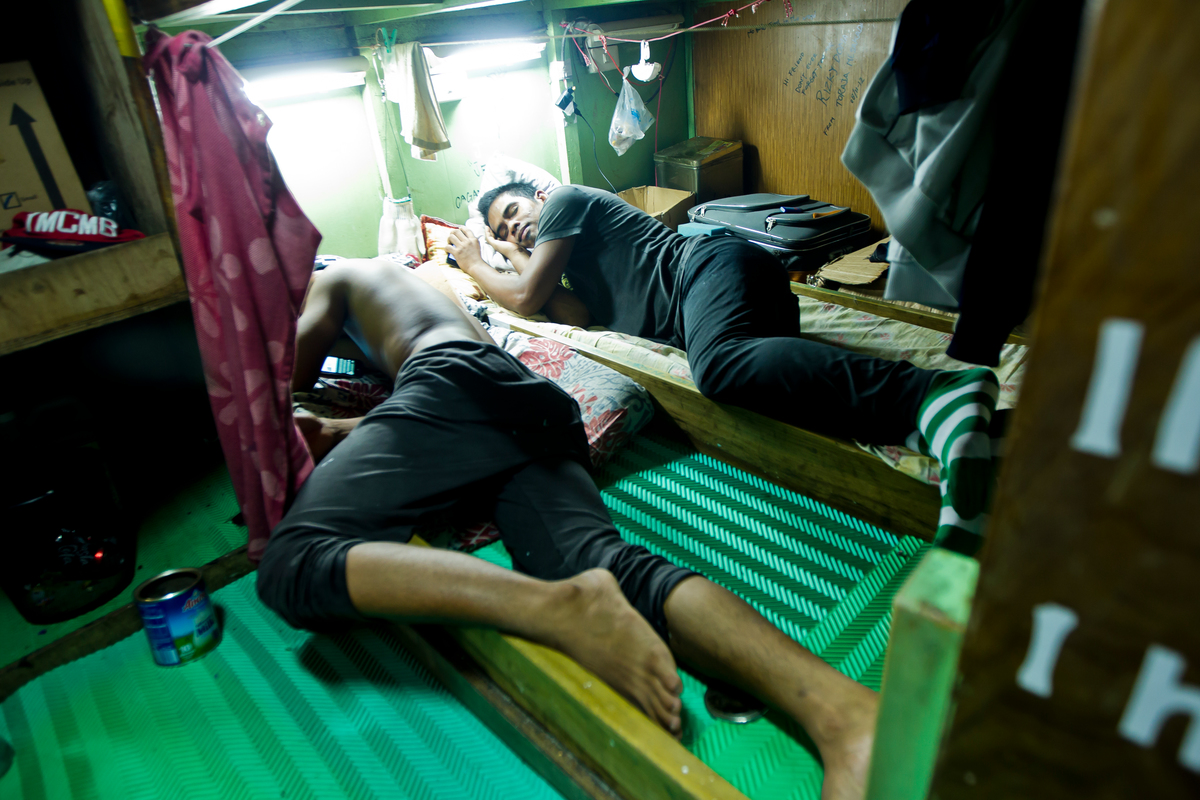
Nine people indicted for abusing crew members on Taiwan owned fishing vessel – Greenpeace response
The high seas fishing industry uses cost-cutting and illegal fishing tactics, forced labor, and other human rights abuses to stay profitable. This indictment on the nine people who worked on the Da Wang is indicative of a wider problem.
-
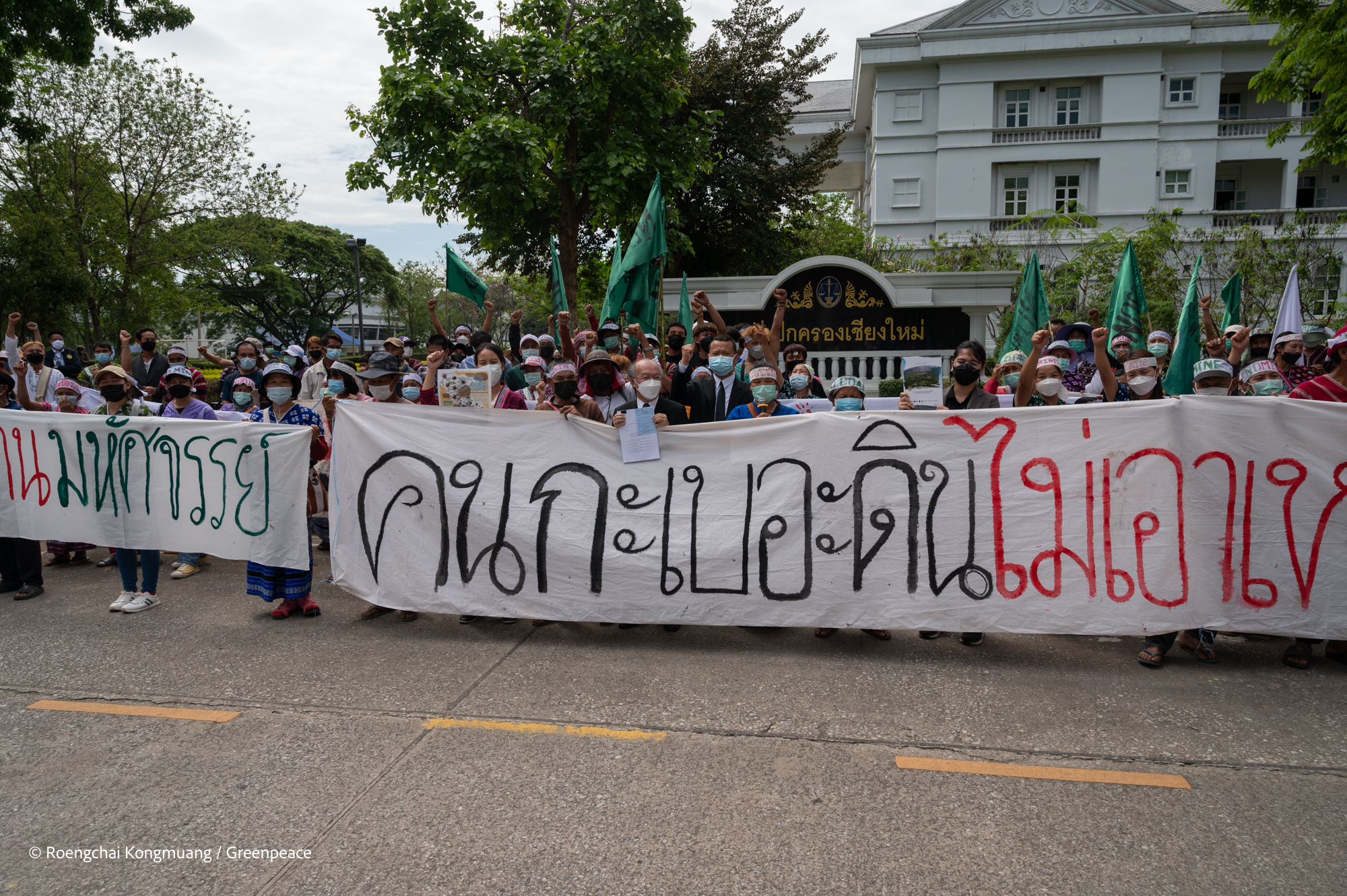
Okmoi people file an administrative lawsuit to revoke EIA report
The lawsuit specifically challenges the coal mine's Environmental Impact Assessment (EIA) and aims to ensure that the flawed EIA is revoked, and a new assessment is conducted in a transparent manner and with meaningful participation from the affected local communities.
-
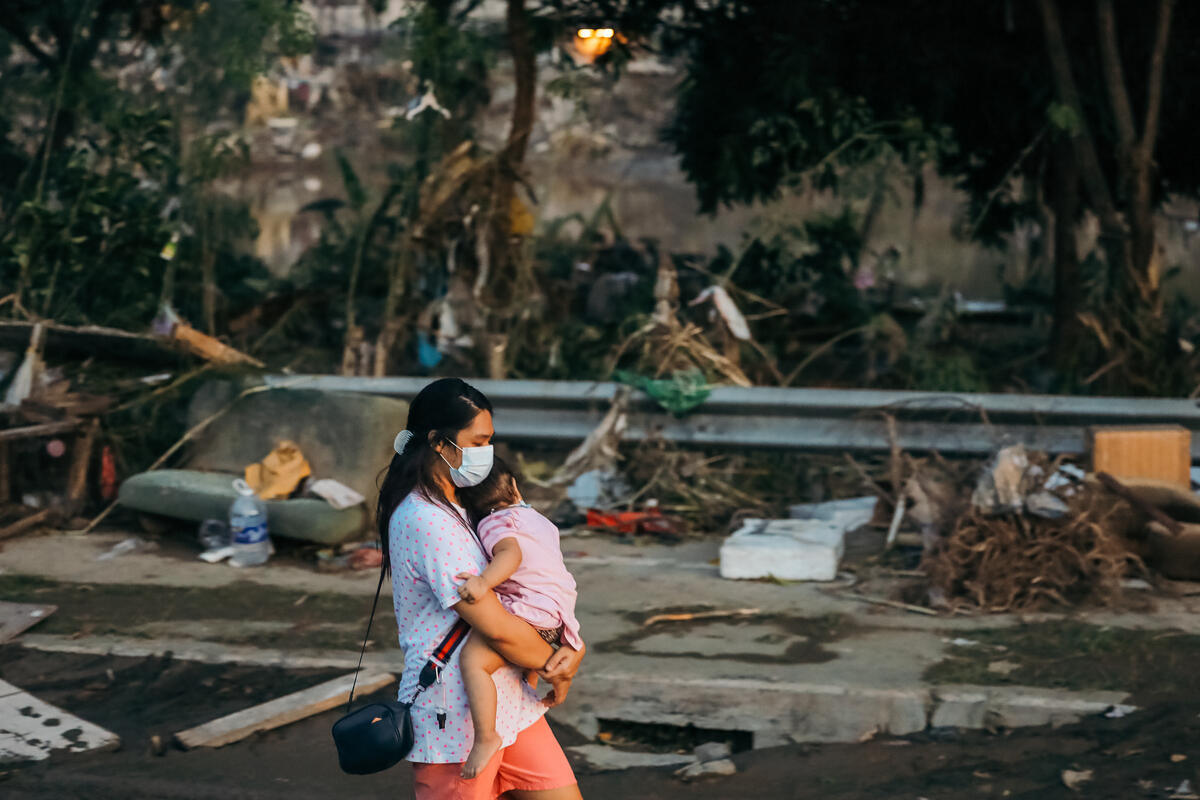
Resilience? You say it like it’s a good thing.
For many individuals and communities who have lost loved ones and livelihoods to disasters, the term “resilience” is a double-edged sword that can cut both ways. Much like “toxic positivity” in the online sphere in the age of COVID, Filipino communities at the frontlines of climate impacts have been growing weary and wary of the…
-
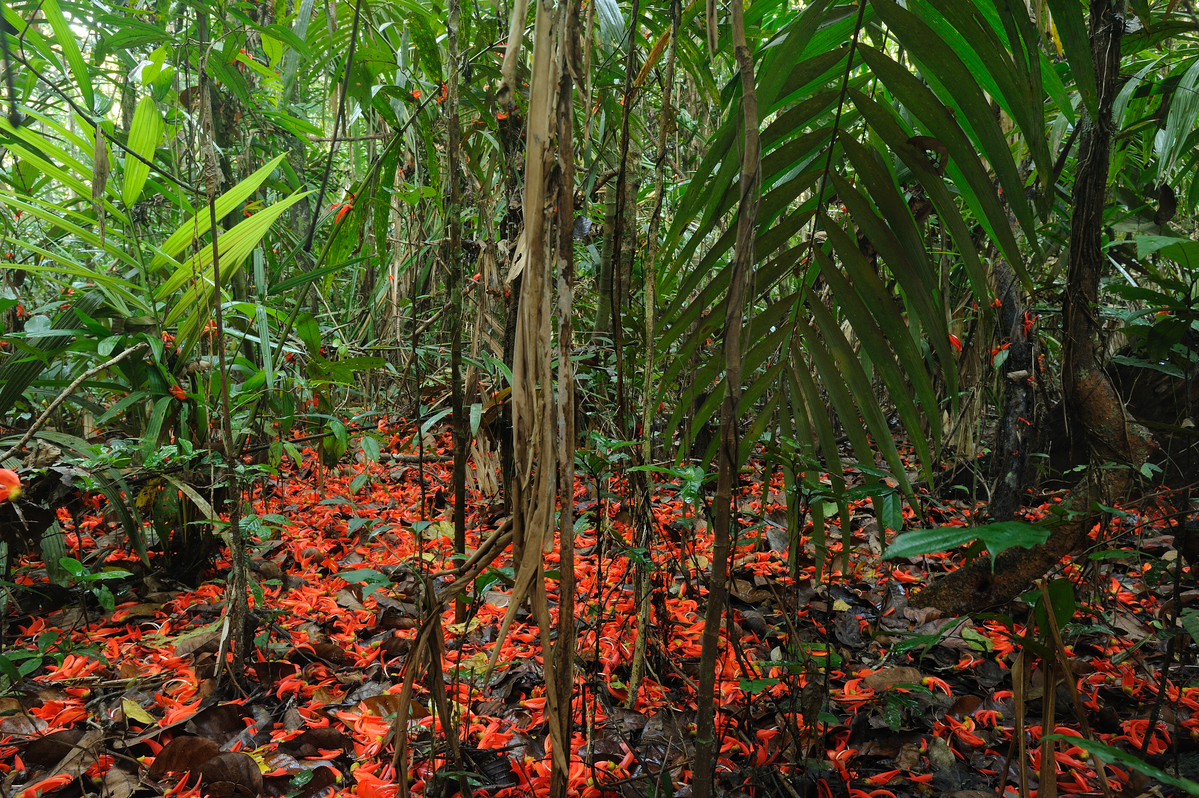
Desperate forest clearing, legal uncertainty follows bungled permit review
The Indonesian government’s half-hearted forestland permit review has created a perverse incentive for forest clearing by companies desperate to retain dormant land banks. Greenpeace is calling for the policy to be clarified, to ensure companies whose permits are listed for revocation are not allowed to undertake such panic clearing.
-
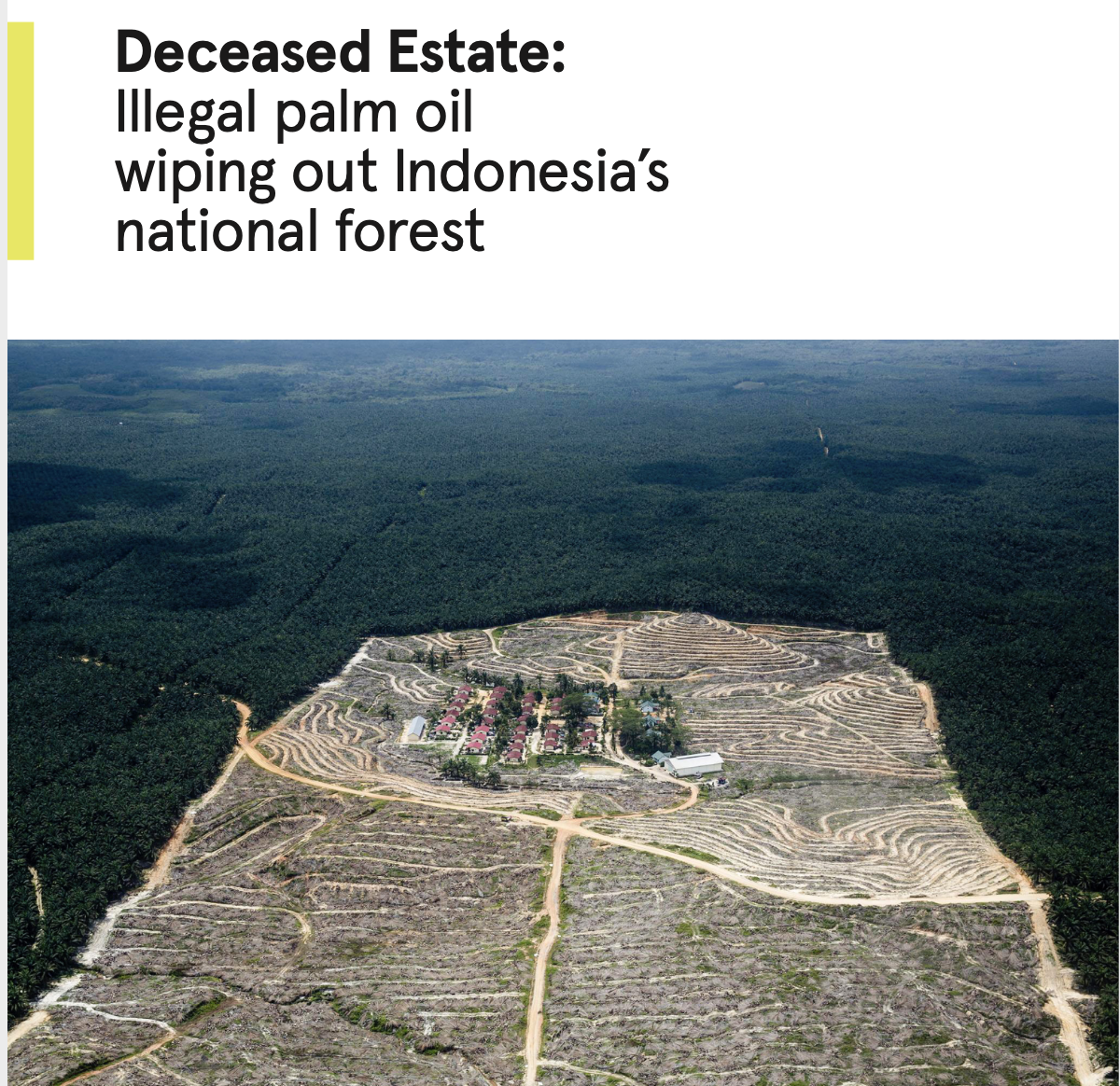
Deceased Estate: Illegal palm oil wiping out Indonesia’s national forest
Indonesia’s remaining forests are at the nexus of intersecting crises of dwindling biodiversity, climate change and Indigenous rights violations. Megadiverse and carbon rich, these forests are home to over 2,000 Indigenous communities for whom cultural identity and livelihood are bound up with the land.