
All articles
-
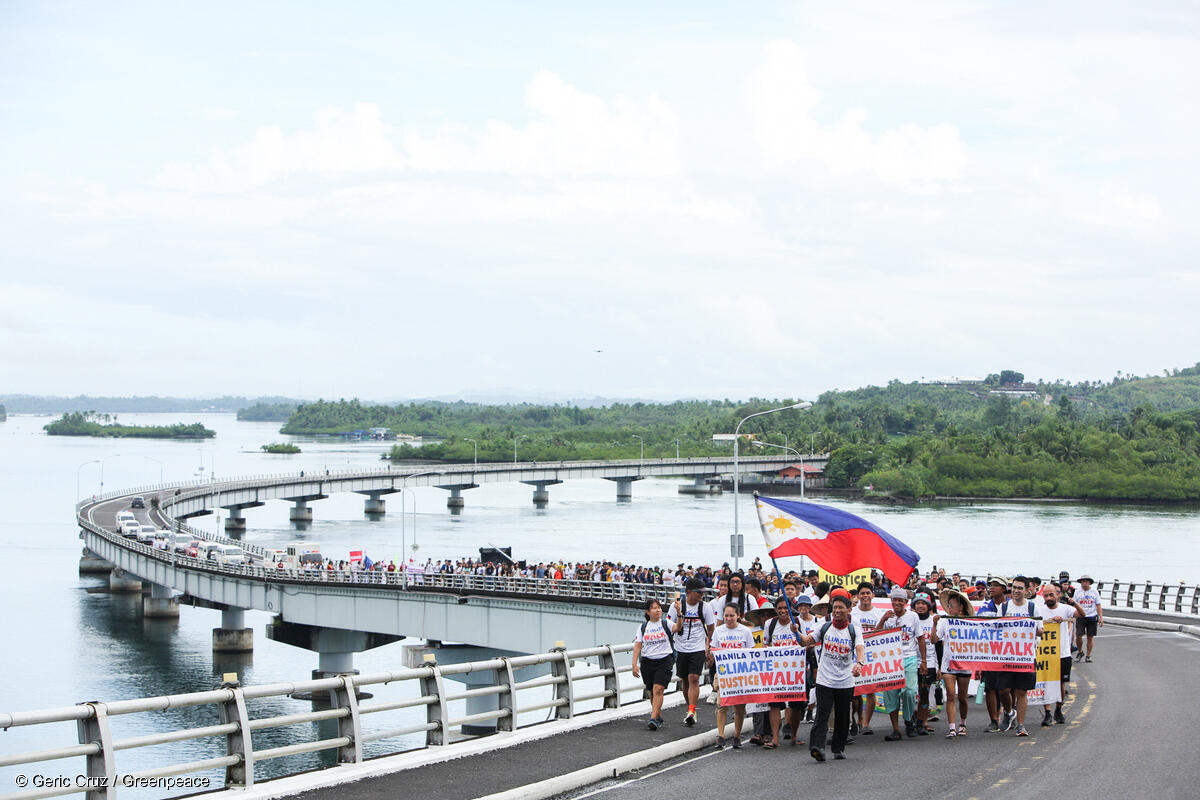
Typhoon Haiyan survivors for the 2023 Climate Justice Walk
The Climate Justice Walk does not end in Tacloban. Our real destination is in people’s hearts and minds- for climate hope to take root and yield results.
-
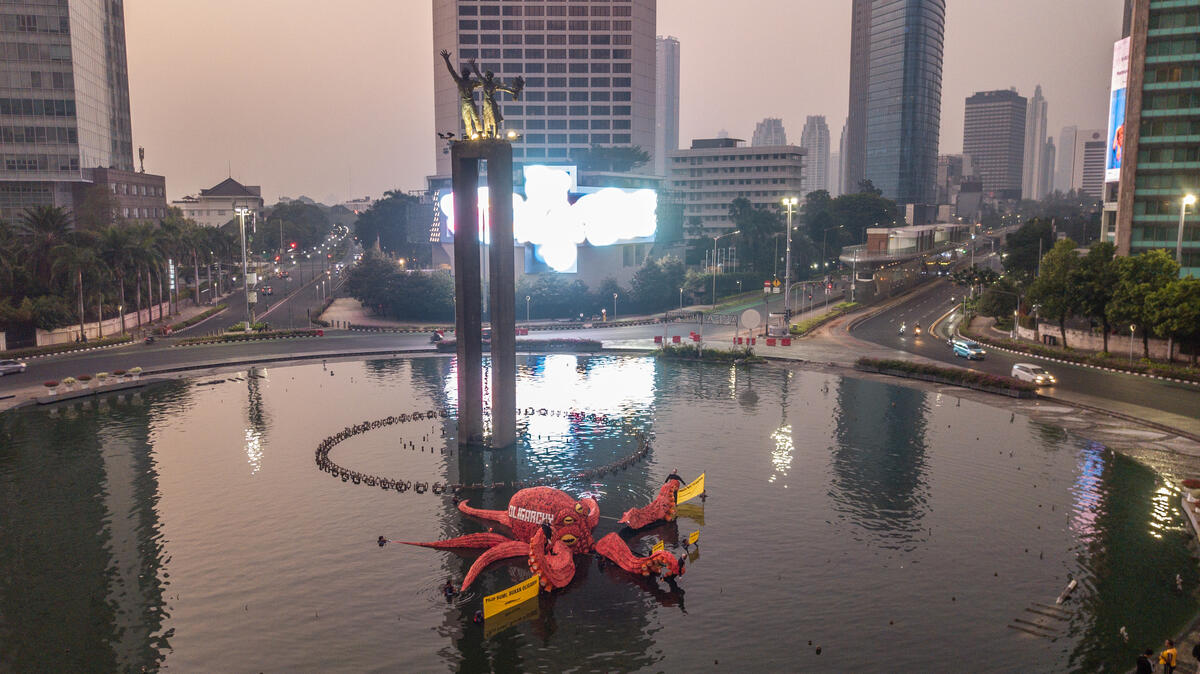
Ahead of the registration of presidential candidates, Greenpeace calls for elections without oligarch interference
The current political and economic situation may make us despair. However, together, we can fight to change the situation. We must challenge the presidential and vice presidential candidates to free themselves from the grip of the oligarchy, and have a concrete agenda to overcome the climate crisis.
-
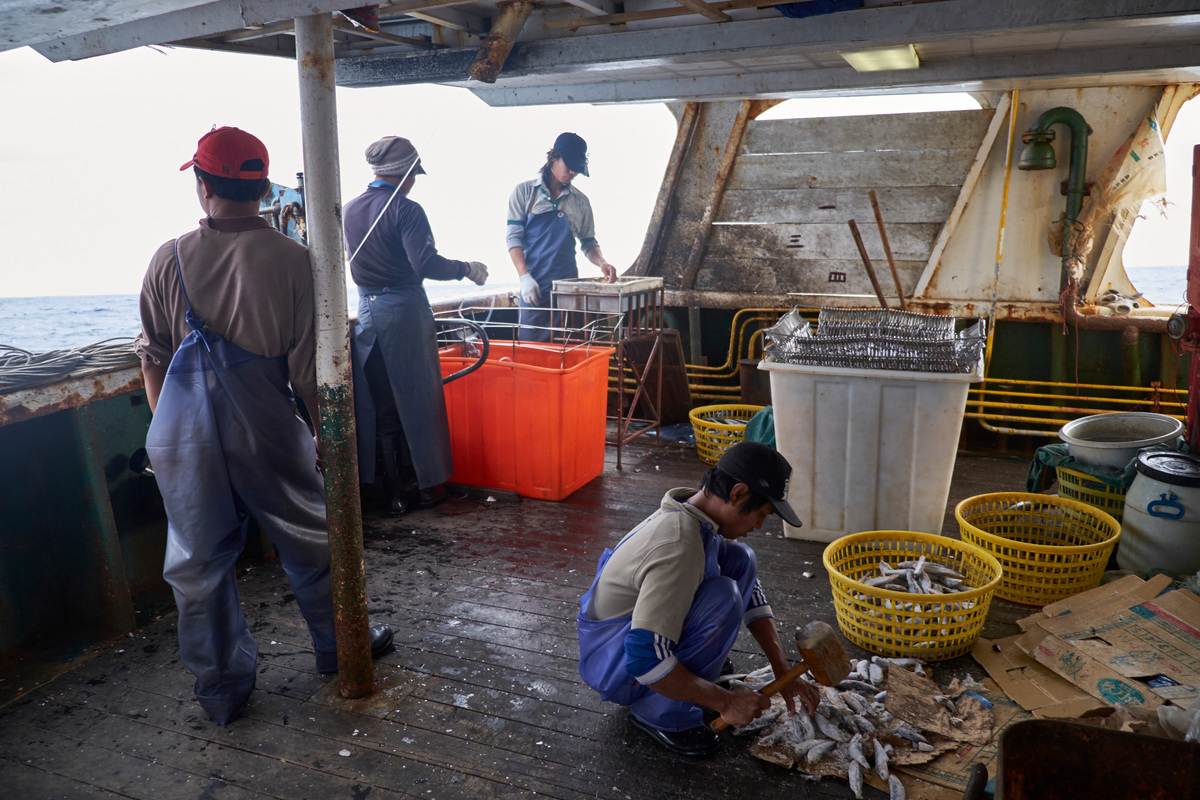
Tricked and Failed
I could only hope that the Indonesian government finally hears our cries for help and acts on our behalf to strictly enforce laws to end the cycle of abuse. Don’t let any more migrant fishers fall victim to injustice. It should end with me.
-
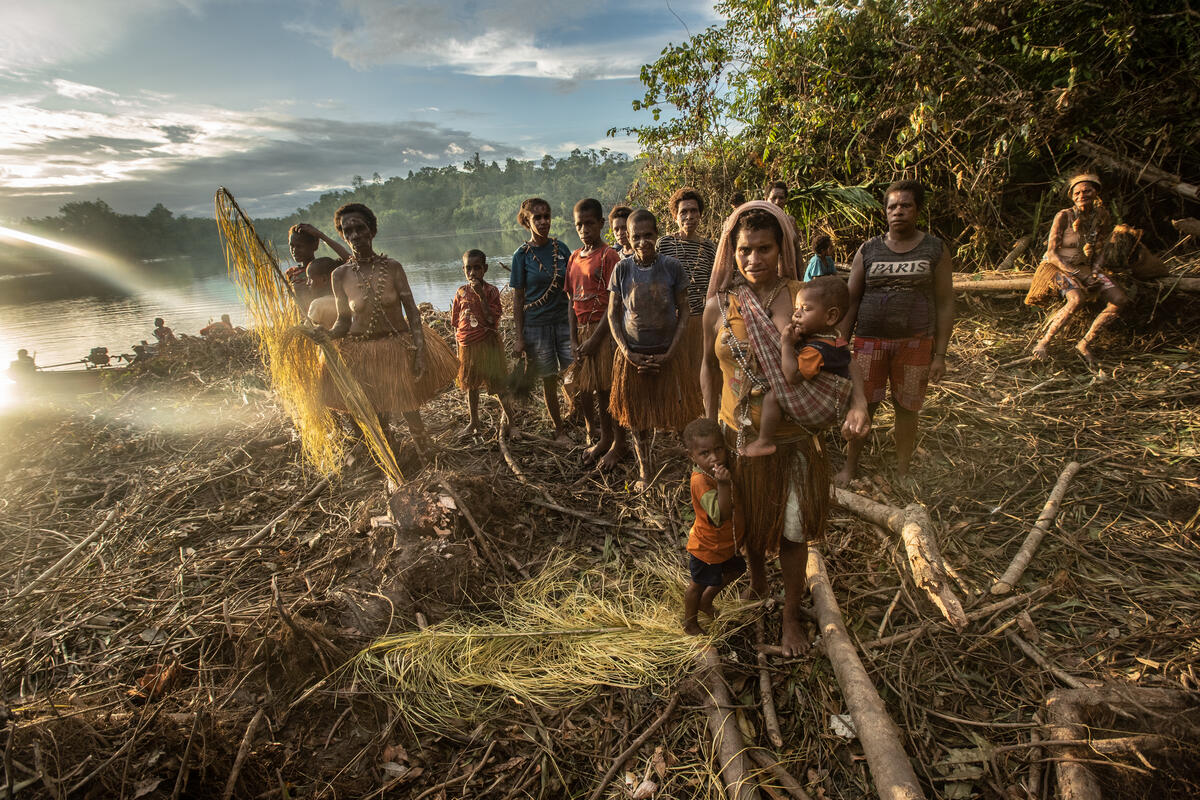
Stand with the Indigenous Auyu to defend Papuan Forests
For the Auyu, defending their forest lands in cold courtrooms might be their last recourse to protect their homes and livelihood- to preserve their culture and way of life. It is vital that their voices be heard, and they need our support.
-
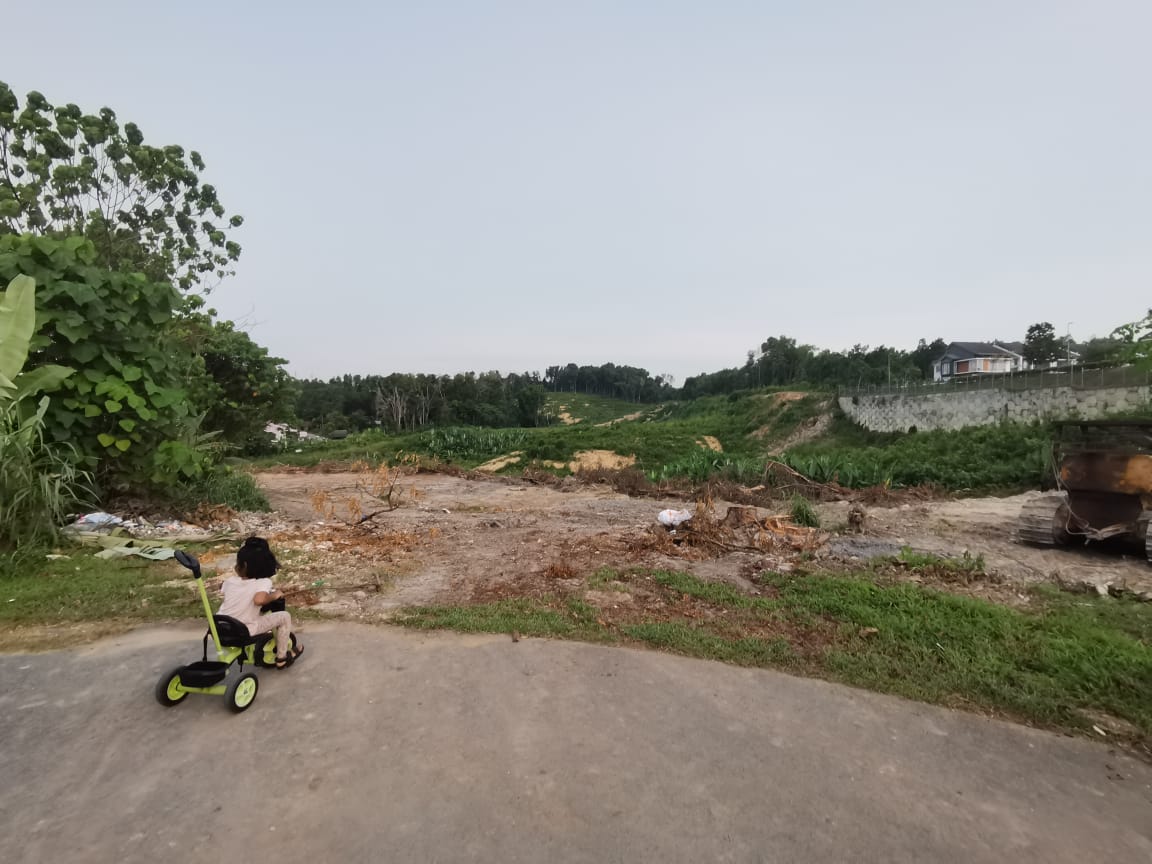
#UndiIklim | GreenpeaceMY Election Stories: Negeri Sembilan
By valuing our natural heritage, we must ensure a brighter and greener future for generations to come. We need to vote smart.
-
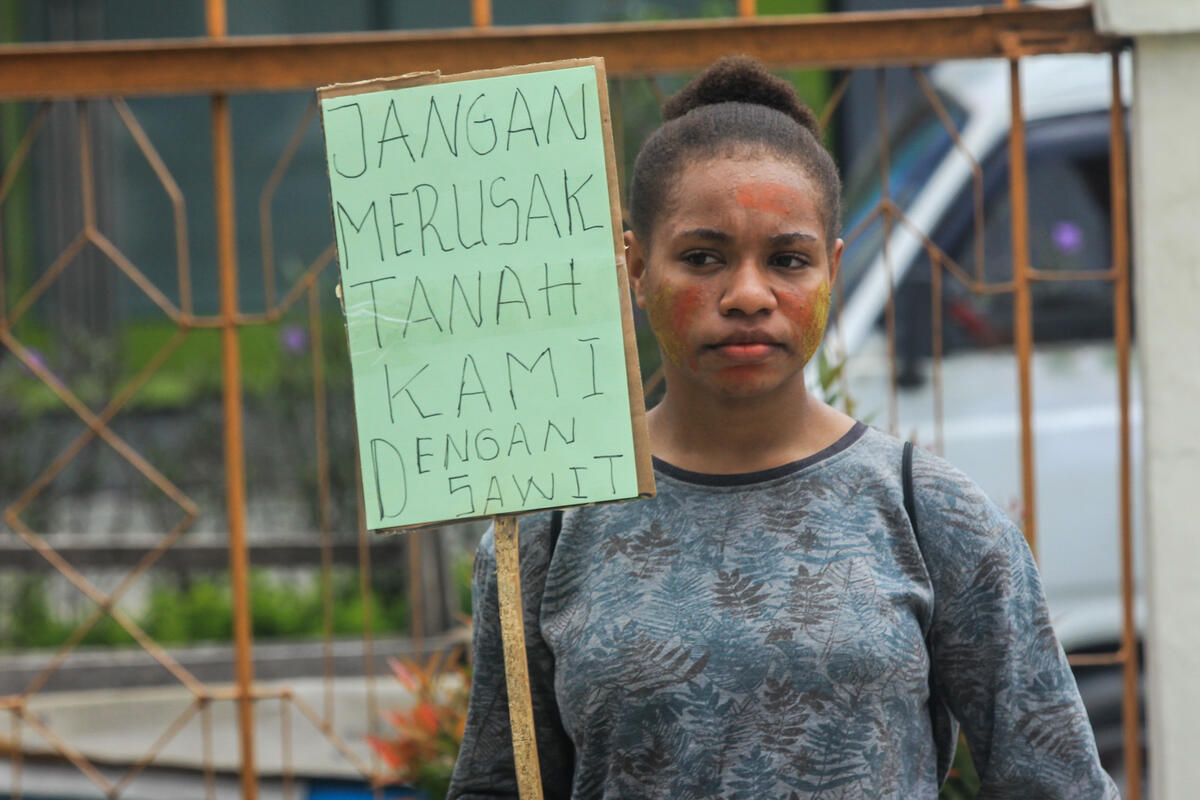
Witnesses tell of intimidation against indigenous landowners, refute palm oil company claims in West Papuan Environment Lawsuit
Kasimus Awe of the Auyu People explained to the Jayapura State Administrative Court what he described as intimidation directed towards opponents of the company plans. Meanwhile Arief Rossi Ramadhan described the process carried out to set down on paper the boundaries of their traditional land.
-
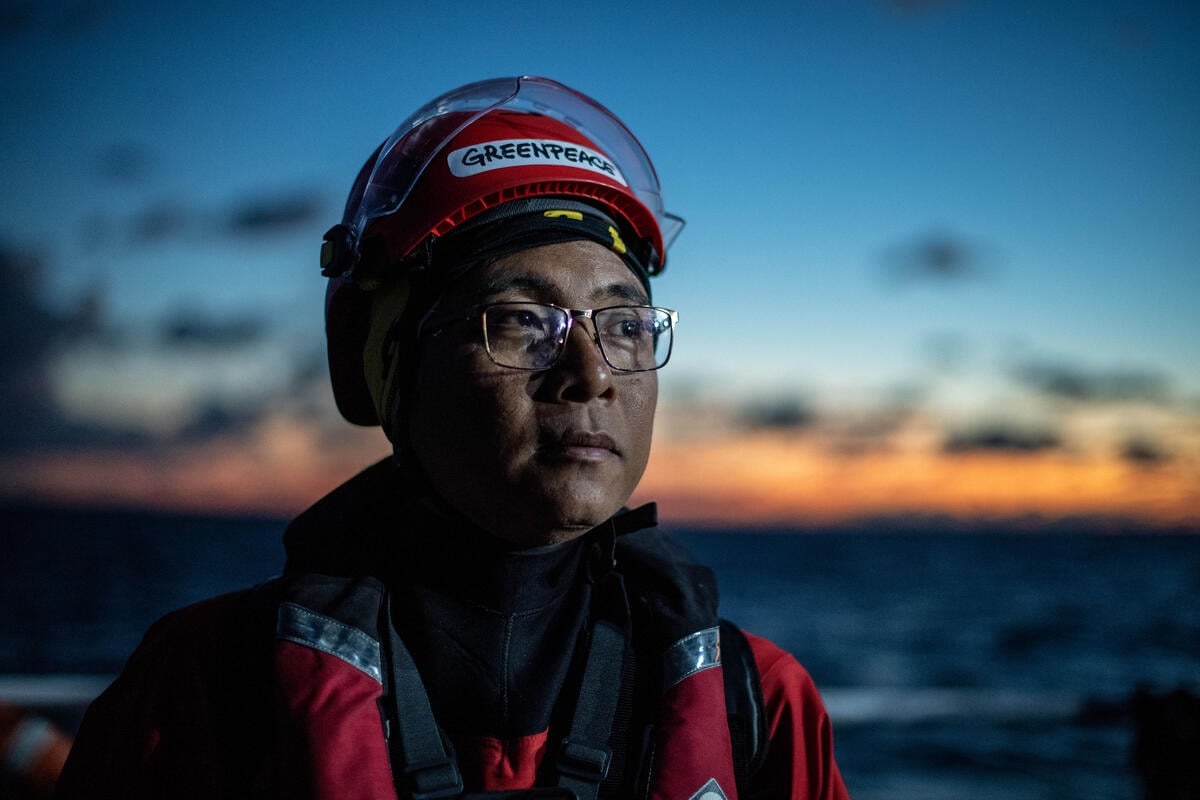
I’ve lost loved ones to climate change and I want big oil companies to pay – Yeb Saño reflects on Shell protest
Despite the devastation I’ve seen, I feel great joy to be part of the climate movement. I feel the profound hope of a sustainable future, and I feel proud to speak up against the false narrative peddled by the fossil fuel industry.
-
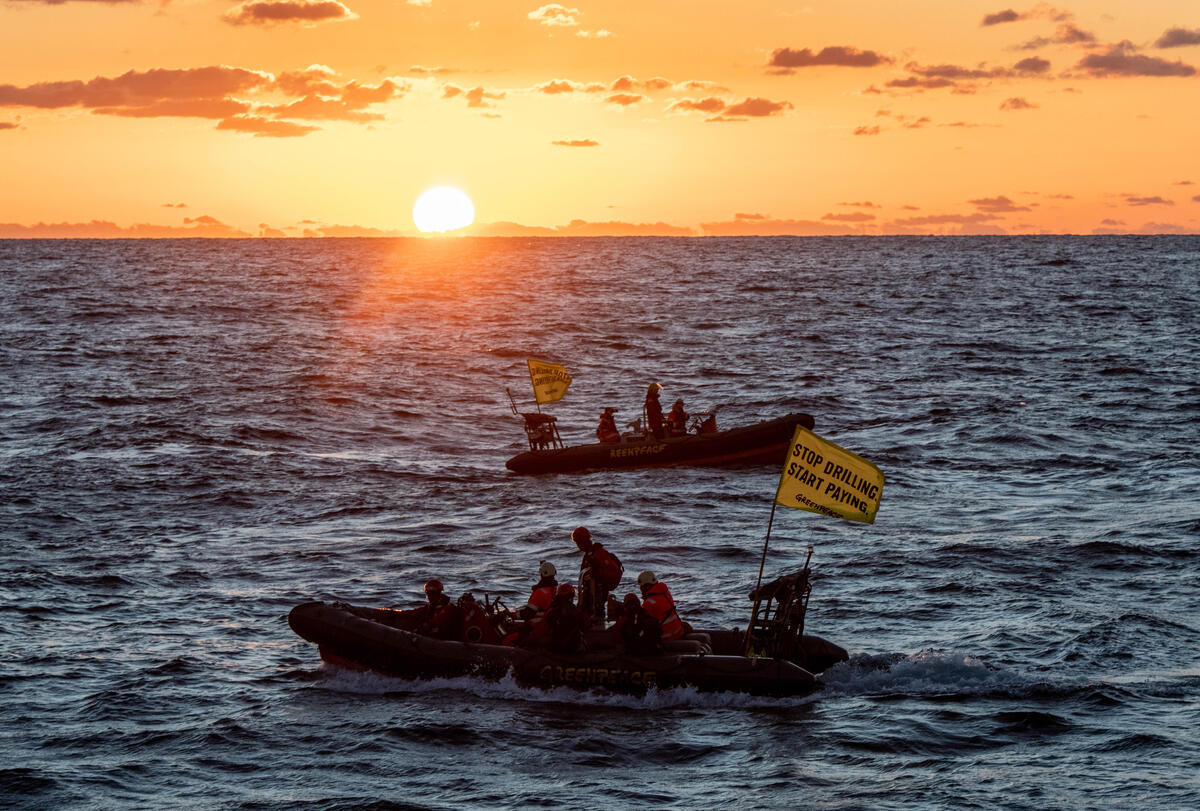
Greenpeace climate justice activists board and occupy Shell platform en route to major oilfield with message: ‘STOP DRILLING. START PAYING.’
Shell must stop drilling and start paying. We’re taking action today because when Shell extracts fossil fuels it causes a ripple of death, destruction and displacement around the world, having the worst impact on people who are least to blame for the climate crisis.
-

Indonesian government only feeding food insecurity by clearing forests in food estate plan
Indonesian activists unfurled a giant banner reading ‘Food Estate Feeding Climate Crisis’ to protest the clearing of forested Indigenous Land in Indonesia for industrial agriculture and to send a message to delegates at COP27 in Sharm el-Sheikh, Egypt to protect the forests.
-
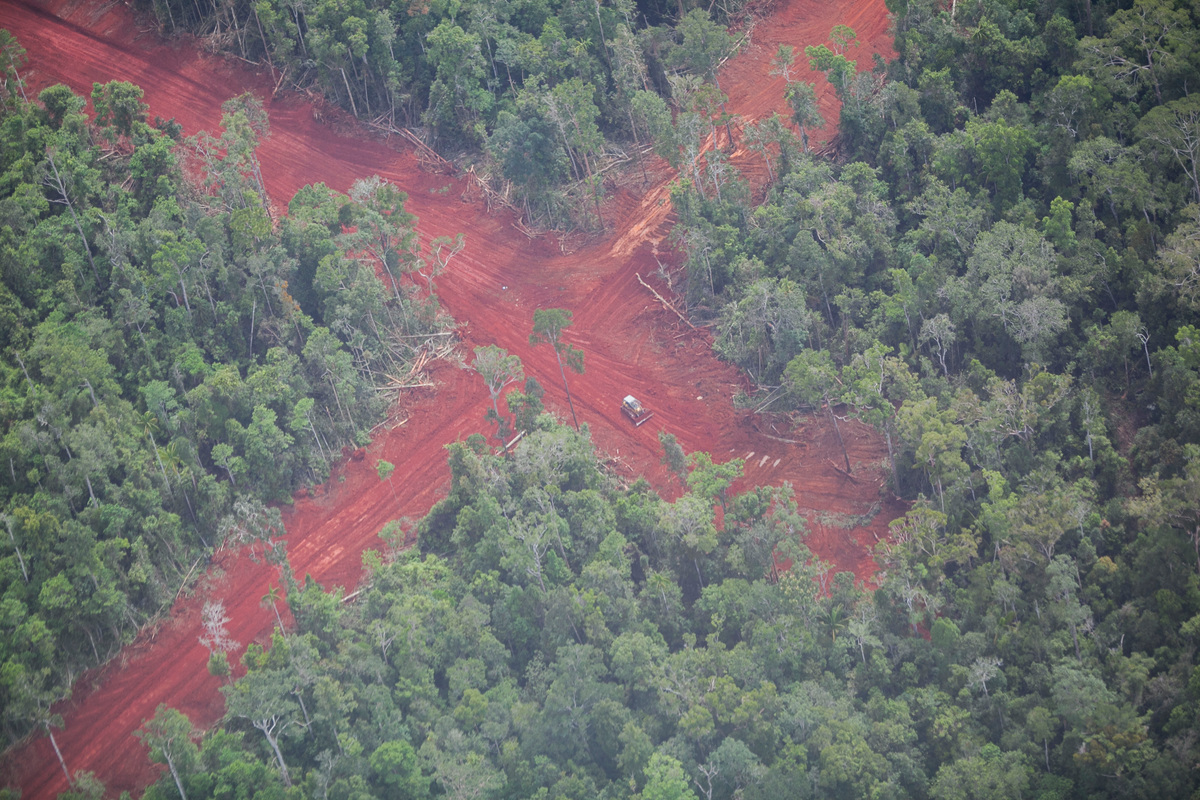
Transparency, Indigenous Rights Need Inking in to Indonesia-Norway Forests Agreement
As representatives of Indonesia and Norway work over the coming weeks on the details of a renewed climate partnership, Greenpeace Indonesia points to some important issues for inclusion to ensure the agreement does help to bring about urgently needed change to Indonesia’s trajectory of deforestation.