

Much has been said about the comfort the Valentine’s Day gives—when the love between couples and families becomes extra special, when people tend to express compassion through different things. 

On the other hand, we rarely talk about the other side of Valentine’s Day. This side is threatening, and, if not contained, may worsen the environmental concerns Southeast Asia is facing. 

Because of people’s innate desire to express appreciation through conventional and material things, people sometimes forget that we have to show love for the Earth too.

Here’s a tough reminder. Love is probably blind, but it does not mean it should be unsustainable. 

Here’s how you can express love to your special someone while showing love for the environment. 
<!-- wp:html -->
<!--  ----------------------------------------------------------------------  -->
<!--  NOTE: Please add the following <META> element to your page <HEAD>.      -->
<!--  If necessary, please modify the charset parameter to specify the        -->
<!--  character set of your HTML page.                                        -->
<!--  ----------------------------------------------------------------------  -->

<META HTTP-EQUIV="Content-type" CONTENT="text/html; charset=UTF-8">

    <!--  ----------------------------------------------------------------------  -->
    <!--  NOTE: Please add the following <FORM> element to your page.             -->
    <!--  ----------------------------------------------------------------------  -->
    
    <form action="https://test.salesforce.com/servlet/servlet.WebToLead?encoding=UTF-8" method="POST">
    
    <input type=hidden name="oid" value="00D1s0000008ad8">
    <input type=hidden name="retURL" value="http://www.greenpeace.org/philippines">
    
    <!--  ----------------------------------------------------------------------  -->
    <!--  NOTE: These fields are optional debugging elements. Please uncomment    -->
    <!--  these lines if you wish to test in debug mode.                          -->
    <!--  <input type="hidden" name="debug" value=1>                              -->
    <!--  <input type="hidden" name="debugEmail"                                  -->
    <!--  value="nut.wisanukitpaiboon@greenpeace.org">                            -->
    <!--  ----------------------------------------------------------------------  -->
    
    <label for="first_name">First Name</label><input  id="first_name" maxlength="40" name="first_name" size="20" type="text" /><br>
    
    <label for="last_name">Last Name</label><input  id="last_name" maxlength="80" name="last_name" size="20" type="text" /><br>
    
    <label for="email">Email</label><input  id="email" maxlength="80" name="email" size="20" type="text" /><br>
    
    <input type="submit" name="submit">
    
    </form>
<!-- /wp:html -->

<!-- wp:paragraph -->
<p></p>
<!-- /wp:paragraph -->
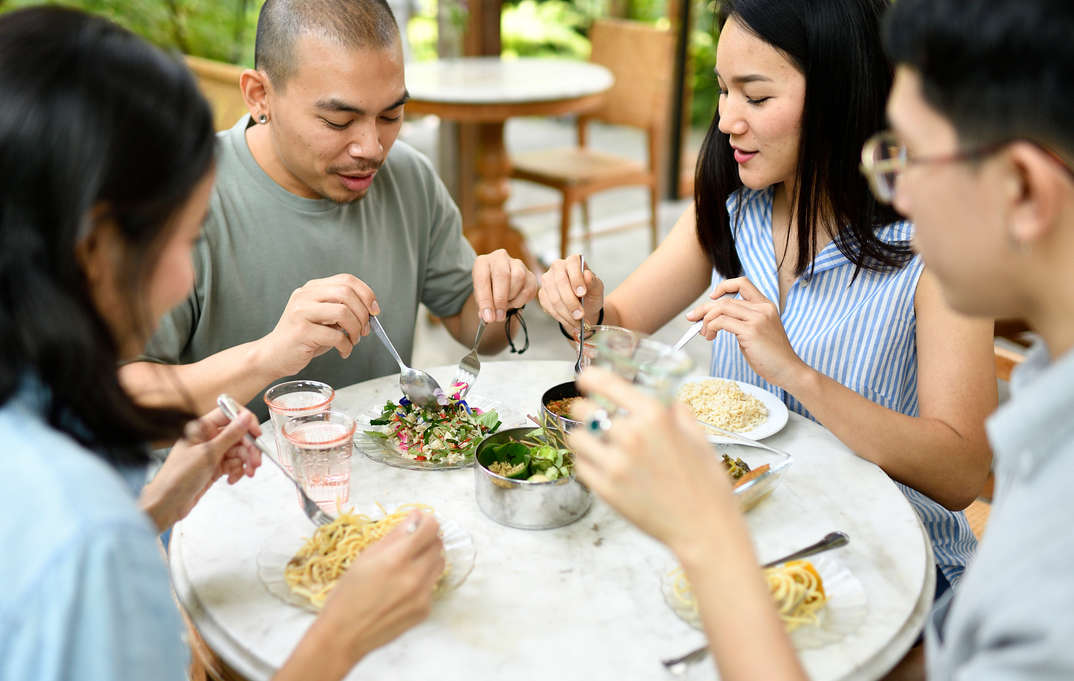
People enjoying their plant-based meals.

1. Healthy is the new romantic. 

Sure, dinners at romantic restaurants are special, but we have a better idea. Instead of spending a lot on fine-dining, stroll to the nearest market and buy local produce. Then spice up the night by cooking your own meals. 

Bonus tip: Opt for plant-based dishes for your Valentine’s Day menu. Here are some recipes to try.
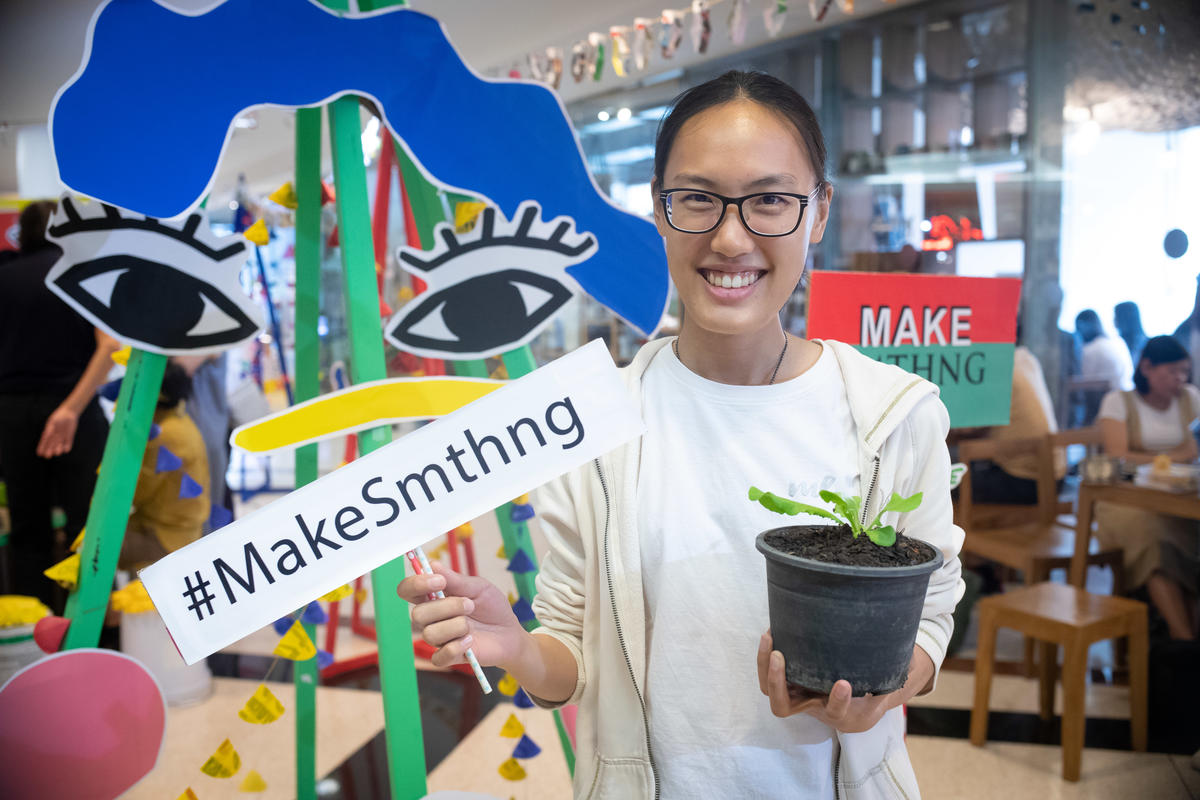
MAKE SMTHNG Week Event in Bangkok. © Wason Wanichakorn / Greenpeace
Participants learn how to plant vegetables using natural compost produced from food waste during a Greenpeace Thailand workshop. The event encourage people to buy less, live a plastic-free lifestyle and value what they already have by repairing, upcycling and transforming old stuff in order to reduce excess consumption.

2. Ditch the flowers and opt for a potted plant. 

Bouquet of flowers is so year 2000. Although we cannot deny that bouquets of flowers are gorgeous, the plastic-made bouquet wrappers will probably last longer in the landfills than the time it stays within your bedrooms. 

A sustainable alternative is a potted plant—succulents, herbs, and vegetables. Plus, this gift can last for years.

<!-- wp:paragraph -->
<p><em>While the world is rightly preoccupied with tackling COVID-19, oil companies are pushing to produce more single-use plastic than ever before. So what do we need to know about plastic in the age of COVID-19?</em></p>
<!-- /wp:paragraph -->

<!-- wp:paragraph -->
<p>During these stressful times, we must listen to science not industry lobbyists. The oil and plastics industry wants you to think that you and your family are safer when your food, drinks and other products are wrapped in plastic. But health experts around the world agree that reusables can be used safely during the COVID-19 pandemic.</p>
<!-- /wp:paragraph -->

<!-- wp:paragraph -->
<p>Nearly 130 scientists, academics, and doctors from 19 countries have signed <a rel="noreferrer noopener" href="https://storage.googleapis.com/planet4-international-stateless/2020/06/9592036c-health-expert-statement_125.pdf" target="_blank">onto a statement</a> reassuring retailers and consumers that reusable systems can be utilised safely during the pandemic by employing basic hygiene. The experts — along with Greenpeace USA and UPSTREAM, both members of the Break Free From Plastic movement — note that household disinfectants have been proven effective at disinfecting hard surfaces, such as reusable cups and containers.</p>
<!-- /wp:paragraph -->

<!-- wp:paragraph -->
<p>Plastic is indispensable in healthcare settings, and there are many reasons why plastic is the material of choice for personal protective equipment (PPE) used to protect essential workers from COVID-19. But there’s a big difference between PPE and packaging for food and other goods. Even so, the oil and plastics industry have been peddling myths in the media and to politicians in an attempt to make single-use plastic acceptable again.</p>
<!-- /wp:paragraph -->

<!-- wp:paragraph -->
<p>So, here’s what you need to know about plastic packaging when it comes to COVID-19.</p>
<!-- /wp:paragraph -->

<!-- wp:heading -->
<h2>There’s nothing particularly sanitary about plastic packaging</h2>
<!-- /wp:heading -->

<!-- wp:paragraph -->
<p>Unless you are talking about the medical-grade stuff, there is nothing intrinsically sanitary about plastic. Pathogenic bacteria and viruses will all lurk there just as happily as anywhere else. They can sit on the product inside the plastic, they can sit on the plastic itself. There is nothing magical about this material.</p>
<!-- /wp:paragraph -->

<!-- wp:paragraph -->
<p>In fact, a <a href="https://www.nejm.org/doi/10.1056/NEJMc2004973" target="_blank" rel="noreferrer noopener">study</a> from the New England Medical Journal indicates that COVID-19 can survive on plastic surfaces for two to three days, and on cardboard for 24 hours.</p>
<!-- /wp:paragraph -->

<!-- wp:paragraph -->
<p><strong>The bottom line is, and hundreds of health experts agree, whether you buy your fruit and vegetables and other foods loose, or wrapped in plastic, you should always </strong><a href="https://www.foodpackagingforum.org/coronavirus-and-packaging" target="_blank" rel="noreferrer noopener"><strong>wash thoroughly before consumption</strong></a><strong>.</strong></p>
<!-- /wp:paragraph -->

<!-- wp:heading -->
<h2>You’re <em>very</em> unlikely to catch COVID-19 from food or packaging</h2>
<!-- /wp:heading -->

<!-- wp:paragraph -->
<p>COVID-19 is most commonly passed from person-to-person contact, and as the Center for Disease Control and Prevention in the USA tells us<a href="https://www.cdc.gov/coronavirus/2019-ncov/prevent-getting-sick/how-covid-spreads.html" target="_blank" rel="noreferrer noopener">, it’s very unlikely that you can catch COVID-19 from food and its packaging. </a></p>
<!-- /wp:paragraph -->

<!-- wp:paragraph -->
<p>Grocers and supermarkets have to follow strict hygiene rules when handling produce, so washing it in running water and/or cooking it thoroughly is enough to make it safe. </p>
<!-- /wp:paragraph -->

<!-- wp:paragraph -->
<p>Just before lockdowns began around the world, many cafes and coffee house chains started refusing to accept reusable cups as a way to protect their staff. But, as mentioned earlier, health experts around the world endorsed a statement today that states that if you <strong>wash your reusable cups with soap and hot water, or ideally in a dishwasher if you have one, this <a href="https://www.gov.uk/government/publications/guidance-for-consumers-on-coronavirus-covid-19-and-food/guidance-for-consumers-on-coronavirus-covid-19-and-food#food-hygiene-when-shopping" target="_blank" rel="noreferrer noopener">is enough to destroy any trace of the virus</a></strong> and keep you and your barista safe. You can also <a href="https://resource.co/article/campaign-urges-reopening-cafes-accept-reusable-cups" target="_blank" rel="noreferrer noopener">ask for your coffee to be made in their own metal or ceramic cups</a> and then pour it into your reusable cup for contactless coffee.</p>
<!-- /wp:paragraph -->

<!-- wp:paragraph -->
<p>The same goes for fabric grocery bags. Across the United States, a number of <a href="https://balkangreenenergynews.com/us-states-suspending-reversing-lastic-bag-bans-amid-pandemic/" target="_blank" rel="noreferrer noopener">states banned reusable grocery bags</a> in response to the pandemic. But a quick hot wash will remove viruses and pathogenic bacteria. </p>
<!-- /wp:paragraph -->

<!-- wp:paragraph -->
<p>So where is the misinformation coming from? </p>
<!-- /wp:paragraph -->

<!-- wp:heading -->
<h2>Oil companies and the plastic industry are exploiting the crisis</h2>
<!-- /wp:heading -->

<!-- wp:paragraph -->
<p>In the midst of the COVID-19 crisis, petrochemical companies are connected to efforts to use the pandemic to their advantage, whipping up fear to <a href="https://www.theguardian.com/environment/2020/mar/27/rightwing-thinktanks-use-fear-of-covid-19-to-fight-bans-on-plastic-bags" target="_blank" rel="noreferrer noopener">stem the tide of protest against plastic products</a>. </p>
<!-- /wp:paragraph -->

<!-- wp:paragraph -->
<p>As the world strives to wean itself off fossil fuels, some of the biggest oil companies in the world – Shell, BP, Saudi Aramco, and Exxon – are <a href="https://www.bloomberg.com/news/articles/2019-06-05/plastic-trash-crackdown-threatens-oil-giants-chemical-lifeline" target="_blank" rel="noreferrer noopener">investing billions into plastics</a> as the key to their future. </p>
<!-- /wp:paragraph -->

<!-- wp:paragraph -->
<p>Now the plastics and petrochemicals industry are trying to exploit the world’s COVID-19 response by casting their own services as “essential,” lobbying governments for massive bailouts and weaker environmental regulations.</p>
<!-- /wp:paragraph -->

<!-- wp:paragraph -->
<p>A <a href="https://www.greenpeace.org/usa/research/how-the-plastic-industry-exploited-anxiety-about-covid-19/the-making-of-an-echo-chamber-how-the-plastic-industry-exploited-anxiety-about-covid-19-to-attack-reusable-bags/">new research paper by Greenpeace USA</a> has found links between the people supplying and fronting misleading articles on plastics and plastic manufacturers or oil companies.</p>
<!-- /wp:paragraph -->

<!-- wp:paragraph -->
<p>When the European plastics industry called on the European Commission to lift an EU-wide ban on some single-use plastic items on the grounds of “public safety,” the commission’s Vice President<a href="https://www.argusmedia.com/en/news/2105787-eu-plastics-industry-calls-for-help" target="_blank" rel="noreferrer noopener"> responded</a>, “I really did not appreciate people writing to me and using the need for personal protective equipment as a reason not to have a ban on single-use plastics – there’s really no relationship.”</p>
<!-- /wp:paragraph -->

<!-- wp:heading -->
<h2>Plastic is still disastrous for the environment and low-income communities</h2>
<!-- /wp:heading -->

<!-- wp:paragraph -->
<p>In the past few years, we’ve seen people all over the world turn away from single-use plastic in droves with bans on plastic bags, straws, cutlery and more. </p>
<!-- /wp:paragraph -->

<!-- wp:paragraph -->
<p>But sadly, plastic pollution is still a crisis with massive impacts globally, especially in <a href="https://www.theguardian.com/global-development/2018/oct/05/huge-rise-us-plastic-waste-shipments-to-poor-countries-china-ban-thailand-malaysia-vietnam" target="_blank" rel="noreferrer noopener">low-income communities and communities of colour</a>. The entire lifecycle of plastic is dangerous — from the extraction of the oil used to make it, to its disposal. </p>
<!-- /wp:paragraph -->

<!-- wp:paragraph -->
<p>In addition to the billions of tonnes of plastics entering the sea every year, the production of plastics and, in many places, <a href="https://www.no-burn.org/hiddenclimatepolluter/" target="_blank" rel="noreferrer noopener">the burning of it</a>, are fuelling climate change. Throughout its lifecycle, it’s estimated that by 2050 plastic production from oil <a href="https://www.ciel.org/plasticandclimate/" target="_blank" rel="noreferrer noopener">could be responsible for up to 12% of the Earth’s remaining total carbon budget </a>(the amount of emissions our climate can reasonably take). That’s the equivalent to 615 coal-fired power plants – showing that plastic is far from being clean and sanitary for the planet.</p>
<!-- /wp:paragraph -->

<!-- wp:paragraph -->
<p>The problem isn’t going away: a study by the NGO Tearfund released this year shows four global drinks giants in six developing countries <a href="https://www.theguardian.com/environment/2020/mar/31/report-reveals-massive-plastic-pollution-footprint-of-drinks-firms" target="_blank" rel="noreferrer noopener">could fill 83 football pitches a day with their plastic waste</a>. </p>
<!-- /wp:paragraph -->

<!-- wp:paragraph -->
<p>And in countries like the UK, <a href="https://unearthed.greenpeace.org/2018/10/21/uk-household-plastics-found-in-illegal-dumps-in-malaysia/" target="_blank" rel="noreferrer noopener">much of the plastic waste created is exported and then ends up in open dumpsites in countries like Malaysia</a>. Local people have to pay the price of the health impacts that follow: <a href="https://theintercept.com/2020/04/19/africa-plastic-waste-kenya-ethiopia/" target="_blank" rel="noreferrer noopener">burning plastic creates respiratory problems and headaches.</a></p>
<!-- /wp:paragraph -->

<!-- wp:paragraph -->
<p>In the current crisis, we should be making decisions based on the advice of medical professionals – not lobbyists for the fossil fuel and plastic industries, who have a history of doing more harm than good.</p>
<!-- /wp:paragraph -->

<!-- wp:paragraph -->
<p><em>Nina Schrank is a Plastics Campaigner at Greenpeace UK</em></p>
<!-- /wp:paragraph -->
<!-- wp:planet4-blocks/take-action-boxout {"take_action_page":32} /-->
Water Patrol bikers traverse busy thoroughfare in Pasig City, Philippines to highlight the Greenpeace expedition which will examine and document sources of toxic pollution from Marikina River all the way to Laguna Lake.

3. Grab your bikes and stroll together. 

A zero carbon footprint date is romantic. Grab your bikes and ride through the neighborhood, as well as the nearest parks and museums. This low-impact date tip is fulfilling, eco-friendly, and healthy.

Bonus tip: This year’s Valentine’s Day falls on a Friday (aka traffic monster). Plan your bike trips wisely to avoid getting stressed out on this special day.

4. Have a zero-waste day… everyday.  

Valentine’s Day is most couples’ favorite day, but this also happens to be a sad day for the environment because of disposable gift wrappers and single-use packaging scattered everywhere. Be the better couple by spending Valentine’s Day consciously. Opt for zero-waste activities, which could be attained by bringing your own containers, utensils, and bags wherever you go. 
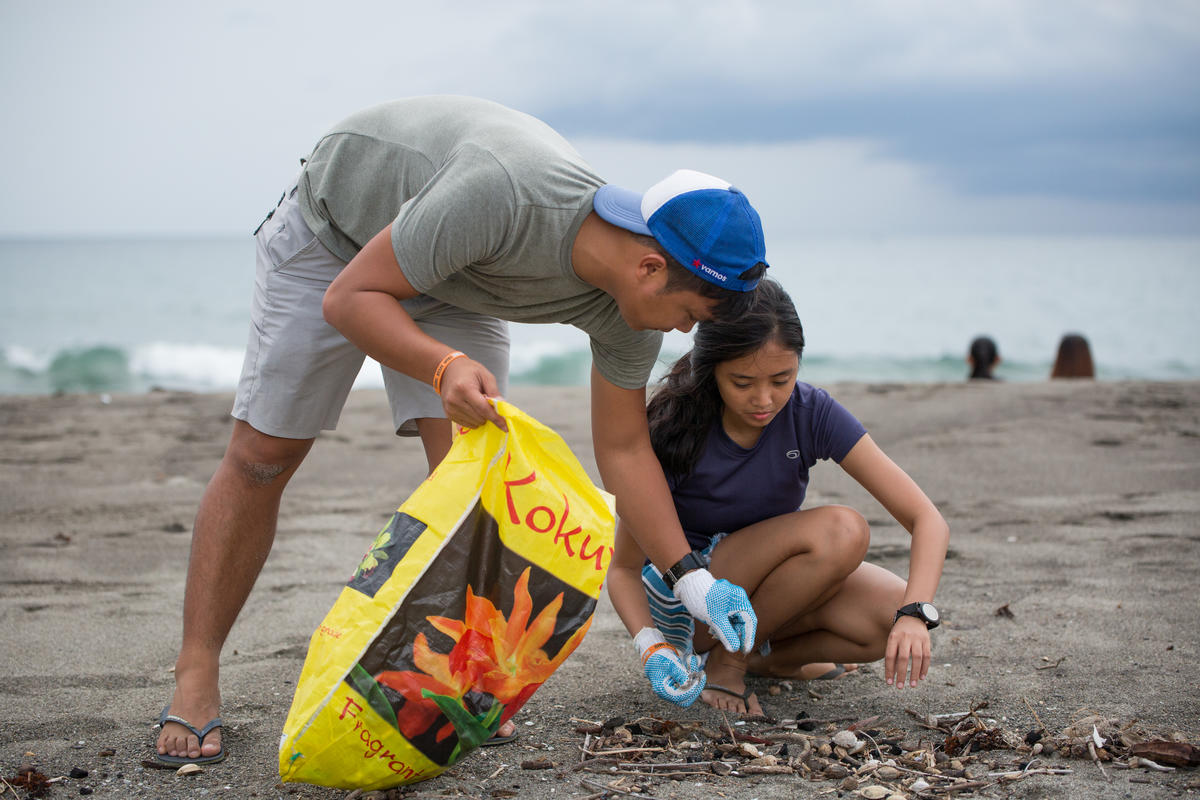
The "Market for Everyone" opens once a month at the Oil Tank Culture Park in Sang-am dong, Seoul. 
The market, which aims to be zero-waste, requires the sellers to bring products with no single-use plastic packaging and to encourage the up-cycling of items. 
Visitors can buy finger foods and drinks and bring their own food containers or tumblers. In alternative, they can rent plates and bowls for food under the condition that the customers wash the dishes and return them.

5. The ‘V’ in Valentine’s means Volunteer. 

Make your Valentine’s Day even more important by protecting the Earth. Bond with your loved one in volunteering opportunities offered by environmental organizations.


Want to know more how you and your loved one can be part of something green every day? Check the link below: https://www.greenpeace.org/southeastasia/act/volunteer/ ?
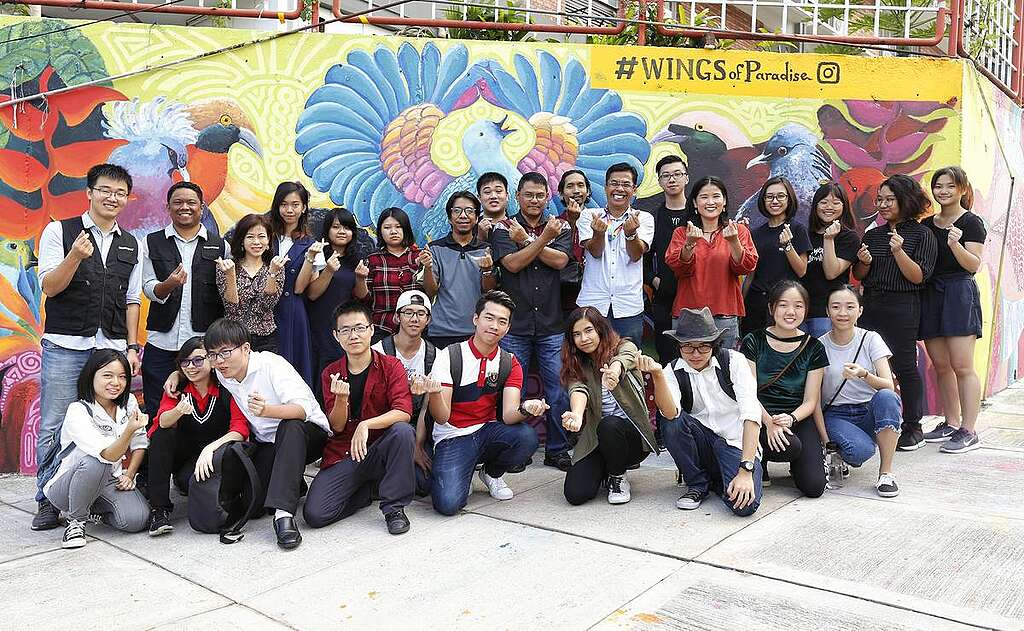
Wings of Paradise Mural in Kuala Lumpur. © Nandakumar S. Haridas / Greenpeace
Volunteer

15,000 volunteers around the world help us to do everything from painting signs and organising local marches, to dropping banners and occupying oil-rigs. Ever wanted to become an activist?

Get Involved