
All articles
-
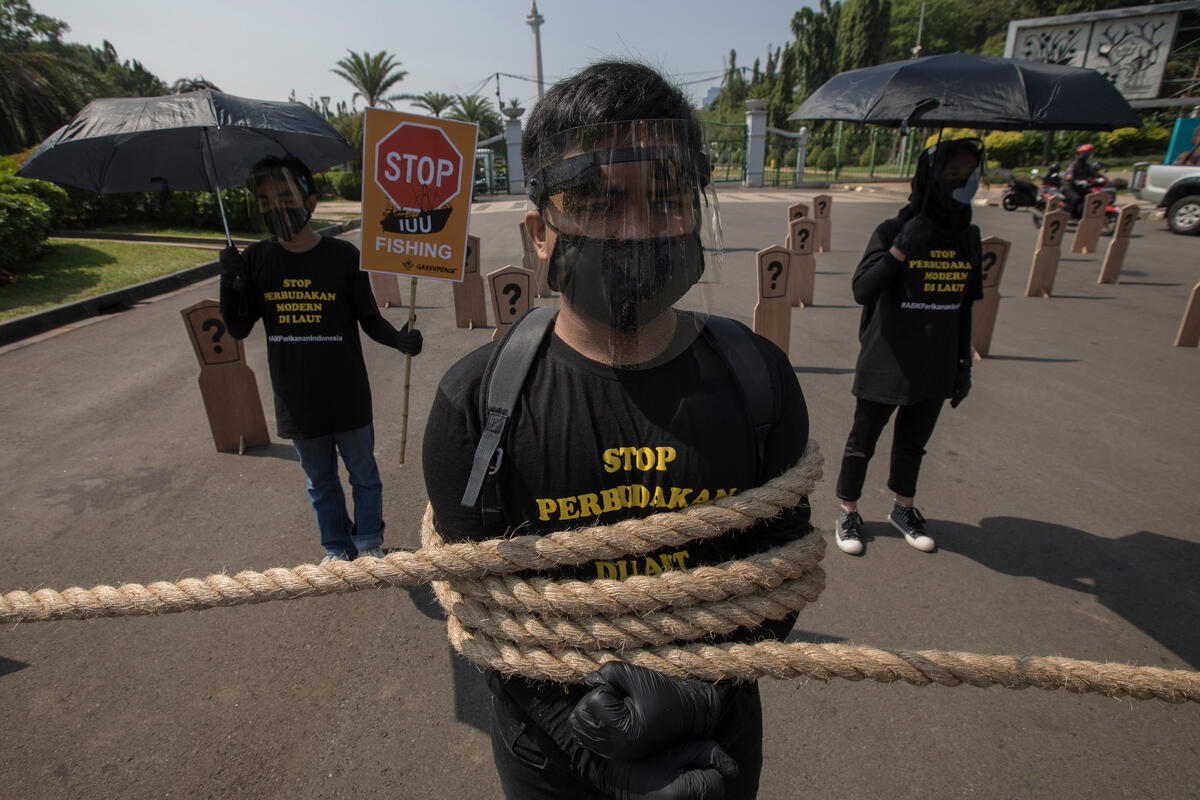
Why are Indonesian fishing crews dying?
With easy access to mobile technology, migrant fishers are able to document their mistreatment and often, evidence of illegal fishing and bycatch, such as shark finning. It’s led to an outpouring of attention and renewed focus on forced labour, human trafficking, and other forms of exploitation that have been commonplace on industrial fishing vessels for…
-
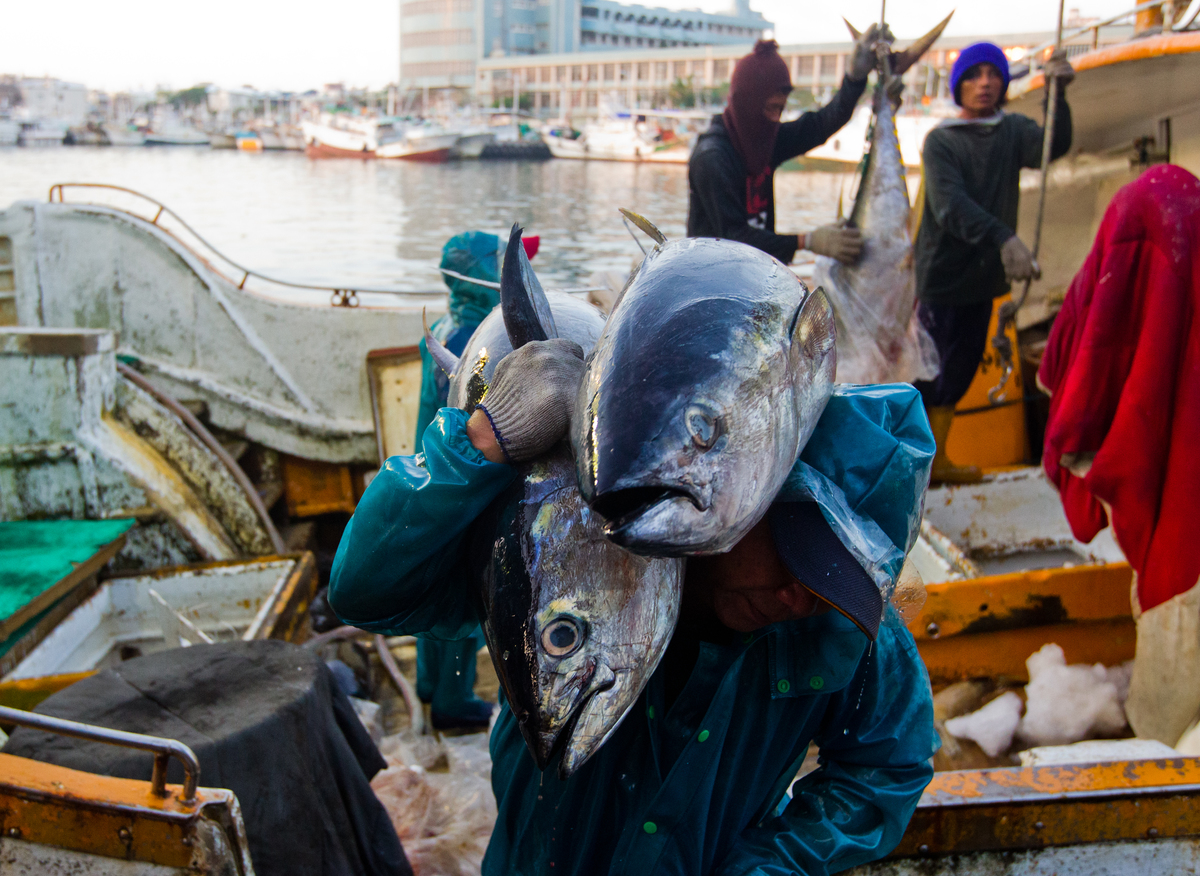
Greenpeace Southeast Asia on the latest case of Indonesian migrant fishers onboard Chinese fishing vessel Liao Yuan Yu 103, requesting immediate rescue by Indonesian authorities
In the past six years, Greenpeace Indonesia and Indonesian Migrant Workers Union (SBMI) have received 338 labor abuse complaints of Indonesian migrant fishers onboard foreign fishing vessels. It is important to note that this kind of case is recurring because of the lack of proactive and effective actions taken by Indonesian government in the last…
-
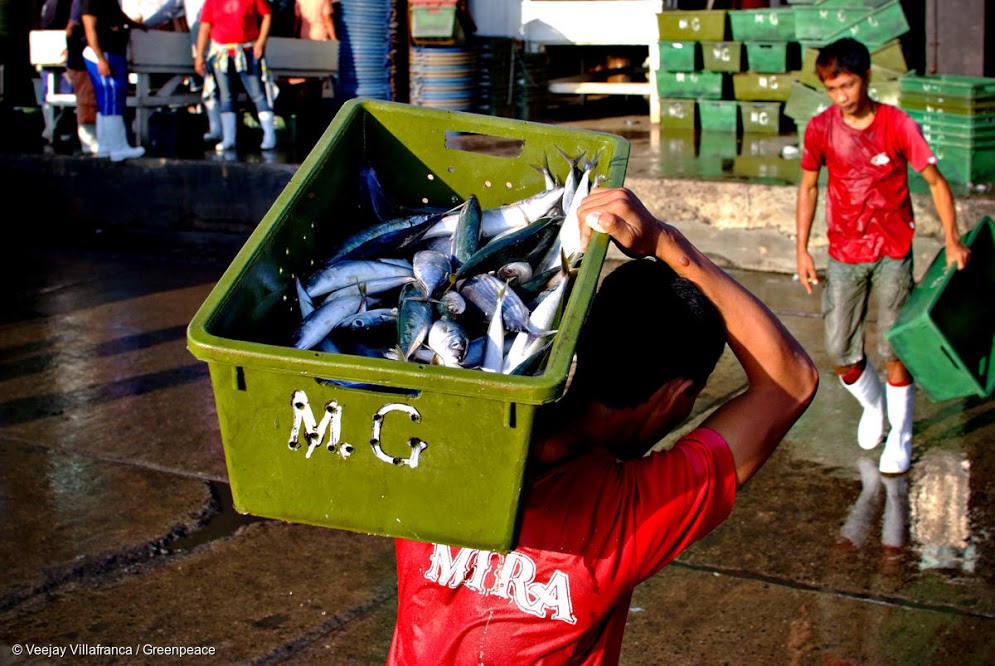
Better Normal in the Seafood Industry
Modern slavery and human rights abuses at sea are real and happening today, and the tuna industry is at the centre of this global scandal.
-
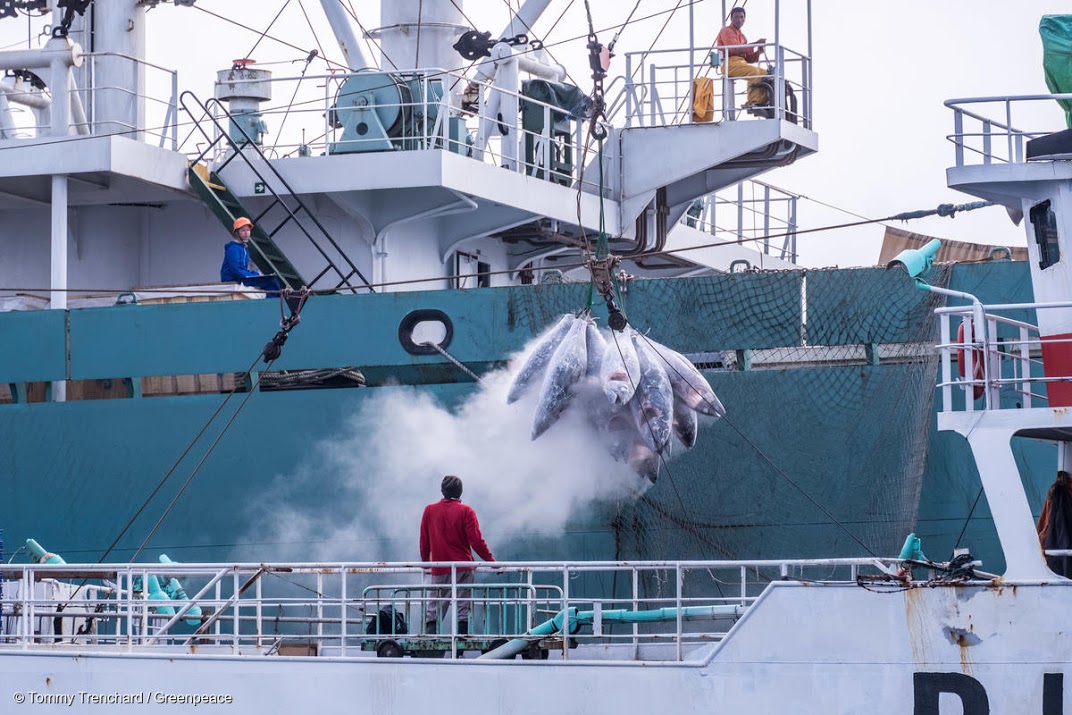
Greenpeace demands sustainability and due diligence on human rights for tuna industries in Southeast Asia
Lack of support and accountability for migrant fishing crew remain a failing issue, with only 20 percent of major southeast Asian tuna brands providing measures to reduce, or eliminate modern slavery at sea, according to the latest cannery ranking report by Greenpeace Southeast Asia.
-
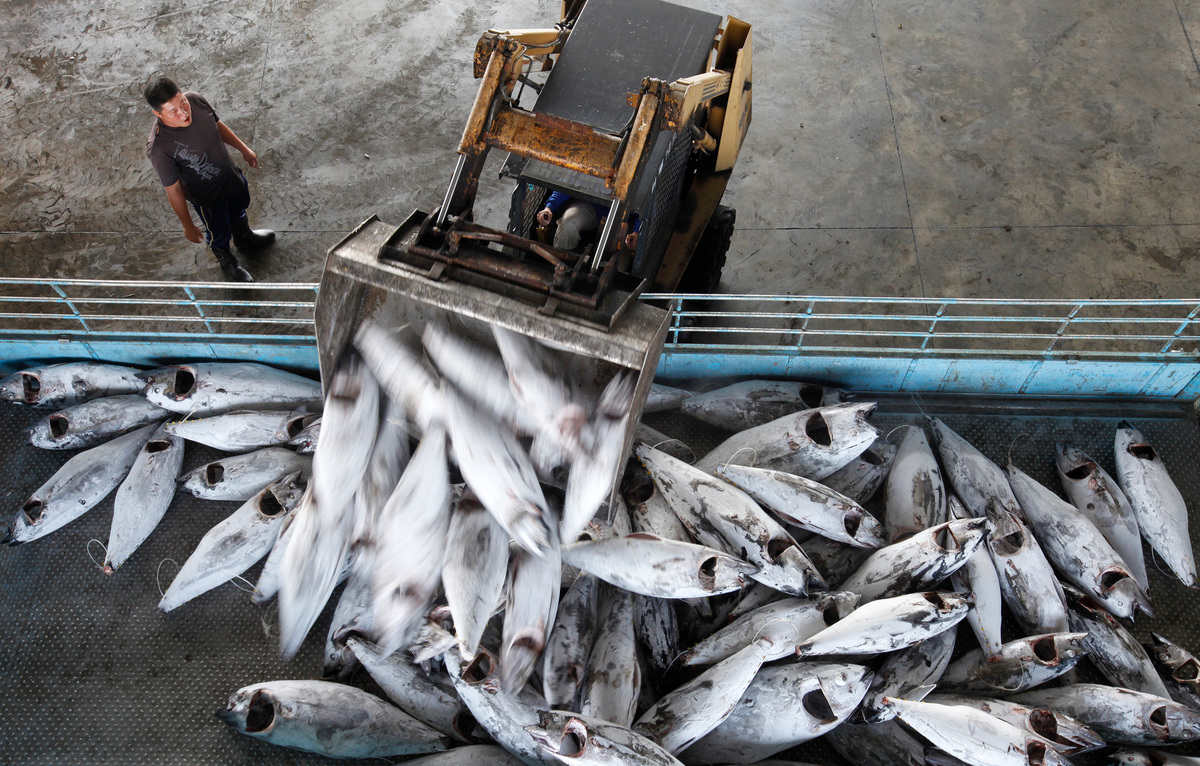
Who is FCF? Taiwan’s biggest tuna trader linked to forced labour & illegal fishing
Clear links between a Taiwanese seafood trading company and appalling cases of forced labour involving vulnerable migrant workers from Southeast Asia, as well as illegal fishing practices have been highlighted in a new report by Greenpeace East Asia
-
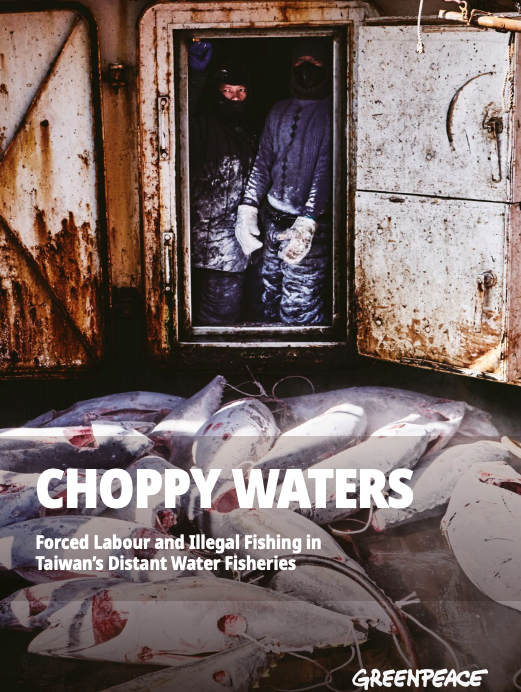
Choppy Waters: Forced Labour and Illegal Fishing in Taiwan’s Distant Water Fisheries
This report is based on a 2019 investigation conducted by Greenpeace East Asia, involving interviews with migrant fishers from three fishing vessels that were either flagged or linked to Taiwan. We found that IUU fishing and forced labour, allegedly, still continue to happen aboard Taiwanese fishing vessels operating in the Atlantic Ocean.
-
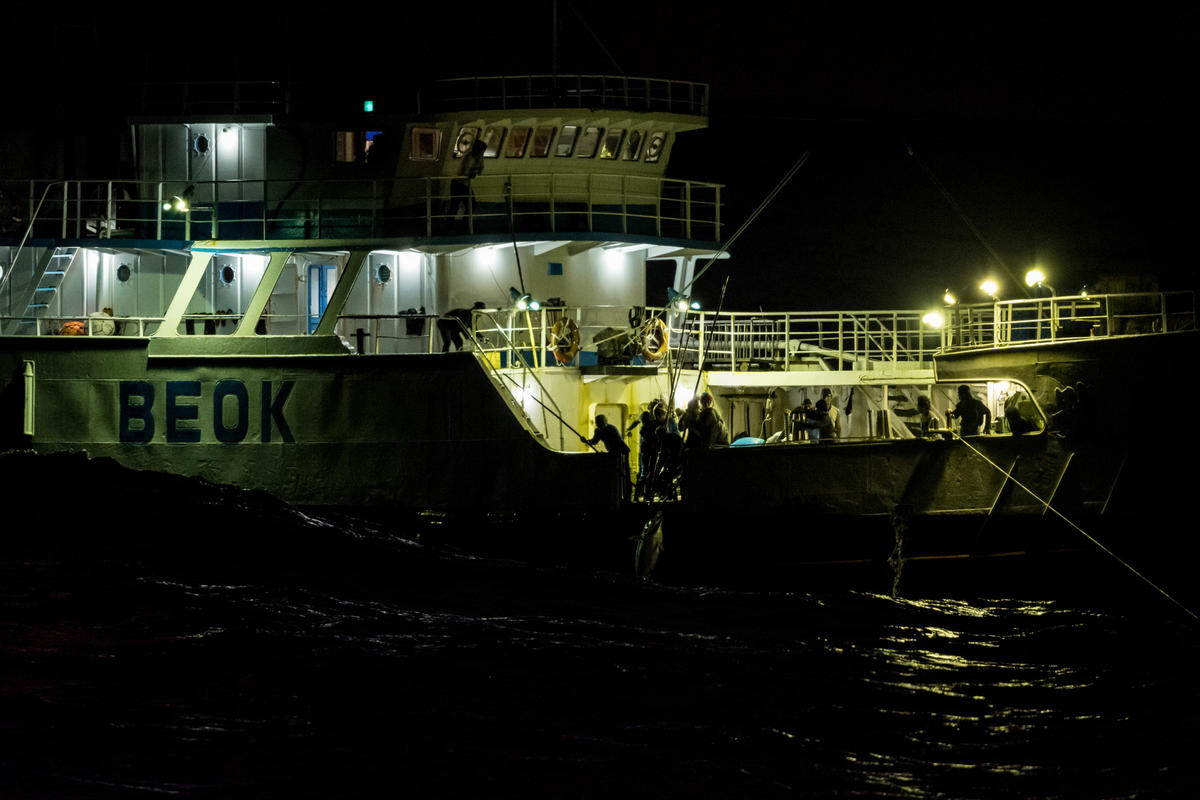
Taiwan’s major global tuna supplier shows “blind spots” to illegal fishing practices and modern slavery
Labour and human rights abuses continue to exist in Taiwan’s distant water fishing fleets, with one major global seafood trader showing its “blind spots” towards practices such as shark finning, forced labour, and illegal transhipment.[1] According to the new Greenpeace East Asia investigation, migrant fishers, who worked onboard vessels that were either flagged or linked…
-
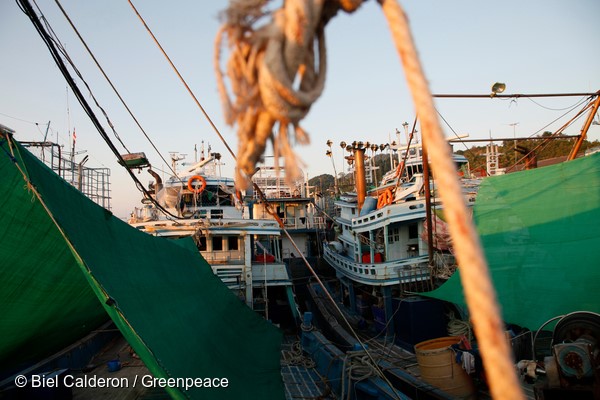
Thai fishing fleet moving to Indian ocean to avoid regulation, finds Greenpeace investigation
Bangkok, 15 December 2016 - A 12-month investigation by Greenpeace Southeast Asia has found that Thailand’s overseas fishing fleets are intentionally shifting to remote waters in order to avoid fishing regulations. The investigation started seven months after the Associated Press released its expose on shocking human rights abuses on Thailand’s notorious fishing industry, and demonstrates…
-
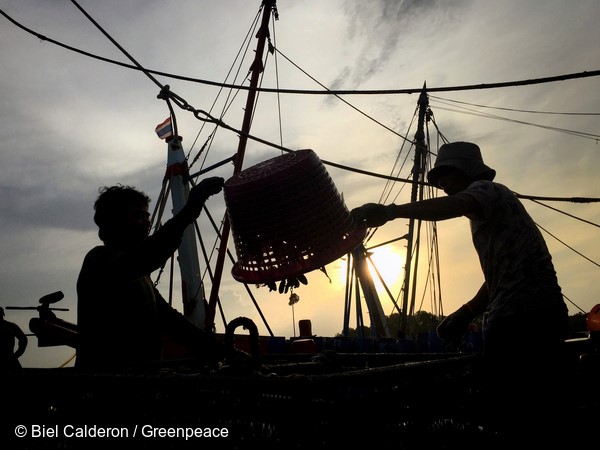
Turn The Tide
Greenpeace’s 12-month long investigation exposes the activities of Thailand’s rogue overseas fishing fleets, the companies behind them and their supply chain connections to export markets.
-
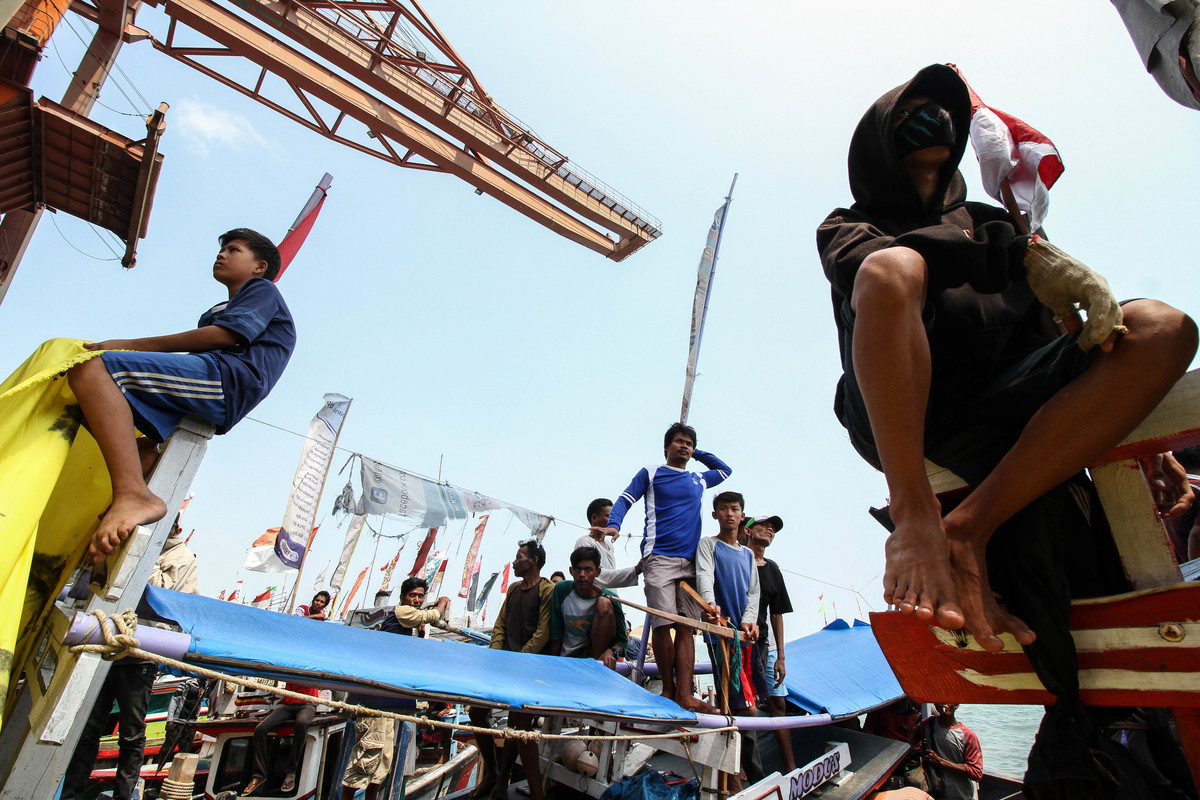
Ministry of Manpower’s failure to protect Indonesian migrant fishermen from human trafficking crimes
Jakarta, December 9, 2016 - Indonesian Migrant Workers Union (SBMI) and Greenpeace Indonesia today held a peaceful protest in front of the Ministry of Manpower office to urge improvement for placement policies and protection of migrant worker crews from Indonesia working on foreign fishing vessels outside the country. The protest was held one day before…