
All articles
-

Roadmap For Recommendations For the Ratification of Work in Fishing Convention, 2007
In June 2007, the International Labour Organization (ILO) created the Work in Fishing Convention (No. 188). The ILO C-188 was aimed at ensuring decent working conditions for fishers aboard fishing…
-
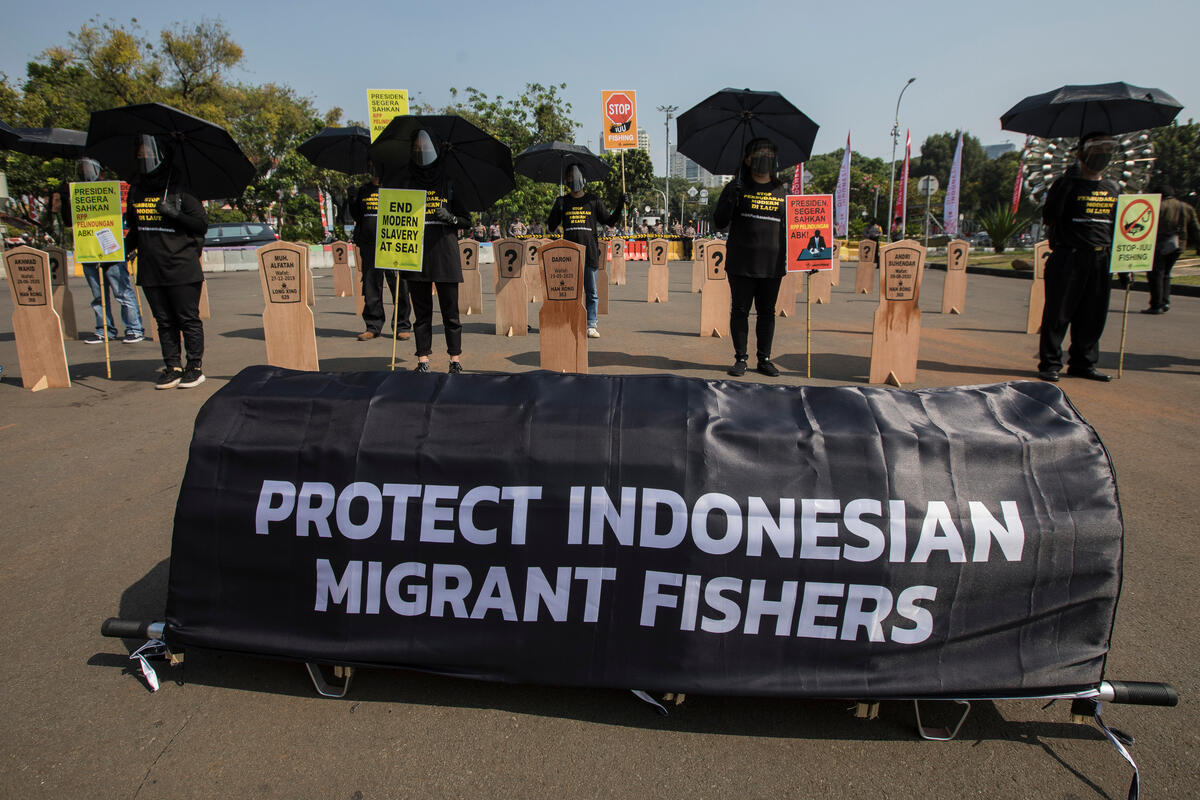
The journey towards migrant workers’ protection in Southeast Asia
Efforts to protect migrant fishing workers is much like climbing in the Himalayas. Very high. Very tough. Very distant.
-
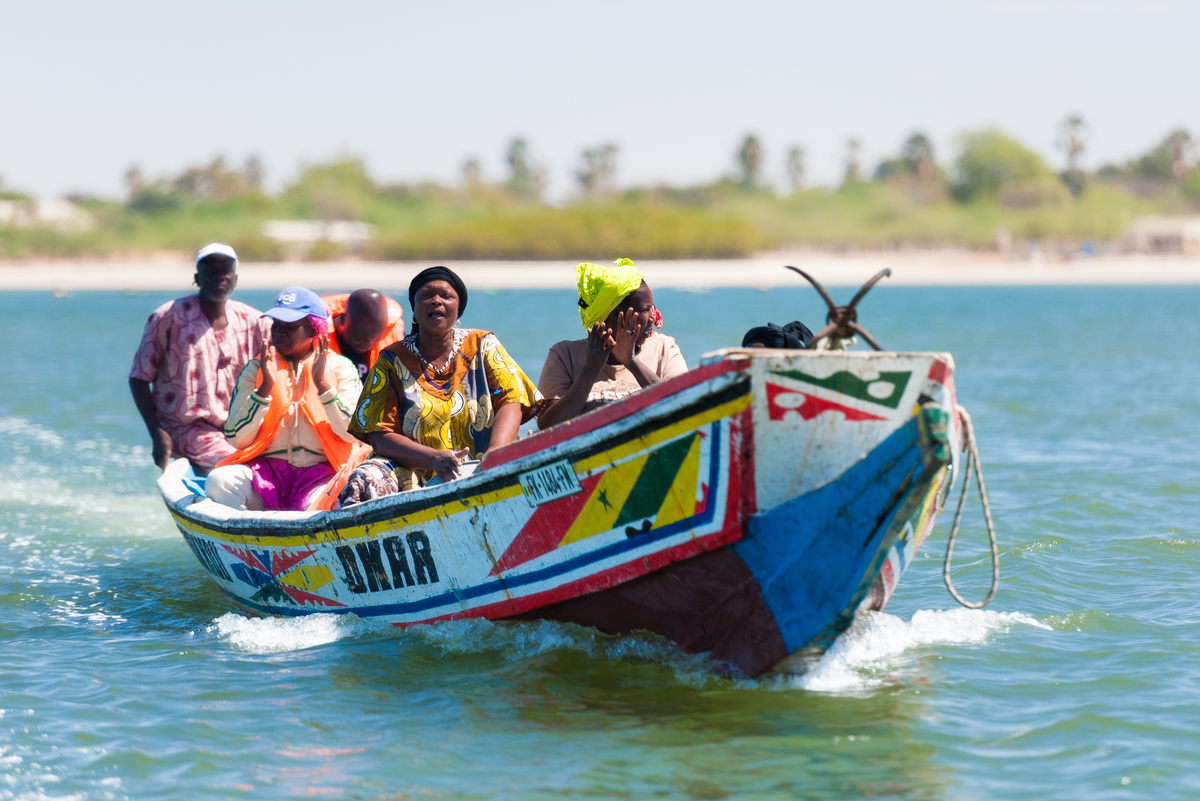
International Women’s Day: Greenpeace joins fishers demanding women’s rights and access to sea
In time for International Women's Day, Greenpeace and allies call for communities to have preferential access to coastal areas, that they should co-manage these, and that women workers’ active contribution to this process must be guaranteed.
-
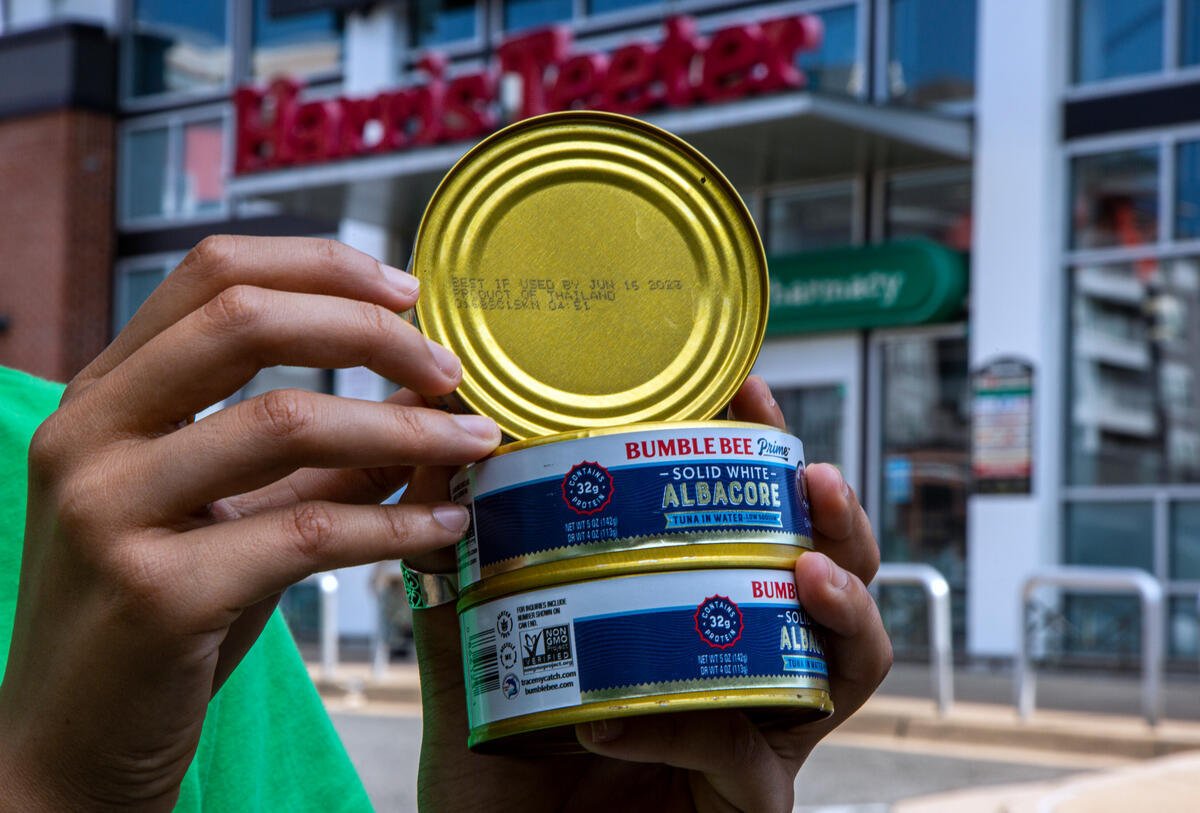
How trustworthy are seafood brands…really?
For groups that have spent years monitoring and documenting human rights abuses in the seafood supply chain, it comes as no surprise that despite the claims and promises from seafood brands meant to instill consumer trust and confidence, that is not always the case.
-
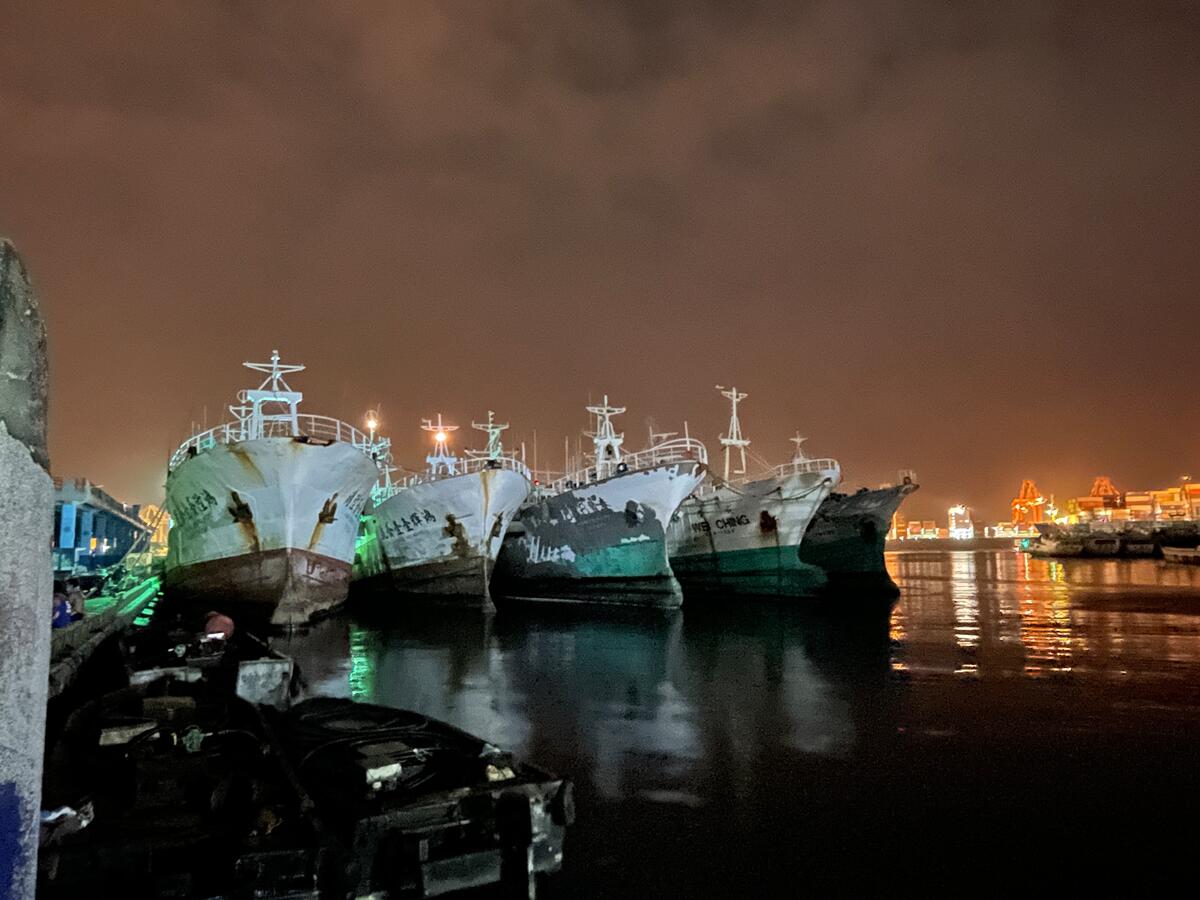
Investigation finds suspected human rights abuse by suppliers of major US and Taiwanese seafood company – Greenpeace
Major US seafood brand Bumble Bee and its Taiwanese owner, tuna trader FCF, are suspected to have illegal fishing and human rights abuse in its supply chain, according to a new investigative report by Greenpeace East Asia.
-
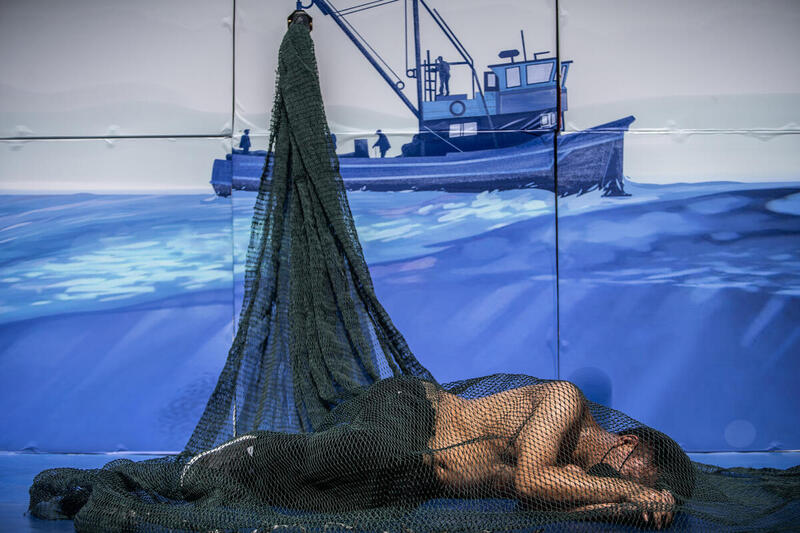
“Don’t get trapped”: One worker’s warning about what really happens in the fishing industry
A fisher shares his story of forced labour in the high seas and how he's fighting back to help protect the rights of migrant workers in the industry.
-
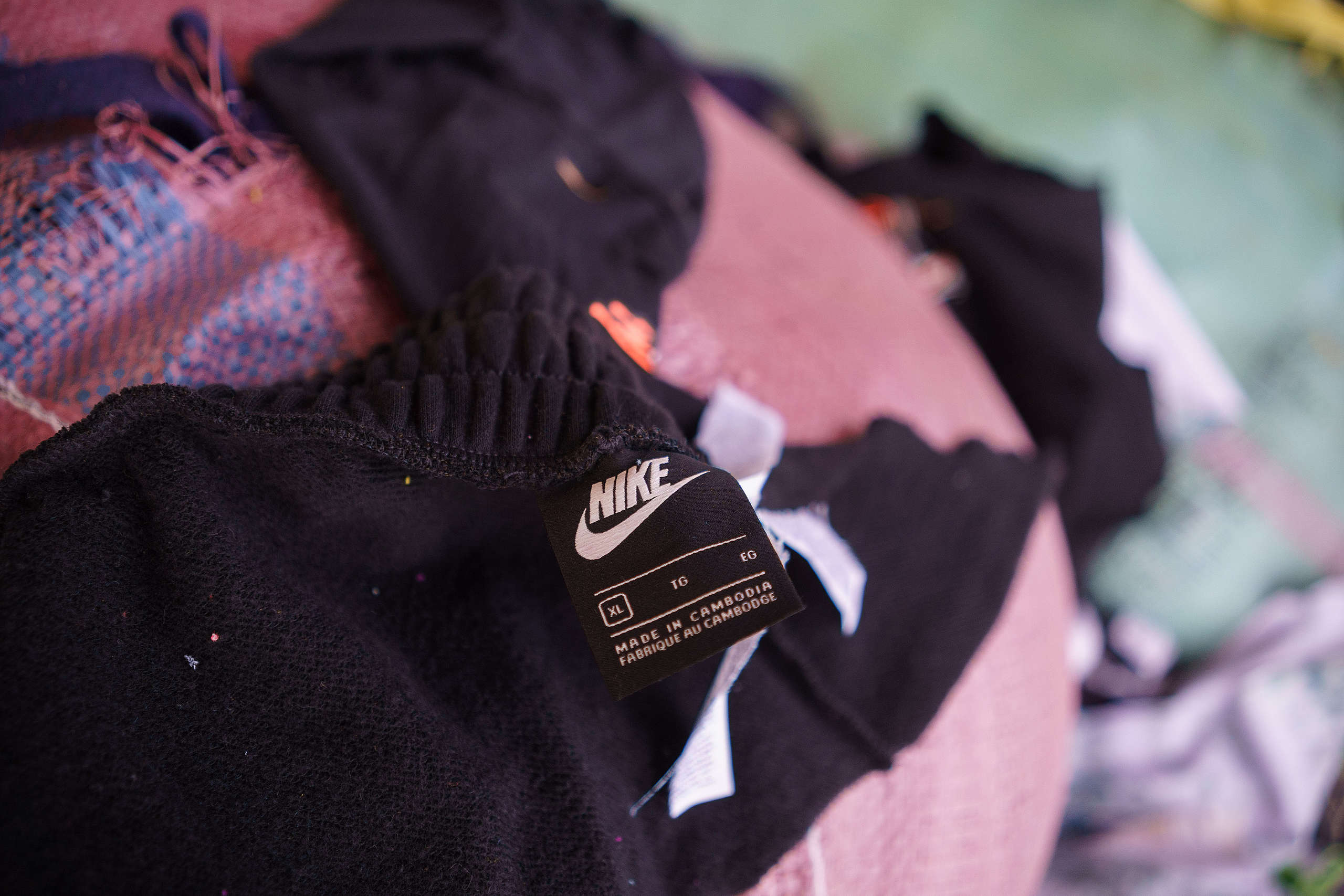
Cambodian workers pay the price of Fast Fashion’s supply chain waste problem
Despite the claims about sustainability by big brands, today’s fast fashion system depends on shifting its waste problem onto countries in the Global South where the lack of regulation and enforcement has led to the exploitation of workers and the environment.
-
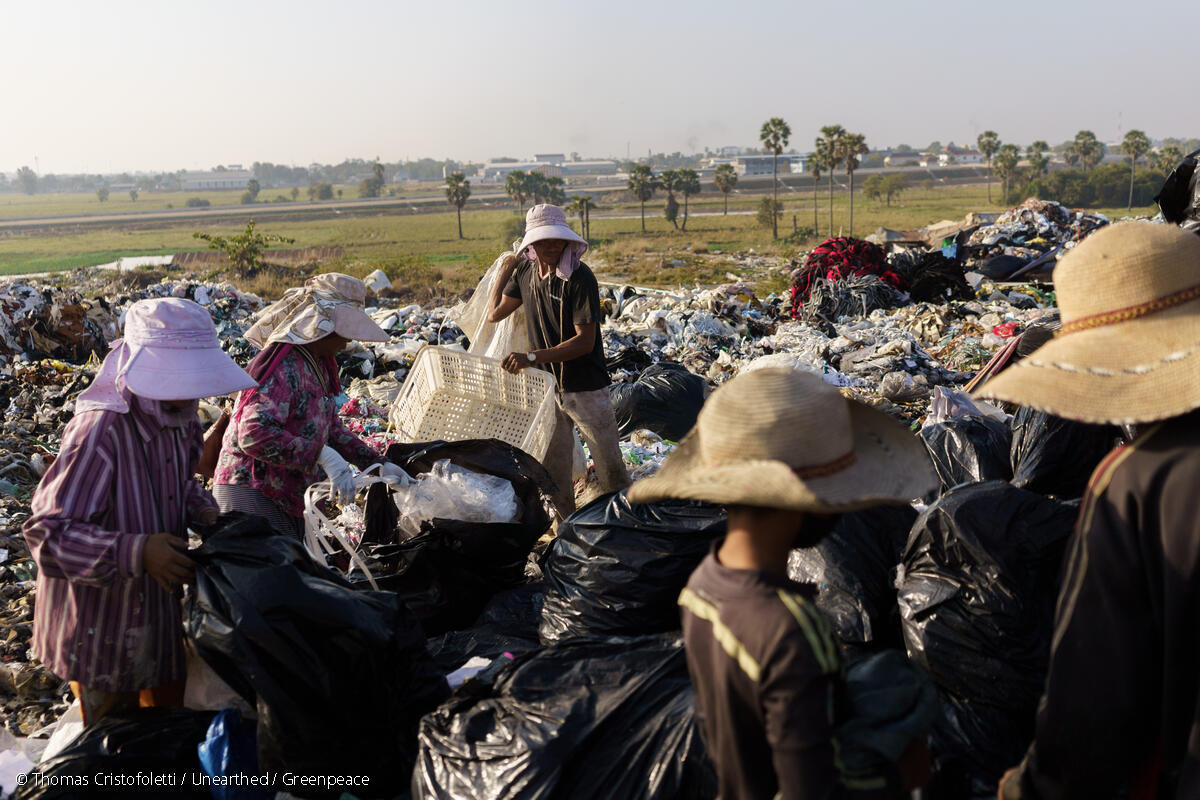
Fashion waste from Nike, Clarks and other top brands’ suppliers burnt in toxic kilns employing modern-day slaves in Cambodia
Aside from ecological and health hazards, the fashion waste investigation also puts the spotlight on Cambodia’s brick sector that has become infamous for human rights abuses, including debt-bondage – the most common form of contemporary slavery.
-
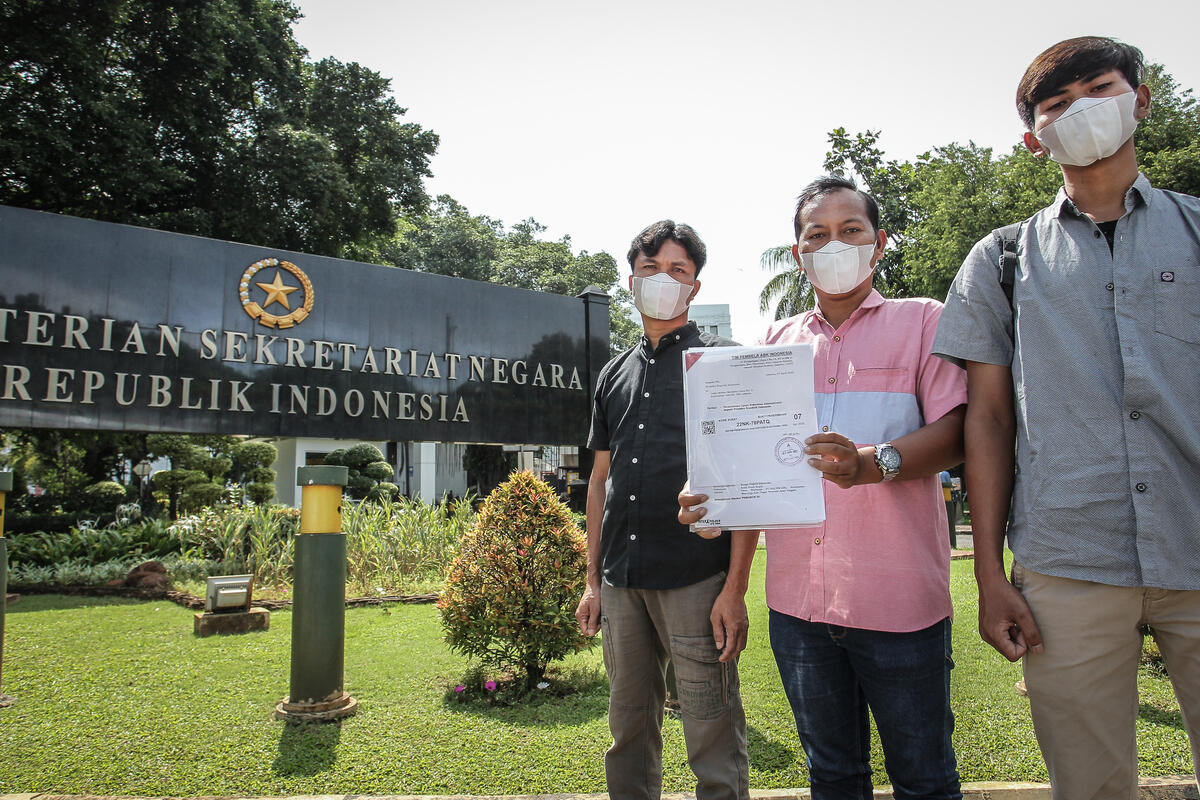
Indonesian migrant fishers declare victory in new regulation that ensures their protection and rights
Indonesian migrant fishers have welcomed the recently ratified regulation that ensures their rights, protection, and employment on board foreign fishing vessels - a significant milestone towards curbing illegal, unreported, and unregulated fishing and abuse within the industrial fishing industry.
-

What’s keeping the unprofitable high seas fishing industry going? Simple: Forced Labour
As fish populations collapse and fishing vessels have to go further out at sea, transportation and refrigeration costs have increased. While these costs are fixed, labour costs are more flexible. This is especially true far out at sea, where isolation and lack of oversight render fishers – who are often migrants with few legal protections…